

المعروض: · بالإطار:
 معاينة الحجم الواقعي
 مشاركة
 مشاركة
 التفاصيل
 دليل
دليل

 تحميل الملف
 قطع مشابهة
 الأشعة السينية
 عرض شرائح
 الأسئلة والأجوبة
 الإحصائيات

E£ 14070
نسخة زيتية مرسومة يدوياً
لوحة زيتية مرسومة يدوياً على الكانفاس بالمقاس والإطار الذي تفضله، تُنفذ حسب الطلب على أيدي فنانينا. ( التبديل إلى نسخة مطبوعة الانتقال إلى الصورة الرقمية)
المقاس
·قياسي
حسب الطلب
CM
INCH
اختر من بين أحجامنا المُعدّة مسبقاً والتي تتوافق مع النسب الأصلية للعمل الفني.
جاري تحميل المقاسات...

العرض
الارتفاع
أدخل العرض والارتفاع اللذين تحتاجهما ليتناسب العمل مع إطارك أو جدارك. وبما أن هذه اللوحة مرسومة يدوياً، ففي حال اختيار مقاس بأبعاد مختلفة، يمكن للفنان رسم مساحة إضافية حول الصورة أو تقليصها قليلاً — الخيار لك. سنرسل لك نموذجاً رقمياً تجريبياً لاعتماده قبل البدء في الرسم. علماً بأن الصورة المعروضة في هذه الصفحة لا تعكس النتيجة النهائية الحقيقية، فالنموذج التجريبي هو الوحيد الذي يوضح ذلك بدقة.
 للمزيد من المعلومات
إنهاء
·
أبيض E£1

حواف ضبابية E£1

ممتد الحواف E£1

P118B E£10

P118H E£10

P118W E£10

P438Z E£10

P508JH E£12

P508YH E£12

P805H E£10

P805Z E£10

P919BZ E£10

P919G E£10

P919XJ E£10

P959ZH E£10

P968JZ E£12

W106C E£8

W218G E£10

W218JH E£8

W218Y E£10

W307PJ E£10

W316G E£10

W316PJ E£8

W316Y E£10

W398PJ E£8

W4111J E£10

W500HY E£15

W500JH E£15

W692G E£12

W849H E£8

W940BG E£15

W953PJ E£8

H24-GOLD E£30

H24-SILVER E£30

H36-GOLD E£45

H36-SILVER E£45
تُشحن في أنبوب واقٍ، لتكون جاهزة للتأطير لدى فني الإطارات الخاص بك.
للقطع التي يتجاوز طولها ١٠٥ سم، يتم شحن الإطار كمجموعة مخصصة لخبراء التأطير — اقرأ التفاصيل.
خدمات إضافية
اختياريماذا تشمل الإضافات؟
أمثلة على ما يمكن تغييره: استبدال الوجه بصورة العميل؛ إضافة حيوان أليف (على سبيل المثال، استبدال قطة بكلب)؛ تضمين رسالة مخفية في الخلفية؛ تغيير المناظر الطبيعية أو العناصر في الخلفية.
بعد الطلب، سيقوم فريق TopImpressionists.com بمراسلة العميل عبر البريد الإلكتروني للحصول على التعليمات وتزويده بمعاينة تجريبية للعمل
بعد الطلب، سيقوم فريق TopImpressionists.com بمراسلة العميل عبر البريد الإلكتروني للحصول على التعليمات وتزويده بمعاينة تجريبية للعمل
توصيل عالمي إلى خلال 3 إلى 4 أسابيع بدلاً من المدة المعتادة البالغة 5 أسابيع. (5 نوفمبر). جودة لا تهاون فيها.
ورنيش واقٍ
بطاقة التعريف
تفاصيل اللوحة البرونزية المحفورة
This elegant plaque features the artist's name and the title of the artwork, finely engraved for a timeless presentation.
It is made from bronze with a refined, elegant finish. The text is precisely laser-engraved for a sharp and permanent result. Measuring 9x2 cm, the plaque is compact yet easy to read. It's built to be durable and scratch-resistant, offering a professional, museum-quality look. Mounting is simple thanks to the included adhesive backing.
تفاصيل اللوحة الأكريليكية الشفافة
The plaque includes essential engraved details such as the artist's name, the title of the artwork, the date it was created, the type of media used-like oil on canvas or watercolor-a brief description of the piece, and a QR code that links to the complete artwork information.
It is crafted from clear acrylic, offering a sleek, modern appearance. The text is UV-engraved in black to ensure strong visual contrast. With a size of 10x15 cm, it ensures optimal readability. It comes equipped with two metal hooks for secure wall mounting. The plaque is designed to be weather-resistant, making it suitable for various environments, and it includes interactive features that work seamlessly with smartphone scanning.
تفاصيل اللوحة الأكريليكية السوداء
This elegant plaque includes engraved information such as the artist's name, the title of the artwork, the date it was created, the type of media used (like oil on canvas or watercolor), a short description of the artwork, and a QR code for quick access to more information.
The plaque itself is made from refined black acrylic with a premium finish. The text is laser-engraved in white for high contrast and readability. Its size is 10x15 cm, designed to be easy to read. It comes with two metal hooks for professional mounting. The design is sleek and fits any interior style. It is also weather-resistant and durable, with built-in digital integration for mobile compatibility.
خيار الزجاج متاح فقط للمقاسات التي تقل عن 110 سم
 خيار الزجاج متاح فقط للمقاسات التي تقل عن 110 سم
- شحن سريع ومجاني لجميع أنحاء العالم
- قماش كتان عالي الجودة
- تأمين شامل على الشحن
- ضمان استرداد الرسوم الجمركية
- ضمان مطابقة الألوان الحقيقية
- سياسة الإرجاع خلال 100 يوم (في حالات العيوب فقط)
- ضمان استرداد نقدي بنسبة 100%
- خصم عند طلب كميات


وصف القطعة المقتناة
Experience Malevich's 'Taking in the Rye,' a vibrant Cubist masterpiece capturing rural life & teamwork. Own a hand-painted oil reproduction of this iconic artwork!
السيرة الذاتية للفنان
كازيمير ماليفيتش (1878-1935): فنان أوكراني رائد في تأسيس السوررية وأيقونة الفن التجريدي. استكشف أعماله الشهيرة مثل "المربع الأسود"، والأشكال الهندسية، وتأثير الشعور الخالص على فن القرن العشرين.
عن اللوحة
Taking in the Rye: A Glimpse of Rural Life Through Cubist Eyes
Kazimir Severinovich Malevich's "Taking in the Rye" is a captivating artwork that exemplifies his pioneering approach within the Cubism movement. Painted in 1912, this piece transcends a simple depiction of rural labor; it’s an exploration of form, color, and the essence of collective effort. At TopImpressionists.com, we meticulously recreate this masterpiece through hand-painted oil reproductions, ensuring that each detail reflects Malevich's unique artistic vision.
Understanding the Artist and His Style
Kazimir Severinovich Malevich (1879-1935) was a Russian artist and art theorist who fundamentally reshaped the landscape of 20th-century art. He is best known as the founder of Suprematism, an abstract art movement focused on basic geometric forms, such as squares, circles, lines, and rectangles, painted in a limited range of colors. Malevich believed that these pure shapes could convey spiritual truths and evoke profound emotions, moving beyond representational art to express "pure feeling."
"Taking in the Rye" showcases this distinctive style. The painting bursts with vibrant hues – reds, blues, greens, yellows, and oranges – which aren't used realistically but rather to create a dynamic and energetic atmosphere. The composition is densely packed with figures engaged in harvesting rye, their forms simplified into geometric shapes that interlock and overlap. This fragmentation reflects the Cubist principle of depicting objects from multiple viewpoints simultaneously, creating a sense of dynamism and complexity.
Historical Context and Symbolism
Painted during a period of significant social and political change in Russia, "Taking in the Rye" offers a glimpse into rural life at the dawn of the 20th century. The painting’s subject matter – agricultural labor – was not uncommon for Malevich; he often depicted scenes from his childhood spent in Ukraine. However, unlike traditional depictions that romanticized or idealized peasant life, Malevich presents it with an almost detached objectivity, focusing on the collective action and rhythmic movement of the workers.
The painting’s symbolism is open to interpretation. Some scholars suggest that the geometric simplification represents a move away from the tangible world towards a more spiritual realm, aligning with Malevich's Suprematist ideals. The vibrant colors could symbolize the energy and vitality of rural life, while the tightly packed composition might reflect the communal nature of agricultural work.
The Enduring Legacy
"Taking in the Rye" holds a significant place in art history as an early example of Malevich's evolving style and his transition towards pure abstraction. It demonstrates his ability to capture not just the visual appearance of a scene, but also its underlying energy and emotional resonance through simplified forms and bold colors. Its influence can be seen in subsequent generations of abstract artists who sought to explore the power of geometric shapes and color to convey universal truths. Owning a hand-painted reproduction of "Taking in the Rye" allows you to bring this pivotal work of art into your home, appreciating its historical significance and enduring aesthetic appeal.
الأسئلة والأجوبة
ما هو اتجاه لوحة "Taking in the Rye" للفنان كازيمير ماليفيتش؟
تتميز لوحة "Taking in the Rye" للفنان كازيمير ماليفيتش بتكوين Square. ويُنصح بمراجعة الأبعاد قبل اختيار حجم الطباعة.
ما هي الاستخدامات الموصى بها لنسخة مطبوعة من "Taking in the Rye"؟
يُقترح استخدام "Taking in the Rye" للفنان كازيمير ماليفيتش لـ Statement، كما يمكن توظيفه لأغراض أخرى أيضاً.
هل تُعدّ "Taking in the Rye" للفنان كازيمير ماليفيتش لوحةً فاتحة الألوان أم داكنة؟
تتميز لوحة "Taking in the Rye" بدرجة سطوع إجمالية تبلغ deep_shadow، كما يبلغ مستوى الإضاءة فيها Dark.
حقائق سريعة واختبار فني
عن كازيمير ماليفيتش

كازيمير ماليفيتش
1878 - 1935, أوكرانيا
السيرة الذاتية للفنان
كازيمير ماليفيتش: رائد الفن المجرد
في قلب المشهد الفني الروسي المضطرب في أوائل القرن العشرين، ظهر كازيمير ماليفيتش، فنانٌ أحدث ثورةً في مفهوم الصورة الفنية. وُلد في منطقة كييف الأوكرانية عام 1878، نشأ ماليفيتش في بيئة ريفية غنية بالتراث الشعبي التقليدي، وهو ما ترك بصماتٍ خفية على مسيرته الفنية اللاحقة. لم يكن طريقه إلى العبقرية مفروشًا بالورود؛ فقد واجه تحدياتٍ شخصية وفنية، لكنه استمر في البحث عن لغة فنية جديدة تتجاوز حدود التمثيل التقليدي.
في بداياته، انغمس ماليفيتش في دراسة مختلف الأساليب الفنية السائدة، بدءًا من الانطباعية والرمزية وصولًا إلى الفوفية والتكعيبية. رحلةٌ إلى باريس عام 1912 كانت بمثابة نقطة تحولٍ حاسمة في حياته المهنية؛ حيث تعرض لأحدث التطورات في الفن الأوروبي، مما أثار فيه الرغبة في التحرر من قيود التمثيل الواقعي. بدأ ماليفيتش يميل نحو تبسيط الشكل وتجريده، ساعيًا إلى إيجاد لغة فنية تقوم على الأشكال الهندسية الأساسية والألوان النقية.
نشأة السوبرماتية: ثورة في الفن
في عام 1915، أعلن ماليفيتش عن ولادة حركة "السوبرماتية"، وهي حركة فنية تهدف إلى تحقيق "السيادة المطلقة للمشاعر". رفضت السوبرماتية أي محاولة لتصوير الأشياء المرئية في العالم، مفضلةً التركيز على الأشكال الهندسية البسيطة مثل المربعات والدوائر والمستطيلات. لم يكن الهدف من ذلك هو تجاهل الواقع، بل هو البحث عن مستوى أعمق من التعبير الفني يتجاوز الحواس الظاهرية ليصل إلى جوهر المشاعر الروحانية.
"المربع الأسود" (1915) يُعدّ العمل الأكثر شهرةً لماليفيتش، ويمثل نقطة تحولٍ جذرية في تاريخ الفن. لم يكن هذا المربع مجرد شكل هندسي بسيط؛ بل كان بمثابة بيان فني جريء يتحدى المفاهيم التقليدية للجمال والتمثيل. "الأبيض على الأبيض" (1918) هي سلسلة من الأعمال التي استكشفت نقاء الشكل واللون، حيث تظهر أشكال هندسية بيضاء على خلفية بيضاء، مما يدفع بالتجريد إلى أقصى حدودِه. كما أن عمله "بيت قيد الإنشاء" (1916) يمثل مثالًا مبكرًا على السوبرماتية، حيث يعرض وجهة نظره الفريدة حول الثقافة الأوكرانية من خلال أشكال مجردة.
تأثير ماليفيتش وإرثه الفني
لم يكن تأثير ماليفيتش مقتصرًا على الحركة السوبرماتية فحسب؛ بل امتد ليشمل العديد من الحركات الفنية اللاحقة، مثل الحد الأدنى والبنائية. تحدى ماليفيتش المفاهيم التقليدية للتمثيل في الفن، وفتح الباب أمام أشكال جديدة من التعبير المجرد. أفكاره حول "السيادة المطلقة للمشاعر" ألهمت العديد من الفنانين لاستكشاف العلاقة بين الفن والعاطفة والروحانية.
على الرغم من مواجهته صعوبات سياسية في سنواته الأخيرة، حيث تعرض لقمعٍ من قبل النظام السوفيتي، استمر ماليفيتش في ممارسة فنّه وتدريسه حتى وفاته عام 1935. اليوم، يُعتبر كازيمير ماليفيتش أحد أهم الشخصيات في تاريخ الفن الحديث، ورمزًا للابتكار والتجريب والبحث الدائم عن طرق جديدة للتعبير عن الذات.
الرؤية الفلسفية: ما وراء الشكل
لم يكن ماليفيتش فنانًا فحسب، بل كان أيضًا فيلسوفًا وفكرًا عميقًا. كانت كتاباته النظرية، مثل "من التكعيبية إلى المستقبلية إلى السوبرماتية" (1915) و "العالم اللا موضوعي" (1926)، بمثابة دليلٍ لفهم رؤيته الفنية. اعتقد ماليفيتش أن الفن يجب أن يتجاوز العالم المادي ليصل إلى مستوى أعمق من الوعي، حيث تتلاشى الأشكال وتظهر المشاعر النقية في شكلها الأصيل.
"الفن ليس انعكاسًا للعالم المادي، بل هو نافذة تطل على عالم المشاعر الروحانية." هذه العبارة تلخص جوهر فلسفة ماليفيتش الفنية. كان يسعى إلى خلق فنٍ يتجاوز حدود اللغة والتعبير التقليدي، فنٍ يلامس الروح مباشرةً ويثير المشاعر العميقة.
حقائق سريعة عن كازيمير ماليفيتش
- أعمال فنية بارزة:
- المربع الأسود
- الأبيض على الأبيض
- بيت قيد الإنشاء
- الاسم الكامل: كازيمير ماليفيتش
- الجنسية: أوكراني/روسي
- الحركات الفنية المتأثرة:
- التعبيرية التجريدية
- الإنطباعية
- الحركة الفنية: التفوقية، فن تجريدي
- الفنانون المؤثرون:
- بول سيزان
- فرناند ليجر
- تاريخ الميلاد: 23 فبراير 1878
- مكان الميلاد: كييف، أوكرانيا
استكشف الأعمال الفنية المصنفة حسب الموضوعات والأنماط والخصائص.


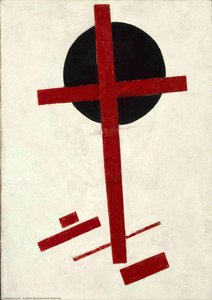


كازيمير ماليفيتش
Taking in the Rye
() ·
بالإطار: · رُسمت يدوياً بالزيت على الكتان
الإجمالي