

 معاينة الحجم الواقعي
 مشاركة
 مشاركة
 التفاصيل
 دليل
دليل

 تحميل الملف
 قطع مشابهة
 الأشعة السينية
 عرض شرائح
 الأسئلة والأجوبة
 الإحصائيات
COUPE DE CERISES, PRUNES ET MELON


Discover Louise Moillon’s "COUPE DE CERISES" – a stunning Baroque still life painting. Admire its classical detail, dramatic lighting & rich fruit arrangement. A timeless piece of French art.
 عرض المزيد
اكتشف لويز مويلون: رسامة الطبيعة الصامتة في عصر الباروك، اشتهرت بتفاصيلها الرائعة وتنسيقات الفاكهة المضيئة. استكشف لوحاتها الأنيقة من فرنسا في القرن السابع عشر.
طباعة جيلي / مطبوعات فنية
طباعة جيكلي أو كانفاس بجودة المتاحف، مع سرعة في التنفيذ وخيارات متنوعة للتشطيب. ( شراء لوحة مرسومة يدويًا الانتقال إلى الصورة الرقمية)




P118B E£10

P118H E£10

P118W E£10

P438Z E£10

P508JH E£12

P508YH E£12

P805H E£10

P805Z E£10

P919BZ E£10

P919G E£10

P919XJ E£10

P959ZH E£10

P968JZ E£12

W106C E£8

W218G E£10

W218JH E£8

W218Y E£10

W307PJ E£10

W316G E£10

W316PJ E£8

W316Y E£10

W398PJ E£8

W4111J E£10

W500HY E£15

W500JH E£15

W692G E£12

W849H E£8

W940BG E£15

W953PJ E£8




قياسي
حسب الطلب
CM
INCH
اختر من بين أحجامنا المُعدّة مسبقاً والتي تتوافق مع النسب الأصلية للعمل الفني.
Loading sizes...

العرض
الارتفاع
أدخل العرض والارتفاع المطلوبين ليتناسب المقاس مع إطارك أو جدارك. يرجى الملاحظة أن المطبوعة يمكن قصها فقط ولا يمكن تكبيرها لتتجاوز أبعاد الصورة الأصلية، لذا فإن اختيار مقاس بأبعاد مختلفة سيؤدي إلى فقدان جزء من الصورة. سنرسل لك نموذجاً رقمياً تجريبياً لاعتماده قبل البدء في عملية الطباعة. الصورة المعروضة في هذه الصفحة لا توضح شكل القص الفعلي — النموذج التجريبي فقط هو ما يظهر ذلك بدقة.
توصيل عالمي إلى خلال أسبوعين بدلاً من المدة القياسية البالغة 4/5 أسابيع. (5 نوفمبر)

شحن سريع ومجاني لجميع أنحاء العالم

قماش كتان عالي الجودة

تأمين شامل على الشحن

ضمان استرداد الرسوم الجمركية

ضمان مطابقة الألوان الحقيقية

سياسة الإرجاع خلال 100 يوم (في حالات العيوب فقط)

ضمان استرداد نقدي بنسبة 100%

خصم عند طلب كميات
 خيار الزجاج متاح فقط للمقاسات التي تقل عن 110 سم

COUPE DE CERISES, PRUNES ET MELON
طباعة جيلي / مطبوعات فنية
مقاس النسخة المطبوعة
-


إجمالي السعر النهائي
E£ 3661
Louise Moillon’s “Coupe de Cerises, Prunes et Melon”: A Baroque Still Life of Quiet Abundance
The painting "Coupe de cerises, prunes et melon" by Louise Moillon, completed around 1633, is more than just a depiction of fruit; it's a meticulously crafted meditation on beauty, abundance, and the fleeting nature of pleasure. Within its deceptively simple composition lies a wealth of Baroque artistry – a masterful blend of Flemish realism, French elegance, and subtle symbolism that continues to captivate viewers centuries later. This intimate still life, now residing within the hallowed halls of the Louvre Museum in Paris, offers a rare glimpse into the world of a pioneering female artist operating within a traditionally male-dominated field.
Moillon’s artistic journey unfolded against the backdrop of 17th-century France, a period marked by religious upheaval and burgeoning artistic innovation. Born into a Huguenot family – refugees fleeing persecution in Holland – her upbringing instilled a deep appreciation for naturalism and symbolic representation, qualities that profoundly shaped her distinctive style. Unlike many of her contemporaries who favored grand historical or mythological scenes, Moillon focused on the quiet beauty of everyday objects, elevating them to an almost sacred level through her painstaking attention to detail and masterful use of light and shadow.
A Symphony of Color and Texture
The painting’s immediate impact is one of serene elegance. Moillon employs a carefully orchestrated palette – a harmonious blend of deep browns, rich reds, vibrant yellows, and muted greens – that draws the eye into the heart of the composition: a gleaming porcelain bowl overflowing with an array of fruits. The cerises, bursting with juicy red color, are strategically placed to command attention, their brightness contrasted against the darker tones of the plums and melon. Moillon’s technique is characterized by an extraordinary level of detail; each fruit – from the velvety texture of the melon rind to the delicate veins on a plum leaf – is rendered with astonishing precision.
The artist's mastery extends beyond mere representation. Moillon skillfully manipulates light and shadow, creating a dramatic chiaroscuro effect that adds depth and volume to the scene. The strong directional lighting, originating from an unseen source above and slightly to the left, casts long, elegant shadows that define the forms of each object, lending them a tangible presence. This masterful use of light not only enhances the visual impact but also evokes a sense of stillness and contemplation – inviting the viewer to linger and appreciate the beauty before them.
Symbolism and Context
Still lifes during the Renaissance and Baroque periods were often imbued with symbolic meaning, representing concepts such as wealth, prosperity, and mortality. In "Coupe de cerises," the abundance of fruit can be interpreted as a symbol of earthly delights – a reminder of the pleasures of life but also a poignant acknowledgment of their transient nature. The carefully arranged composition itself suggests an order and harmony that reflects the ideals of classical art and Renaissance thought.
Furthermore, Moillon’s work is rooted in the artistic traditions of the Netherlands, particularly the Flemish school of painting, which was highly influential in France during this period. The use of trompe l'oeil – a technique designed to create an illusion of three-dimensionality – is evident in the subtle details and realistic textures that contribute to the painting’s overall sense of depth and realism. The placement of the bowl on a dark wooden table, extending into the background, further enhances this effect, blurring the boundaries between the painted world and the viewer's perception.
A Timeless Masterpiece
"Coupe de cerises, prunes et melon" stands as a testament to Louise Moillon’s artistic skill and her ability to capture the essence of beauty in a single image. It is a painting that rewards repeated viewing, revealing new details and nuances with each encounter. More than just a still life, it's a profound meditation on art, nature, and the human experience – a timeless masterpiece that continues to inspire and delight viewers today. Reproductions of this iconic work offer an accessible way to bring its serene elegance into any space, allowing one to appreciate the artistry and symbolism within.
الأسئلة والأجوبة
ما هي الاستخدامات المقترحة لـ "COUPE DE CERISES, PRUNES ET MELON" للفنان لويز مويلون؟
يُنصح باستخدام نسخة مُعاد إنتاجها من "COUPE DE CERISES, PRUNES ET MELON" للفنان لويز مويلون لغرض Statement؛ حيث يأتي هذا الاقتراح تماشياً مع موضوع العمل الفني وأجوائه وألوانه.
إلى أي مرحلة من مسيرة لويز مويلون الفنية تنتمي لوحة "COUPE DE CERISES, PRUNES ET MELON"؟
ينتمي العمل "COUPE DE CERISES, PRUNES ET MELON" إلى الفترة Mature Period من مسيرة لويز مويلون المهنية، مما يربط هذا العمل بمراحل تطور الفنان الفني.
هل يُعد "COUPE DE CERISES, PRUNES ET MELON" أحد أكثر أعمال لويز مويلون رواجاً؟
تُصنف لوحة "COUPE DE CERISES, PRUNES ET MELON" على أنها Recognized.
السيرة الذاتية للفنان
البريق الهادئ للويز مويلون
في خضم السرديات الملحمية والواسعة لعصر الباروك، حيث تهيمن الدراما والحركة غالباً على اللوحات، يقدم عمل لويز مويلون بديلاً عميقاً وتأملياً. ولدت مويلون في باريس عام 1610، وبرزت من عالم شكلته التحولات الدينية والثقافية المكثفة في فرنسا خلال القرن السابع عشر. وتحكي سلالتها قصة صمود وإرث فني؛ فباعتبارها سليلة لاجئي الهوغونوت من هولندا، انغمست في تقاليد تثمن الملاحظة الدقيقة للعالم الطبيعي. ولم يوفر لها هذا الخلفية مجرد تاريخ عائلي فحسب، بل قدم لها لغة أسلوبية متجذرة في الإتقان الهولندي للضوء والملمس والواقعية الرمزية.
اتسمت حياة مويلون المبكرة بكل من الفقد والإرشاد الفني العميق. إن وفاة والدها، رسام المناظر الطبيعية والتاجر نيكولا مويلون، عندما كانت في العاشرة من عمرها فقط، كان يمكن أن تغير مسارها، ومع ذلك ظل نشأتها متجذرة بعمق في الفنون. وتحت إشراف زوج أمها، فرانسوا غارنييه، الفنان والتاجر الماهر، صقلت تقنية ستصبح بصمتها المميزة. لم يكن تعليمها مجرد تطبيق للأصباغ على القماش، بل كان انغماساً في القيم الإنسانية لعصرها، حيث تعلمت رؤية الجانب الإلهي في التفاصيل الدقيقة لثمرة ناضجة أو الانحناء الرقيق لبتلة زهرة.
براعة في الملمس والضوء
تكمن عبقرية مويلون الحقيقية في قدرتها على تحويل المألوف إلى استثنائي. وتتميز تكويناتها بسكون هادئ، وطمأنينة تدعو المشاهد للتريث والمراقبة. لقد امتلكت قدرة شبه خارقة على التقاط الخصائص الملموسة لموضوعاتها—الجلد الشمعي لليمون، أو الوبر الناعم لثمرة الخوخ، أو العصير الشفاف لتوتة مهروسة. وفي أعمال مثل طبيعة صامتة لليمون وبرتقال كوراساو في طبق أبيض متعدد الفصوص، يمكن للمرء أن يشعر بالرطوبة الباردة للفاكهة مقابل السطح الصلب والمصقول للخزف، مما يخلق تجربة حسية تتجاوز البعد الثنائي للأبعاد.
تأثرت تقنيتها بعمق بالتقاليد الطبيعية للدوائر البروتستانتية التي كانت تنتمي إليها. وقد فضل هذا النهج الوضوح والدقة على الظلال المسرحية لأساتذة الباروك الأكثر بهرجة. وبدلاً من ذلك، استخدمت مويلون الضوء لنحت موضوعاتها، مستخدمة تدرجات دقيقة في النغمات لخلق الحجم والعمق. ورغم أن لوحة ألوانها كانت تركز غالباً على التدرجات النابضة بالحياة للطبيعة، إلا أنها استُخدمت بقدر من ضبط النفس جعل كل لون يبدو مضيئاً، كما لو كان مشتعلاً من الداخل. وقد سمح لها هذا الإتقان بجسر الفجوة بين مجرد الرسم النباتي والفن الرفيع، مما أضفى على كل قطعة إحساساً بالحياة والحيوية.
الإرث والأهمية التاريخية
طوال حياتها الطويلة، التي امتدت لما يقرب من تسعة عقود، حققت مويلون مستوى من الشهرة كان نادراً للفنانات في عصرها. وتتحدث قدرتها على الحصول على تكليفات من رعاة مرموقين، بما في ذلك أعضاء البلاط الملكي، عن الجودة والبراعة التي لا يمكن إنكارها في أعمالها. وبينما ركز عملها غالباً على النطاق الحميم للطبيعة الصامتة، إلا أن تأثيره كان واسع النطى، حيث ساهم بشكل كبير في تطوير تقاليد الطبيعة الصامتة الفرنسية.
تتجاوز الأهمية التاريخية للويز مويلون مهاراتها التقنية؛ فهي تمثل حلقة وصل حيوية بين التقليد الطبيعي الهولندي والجماليات الفرنسية الناشئة في القرن السابع عشر. وتعمل لوحاتها كنوافذ على عالم مفقود من الأسواق الباريسية والحدائق الخاصة، حيث تلتقط إحساساً بالوفرة والجمال العابر. واليوم، تظل أعمالها كنوزاً عزيزة في مؤسسات مثل متحف اللوفر، وتقف كشهادات خالدة على حياة كرست للبحث عن الاستثنائي داخل المألوف. إن إرثها يتجسد في كل ضربة فرشاة تحتفي بالروعة الهادئة والآسرة للعالم الطبيعي.

لويز مويلون
1610 - 1696 , فرنسا
حقائق سريعة
- Artistic Movement Or Style: طبيعة صامتة باروكية
- Artists Or Movements Influenced By This Artist:
- مايكل أنجلو
- رافاييل
- تيتيان
- Artists Who Influenced This Artist:
- إسحاق مويلون
- فرانسوا غارنييه
- Date Of Birth: باريس، فرنسا (1610)
- Date Of Death: 1696
- Full Name: لويز مويلون
- Nationality: فرنسية
- Notable Artworks:
- سلة مشمش
- وعاء من الكرز والبرقوق والشمام
- سلة خوخ مع السفرجل والبرقوق
- Place Of Birth: باريس
مقالات ذات صلة
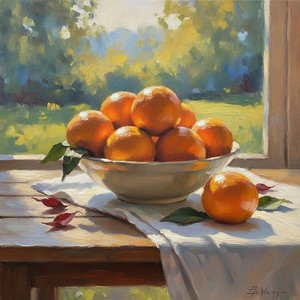
Sun-Drenched Citrus: The Vibrant Beauty of Oranges in Impressionist Masterpieces
Embark on a sensory journey through Impressionist masterpieces. Discover how Renoir and Cézanne captured the vibrant light and luscious textures of sun-drenched oranges in exquisite still life paintings designed to inspire and transform your home.

Chiaroscuro & Emotion: Capturing the Dramatic Soul of Baroque Art
Explore the profound drama of Baroque art. Discover how masters used chiaroscuro and intense emotion to capture the soul of the 17th century through light, shadow, and spiritual grandeur in this expert art history guide.

Decoding Baroque Grandeur: A Masterclass in Drama, Movement, and Emotion in 17th-Century Art
Explore the breathtaking drama of 17th-century Baroque art. Discover how masters used chiaroscuro, movement, and intense emotion to create timeless grandeur in this expert guide for fine art enthusiasts.