


 معاينة الحجم الواقعي
 إرسال
إرسال مشاركة
 عرض التفاصيل
 دليل الأعمال الفنية للطلاب

 تحميل
تحميل
 قطع مشابهة
 الأشعة السينية
 عرض شرائح متتابع
 الإحصائيات
نادěžدا
 أكريليك على كانفاس
- لوحات جدارية
- Critical Assemblage
 1997
1997 84.0 x 70.0 cm
 Research Institute of Communication in Art
لوبو كريستيك، رسام تشيكي ومؤلف أسلوب الهولوغرافي الإدراكي، يقدم لنا لوحة "نادěžدا" استكمالًا لعمله الفني المتميز، وتجسيدًا لمفهومه عن التناغم والصدع كمصدر للإبداع الجديد في عالم الفنون.
 اقرأ المزيد
اكتشف لوبو كريستيك (مواليد 1943)، النحات والرسام التشيكي الشهير بالتجميعات المفاهيمية، وفن الأداء، واستكشاف الضعف البشري والأخلاقيات الطبية والطبيعة. استكشف نظريته حول 'الإدراك الهولوغرافي'.
إن العمل الفني المعروض في هذه الصفحة محمي بموجب قوانين حقوق الطبع والنشر، مما يعني أنه لا يحق لنا قانوناً إنشاء أو بيع نسخ مطابقة له. وتُطبق هذه الحماية بموجب الاتفاقيات الدولية مثل الـ اتفاقية برن ووفقاً للقوانين الوطنية، بما في ذلك تلك المنصوص عليها في قانون حقوق الطبع والنشر في الولايات المتحدة - الباب 17.
تتوافق هذه الطريقة تماماً مع لوائح حقوق النشر لأنها لا تتضمن نسخ أو تكرار العمل الفني المحمي، بل هي إعادة تفسير إبداعية؛ أي أنها لوحة جديدة مستوحاة من الأصل ولكنها ليست مطابقة له.
طباعة جيلي / مطبوعات فنية
طباعة جيكلي أو كانفاس بجودة المتاحف، مع سرعة في التنفيذ وخيارات متنوعة للتشطيب. ( اطلب نسخة مرسومة يدويًا التحويل إلى الصورة الرقمية)




P118B E£10

P118H E£10

P118W E£10

P438Z E£10

P508JH E£12

P508YH E£12

P805H E£10

P805Z E£10

P919BZ E£10

P919G E£10

P919XJ E£10

P959ZH E£10

P968JZ E£12

W106C E£8

W218G E£10

W218JH E£8

W218Y E£10

W307PJ E£10

W316G E£10

W316PJ E£8

W316Y E£10

W398PJ E£8

W4111J E£10

W500HY E£15

W500JH E£15

W692G E£12

W849H E£8

W940BG E£15

W953PJ E£8




مقاس قياسي
مخصص
CM
INCH
اختر من بين أحجامنا المُعدّة مسبقاً والتي تتوافق مع النسب الأصلية للعمل الفني.
Loading sizes...

العرض
الارتفاع
أدخل العرض والارتفاع اللذين تحتاجهما، ليتناسب مع إطارك أو جدارك. يمكن قص المطبوعة فقط، ولا يمكن أبداً جعلها أكبر من الصورة الأصلية، لذا فإن أي مقاس بشكل مختلف سيؤدي إلى فقدان جزء من الصورة. سنرسل لك نموذجاً رقمياً تجريبياً لاعتماده قبل البدء في عملية الطباعة. الصورة المعروضة في هذه الصفحة لا توضح القص الفعلي — النموذج التجريبي فقط هو ما يظهر ذلك.
توصيل عالمي إلى خلال أسبوعين بدلاً من المدة القياسية البالغة 4/5 أسابيع. (27 أكتوبر)

شحن سريع ومجاني لجميع أنحاء العالم

قماش كتان فاخر

تأمين شامل على الشحن

ضمان استرداد الرسوم الجمركية

ضمان دقة مطابقة الألوان

سياسة الإرجاع خلال 100 يوم (في حالات العيوب فقط)

ضمان استرداد نقدي بنسبة 100%

عرض خصم الكميات
 خيار الزجاج متاح فقط للمقاسات التي تقل عن 110 سم

نادěžدا
طباعة جيلي / مطبوعات فنية
مقاس النسخة المطبوعة
-


إجمالي السعر
E£ 3592
Naděžda: A Symphony of Discord and Renewal
Lubo Kristek’s “Naděžda” transcends mere visual representation; it embodies a profound philosophical concept rooted in the artist's own experiences and deeply intertwined with his formative years. Painted in 1997, this striking artwork captures a moment of dynamic tension between stillness and movement, mirroring Kristek’s groundbreaking theory of “holographic perception”—the belief that true creativity arises from embracing dissonance rather than striving for unattainable harmony.
The Composition: Landscape and Piano
The canvas depicts a serene hillside landscape bathed in soft light, punctuated by the presence of a piano. However, this idyllic vista is disrupted by a central figure – a man holding a violin – positioned before the instrument. This juxtaposition immediately establishes a visual dialogue between contemplation and active engagement, reflecting Kristek’s fascination with the interplay between observation and improvisation.
Musical Inspiration: The Chord of Memory
Kristek confessed that his mother's name, Naděžda, evoked in him an atonal musical chord consisting of nine tones. This chord wasn’t merely a melodic idea; it was a visceral sensation—a “sound” that demanded processing and threatened to overwhelm him if ignored. He brilliantly translated this internal experience into artistic form, utilizing the chord's structure as inspiration for his subsequent works, notably "Love in circulo vitioso in finito secondi milenii," demonstrating his commitment to exploring musical principles within visual art.
Symbolism of Bandages and Death’s Embrace
The artist’s own childhood struggles with allergies—annual bouts of debilitating illness accompanied by bandaging—served as a catalyst for contemplation on mortality and rebirth. The bandages depicted in the painting symbolize vulnerability, healing, and transformation – mirroring Kristek's belief that artistic breakthroughs often emerge from confronting limitations and embracing the cyclical nature of existence. The figure holding the violin embodies this duality: representing both illness (the bandage) and the potential for renewal.
Technique and Artistic Vision
Kristek’s masterful technique—characterized by bold brushstrokes and a vibrant palette—captures the essence of his artistic vision. He skillfully blends realism with abstraction, conveying not only the visual beauty of the landscape but also the intangible emotional resonance of memory and philosophical inquiry. “Naděžda” stands as a testament to Kristek's ability to transform personal experience into universal themes, inviting viewers to contemplate the profound connections between art, music, and human consciousness.
- Artist: Lubo Kristek
- Year: 1997
- Size: 84 x 70 cm
- Medium: Oil on Canvas
الأسئلة والأجوبة
ما هي الموضوعات التي تظهر في "نادěžدا" للفنان لوبو كريستيك؟
تتمثل موضوعات "نادěžدا" في musical harmony, childhood memory, death rebirth cycle, instrument sculpture, assemblage art, conceptual artwork, philosophical symbolism.
هل تسمح حقوق الطبع والنشر لـ "نادěžدا" للفنان لوبو كريستيك بإعادة الإنتاج؟
النسخة الأصلية من "نادěžدا" محفوظة في Research Institute of Communication in Art، والعمل يندرج ضمن لا تزال محمية بموجب حقوق الطبع والنشر.
هل تبدو ألوان "نادěžدا" قوية أم هادئة؟
تتميز شدة ألوان "نادěžدا" بأنها متوازن. وتصف الشدة مدى قوة ووضوح الألوان.
نبذة عن الفنان
رائد التجربة الغامرة: حياة وفن لوبو كريستيك
ولد لوبو كريستيك في مدينة برنو بجمهورية التشيك عام 1943، وبرز كصوت مؤثر وبارز في المشهد الفني الأوروبي لفترة ما بعد الحرب، متحدياً كل محاولات التصنيف التقليدية. بدأت رحلته الفنية خلال حقبة الستينيات المضطربة، وهي فترة كانت تعج بالتجارب والتشكيك في المعايير الراسخة. ومنذ البداية، أظهر كريستيك روحاً متمردة، رافضاً الانحباس داخل الوسائط أو الأساليب التقليدية؛ فلم يكن اهتمامه منصباً على مجرد ابتكار أشياء مادية، بل سعى إلى صياغة تجارب حية، مموهاً الحدود الفاصلة بين الفن والحياة ومشاركة الجمهور. هذا الميل المبكر لتحدي التقاليد أصبح السمة المميزة لمسيرته الحافلة، حيث ساهم المناخ السياسي في تشيكوسلوفاكيا آنذاك بلا شك في تغذية رغبته في الحرية الفنية، مما دفعه نحو استكشافات جريئة مفاهيمياً ومتمردة بذكاء.من فن التجميع إلى "الإدراك الهولوغرافي"
تتجذر أعمال كريستيك بشكل أساسي في فن التجميع (Assemblage)، وهو تقنية تعتمد على خلق أعمال فنية ثلاثية الأبعاد من أشياء متنوعة وموجودة مسبقاً. ومع ذلك، سرعان ما تجاوز الجوانب الشكلية البحتة لهذه الممارسة، ليضفي على تجميعاته طبقات عميقة من المعنى والنقد الاجتماعي. لم تكن منحوتاته مجرد مجموعات من المواد، بل كانت دراسات نقدية لهشاشة الإنسان، وأخلاقيات الطب، وعلاقتنا المعقدة بالعالم الطبيعي. وقد جاءت لحظة مفصلية في تطوره الفني عند انتقاله إلى ألمانيا الغربية عام 1968، في أعقاب ربيع براغ، حيث عرضته هذه الخطوة لأفكار وتأثيرات جديدة، مما رسخ التزامه بالفن المفاهيمي والسريالية وفن الأداء. وخلال هذه الفترة، بدأ في صياغة نظريته الرائدة حول "الإدراك الهولوغرافي"؛ إذ آمن كريستيك بأن التأثير الفني الحقيقي لا يتحقق من خلال تجربة خطية واحدة، بل عبر التحفيز المتزامن للحواس والعواطف المتعددة. لقد تخيل الأعمال الفنية كبيئات متعددة الأوجه مصممة لخلق تجربة غامرة وشاملة للمشاهد، تشبه في جوهرها الهولوغرام الذي يحتوي على جميع الزوايا والمنظورات داخل بنيته الواحدة.الفعاليات، والافتتاحات الليلية، والتدخلات العامة
تجلت التطبيقات العملية لنظرية "الإدាង الهولوغرافي" لدى كريستيك بأقوى صورها في أعماله من نوع "الهابينينج" (Happenings) وافتتاحات المعارض الليلية. لم تكن هذه مجرد افتتاحيات فنية تقليدية، بل كانت أحداثاً مُنظمة بدقة تهدف إلى زعزعة التوقعات وإشراك الجمهور على مستوى حسي عميق. وغالباً ما كانت هذه التجمعات تقام ليلاً، مما أدى إلى تلاشي الخطوط الفاصلة بين الفنان والعمل الفني والمتفرج. ولم تتوقف تدخلات كريستيك عند جدران المعارض، بل امتدت لتغزو المساحات العامة؛ فنجد أعمالاً مثل "منزل كريستيك" في برنو — وهو مبنى تحول إلى تجميع معماري سريالي — تجسد التزامه بجعل الفن متاحاً وتحدي المفاهيم المستقرة عن المشهد الحضري. ومثال آخر لافت هو عمله الأدائي "نزهة مع ثعلب عصابي"، الذي واجه المحرمات المجتمعية المتعلقة بالموت والفناء، داعياً المشاهدين لمواجهة الحقائق المزعجة. كما قدم عمله "قداس للهواتف المحمولة" نقداً مؤثراً لاعتمادنا المتزايد على التكنولوجيا، مما دفع للتأمل في الثمن الإنساني لهذا الاتصال الدائم.الإرث والتأثير المستمر
إن مساهمات لوبو كريستيك في الفن المعاصر عميقة وبعيدة المدى؛ فهو لم يكتفِ بابتكار أعمال فنية، بل كان رائداً في طريقة تفكير جديدة حول التجربة الفنية. إن تركيزه على الانغماس والمشاركة ودمج الوسائط المتعددة قد ألهم أجيالاً من الفنانين العاملين في فن الأداء، وفن التجهيز، والنحت المفاهيمي. ورغم أن أعماله غالباً ما تتناول قضايا اجتماعية وأخلاقية معقدة، إلا أنها لا تبدو أبداً وعظية أو تعليمية؛ بل على العكس، يدعو كريستيك المشاهدين للتفاعل مع هذه الثيمات بشروطهم الخاصة، مما يعزز التفكير النقدي والرنين العاطفي. ويظل إرثه محفوظاً ليس فقط من خلال المتاحف والمجموعات التي تضم أعماله — بما في ذلك متحف "كونستسالون فرانكي شينك" في ألمانيا وكاتدرائية براغ في التشيك — ولكن أيضاً من خلال استمرار استكشاف أفكاره من قبل الفنانين والباحثين حول العالم. إن اكتشاف أعمال كريستيك، سواء عبر النسخ المطبوعة أو من خلال التجربة المباشرة، هو دعوة للخروج عن الحدود التقليدية واحتضان فهم أكثر شمولية وغماراً لقوة الفن. إن رؤيته لا تزال تلهم أولئك الذين يسعون لخلق تجارب تلامس الروح البشرية بعمق.
لوبو كريستيك
1943 - , جمهورية التشيك
لمحة سريعة
- Artistic Movement Or Style:
- الفن المفاهيمي
- السريالية
- فن الأداء
- Date Of Birth: 8 مايو 1943
- Full Name: لوبو كريستيك
- Nationality: تشيكي
- Notable Artworks:
- منزل كريستيك
- إغواء القديس أنطونيوس
- ...في عصر الاستنساخ المبكر
- Place Of Birth: برنو، جمهورية التشيك
مقالات ذات صلة

Bronze Sculptures That Defined Art History | TopImpressionists
Journey through art history with our Top 10 bronze sculptures! Explore masterpieces by Rodin, Michelangelo & more. Discover stories behind iconic statues and find museum-quality reproductions for your home decor at TopImpressionists.com.

The Enduring Form: Sculpture Across History, Technique & Emotional Resonance
Explore the rich history of sculpture with TopImpressionists. Discover key techniques, influential artists & investment potential for discerning collectors. Expert insights into valuing and collecting timeless masterpieces.

Bronze Age to Modern Masters: 10 Sculptures That Redefined Art | TopImpressionists
Journey through art history with 10 legendary bronze sculptures – from Michelangelo's David to Rodin’s Thinker. Explore the stories, techniques & timeless beauty of these masterpieces. Find museum-quality reproductions & elevate your home decor on TopImpressionists.com.
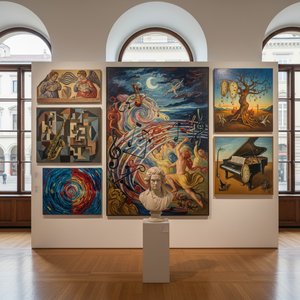
Harmonies on Canvas: Exploring the Visual Representation of Music in Art History
Explore the fascinating history of music's visual representation in art! From ancient symbolism to modern abstraction, discover how artists have captured sound and emotion on canvas. Expert insights & stunning examples.

The Enduring Form: Exploring Themes & Techniques in Sculpture Across Historical Periods
Explore the rich history of sculpture from ancient masterpieces to contemporary innovations. Discover key techniques, influential artists & investment potential for discerning art collectors.
استكشف الأعمال الفنية المصنفة حسب الموضوعات والأنماط والخصائص.


