
 معاينة الحجم الواقعي
 مشاركة
 مشاركة
 التفاصيل
 دليل
دليل

 تحميل الملف
 قطع مشابهة
 الأشعة السينية
 عرض شرائح
 الأسئلة والأجوبة
 الإحصائيات
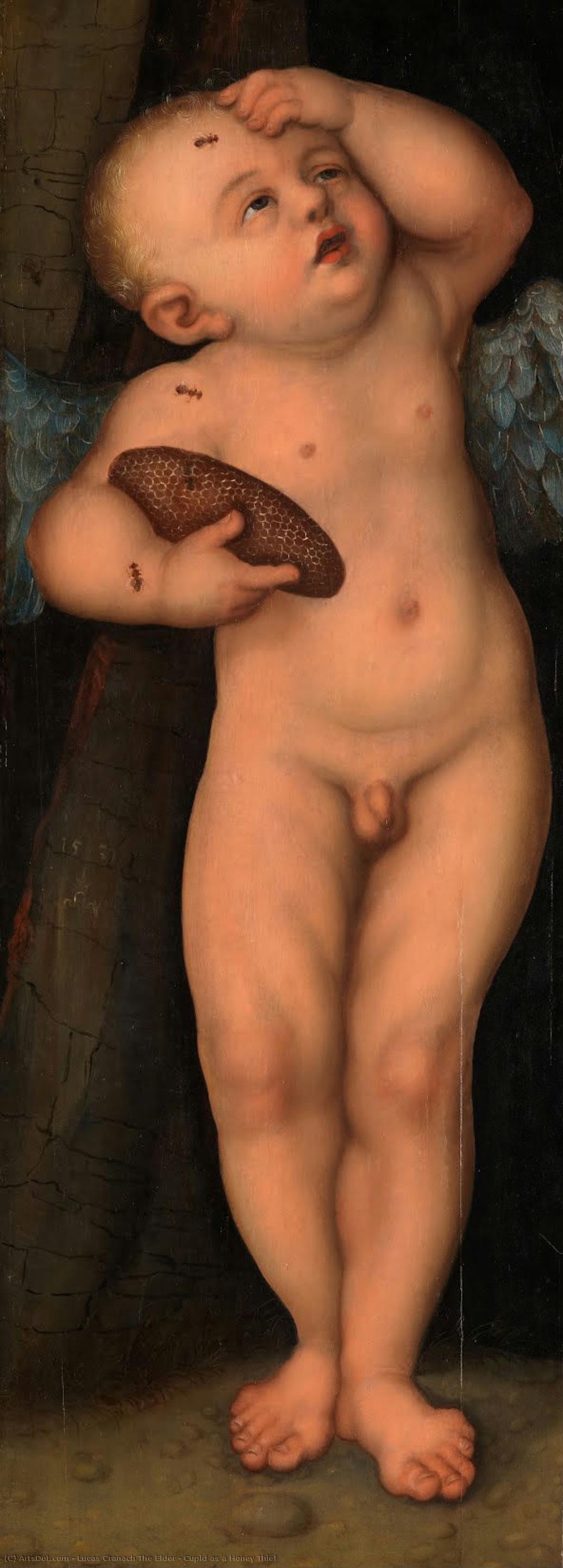
Cupid as a Honey Thief


Lucas Cranach the Elder’s "Cupid as a Honey Thief" (1531) captures a mischievous baby boy in a moment of discomfort, reflecting Renaissance psychological depth and playful subject matter. Explore this iconic German artwork and bring its timeless charm into your space.
 عرض المزيد
اكتشف عالم لوكاس كراناخ الأكبر، رائد عصر النهضة الألمانية! تشتهر أعماله بالصور البارزة، وفن الإصلاح الديني، ومشاهد الأساطير. استمتع بلمسة فنية خالدة!
طباعة جيلي / مطبوعات فنية
طباعة جيكلي أو كانفاس بجودة المتاحف، مع سرعة في التنفيذ وخيارات متنوعة للتشطيب. ( شراء لوحة مرسومة يدويًا الانتقال إلى الصورة الرقمية)




P118B E£10

P118H E£10

P118W E£10

P438Z E£10

P508JH E£12

P508YH E£12

P805H E£10

P805Z E£10

P919BZ E£10

P919G E£10

P919XJ E£10

P959ZH E£10

P968JZ E£12

W106C E£8

W218G E£10

W218JH E£8

W218Y E£10

W307PJ E£10

W316G E£10

W316PJ E£8

W316Y E£10

W398PJ E£8

W4111J E£10

W500HY E£15

W500JH E£15

W692G E£12

W849H E£8

W940BG E£15

W953PJ E£8




قياسي
حسب الطلب
CM
INCH
اختر من بين أحجامنا المُعدّة مسبقاً والتي تتوافق مع النسب الأصلية للعمل الفني.
Loading sizes...

العرض
الارتفاع
أدخل العرض والارتفاع المطلوبين ليتناسب المقاس مع إطارك أو جدارك. يرجى الملاحظة أن المطبوعة يمكن قصها فقط ولا يمكن تكبيرها لتتجاوز أبعاد الصورة الأصلية، لذا فإن اختيار مقاس بأبعاد مختلفة سيؤدي إلى فقدان جزء من الصورة. سنرسل لك نموذجاً رقمياً تجريبياً لاعتماده قبل البدء في عملية الطباعة. الصورة المعروضة في هذه الصفحة لا توضح شكل القص الفعلي — النموذج التجريبي فقط هو ما يظهر ذلك بدقة.
توصيل عالمي إلى خلال أسبوعين بدلاً من المدة القياسية البالغة 4/5 أسابيع. (7 نوفمبر)

شحن سريع ومجاني لجميع أنحاء العالم

قماش كتان عالي الجودة

تأمين شامل على الشحن

ضمان استرداد الرسوم الجمركية

ضمان مطابقة الألوان الحقيقية

سياسة الإرجاع خلال 100 يوم (في حالات العيوب فقط)

ضمان استرداد نقدي بنسبة 100%

خصم عند طلب كميات
 خيار الزجاج متاح فقط للمقاسات التي تقل عن 110 سم

Cupid as a Honey Thief
طباعة جيلي / مطبوعات فنية
مقاس النسخة المطبوعة
-


إجمالي السعر النهائي
E£ 3666
Lucas Cranach's "Cupid as a Honey Thief": A Portrait of Mischief and Reformation
Lucas Cranach the Elder’s “Cupid as a Honey Thief,” painted in 1531, is more than just a charming depiction of a baby; it’s a window into the tumultuous heart of the German Renaissance. This captivating work, currently residing at the Staatliche Kunsthalle Karlsruhe, reveals the artist's masterful ability to blend technical skill with profound psychological insight – qualities that cemented his place as a pivotal figure in the era’s artistic landscape.
The painting portrays a naked infant, seemingly caught in the act of pilfering a ball. The child’s expression is one of discomfort, a subtle yet powerful detail that elevates the image beyond simple representation. Cranach doesn't simply depict a baby; he captures a fleeting moment of youthful transgression, hinting at the inherent mischief and vulnerability within human nature. The loose handling of the drapery and the slightly blurred edges contribute to this sense of immediacy and spontaneity – hallmarks of Cranach’s evolving style.
Renaissance Symbolism and Courtly Patronage
Created during a period of intense religious and political change, “Cupid as a Honey Thief” reflects the anxieties and aspirations of its time. The Reformation was gaining momentum, challenging established Catholic doctrines, and Cranach’s work often navigated this complex terrain. The image of Cupid, traditionally associated with love and desire, is here transformed into a ‘thief,’ suggesting a disruption of order – perhaps mirroring the religious upheaval occurring across Europe.
Cranach's patronage primarily came from the court of Frederick III, Elector of Saxony, a relationship that provided him with both security and access to influential circles. This connection is evident in the painting’s refined execution and its adherence to Renaissance ideals of beauty and humanism. The use of rich pigments – reds, golds, and browns – reflects the opulence associated with courtly life, while the careful attention to detail demonstrates Cranach's mastery of oil paint, a medium he skillfully employed to achieve luminous effects.
Technique and Artistic Innovation
Cranach’s technique in “Cupid as a Honey Thief” is characterized by its remarkable realism combined with an expressive quality. He utilized sfumato – a subtle blurring of edges – to create a sense of depth and atmosphere, particularly noticeable in the rendering of the baby's face. The artist’s use of light and shadow further enhances the painting’s dramatic effect, drawing the viewer’s eye to the central figure.
Unlike some of his contemporaries who favored idealized representations, Cranach embraced a more naturalistic approach, evident in the infant’s slightly awkward pose and the realistic depiction of skin tones. This commitment to observation and detail was revolutionary for its time and contributed significantly to Cranach's enduring legacy as one of the most important artists of the German Renaissance.
Emotional Impact and Reproduction Possibilities
"Cupid as a Honey Thief" resonates with viewers on multiple levels, evoking feelings of nostalgia, amusement, and perhaps even a touch of guilt. The painting’s inherent vulnerability and innocence invite contemplation about childhood, temptation, and the complexities of human behavior. A hand-painted reproduction of this iconic work offers an unparalleled opportunity to bring this captivating image into your home or office – a testament to Cranach's genius and a timeless symbol of youthful mischief.
الأسئلة والأجوبة
ما هو اتجاه عرض "Cupid as a Honey Thief"؟
تأتي لوحة "Cupid as a Honey Thief" بتنسيق Tall، وهو أمر مفيد عند التخطيط لمكان وضع النسخة المطبعة.
كيف ترتبط حركة German Renaissance في عمل "Cupid as a Honey Thief" بالوطن الأم للفنان؟
تجسد لوحة "Cupid as a Honey Thief" الروابط بين حركة German Renaissance وألمانيا من خلال مسقط رأس مبدعها.
هل يمكنني معاينة "Cupid as a Honey Thief" للفنان لوكاس كراناخ الأكبر على جداري الخاص قبل الشراء؟
يمكنك معاينة "Cupid as a Honey Thief" للفنان لوكاس كراناخ الأكبر على جدارك الخاص عبر صفحة معاينة بتقنية الواقع المعزز الخاصة بالعمل الفني، وذلك باستخدام تقنية الواقع المعزز على جهاز متوافق.
السيرة الذاتية للفنان
سيد عصر النهضة في ساكسونيا: حياة وفن لوكاس كراناخ الأكبر
يبرز لوكاس كراناخ الأكبر، الذي ولد في كروناخ بألمانيا حوالي عام 1472، كشخصية محورية في عصر النهضة الألماني. لقد تشكلت مسيرة حياته خلال حقبة اتسمت باضطرابات دينية وسياسية هائلة، وأصبح فنه مرتبطًا ارتباطًا وثيقًا بكل من حركة الإصلاح البروتستانتي الناشئة والبلاطات الملكية الباذخة التي خدم فيها. بدأت رحلته الفنية تحت إشراف والده، هانس مالر، ورغم أن بداياته الفنية لا تزال محاطة بنوع من الغموض، إلا أن تأثيرات كبار أساتذة جنوب ألمانيا تبدو واضحة في أسلوبه المتطور. وسرعان ما تميز ليس فقط كحرفي ماهر، بل كفنان قادر على التقاط العمق النفسي جنبًا إلى جنب مع الدقة التقنية؛ وهي الصفات التي جذبت أنظار الرعاة الأقوياء قريبًا. وفي عام 1504، دخل في خدمة فريدريك الثالث، ناخب ساكسونيا، وهي العلاقة التي رسمت ملامح مسيرته المهنية ومنحته الاستقرار والقدرة على الوصول إلى الدوائر المؤثرة. ولم يكن تعيينه رسامًا للبلاط في فيتنبرغ مجرد وسيلة لإنتاج أعمال زخرفية، بل وضع كراناخ في قلب واحدة من أكثر الحركات تحولاً في التاريخ الأوروبي.الرعاية، والإصلاح، والابتكار الفني
أثبت موقع كراناخ داخل بلاط ساكسونيا أهميته القصوى، ليس فقط لتأمين عيشه، بل لتطوره الفني أيضًا؛ فلم يكن مجرد موثق للأحداث، بل كان يساهم بنشاط في صياغة السرديات البصرية خلال زمن التغيير العميق. ولعل أبرز إرثاته الخالدة هي علاقته الوثيقة بمارتن لوثر، الشخصية المركزية في حركة الإصلاح البروتستانتي؛ حيث أبدع كراناخ ما لا يقل عن إحدى عشرة لوحة شخصية للوثر، تقدم كل واحدة منها لمحة فريدة عن شخصية المصلح ودوره المتطور. ولم تكن هذه اللوحات مجرد صور للملامح، بل كانت صورًا صيغت بعناية لتعكس الهيبة والتقوى والقوة الفكرية، وهي صفات جوهرية لقائد يتحدى النظام الديني القائم. وإلى جانب فن البورتريه، ترجم كراناخ لاهوت الإصلاح إلى شكل بصري، منتجًا رسومات خشبية ولوحات نشرت الأفكار البروتستانتية على نطاق واسع. كما ابتعدت تصويراته للمشاهد الكتابية عن الأيقونات الكاثوليكية التقليدية، مؤكدة على التفاعل المباشر مع النصوص المقدسة وتعزيز علاقة أكثر شخصية بين المشاهد والإيمان. فعلى سبيل المثال، تشع لوحة بشارة يواكيم بروح مبهجة، مما يعكس التركيز الجديد على التقوى الفردية داخل الكنيسة المصلحة. ولم يتوقف هذا النهج الابتكاري عند الموضوعات الدينية فحسب؛ بل إن لوحات كراناخ الميثولوجية، مثل تصوير فينوس والشخصيات الكلاسيكية الأخرى، غالبًا ما حملت معانٍ رمزية ذات صلة بالقضايا السياسية والاجتماعية المعاصرة.سلالة الورشة: الأسلوب والتقنية
لم يكن لوكاس كراناخ الأكبر فنانًا منعزلًا يعمل في وحدة، بل أدار ورشة عمل منتجة للغاية، وظف فيها العديد من المساعدين والمتدربين الذين ساهموا بشكل كبير في نتاجه الفني. هذا النهج التعاوني يعني أن العديد من الأعمال المنسوبة إلى كراناخ قد أُنتجت في الواقع تحت إشرافه أو بواسطة أعضاء من دائرته، بما في ذلك ابنه لوكاس كراناخ الأصغر. وقد اشتهرت ورشة كراناخ بأسلوبها المميز: شخصيات أنيقة ذات نسب مستطيلة، وألوان نابضة بالحياة، واهتمام دقيق بالتفاصيل. تضمنت تقنيته مزيجًا من الرسم الزيتي، والحفر على الخشب، والنقش، مما سمح له بالوصامل إلى جمهور عريض من خلال الأعمال الأصلية والمطبوعات ميسورة التكلفة على حد سواء. وتجسد لوحة صيد الأيائل للناخب فريدريك الثالث الحكيم براعته في أسلوب عصر النهضة الشمالي، حيث تعرض واقعية مفصلة إلى جانب الرمزية النبيلة؛ فالتكوين ديناميكي، يجسد طاقة الصيد بينما ينقل في الوقت نفسه قوة ومكانة الناخب. كما يخلق استخدام كراناخ للضوء والظل شعورًا بالعمق والأجواء، مما يجذب المشاهد إلى قلب المشهد، وتأتي لوحاته الشخصية بنفس القدر من الجاذبية، متميزة برؤيتها النفسية وتنفيذها الرفيع.الإرث والتأثير المستمر
توفي لوكاس كراناخ الأكبر في عام 1553، تاركًا وراءه إرثًا فنيًا استثنائيًا لا يزال يتردد صداه حتى اليوم. لقد كان سيدًا في فن البورتريه، ومفسرًا ماهرًا للموضوعات الدينية، ورجل أعمال داهية أدرك قوة التواصل البصري. إن عمله لا يعكس التيارات الثقافية والفكرية لعصره فحسب، بل ساعد أيضًا في تشكيلها. وقد استمرت ورشة كراناخ في الازدهار بعد وفاته، مما ضمن استمرار أسلوبه وتقنياته لأجيال متعاقبة. ويمكن رؤية تأثيره في أعمال العديد من الفنانين اللاحقين، ولا تزال لوحاته محل طلب كبير من قبل المقتنين والمتاحف في جميع أنحاء العالم. فمن الصور الأيقونية لمارتن لوثر إلى المشاهد الميثولوجية الساحرة، يقدم فن كراناخ نافذة رائعة على عالم عصر النهضة الألماني؛ ذلك العالم الذي اتسم بالتساؤلات الروحية العميقة والابتكار الفني في آن واحد. إن قدرته على مزج الحماس الديني بالدهاء السياسي والموهبة الفنية قد رسخت مكانته كواحد من أهم فناني عصره، وتظل مساهماته مصدر إلهام وإبهار للجمهور عبر القرون.
لوكاس كراناخ الأكبر
1472 - 1553 , ألمانيا
حقائق سريعة
- Artistic Movement Or Style: الرينيسانس الألماني
- Artists Who Influenced This Artist: ['إلياهوت ديرر']
- Date Of Birth: 1472
- Date Of Death: 1553
- Full Name: Lucas Cranach الأكبر
- Nationality: ألماني
- Notable Artworks:
- الصيد الملكي لـ فريدريك الثالث الحكيم
- البطل ذاتي الإشارة
- الإعلان إلى يوهان كاسبيان
- Place Of Birth: كروناخ، ألمانيا
مقالات ذات صلة

TopImpressionists.com F.A.Q.: Discover the Vibrant Beauty of Our Premium Art Poster Prints
Explore the technical excellence of TopImpressionists.com's premium art poster prints. Discover how our 12-color pigment system and archival inks capture the luminous beauty of Impressionist masterpieces with unmatched color fidelity and museum-grade durability for the discerning collector.
استكشف الأعمال الفنية المصنفة حسب الموضوعات والأنماط والخصائص.


