


 معاينة الحجم الواقعي
 إرسال
إرسال مشاركة
 عرض التفاصيل
 دليل الأعمال الفنية للطلاب

 تحميل
تحميل
 قطع مشابهة
 الأشعة السينية
 عرض شرائح متتابع
 الإحصائيات
Carnival in Arcueil


Lyonel Feininger's "Carnival in Arcueil" (1911) bursts with Expressionist energy! Witness vibrant colors, dynamic figures, and a captivating Parisian carnival scene – a masterpiece by a pioneering artist.
 اقرأ المزيد
اكتشف ليونيل فاينينجر (1871-1956)، الرسام التعبيري الألماني الأمريكي وأستاذ الباوهاوس. استكشف أسلوبه الفريد الذي يمزج بين التكعيبية، وجماليات الزجاج المعشق، والموضوعات المعمارية.
طباعة جيلي / مطبوعات فنية
طباعة جيكلي أو كانفاس بجودة المتاحف، مع سرعة في التنفيذ وخيارات متنوعة للتشطيب. ( اطلب نسخة مرسومة يدويًا التحويل إلى الصورة الرقمية)




P118B E£10

P118H E£10

P118W E£10

P438Z E£10

P508JH E£12

P508YH E£12

P805H E£10

P805Z E£10

P919BZ E£10

P919G E£10

P919XJ E£10

P959ZH E£10

P968JZ E£12

W106C E£8

W218G E£10

W218JH E£8

W218Y E£10

W307PJ E£10

W316G E£10

W316PJ E£8

W316Y E£10

W398PJ E£8

W4111J E£10

W500HY E£15

W500JH E£15

W692G E£12

W849H E£8

W940BG E£15

W953PJ E£8




مقاس قياسي
مخصص
CM
INCH
اختر من بين أحجامنا المُعدّة مسبقاً والتي تتوافق مع النسب الأصلية للعمل الفني.
Loading sizes...

العرض
الارتفاع
أدخل العرض والارتفاع اللذين تحتاجهما، ليتناسب مع إطارك أو جدارك. يمكن قص المطبوعة فقط، ولا يمكن أبداً جعلها أكبر من الصورة الأصلية، لذا فإن أي مقاس بشكل مختلف سيؤدي إلى فقدان جزء من الصورة. سنرسل لك نموذجاً رقمياً تجريبياً لاعتماده قبل البدء في عملية الطباعة. الصورة المعروضة في هذه الصفحة لا توضح القص الفعلي — النموذج التجريبي فقط هو ما يظهر ذلك.
توصيل عالمي إلى خلال أسبوعين بدلاً من المدة القياسية البالغة 4/5 أسابيع. (20 أكتوبر)

شحن سريع ومجاني لجميع أنحاء العالم

قماش كتان فاخر

تأمين شامل على الشحن

ضمان استرداد الرسوم الجمركية

ضمان دقة مطابقة الألوان

سياسة الإرجاع خلال 100 يوم (في حالات العيوب فقط)

ضمان استرداد نقدي بنسبة 100%

عرض خصم الكميات
 خيار الزجاج متاح فقط للمقاسات التي تقل عن 110 سم

Carnival in Arcueil
طباعة جيلي / مطبوعات فنية
مقاس النسخة المطبوعة
-


إجمالي السعر
E£ 3583
A Burst of Joy: Lyonel Feininger’s “Carnival in Arcueil”
Lyonel Feininger's "Carnival in Arcueil," painted in 1911, isn’t merely a depiction of a festive street scene; it’s a vibrant distillation of Expressionist energy and a testament to the artist’s unique ability to imbue everyday life with an extraordinary sense of movement and emotion. Housed within the Art Institute of Chicago, this oil on canvas transports us to the heart of a Parisian carnival, capturing not just the visual spectacle but also the palpable excitement and slightly surreal atmosphere that defines the moment. Feininger, a German-American painter deeply rooted in both European artistic traditions and American popular culture, masterfully blends elements of Cubism with the passionate intensity of Expressionism, creating an image that is both familiar and strikingly original.
The painting immediately draws the eye to its central figure: a man in black, balancing precariously on one leg while juggling three balls. This dynamic pose isn’t simply illustrative; it embodies the spirit of the carnival itself – a celebration of skill, daring, and joyful abandon. Surrounding him is a throng of figures, rendered with a remarkable degree of detail despite the overall impression of movement. They are not portraits in the traditional sense, but rather archetypes of carnival revelers—a mix of faces, costumes, and gestures that collectively contribute to the painting’s lively energy. The artist's use of color is particularly noteworthy; bold yellows, reds, blues, and greens dominate the palette, creating a dazzling visual effect that mirrors the vibrancy of the event itself.
The Architectural Backdrop: Bridges and Parisian Identity
Beyond the figures, it’s crucial to consider the setting – two prominent bridges that frame the scene. These aren't merely architectural elements; they are integral to the painting’s narrative. Arcueil, a town just south of Paris, was a frequent subject for Feininger, and these bridges became recurring motifs in his work. They represent not only the physical connection between different parts of the city but also a sense of Parisian identity—a blend of urban dynamism and historical heritage. The bridges’ solid forms provide a grounding element to the swirling chaos of the carnival, anchoring the scene within a recognizable, yet subtly stylized, reality.
Feininger's fascination with architecture is evident throughout his oeuvre, reflecting a broader interest in geometric form and spatial relationships. He often depicted buildings not as static objects but as dynamic forces shaping the urban landscape. In “Carnival in Arcueil,” the bridges serve as both structural supports and visual anchors, guiding the viewer’s eye through the composition and contributing to the painting's overall sense of depth and movement.
Expressionist Techniques: Color, Form, and Emotion
The painting’s distinctive style is firmly rooted in Expressionism—a movement that sought to convey subjective emotions rather than objective reality. Feininger achieves this through a number of key techniques. His use of flattened perspective and fragmented forms creates a sense of disorientation and immediacy, as if the viewer is swept up in the carnival's frenetic energy. The colors are applied with thick impasto—a technique that adds texture and physicality to the surface of the canvas—further enhancing the painting’s emotional impact.
Furthermore, Feininger employs a masterful use of color theory. He utilizes contrasting hues to heighten visual interest and create a sense of dynamism. The vibrant yellows and reds of the carnival scene are juxtaposed with cooler blues and greens in the background, generating a powerful visual tension. This interplay of colors not only captures the sensory experience of the carnival but also reflects the artist’s own emotional response to it—a mixture of excitement, wonder, and perhaps even a touch of melancholy.
A Legacy of Modernity: Feininger's Place in Art History
“Carnival in Arcueil” stands as a pivotal work in Lyonel Feininger’s career and a significant example of early 20th-century art. His exploration of urban life, combined with his innovative use of color and form, foreshadowed many of the developments that would characterize modernism. The painting's influence can be seen in the works of later Expressionist artists such as Max Beckmann and Emil Nolde, while its stylistic elements also resonate with the Cubist explorations of Picasso and Braque.
Today, “Carnival in Arcueil” continues to captivate viewers with its vibrant energy and emotional depth. It’s a reminder of the power of art to capture not just what we see but also what we feel—a celebration of joy, movement, and the enduring spirit of human connection.
الأسئلة والأجوبة
ما هو الحجم المقترح لـ "Carnival in Arcueil" في Living Room؟
بالنسبة لـ Living Room، فإن حجم الطباعة الموصى به لعمل "Carnival in Arcueil" للفنان ليونيل فاينينجر هو Medium.
هل تُعد "Carnival in Arcueil" نموذجاً لما اعتاد ليونيل فاينينجر على إبداعه عادةً؟
يصور "Carnival in Arcueil" موضوعات carnival, arcueil, feininger, expressionism, bridge, figures, joy, celebration، بينما تتمثل الثيمات المسجلة لـ ليونيل فاينينجر في german expressionism, vibrant colors, post-impressionist, architectural focus, urban life, festive scenes, feininger's exploration of joy, bridging art and caricature. وتُظهر المقارنة بينهما مدى ارتباط هذا العمل بالموضوعات المعتادة للفنان.
ما هو الموضوع والأجواء التي يجمع بينها "Carnival in Arcueil" للفنان ليونيل فاينينجر؟
تُصور "Carnival in Arcueil" للفنان ليونيل فاينينجر موضوعات carnival, arcueil, feininger, expressionism, bridge, figures, joy, celebration، في أجواء Dramatic. ويصف الموضوع والأجواء معاً هذا العمل الفني.
نبذة عن الفنان
البدايات والمسيرة المهنية: من فن الكاريكاتير إلى الفن التشكيلي
- الميلاد والعائلة: ولد ليونيل تشارلز أدريان فاينينجر في 17 يوليو 1871 بمدينة نيويورك. وقد لعبت خلفيته العائلية دوراً جوهرياً في صياغة وجدانه الفني، حيث كان والده كارل فاينينجر عازف كمان وملحناً ألمانياً أمريكياً، بينما كانت والدته إليزابيث فاينينجر مغنية أمريكية، مما جعل الفن محيطاً طبيعياً نشأ فيه.
- التعليم المبكر والرحلات الأوروبية: في عام 1887، وفي سن السادسة عشرة، شدّ فاينينجر الرحال إلى أوروبا بهدف دراسة الموسيقى، لكن شغفه سرعان ما انحرف نحو عالم الرسم، حيث عكف على دراسة فن الرسم في مدينتي هامبورغ وبرلين.
- المسيرة في الفن التجاري: منذ عام 1894، استطاع فاينينجر بناء مسيرة مهنية ناجحة كرسام كاريكاتير لمختلف المجلات الألمانية والفرنسية والأمريكية. وقد حققت قصصه المصورة، مثل "The Kin-der-Kids" و"Wee Willie Winkie's World"، شعبية هائلة، مبرزةً أسلوبه الغرافيكي الفريد.
- التحول إلى الفن التشكيلي: بعد مسيرة دامت عشرين عاماً في مجال الفن التجاري، قرر فاينينجر الانتقال إلى عالم الفنون الجميلة وهو في سن السادسة والثلاثين، مما شكل نقطة تحول مفصلية في رحلته الإبداعية.
التعبيرية وتأثير مدرسة الباوهاوس
- الانضمام إلى الجماعات التعبيرية: برز فاينينجر كأحد الرواد في الحركة التعبيرية، حيث انضم إلى مجموعات فنية مؤثرة مثل "Die Brücke" و"Novembergruppe" و"Gruppe 1919". وقد عكست أعماله خلال هذه الحقبة تركيز الحركة على التعبير العاطفي والخبرة الذاتية.
- المعرض الفردي الأول: مثّل معرضه الفردي الأول في معرض "Sturm" ببرلين عام 1917 لحظة محورية، حيث رسخت مكانته كشخصية مرموقة في عالم الفن.
- أستاذ في مدرسة الباوهاوس: في عام 1919، عيّنه والتر غروبيوس كأول عضو في هيئة التدريس بمدرسة "الباوهاوس"، تلك المدرسة الرائدة في الفن والتصميم. وقد تولى دور الفنان المسؤول عن ورشة الطباعة، تاركاً بصمة عميقة في نفوس العديد من طلابه.
- الأسلوب الفني: تميزت أعماله بالأشكال المنكسرة كالموشور، والألوان الشفافة، والإشارات إلى العمارة والبحر، مما جعل أسلوبه يتماشى مع تيارات الحداثة الكلاسيكية.
الأعمال الكبرى والتطور الفني
- اللوحات البحرية المبكرة: خلال عطلاته الصيفية في جزيرة أوزدوم (1909-1918)، أبدع فاينينجر العديد من اللوحات البحرية التي تصور بحر البلطيق، مستعرضاً من خلالها تطور أسلوبه الفني.
- أعمال بارزة: تضم قائمة أعماله الهامة لوحة "Werder I" (ألوان مائية)، و"Gaberndorf II" (ورق)، و"Boats" (تكعيبية، زيت على قماش). وتجسد هذه القطع مزيجه الفريد بين التقنيات التعبيرية والموضوعات المعمارية.
- الأعمال الفوتوغرافية: في الفترة ما بين عام 1928 ومنتصف الخمسينيات، أنتج فاينينجر مجموعة غنية من الأعمال الفوتوغرافية، مما أثبت قدرته الفائقة على التنوع كفنان.
- المؤلفات الموسيقية: لم يقتصر إبداعه على الرسم، بل ألف أيضاً عدة مقطوعات لآلة البيانو وفوجات للأرغن، كاشفاً عن وجه آخر من مواهبه الفنية.
السنوات الأخيرة والإرث الخالد
- الهجرة إلى الولايات المتحدة: نتيجة لصعود الحزب النازي في عام 1933، اضطر فاينينجر للهجرة إلى الولايات المتحدة برفقة زوجته.
- استمرار الممارسة الفنية: واصل شغفه بالرسم والإبداع طوال حياته، محافظاً على أسلوبه المتفرد والمنفرد.
- الرحيل والتقدير: رحل ليونيل فاينينجر عن عالمنا في 13 يناير 1956، تاركاً وراءه أثراً لا يمحى في تاريخ الفن، ملهماً الفنانين والمتذوقين بمزيجه الاستثنائي من التعبيرية، والتجريب الغرافيكي، والموضوعات المعمارية.
- الأهمية التاريخية: بصفته شخصية محورية في كل من الحركة التعبيرية وحركة الباوهاوس، ساهمت إسهامات فاينينجر بشكل كبير في تشكيل مسار الفن الحديث، ولا يزال استخدامه المبتكر للون والشكل والمنظور يتردد صداه لدى الجمهور حتى يومنا هذا.

ليونيل فاينينجر
1871 - 1956 , الولايات المتحدة الأمريكية
لمحة سريعة
- أعمال فنية بارزة:
- ويردر I (ألوان مائية)
- غابيرندورف II (ورق)
- قوارب (زيت على قماش)
- الاسم الكامل: ليونيل تشارلز أدريان فاينينجر
- الجنسية: ألماني أمريكي
- الحركة الفنية أو الأسلوب: التعبيرية، التكعيبية
- تاريخ الميلاد: 17 يوليو 1871
- تاريخ الوفاة: 13 يناير 1956
- فنانون أو حركات تأثرت بهذا الفنان:
- حركة الباوهاوس
- لودفيج هيرشفيلد ماك
- مكان الميلاد: مدينة نيويورك، الولايات المتحدة الأمريكية
مقالات ذات صلة
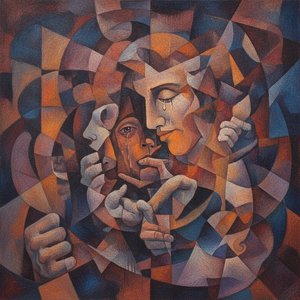
Beyond the Surface: Exploring the Emotional Depth of Cubist Expressionism
Discover the profound emotional resonance within Cubist Expressionism. Explore how fragmented forms and geometric abstraction convey deep human feeling through an expert art-historical lens for the discerning collector.