


 معاينة الحجم الواقعي
 إرسال
إرسال مشاركة
 عرض التفاصيل
 دليل الأعمال الفنية للطلاب

 تحميل
تحميل
 قطع مشابهة
 الأشعة السينية
 عرض شرائح متتابع
 الإحصائيات
Tree of Jesse
 Acrylic On Canvas
- WallArt
- Surrealist Dreamscape
 1975
1975 130.0 x 81.0 cm
 اقرأ المزيد
مارك شاغال، فنان روسي-فرنسي رائد، اشتهر بلوحاته الحالمة المستوحاة من الفلكلور اليهودي وأعمال الزجاج الملون الرائعة. اكتشف عالم الألوان والذكريات الذي صاغه هذا الفنان العظيم!
إن العمل الفني المعروض في هذه الصفحة محمي بموجب قوانين حقوق الطبع والنشر، مما يعني أنه لا يحق لنا قانوناً إنشاء أو بيع نسخ مطابقة له. وتُطبق هذه الحماية بموجب الاتفاقيات الدولية مثل الـ اتفاقية برن ووفقاً للقوانين الوطنية، بما في ذلك تلك المنصوص عليها في قانون حقوق الطبع والنشر في الولايات المتحدة - الباب 17.
تتوافق هذه الطريقة تماماً مع لوائح حقوق النشر لأنها لا تتضمن نسخ أو تكرار العمل الفني المحمي، بل هي إعادة تفسير إبداعية؛ أي أنها لوحة جديدة مستوحاة من الأصل ولكنها ليست مطابقة له.
طباعة جيلي / مطبوعات فنية
طباعة جيكلي أو كانفاس بجودة المتاحف، مع سرعة في التنفيذ وخيارات متنوعة للتشطيب. ( اطلب نسخة مرسومة يدويًا التحويل إلى الصورة الرقمية)




P118B E£10

P118H E£10

P118W E£10

P438Z E£10

P508JH E£12

P508YH E£12

P805H E£10

P805Z E£10

P919BZ E£10

P919G E£10

P919XJ E£10

P959ZH E£10

P968JZ E£12

W106C E£8

W218G E£10

W218JH E£8

W218Y E£10

W307PJ E£10

W316G E£10

W316PJ E£8

W316Y E£10

W398PJ E£8

W4111J E£10

W500HY E£15

W500JH E£15

W692G E£12

W849H E£8

W940BG E£15

W953PJ E£8




مقاس قياسي
مخصص
CM
INCH
اختر من بين أحجامنا المُعدّة مسبقاً والتي تتوافق مع النسب الأصلية للعمل الفني.
Loading sizes...

العرض
الارتفاع
أدخل العرض والارتفاع اللذين تحتاجهما، ليتناسب مع إطارك أو جدارك. يمكن قص المطبوعة فقط، ولا يمكن أبداً جعلها أكبر من الصورة الأصلية، لذا فإن أي مقاس بشكل مختلف سيؤدي إلى فقدان جزء من الصورة. سنرسل لك نموذجاً رقمياً تجريبياً لاعتماده قبل البدء في عملية الطباعة. الصورة المعروضة في هذه الصفحة لا توضح القص الفعلي — النموذج التجريبي فقط هو ما يظهر ذلك.
توصيل عالمي إلى خلال أسبوعين بدلاً من المدة القياسية البالغة 4/5 أسابيع. (24 أكتوبر)

شحن سريع ومجاني لجميع أنحاء العالم

قماش كتان فاخر

تأمين شامل على الشحن

ضمان استرداد الرسوم الجمركية

ضمان دقة مطابقة الألوان

سياسة الإرجاع خلال 100 يوم (في حالات العيوب فقط)

ضمان استرداد نقدي بنسبة 100%

عرض خصم الكميات
 خيار الزجاج متاح فقط للمقاسات التي تقل عن 110 سم

Tree of Jesse
طباعة جيلي / مطبوعات فنية
مقاس النسخة المطبوعة
-


إجمالي السعر
E£ 3566
A Tapestry of Memory and Myth: Exploring Marc Chagall’s “Tree of Jesse”
The painting "Tree of Jesse," created in 1975 by the celebrated Belarusian-born artist Marc Chagall, stands as a testament to his singular artistic vision—a mesmerizing blend of dreamlike imagery and deeply rooted Jewish tradition. More than just a depiction of a tree, it’s an embodiment of biblical narrative transformed into a vibrant visual experience that continues to resonate with audiences today. This monumental canvas, measuring 130 x 81 cm, captures Chagall's characteristic style: fantastical figures interwoven within landscapes imbued with luminous color and expressive brushstrokes.Style and Technique: The Language of Surrealism
Chagall’s approach defies easy categorization, firmly establishing him as a pioneer of surrealist art while simultaneously retaining elements of his formative influences—particularly Vitebsk folklore and Jewish mysticism. He eschewed strict realism, prioritizing instead the conveyance of emotion and subconscious thought. Thick impasto – applying paint thickly onto the canvas – dominates the technique, creating palpable textural surfaces that mirror the swirling movement of Chagall’s imagination. The artist employed a palette dominated by blues and yellows, colors frequently associated with spirituality and transcendence, skillfully layering hues to achieve an ethereal glow. These bold choices contribute significantly to the painting's dreamlike atmosphere.Historical Context: Vitebsk and the Echoes of Tradition
Born Moishe Shagal in 1907, Chagall’s artistic journey began amidst the cultural crossroads of Vitebsk—a town steeped in Orthodox Jewish heritage and Russian influence. This formative environment profoundly shaped his worldview and subsequently permeated his artwork. The painting reflects a broader preoccupation with biblical themes – specifically the genealogy of Jesse, recounting the lineage leading to Jesus Christ – but Chagall reimagines this narrative through a lens of personal symbolism. Recurring motifs like flying figures—a hallmark of Chagall’s oeuvre—represent aspiration and spiritual liberation, mirroring Vitebsk's dynamic cultural landscape where Jewish traditions intersected with secular modernity.Symbolism: Roots and Branches of Faith
The central tree itself is laden with symbolic significance. Representing the lineage of David and Solomon – figures revered in Judaism – it symbolizes continuity, resilience, and divine providence. The vibrant colors adorning its branches—red for passion, green for life, yellow for enlightenment, and pink for tenderness—further amplify this message. Scattered throughout the composition are human figures engaged in various activities, symbolizing humanity’s connection to God and to each other. Notably, a ladder ascends from the base of the tree, representing aspiration towards heaven and spiritual ascension – a motif frequently found in Jewish iconography.Emotional Impact: A Window into Chagall's Soul
“Tree of Jesse” transcends mere visual representation; it invites contemplation and evokes profound emotional responses. The painting’s luminous colors and fluid brushstrokes convey a sense of wonder and nostalgia, transporting viewers back to Chagall’s Vitebsk—a place where memory and imagination intertwined seamlessly. It speaks to the enduring power of faith, tradition, and artistic vision. A reproduction of this masterpiece offers not only aesthetic pleasure but also access to the artist's deeply felt spiritual convictions – a captivating glimpse into the soul of one of the 20th century’s most influential figures.الأسئلة والأجوبة
إلى أي مرحلة من مسيرة مارك شاغال المهنية تنتمي لوحة "Tree of Jesse"، بالنظر إلى تاريخ إنتاجها؟
تعد لوحة "Tree of Jesse"، التي أُبدعت في عام 1975، من أعمال حقبة Mature Surrealism في مسيرة مارك شاغال الفنية.
ما هي الأسماء المستعارة أو الأسماء الأخرى التي يُعرف بها مارك شاغال؟
تشمل الأسماء الأخرى المسجلة لـ مارك شاغال، مبدع "Tree of Jesse"، كلاً من موشيه شاغال, مارك زاكاروفيتش شاغال, مارك شاغال (الاسم الكامل).
هل يتوفر "Tree of Jesse" كنسخة مطبوعة فنية فاخرة؟
للحصول على نسخة مطبوعة من "Tree of Jesse" للفنان مارك شاغال، ما عليك سوى طلبها عبر صفحة مطبوعة فنية فاخرة الخاصة بها: مطبوعة فنية فاخرة على قماش قطني أو ورق كانفاس أرشيفي.
نبذة عن الفنان
مارك شاغال: شاعر الألوان وحالم الواقع
في قلب مدينة فيتيبسك الصغيرة، الواقعة على أراضي بيلاروسيا الحديثة، وُلد مارك شاغال عام 1887، ليكون أكثر من مجرد رسام؛ بل كان شاعراً بالألوان، ونساجاً للأحلام، ومؤرخاً للذكريات. امتدت حياته، التي تجاوزت القرن الواحد، لتشمل تيارات العصر العشرين المضطربة، لكن فنه ظل راسخاً في رؤية شخصية عميقة، متأثرة بأساطير تربيته اليهودية الهاسيدية وإيمانه الراسخ بقوة الخيال. لم تكن فيتيبسك مجرد مكان ولادة؛ بل أصبحت النواة العاطفية لكونه الفني، وهي نمط متكرر يسكنه شخصيات طائرة وحيوانات غريبة الأطوار وألوان المشاهد المحفوظة في الذاكرة. لقد شكلت المدينة مزيجاً فريداً من الثقافات - الكنائس الأرثوذكسية الروسية إلى جانب الأسواق اليهودية الصاخبة - حساسية جمالية تحدت التصنيف السهل طوال مسيرته المهنية الطويلة. على الرغم من سعيه للحصول على تدريب رسمي أولاً مع رسام لافتات محلي ثم في سانت بطرسبرغ تحت إشراف ليون باكست، وفي وقت لاحق في باريس في أكاديمية غراند شوميير، لم يتبنَّ شاغال أبدًا أي حركة فنية واحدة. لقد امتص عناصر من التكعيبية والرمزية والفوفية، لكنه دائمًا ما صفاها من خلال عدسته الشخصية المكثفة، مما خلق أسلوبًا كان فريدًا ولا يمكن السيطرة عليه.تشكيل لغة بصرية فريدة
أظهرت أعمال شاغال المبكرة بالفعل اللغة المميزة التي سيطورها. لوحات مثل *أنا والقرية* (1911) ليست مجرد تصوير للمكان؛ إنها استكشافات للهوية والذاكرة والعلاقة بين الفرد والمجتمع. القرية لا يتم تصويرها بشكل واقعي ولكن كجمع متقطع من الذكريات، مشحونة بمعنى رمزي. أصبحت هذه القدرة على تحويل التجربة الشخصية إلى موضوعات عالمية سمة مميزة لفنه. كانت لوحاته جريئة ومعبرة، وغالبًا ما تستخدم ألوانًا نابضة بالحياة وغير طبيعية لنقل المشاعر بدلاً من التمثيل الحرفي. تتراقص الشخصيات وتطفو عبر اللوحة، متحدية الجاذبية والمنطق، مما يخلق جوًا حالمًا يدعو المشاهدين إلى عالمه الداخلي. لم يكن هذا الأسلوب صدفة؛ لقد نشأ من الرغبة في تجاوز مجرد تقليد الواقع والتقاط جوهر الشعور ووزن الذاكرة وقوة الفولكلور.حياة بين العوالم: باريس، نيويورك، وما وراء ذلك
في نهاية المطاف، غادر شاغال روسيا واستقر في فرنسا عام 1923. وقد شكل هذا بداية فترة من الاعتراف الدولي والإبداع المنتج. تُظهر الأعمال مثل *فوق فيتيبسك* (1920-1922) استمرارًا لالتزامه بذكريات طفولته، بينما تكشف اللوحات المستوحاة من القصص الكتابية - مثل *حلم يعقوب* - عن اهتمام متزايد بالمواضيع الدينية. كان اندلاع الحرب العالمية الثانية بمثابة صدمة قوية أجبرته على الفرار من فرنسا المحتلة إلى الولايات المتحدة، حيث قضى سبع سنوات في مدينة نيويورك. تميزت هذه الفترة بتقلبات عاطفية عميقة وتجارب فنية. وجد العزاء في فنه، وخلق أعمالاً قوية تعكس القلق وعدم اليقين في ذلك الوقت. *الصليب الأبيض* (1938)، وهو تصوير مؤلم للمعاناة والاضطهاد، يقف كشهادة على هذه الحقبة. بعد الحرب، عاد شاغال إلى فرنسا، حيث واصل الرسم والإبداع حتى وفاته عام 1985 عن عمر يناهز 97 عامًا.إرث وتأثير دائم
في سنواته الأخيرة، تلقى مارك شاغال العديد من المفوضيات المرموقة، بما في ذلك سقف دار الأوبرا الباريسية (1964)، وهو انفجار مذهل من الألوان والأشكال احتفل بتحف فنية موسيقية، ونوافذ زجاجية ملونة رائعة لسينما جامعة هاداسا العبرية في القدس. سمحت له هذه المشاريع واسعة النطاق بترجمة رؤيته الفنية إلى مساحات معمارية، مما يخلق بيئات غامرة لا تزال تلهم الرهبة والدهشة. التأثير الذي أحدثه شاغال على الأجيال القادمة من الفنانين لا يمكن إنكاره. لقد صدى جودته الشعرية وعمقه العاطفي وقوته الخيالية مع السرياليين والحركات الأخرى التي تبنت الخيال والرمزية. لقد جسر الفجوة بين الحداثة الأوروبية والهوية الثقافية اليهودية، وأصبح معروفًا باسم "الفنان اليهودي الكلاسيكي في القرن العشرين". إن قدرته على تجميع التجربة الشخصية والفولكلور والموضوعات العالمية لا تزال تتردد أصداء لدى الجماهير حول العالم. يذكرنا فنه بقوة الفن لتجاوز الحدود والتواصل مع إنسانيتنا المشتركة وإضاءة جمال ولغز الحياة.انطباع دائم
يمتد إرث مارك شاغال إلى ما هو أبعد من لوحاته ونوافذ زجاجية ملونة؛ إنه يكمن في قوة رؤيته الدائمة - وهي رؤية تحتفي بالحب والذاكرة والاحتمالات اللامحدودة للخيال البشري. لقد ترك وراءه مجموعة أعمال شخصية للغاية وعالمية في آن واحد، تدعو المشاهدين إلى أن يفقدوا أنفسهم في عالم مرسوم بالأحلام ومضاء بالأمل. تقف متحف مارك شاغال في نيس كشهادة على تأثيره الدائم، حيث يضم مجموعة واسعة من أعماله ويقدم للزوار لمحة عن قلب وروح هذا الفنان الاستثنائي. يستمر فنه في الإلهام والتحدي وتحريكنا، مما يضمن أن روحه النابضة بالحياة والخيال ستعيش للأجيال القادمة.
مارك شاغال
1887 - 1985 , بيلاروسيا
لمحة سريعة
- أعمال فنية بارزة:
- أنا والقرية
- فوق فيتيبسك
- الصليب الأبيض
- الاسم الكامل: مارك شاغال
- الجنسية: روسي/فرنسي
- الحركة الفنية: التعبيرية، التكعيبية
- الفنانون المؤثرون:
- ليون باكست
- روبرت ديلاوني
- الفنانون المتأثرون:
- بابلو بيكاسو
- خوان ميرو
- تاريخ الميلاد: 7 يوليو 1887
- مكان الميلاد: ليوفنا، بيلاروسيا
مقالات ذات صلة

Arboreal Echoes: A Historical & Artistic Exploration of Trees in Painting
Explore the rich history of trees in painting! Discover symbolism, Romantic masterpieces by Caspar David Friedrich & beyond. A curated journey for art enthusiasts.

Slate Blue Masterpieces: 10 Iconic Paintings & Timeless Home Decor Ideas
Immerse yourself in the captivating world of slate blue! Explore 10 iconic paintings by Monet, Van Gogh & Renoir. Discover their stories, techniques & find museum-quality art reproductions for your home at .
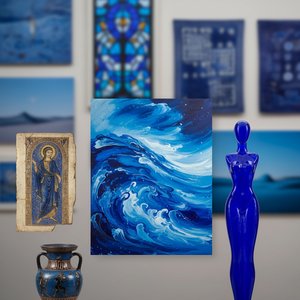
The Allure of Azure: Exploring the Symbolic & Aesthetic Depths of Blue in Art History
Explore the rich history of blue in art! Discover its symbolism, from ancient pigments to modern masterpieces by Kandinsky & Seurat. Uncover the psychological impact and cultural meanings behind this captivating hue.

Arboreal Echoes: A Historical & Artistic Exploration of Trees in Painting
Explore the rich history of trees in painting! Discover symbolism, Romantic masterpieces by Caspar David Friedrich & beyond. A curated journey for art enthusiasts.

أعمال بول سيزان الخالدة: 25 تحفة فنية تزين منزلك بجمال الألوان والضوء
اكتشف 25 تحفة فنية لبول سيزان، رائد الانطباعية وما بعد الانطباعية. استكشف قصص لوحاته الزيتية الشهيرة وألوانه الجريئة وتقنياته الفريدة. احصل على إلهام لديكور منزلك الفاخر مع TopImpressionists.com.
استكشف الأعمال الفنية المصنفة حسب الموضوعات والأنماط والخصائص.


