

 معاينة الحجم الواقعي
 إرسال
إرسال مشاركة
 عرض التفاصيل
 دليل الأعمال الفنية للطلاب

 تحميل
تحميل
 قطع مشابهة
 الأشعة السينية
 عرض شرائح متتابع
 الإحصائيات
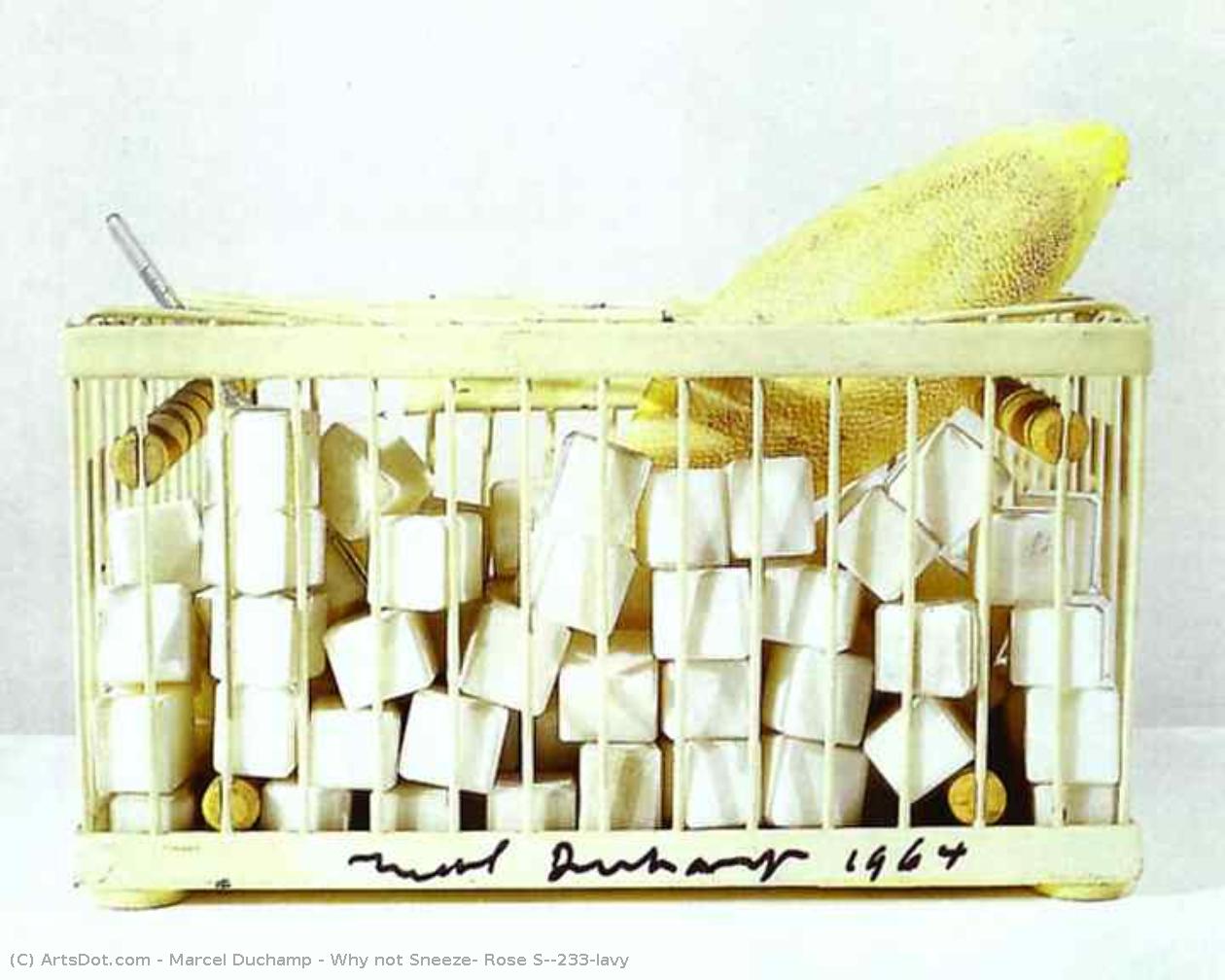
Why not Sneeze, Rose Sélavy
 Acrylic On Canvas
- WallArt
- Dada Gesamtkunstwerk
 1921
1921 12.0 x 22.0 cm
 تات مدرن
 اقرأ المزيد
مارسيل دوشامب: فنان فرنسي أمريكي ثوري تحدى مفهوم الفن بأعماله الطليعية مثل "نافورة" و"L.H.O.O.Q.". رائد فن المفاهيم، أحدث تحولًا في تاريخ الفن الحديث.
إن العمل الفني المعروض في هذه الصفحة محمي بموجب قوانين حقوق الطبع والنشر، مما يعني أنه لا يحق لنا قانوناً إنشاء أو بيع نسخ مطابقة له. وتُطبق هذه الحماية بموجب الاتفاقيات الدولية مثل الـ اتفاقية برن ووفقاً للقوانين الوطنية، بما في ذلك تلك المنصوص عليها في قانون حقوق الطبع والنشر في الولايات المتحدة - الباب 17.
وكبديل قانوني ومحترم، نقدم أعمالاً فنية مخصصة ومرسومة يدوياً مستوحاة من العمل الأصلي. حيث يقوم فنانونا المهرة والمحترفون بدراسة أسلوب العمل الأصلي، وأجوائه، وجوهره الفني بعناية فائقة لابتكار قطعة جديدة وفريدة تثير الشعور ذاته - مع بقائها عملاً أصيلاً بحد ذاته.
تتوافق هذه الطريقة تماماً مع لوائح حقوق النشر لأنها لا تتضمن نسخ أو تكرار العمل الفني المحمي، بل هي إعادة تفسير إبداعية؛ أي أنها لوحة جديدة مستوحاة من الأصل ولكنها ليست مطابقة له.
نسخة زيتية مصنوعة يدوياً
لوحة زيتية مرسومة يدوياً على الكانفاس بالمقاس والإطار الذي تفضله، تُنفذ حسب الطلب على أيدي فنانينا. ( التبديل إلى المطبوعات التحويل إلى الصورة الرقمية)




P118B E£10

P118H E£10

P118W E£10

P438Z E£10

P508JH E£12

P508YH E£12

P805H E£10

P805Z E£10

P919BZ E£10

P919G E£10

P919XJ E£10

P959ZH E£10

P968JZ E£12

W106C E£8

W218G E£10

W218JH E£8

W218Y E£10

W307PJ E£10

W316G E£10

W316PJ E£8

W316Y E£10

W398PJ E£8

W4111J E£10

W500HY E£15

W500JH E£15

W692G E£12

W849H E£8

W940BG E£15

W953PJ E£8




مقاس قياسي
مخصص
CM
INCH
اختر من بين أحجامنا المُعدّة مسبقاً والتي تتوافق مع النسب الأصلية للعمل الفني.
Loading sizes...

العرض
الارتفاع
أدخل العرض والارتفاع اللذين تحتاجهما، ليتناسب العمل مع إطارك أو جدارك. وبما أن هذه اللوحة مرسومة يدوياً، ففي حال اختيار مقاس بشكل مختلف، يمكن للفنان رسم مساحة إضافية حول الصورة أو تقليصها قليلاً — الخيار لك. سنرسل لك نموذجاً رقمياً تجريبياً لاعتماده قبل البدء في الرسم. علماً بأن الصورة المعروضة في هذه الصفحة لا تعكس النتيجة النهائية الحقيقية — فالنموذج التجريبي هو الوحيد الذي يوضح ذلك بدقة.
أمثلة على التعديلات الممكنة: استبدال الوجه بصورة العميل؛ إضافة حيوان أليف (مثل استبدال قطة بكلب)؛ تضمين رسالة مخفية في الخلفية؛ تغيير المناظر الطبيعية أو العناصر في الخلفية.
بعد إتمام الطلب، سيرسل فريق TopImpressionists.com بريداً إلكترونياً للعميل لطلب التعليمات وتزويده بمعاينة تجريبية (mockup).
بعد إتمام الطلب، سيرسل فريق TopImpressionists.com بريداً إلكترونياً للعميل لطلب التعليمات وتزويده بمعاينة تجريبية (mockup).
توصيل عالمي إلى خلال 3 إلى 4 أسابيع بدلاً من المدة المعتادة البالغة 5 أسابيع. (21 أكتوبر). جودة لا تهاون فيها.

شحن سريع ومجاني لجميع أنحاء العالم

قماش كتان فاخر

تأمين شامل على الشحن

ضمان استرداد الرسوم الجمركية

ضمان دقة مطابقة الألوان

سياسة الإرجاع خلال 100 يوم (في حالات العيوب فقط)

ضمان استرداد نقدي بنسبة 100%

عرض خصم الكميات
 خيار الزجاج متاح فقط للمقاسات التي تقل عن 110 سم

Why not Sneeze, Rose Sélavy
وسيط إعادة الإنتاج
مقاس النسخة المطبوعة
-


إجمالي السعر
E£ 13889
A Provocative Pause: Unpacking “Why Not Sneeze, Rose Sélavy”
Marcel Duchamp’s "Why Not Sneeze, Rose Sélavy," painted in 1921, isn't merely a still life; it’s an audacious declaration. This deceptively simple image – a white box containing a yellow banana alongside several cups and spoons – immediately throws the viewer off balance, demanding they reconsider their assumptions about art itself. Duchamp, a pivotal figure in the Dada movement, wasn’t interested in replicating reality or expressing personal emotion through traditional means. Instead, he sought to dismantle established artistic conventions, forcing us to confront the very definition of what constitutes “art” and its role within society.
The painting's genesis lies within Duchamp’s exploration of chance and readymades – everyday objects presented as art without alteration. "Why Not Sneeze" exemplifies this approach perfectly. The choice of a banana, an utterly mundane item, elevates it to the status of subject matter through its placement within the box, transforming it into something worthy of contemplation. The inclusion of the cups and spoons further complicates the scene, suggesting a potential for consumption or ritual – elements deliberately devoid of inherent meaning, yet imbued with a subtle tension.
Dadaist Disruptions: Style and Technique
“Why Not Sneeze” is firmly rooted in the principles of Dadaism, a movement born from the disillusionment following World War I. Rejecting logic and reason, Dada artists embraced absurdity, chance, and anti-art sentiments. Duchamp’s technique reflects this ethos; he employed a precise, almost clinical approach to rendering the objects, using oil paint on canvas with a smooth, matte finish. There's no attempt at illusionistic depth or vibrant color – instead, the focus is entirely on the arrangement of the elements and their juxtaposition. The stark white box acts as a frame, isolating the objects and intensifying their impact.
Interestingly, Duchamp’s process involved a degree of chance. He reportedly placed the banana in the box after it had been emptied, allowing the positioning to be determined by accident. This element of randomness underscores the movement's core belief that art should not be dictated by conscious intention but rather emerge from unexpected encounters and unforeseen circumstances.
Symbolic Whispers: Interpretation and Context
The symbolism within “Why Not Sneeze” is deliberately ambiguous, inviting multiple interpretations. The banana itself has been suggested to represent fertility, sexuality, or even a subtle critique of consumer culture – a small, yellow object placed in an enclosed space, hinting at both abundance and confinement. The cups and spoons could symbolize hospitality, offering, or perhaps the act of consuming – again, devoid of any specific narrative but laden with potential meanings.
Furthermore, the title itself, “Why Not Sneeze?”, is a direct challenge to conventional artistic expectations. Duchamp’s question implies that there are no rules governing art, no prescribed methods for creating it. It's an invitation to embrace spontaneity and reject rigid constraints. The painting can be viewed as a meditation on the absurdity of artistic norms and a playful provocation against established aesthetic values.
A Timeless Dialogue: Emotional Impact and Legacy
Despite its seemingly simple composition, “Why Not Sneeze, Rose Sélavy” possesses a profound emotional impact. It’s unsettling, humorous, and thought-provoking – qualities that have cemented its place as one of the most significant works in modern art history. Duchamp's work continues to resonate today, prompting us to question our own perceptions of beauty, value, and the very nature of artistic expression. A reproduction of this iconic piece offers a unique opportunity to engage with a pivotal moment in art history and contemplate the enduring legacy of Marcel Duchamp’s revolutionary spirit.
الأسئلة والأجوبة
هل يتوفر "Why not Sneeze, Rose Sélavy" كنسخة مطبوعة فنية فاخرة؟
للحصول على نسخة مطبوعة من "Why not Sneeze, Rose Sélavy" للفنان مارسيل دوشامب، ما عليك سوى طلبها عبر صفحة مطبوعة فنية فاخرة الخاصة بها: مطبوعة فنية فاخرة على قماش قطني أو ورق كانفاس أرشيفي.
ما هي المشاعر والأحاسيس التي تجتمع في "Why not Sneeze, Rose Sélavy"؟
في "Why not Sneeze, Rose Sélavy"، ترافقه أجواء Playful مع إحساس Playful.
إلى أي مرحلة من مسيرة مارسيل دوشامب الفنية ينتمي العمل "Why not Sneeze, Rose Sélavy"؟
ينتمي العمل "Why not Sneeze, Rose Sélavy" إلى الفترة Dada Phase من مسيرة مارسيل دوشامب المهنية، ويربط هذا التصنيف العمل بمراحل تطور الفنان.
نبذة عن الفنان
Marcel Duchamp: ثائر الفن ومحطّم القواعد التقليدية
مارسيل دو شامب، الاسم الذي هز أركان عالم الفن في القرن العشرين، لم يكن مجرد فنان بل كان مفكرًا فلسفيًا ومُحدثًا للضجيج. وُلِد هنري روبرت مارسيل دو شامب في عام 1887 ببلينفيل-سور-مير، فرنسا، لعائلة تقدّر الإبداع الفني، حيث انخرط إخوته أيضًا في عالم الفن. لكن دو شامب لم يكتفِ بالتقليد؛ بل سعى إلى تفكيك الأسس التي يقوم عليها الفن نفسه، وطرح أسئلة جوهرية حول طبيعته وهدفه ومعناه. لم يكن هدفه مجرد تصوير العالم المرئي، بل تحدي الطريقة التي ندركه بها، وما الذي يشكل القيمة الفنية الحقيقية. هذه الرغبة الجامحة في التساؤل والتشكيك أصبحت السمة المميزة لمسيرته الفنية الغزيرة.من التكعيبية إلى الددائية: رفض القيود
شهدت رحلة دو شامب الفنية تطورًا مستمرًا، حيث تخلّى عن الأعراف الراسخة بشكل واعٍ. في بداياته، تأثر بالتكعيبية، كما يتضح في أعمال مثل *صورة لراكبي الشطرنج* (1911)، التي أظهرت اهتمامًا بالأشكال المتقطعة ووجهات النظر المتعددة – وهو انحراف عن التمثيل التقليدي. لكنه سرعان ما تجاوز هذه الاهتمامات الجمالية، مدركًا أن مجرد إعادة ترتيب العناصر البصرية لا يكفي لمعالجة الأسئلة العميقة التي كانت تدور في ذهنه. أدت الأهوال التي خلفها الحرب العالمية الأولى إلى تفاقم هذا الاستياء، مما دفعه إلى تبني الددائية، وهي حركة ولدت من سخط عميق ورفض للعقل والمنطق والقيم الفنية التقليدية. في إطار الددائية، بدأ دو شامب حقًا في تفكيك المفاهيم التقليدية المتعلقة بالفن. لم يكن مهتمًا بإنشاء أعمال جميلة؛ بل أراد أن يثير التفكير، ويتحدى الافتراضات، ويفضح اعتباطية الحكم الجمالي. في هذه الفترة، شهد ميلاد ابتكاره الأكثر جذرية: "الريادي" (Readymade).الرياديّات وتدنيس الفن
كان تقديم الرياديّات – وهي أشياء مصنعة عادية يتم اختيارها وتقديمها كأعمال فنية – هو أهم مساهمة لدو شامب في القرن العشرين. لم تكن هذه مجرد أشياء موجودة؛ بل كانت أفعالًا فنية استفزازية مقصودة. من خلال أخذ شيء عادي مثل المرحاض (*نافورة*، 1917)، وتوقيعه باسم "آر موت" (R. Mutt)، وتقديمه إلى معرض فني، تحدى دو شامب تعريف مهارة الفنان والسلطة الفنية. هل اليد التي صنعت العمل هي التي تخلق العمل الفني، أم أن الأمر يتعلق *بالفكرة* الكامنة وراءه؟ أصبح هذا السؤال جوهرًا لممارسته وأرسى الأساس للفن المفاهيمي. أمثلة أخرى على الرياديّات مثل *L.H.O.O.Q.* (1919)، وهي صورة بطاقة بريدية للموناليزا تم تشويهها بشارب ولحية، كانت انتقادات مرحة ولكنها حادة للتاريخ الفني والأيقونات الثقافية الراسخة. لم تكن هذه الأعمال مخصصة للإعجاب بصفاتها الجمالية؛ بل كانت تهدف إلى إثارة النقاش وإجبار المشاهدين على إعادة النظر في افتراضاتهم المسبقة حول ما يشكل الفن. آمن دو شامب بأن الفن يجب أن يكون في العقل، وليس فقط في العين.الإرث والأثر الدائم
لا يمكن تقدير تأثير مارسيل دو شامب على الأجيال القادمة من الفنانين بشكل كامل. لقد غيّر بشكل أساسي فهمنا للفن، ومهّد الطريق لحركات مثل الفن المفاهيمي والحد الأدنى والفن الشعبي والعديد غيرها. إن تركيزه على فكرة الفنان – المفهوم الكامن وراء العمل – بدلاً من صفاته الجمالية لا يزال يلهم الفنانين اليوم.- التكعيبية: استكشاف مبكر للأشكال المتكسرة والتمثيل المكاني.
- الدادائية: رفض المنطق والعقل والقيم الفنية التقليدية كرد فعل على الحرب العالمية الأولى.
- الفن المفاهيمي: التركيز على الفكرة الكامنة وراء العمل الفني بدلاً من صفاته الجمالية.

مارسيل دوشامب
1887 - 1968 , فرنسا
لمحة سريعة
- أعمال فنية بارزة:
- نافورة (Fountain)
- إل. إتش. أُو. كيو (L.H.O.O.Q.)
- الزجاج الكبير (The Large Glass)
- الاسم الكامل: مارسيل دوشامب
- الجنسية: فرنسي أمريكي
- الحركة الفنية أو النمط:
- التكعيبية
- الدادية
- الفن المفاهيمي
- الفنانون أو الحركات المتأثرة به:
- الفن المفاهيمي
- الفن البوب
- الحد الأدنى
- تاريخ الميلاد: 28 يوليو 1887
- مكان الميلاد: بلينفيل-سور-مر، فرنسا
مقالات ذات صلة

Dadaism Unveiled: The Beautiful Chaos of Art's Most Rebellious Movement
Explore the profound rebellion of Dadaism. Discover how this avant-garde movement emerged from the chaos of WWI to redefine art through absurdity, anti-logic, and a legacy that shaped Surrealism and Pop Art. A deep dive into the beautiful chaos of art history for the true enthusiast.

Pop Surrealism Unveiled: The Sophisticated Intersection of Vibrant Pop Art and Dreamlike Subconscious Landscapes
Explore the captivating world of Pop Surrealism. Discover how vibrant Pop Art meets dreamlike subconscious imagery through the works of masters like Jeff Soto and Ryan Heshka. An expert guide for discerning collectors seeking to understand this profound contemporary art movement.
استكشف الأعمال الفنية المصنفة حسب الموضوعات والأنماط والخصائص.


