Michelangelo’s St Proculus: A Testament to Renaissance Idealism
Michelangelo Buonarroti, arguably the most influential sculptor of the High Renaissance, bequeathed upon us a legacy that continues to inspire awe and admiration. Born in Caprese Michelangelo in 1475, his artistic journey began amidst humble beginnings but swiftly ascended to unparalleled heights—a trajectory defined by unwavering dedication to craftmanship and an almost divine understanding of human form.
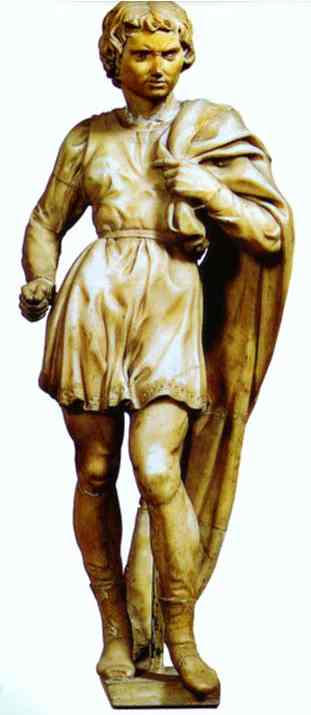
The statue of St Proculus, commissioned for the Basilica of San Domenico in Bologna around 1494-1495, stands as a poignant emblem of Michelangelo’s artistic vision during this formative period. It's more than just marble; it’s an embodiment of humanist ideals—a deliberate harkening back to classical antiquity and its celebration of proportion and beauty.
- Subject Matter: The sculpture depicts St Proculus, a Roman soldier revered for his piety and courage. Michelangelo meticulously rendered the figure in exquisite detail, capturing not merely physical likeness but also conveying an aura of solemn dignity.
- Style & Technique: Characteristic of Michelangelo’s oeuvre is the masterful execution—a testament to his unparalleled skill in carving marble. The sculptor employed a technique known as *contrapposto*, positioning St Proculus's weight on one leg while subtly shifting his torso, creating an illusion of dynamic equilibrium and conveying strength and grace.
- Historical Context: Michelangelo’s work emerged during the Renaissance, a period marked by renewed interest in Greco-Roman art and philosophy. The statue reflects this intellectual fervor—a conscious effort to revive classical ideals of heroism and virtue within Christian iconography.
- Symbolism: The inclusion of a shield and spear symbolizes St Proculus's martial prowess and unwavering faith. These elements underscore the sculpture’s broader message about defending righteousness and upholding moral values – themes central to Renaissance spirituality.
The statue’s gilded surface adds another layer of significance, elevating it beyond mere representation into a symbol of spiritual illumination—a deliberate allusion to Byzantine iconography where gold was frequently employed to depict saints and divine figures. This opulent embellishment underscores Michelangelo's understanding that art could transcend the material realm and communicate profound truths.
The image itself – captured with remarkable clarity – showcases Michelangelo’s meticulous attention to detail, mirroring his approach to monumental frescoes like those adorning the Sistine Chapel. The sculptor’s dedication to capturing human anatomy with breathtaking accuracy cemented his reputation as a genius—a figure whose artistic achievements continue to resonate across centuries.
St Proculus remains an enduring masterpiece, embodying Michelangelo's profound engagement with classical ideals and demonstrating the transformative power of art to inspire contemplation and reverence. Its presence within San Domenico serves as a constant reminder of the Renaissance’s commitment to elevating human experience through beauty and intellect.


 معاينة الحجم الحقيقي
 اشترِ لوحة مرسومة يدويًا
 مشاركة
 مشاركة
 التفاصيل

 تحميل الملف
 قطع مشابهة
 الأشعة السينية
 عرض شرائح
 عرض المزيد






































 خيار الزجاج متاح فقط للمقاسات التي تقل عن 110 سم



