


 معاينة الحجم الواقعي
 إرسال
إرسال مشاركة
 عرض التفاصيل
 دليل الأعمال الفنية للطلاب

 تحميل
تحميل
 قطع مشابهة
 الأشعة السينية
 عرض شرائح متتابع
 الإحصائيات
Mimosas
 Oil On Canvas
- WallArt
- Post-Impressionism
 1952
1952- 19th Century
 100.0 x 65.0 cm
 Marubeni Gallery
Moïse Kisling’s ‘Mimosas’ (1952) – a vibrant oil painting of overflowing yellow flowers against a dark green backdrop. A stunning example of his expressive realism & Post-Impressionist style.
 اقرأ المزيد
مويس كيسلينغ (1891-1953): رسام بولندي فرنسي للبورتريهات والعري والمناظر الطبيعية المعبرة. متأثر بموديجلياني وتشغال، وشخصية رئيسية في مدرسة باريس.
نسخة زيتية مصنوعة يدوياً
لوحة زيتية مرسومة يدوياً على الكانفاس بالمقاس والإطار الذي تفضله، تُنفذ حسب الطلب على أيدي فنانينا. ( التبديل إلى المطبوعات التحويل إلى الصورة الرقمية)




P118B $10

P118H $10

P118W $10

P438Z $10

P508JH $12

P508YH $12

P805H $10

P805Z $10

P919BZ $10

P919G $10

P919XJ $10

P959ZH $10

P968JZ $12

W106C $8

W218G $10

W218JH $8

W218Y $10

W307PJ $10

W316G $10

W316PJ $8

W316Y $10

W398PJ $8

W4111J $10

W500HY $15

W500JH $15

W692G $12

W849H $8

W940BG $15

W953PJ $8




مقاس قياسي
مخصص
CM
INCH
اختر من بين أحجامنا المُعدّة مسبقاً والتي تتوافق مع النسب الأصلية للعمل الفني.
Loading sizes...

العرض
الارتفاع
يمكنك إدخال أبعاد خاصة لتناسب إطاراً أو مساحة معينة. وفي حال عدم تطابق الحجم المختار مع نسب الصورة الأصلية، سنقوم إما بقص العمل الفني أو توسيع اللوحة عبر إضافة عناصر مرسومة يدوياً. وسيتم إرسال نموذج رقمي إليك للموافقة عليه قبل بدء عملية الإنتاج.
يرجى ملاحظة أن المعاينة على الشاشة لا تعكس عملية القص أو التوسيع الفعلية؛ إذ إن النموذج الرقمي هو الوحيد الذي يوضح التكوين النهائي بدقة.
وعلى الرغم من توفر أحجام مخصصة، إلا أننا نوصي باختيار أبعاد من القائمة المحددة مسبقاً للحفاظ على النسب الأصلية للعمل الفني.
أمثلة على التعديلات الممكنة: استبدال الوجه بصورة العميل؛ إضافة حيوان أليف (مثل استبدال قطة بكلب)؛ تضمين رسالة مخفية في الخلفية؛ تغيير المناظر الطبيعية أو العناصر في الخلفية.
بعد إتمام الطلب، سيرسل فريق TopImpressionists.com بريداً إلكترونياً للعميل لطلب التعليمات وتزويده بمعاينة تجريبية (mockup).
بعد إتمام الطلب، سيرسل فريق TopImpressionists.com بريداً إلكترونياً للعميل لطلب التعليمات وتزويده بمعاينة تجريبية (mockup).
توصيل عالمي إلى خلال 3 إلى 4 أسابيع بدلاً من المدة المعتادة البالغة 5 أسابيع. (25 سبتمبر). جودة لا تهاون فيها.

شحن سريع ومجاني لجميع أنحاء العالم

قماش كتان فاخر

تأمين شامل على الشحن

ضمان استرداد الرسوم الجمركية

ضمان دقة مطابقة الألوان

سياسة الإرجاع خلال 100 يوم (في حالات العيوب فقط)

ضمان استرداد نقدي بنسبة 100%

عرض خصم الكميات
 خيار الزجاج متاح فقط للمقاسات التي تقل عن 110 سم

Mimosas
وسيط إعادة الإنتاج
مقاس النسخة المطبوعة
-


إجمالي السعر
$ 269
A Symphony of Yellow: Moïse Kisling’s ‘Mimosas’
Moïse Kisling's “Mimosas,” painted in 1952, is more than just a still life; it’s a vibrant testament to the artist’s enduring fascination with beauty and abundance. This captivating work, measuring 100 x 65 cm, offers a glimpse into the world of a man who navigated the tumultuous shifts of the 20th century – a “king of Montparnasse” as he was affectionately known – and whose artistic legacy continues to resonate today. The painting’s immediate impact lies in its audacious use of color: a riot of golden mimosa blossoms erupting from a striking blue vase, all set against a deep, almost velvety green backdrop. This isn't merely representation; it’s an orchestrated emotional experience.
The Artist and His Vision
Born in Kraków in 1891, Moïse Kisling’s journey was one of constant evolution. Initially influenced by the rigorous training he received at the Krakow Academy of Fine Arts, his relocation to Paris in 1910 marked a pivotal moment. Immersed in the epicenter of modern art – Montmartre – he encountered and absorbed the revolutionary ideas of figures like Cézanne, Picasso, and Black, ultimately forging his own distinctive style. Kisling’s life was inextricably linked to the artistic currents of his time, from teaching in American schools during World War II to finally achieving recognition with a successful exhibition in France in 1951. His preference for evocative depictions of flowers, particularly the mimosa, reveals a deep appreciation for the transient beauty of nature and a desire to capture its essence with remarkable intensity.
Technique and Composition: A Painterly Masterpiece
- Realism Infused with Impressionism: Kisling’s technique skillfully blends realism with impressionistic touches. The meticulous rendering of the flower petals – their softness, slight blur, and rich texture – speaks to a dedication to detail, while the loose brushstrokes create an overall sense of movement and vibrancy.
- Vertical Emphasis & Volume: The composition is dominated by a strong vertical format, drawing the viewer’s eye upwards into the dense mass of blossoms. This deliberate choice amplifies the feeling of abundance and creates a powerful visual impact.
- Layered Depth: Through careful manipulation of tone and shadow, Kisling achieves a remarkable sense of three-dimensionality. The reflective red surface adds another layer to this spatial illusion, enhancing the realism of the scene.
Symbolism and Emotional Resonance
“Mimosas” transcends a simple botanical study; it’s laden with symbolic meaning. The profusion of yellow mimosa flowers – Kisling's favored subject – evokes notions of fertility, prosperity, and the fleeting beauty of life. The blue vase acts as a focal point, intensifying the impact of the golden blooms. The overall effect is one of warmth, vibrancy, and an almost intoxicating sense of joy. This painting embodies the spirit of its creator—a man who embraced life with passion and translated that enthusiasm into his art.
أعمال فنية مشابهة


نبذة عن الفنان
حياة صيغت في قلب التحولات
كان موازي كيسلينغ، الذي ولد باسم موزيش كيسلينغ عام 1891 في مدينة كراكوف التي كانت تنبض آنذاك بالحياة تحت ظلال الإمبراطورية النمساوية المجرية، فناناً عكست حياته التيارات المتلاطمة لأوائل القرن العشرين. فمنذ أيامه الأولى، تفتحت لديه حساسية فنية جليّة، قادته للالتحاق بأكاديمية كراكوف للفنون الجميلة وهو لم يتجاوز الخامسة عشرة من عمره. وبفضل توجيهات معلمهِ يوزف بانكيفيتش، تلقى التشجيع للبحث عن الإلهام في باريس، تلك المدينة التي كانت تفرض نفسها بالفعل كمركز عالمي للفن الحديث. وفي عام 1910، انطلق كيسلينకిغ في هذه الرحلة المحورية، منغمساً في المجتمع الفني النابض بالحياة في مونمارتر، حيث نسج روابط وثيقة مع زملائه من المهاجرين ورواد الفكر الطليعي. كانت هذه الفترة التأسيسية بمثابة نافذة أطل من خلالها على أنماط فنية متعددة صقلت صوته الفريد ببراعة؛ فلم يكن مجرد متلقٍ للتأثيرات، بل بدأ عملية حياة كاملة من التوليف والابتكار، حيث شكلت الأجواء البوهيمية في مونمارتر، باستوديوهاتها المشتركة ونقاشاتها المحتدمة، بوتقة مثالية لصقل موهبة هذا الفنان الشاب.صياغة الأسلوب: بين التكعيبية والتعبيرية
لم يكن التطور الفني لكيسلينغ محكوماً بالالتزام الصارم بمدرسة واحدة، بل كان استكشافاً مرناً لمؤثرات متنوعة. فقد حملت أعماله الأولى ملامح الابتكارات الهيكلية لباول سيزان والجرأة اللونية لأندريه ديران، مع ظهور نزعات تكعيبية خفيفة تجلت في لوحات مثل بورتريه أندريه سالمون (1م1912). ومع ذلك، شكل اندلاع الحرب العالمية الأولى نقطة تحول جذرية؛ فبينما كانت أوروبا تغرق في الفوضى، شهد أسلوب كيسلينغ تحولاً كبيراً نحو التعبيرية، وهو ما تجلى في استخدام ألوان أكثر جرأة، وضربات فرشاة أكثر تعبيراً، وتركيز متزايد على الكثافة العاطفية. طور الفنان نهجاً متميزاً يوازن بين دقة الرسم ولوحة الألوان النابضة بالحياة، مصوراً الجسد البشري بوضوح ورشاقة. وأصبحت أناقة الأشكال المستديرة سمة مميزة لأعماله، حيث كانت تعكس غالباً تأثير صديقه المقرب أميديو موديلياني، الذي استلهم منه الأعناق المستطيلة، والعيون اللوزية، والشفاه المرسومة بدقة متناهية. ومع ذلك، فقد أضفى كيسلينغ على هذه الخصائص حساسية فريدة، مبرعاً في التلاعب بالضوء والظل لخلق تباينات معقدة منحت شخوصه عمقاً وحيوية مذهلة، فكانت تلك الفترة رحلة للبحث عن لغة بصرية قادرة على نقل مخاوف واضطرابات عالم يعيش ويلات الحرب.الاعتراف الفني وسط الحروب والمنفى
رغم الاضطرابات التي خلفتها الحروب، استطاع كيسلينغ حجز مكانة مرموقة في عالم الفن الباريسي. وجاءت اللحظة الحاسمة في عام 1919 من خلال معرض في "غاليري درويت"، الذي استعرض أسلوبه المتطور وجذب أنظار النقاد. ولم تمر موهبته دون أن يلحظها جامعو الفنون؛ ففي عام 1923، استحوذ ألبرت بارنز على عدة لوحات له، مما يعد شهادة على جودتها وقيمتها الفنية. أصبح كيسلينغ شخصية محورية في المشهد الفني الباريسي، واشتهر باستضافته لغداء أسبوعي جمع نخبة من المبدعين من كتاب وشعراء ورسامين ونحاتين، مما خلق بيئة خصبة للتبادل الفكري والتعاون. كما أن خدمته في الفيلق الأجنبي الفرنسي خلال الحرب العالمية الأولى، وما نتج عنها من إصابات في معركة السوم وما تلا ذلك من حصوله على الجنسية الفرنسية عام 1915، قد أكدت ارتباطه العميق بوطنه الذي اختاره. لقد أثرت هذه التجربة بعمق في هويته الشخصية وفي العمق العاطفي لفنه. ومع ذلك، أجبر ظل الحرب العالمية الثانية كيسلينغ على المنفى، حيث هاجر إلى الولايات المتحدة وعرض أعماله في نيويورك وواشنطن العاصمة، باحثاً عن ملاذ من الاضطهاد المتصاعد في أوروبا. ورغم صعوبة فترة النزوح هذه، إلا أنها أتاحت له التواصل مع جمهور جديد وصقل رؤيته الفنية بشكل أكبر.إرث خالد: مدرسة باريس وما بعدها
بعد انتهاء الحرب، عاد كيسلينغ إلى فرنسا في عام 1946، واستقر في "ساناري سور مير" حيث استمر في الرسم حتى وفاته عام 1953. واليوم، يحمل أحد الشوارع السكنية في هذه المدينة اسمه، تخليداً لمساهمته في المجتمع المحلي وعالم الفن ككل. يجسد عمل كيسلينغ روح ما بعد الانطباعية والتعبيرية المبكرة، مساهماً بشكل كبير في النسيج الحيوي لـ "مدرسة باريس" – ذلك التجمع المتنوع من الفنانين الذين أعادوا تشكيل الفن الحديث. ولا يزال أسلوبه المبتكر، الذي يتميز بمزيج فريد من الدقة والكثافة العاطفيلة، يلهم الفنانين ويأسر الألباب حتى يومنا هذا. وتبرز لوحة عري جوسان الكبير على أريكة حمراء، التي رسمها عام 1953، كنموذج قوي لأسلوبه الناضج؛ فهي تحفة حسية تستعرض ألواناً زاهية وضربات فرشاة معبرة. ويضم متحف "بيتي باليه" في جنيف أكبر مجموعة من أعماله، لتكون شاهداً على إرثه الخالد ورؤيته الفنية. تظل لوحات موازي كيسلينغ تذكيراً قوياً بحقبة مفصلية في تاريخ الفن، تعكس جمال وقلق عالم في حالة تحول – وهو العالم الذي خاض غمار رحلته بشجاعة وحساسية وتفانٍ لا يتزعزع لفنه.الخصائص والمؤثرات الرئيسية
- المؤثرات: بول سيزان، أندريه ديران، أميديو موديلياني، مارك شاغال.
- الأسلوب: مزيج من ما بعد الانطباعية والتعبيرية، يتميز بالألوان النابضة بالحياة، وضربات الفرشاة المعبرة، والتركيز على الجسد البشري.
- الموضوعات: البورتريهات (التي غالباً ما تظهر فيها أشكال مستطيلة تذكرنا بموديلياني)، لوحات العري، والمناظر الطبيعية.
- التقنية: براعة في التلاعب بالضوء والظل لخلق العمق والتدرج؛ الموازنة بين دقة الرسم ولوحة الألوان الحيوية.
- السياق التاريخي: حياة تأثرت بعمق بالاضطرابات السياسية والاجتماعية في أوائل القرن العشرين، بما في ذلك الحربين العالميتين وصعود معاداة السامية.

موازي كيسلينغ
1891 - 1953 , كرواتيا
لمحة سريعة
- Artistic Movement Or Style: ما بعد الانطباعية، التعبيرية
- Artists Or Movements Influenced By This Artist: ['مدرسة باريس']
- Artists Who Influenced This Artist:
- بول سيزان
- أندريه ديران
- عامديو موديلياني
- Date Of Birth: 1891
- Date Of Death: 1953
- Full Name: مويز كيسلينغ
- Nationality: بولندي-فرنسي
- Notable Artworks:
- الجسد العاري الكبير جوسان
- بورتريه أندريه سالمون
- السيدة رينيه كيسلينغ
- Place Of Birth: كراكوف، كرواتيا
مقالات ذات صلة

Blossoms of Time: A Historical & Aesthetic Exploration of Floral Painting Across Cultures
Explore the rich history of floral painting! Discover symbolism, techniques & masterpieces from Van Huysum to O'Keeffe. Expert insights for art lovers & collectors at TopImpressionists.

Silent Narratives: Exploring the Enduring Appeal of Still Life Painting Across Centuries
Explore the rich history of still life painting with TopImpressionists. Discover Dutch Masters, decode vanitas symbolism & learn about collecting timeless art. Expert insights and museum-quality reproductions.

Blossoming Symbolism: A Historical Journey Through Flowers in Western Painting
Explore the rich history of flower symbolism in Western painting! Discover how artists from the Renaissance to Modernism used blossoms to convey meaning, emotion & beauty. Learn about iconic artworks and movements.

Blossoms of Time: A Historical Journey Through Flower Painting
Explore the captivating history of flower painting! Discover Dutch masters, symbolic meanings, & botanical art. Expert insights & high-quality reproductions at TopImpressionists.
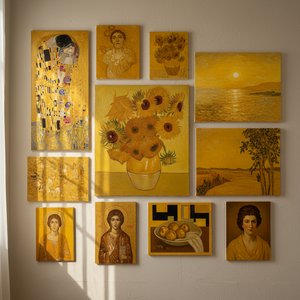
Golden Hues: Top 10 Paintings Dominated by Yellow Ochre |
Explore 10 iconic paintings bathed in golden yellow ochre! From Van Gogh's sunflowers to Monet’s haystacks, discover the stories behind these masterpieces. Find museum-quality art reproductions & elevate your home decor on .