

 معاينة الحجم الواقعي
 مشاركة
 مشاركة
 التفاصيل
 دليل
دليل

 تحميل الملف
 قطع مشابهة
 الأشعة السينية
 عرض شرائح
 الأسئلة والأجوبة
 الإحصائيات
Spring in Kaunas


Experience the serene watercolor beauty of Spring in Kaunas by Mstislav Dobuzhinsky (1923), capturing spring's gentle spirit; discover this masterpiece today.
 عرض المزيد
اكتشف المناظر الحضرية المؤرقة لمستيسلاف دوبوزينسكي! فنان روسي-ليتواني معروف بتصوير التدهور الحضري والحياة الصناعية عبر الفن التعبيري.
إن العمل الفني المعروض في هذه الصفحة محمي بموجب قوانين حقوق الطبع والنشر، مما يعني أنه لا يحق لنا قانوناً إنشاء أو بيع نسخ مطابقة له. وتُطبق هذه الحماية بموجب الاتفاقيات الدولية مثل الـ اتفاقية برن ووفقاً للقوانين الوطنية، بما في ذلك تلك المنصوص عليها في قانون حقوق الطبع والنشر في الولايات المتحدة - الباب 17.
تتوافق هذه الطريقة تماماً مع لوائح حقوق النشر لأنها لا تتضمن نسخ أو تكرار العمل الفني المحمي، بل هي إعادة تفسير إبداعية؛ أي أنها لوحة جديدة مستوحاة من الأصل ولكنها ليست مطابقة له.
طباعة جيلي / مطبوعات فنية
طباعة جيكلي أو كانفاس بجودة المتاحف، مع سرعة في التنفيذ وخيارات متنوعة للتشطيب. ( شراء لوحة مرسومة يدويًا الانتقال إلى الصورة الرقمية)




P118B E£10

P118H E£10

P118W E£10

P438Z E£10

P508JH E£12

P508YH E£12

P805H E£10

P805Z E£10

P919BZ E£10

P919G E£10

P919XJ E£10

P959ZH E£10

P968JZ E£12

W106C E£8

W218G E£10

W218JH E£8

W218Y E£10

W307PJ E£10

W316G E£10

W316PJ E£8

W316Y E£10

W398PJ E£8

W4111J E£10

W500HY E£15

W500JH E£15

W692G E£12

W849H E£8

W940BG E£15

W953PJ E£8




قياسي
حسب الطلب
CM
INCH
اختر من بين أحجامنا المُعدّة مسبقاً والتي تتوافق مع النسب الأصلية للعمل الفني.
Loading sizes...

العرض
الارتفاع
أدخل العرض والارتفاع المطلوبين ليتناسب المقاس مع إطارك أو جدارك. يرجى الملاحظة أن المطبوعة يمكن قصها فقط ولا يمكن تكبيرها لتتجاوز أبعاد الصورة الأصلية، لذا فإن اختيار مقاس بأبعاد مختلفة سيؤدي إلى فقدان جزء من الصورة. سنرسل لك نموذجاً رقمياً تجريبياً لاعتماده قبل البدء في عملية الطباعة. الصورة المعروضة في هذه الصفحة لا توضح شكل القص الفعلي — النموذج التجريبي فقط هو ما يظهر ذلك بدقة.
توصيل عالمي إلى خلال أسبوعين بدلاً من المدة القياسية البالغة 4/5 أسابيع. (4 نوفمبر)

شحن سريع ومجاني لجميع أنحاء العالم

قماش كتان عالي الجودة

تأمين شامل على الشحن

ضمان استرداد الرسوم الجمركية

ضمان مطابقة الألوان الحقيقية

سياسة الإرجاع خلال 100 يوم (في حالات العيوب فقط)

ضمان استرداد نقدي بنسبة 100%

خصم عند طلب كميات
 خيار الزجاج متاح فقط للمقاسات التي تقل عن 110 سم

Spring in Kaunas
طباعة جيلي / مطبوعات فنية
مقاس النسخة المطبوعة
-


إجمالي السعر النهائي
E£ 3669
The Gentle Awakening: Capturing Spring's Spirit in Kaunas
Mstislav Dobuzhinsky’s 1923 watercolor, "Spring in Kaunas," is not merely a depiction of a season; it is an immersion into a moment of profound, quiet renewal. The painting washes over the viewer with the soft luminescence of early spring, transforming a specific landscape into a universal meditation on hope. One can almost feel the gentle warmth filtering through the air, carrying the scent of blossoming life. Dobuzhinsky masterfully captures this ephemeral quality, allowing the lush greens and delicate pastels to speak volumes about nature’s persistent cycle of rebirth.
A Symphony in Watercolor: Technique and Atmosphere
The technical brilliance of this piece lies in its handling of watercolor itself. The artist employs loose brushstrokes and translucent washes, techniques that lend the entire scene a breathy, atmospheric quality. There is no harsh edge; instead, colors bleed into one another—the blues meeting the pinks, the yellows mingling with various shades of green foliage. This blending creates depth while maintaining an ethereal softness. Compositionally, the eye is guided by the foreground fence, which acts as a subtle leading line drawing us deeper into the middle ground where trees and bushes undulate in organic forms. The background anchors this natural exuberance with the steadfast presence of Orthodox church spires, providing both scale and a counterpoint to the wildness of the flora.
Symbolism Woven into the Landscape
Beyond its immediate beauty, "Spring in Kaunas" resonates with deep symbolic weight. The blossoming flowers are the quintessential emblems of renewal, marking the passage from dormancy to vibrant life. Juxtaposed against this natural efflorescence is the prominent religious architecture. This pairing suggests a harmonious dialogue between the spiritual and the earthly—faith rooted deeply within the cycle of nature itself. It speaks to a tradition that finds its deepest meaning not in permanence, but in the continuous promise of return, the promise embodied by spring.
Echoes of Place and Time
While Dobuzhinsky is often known for his haunting explorations of urban decay, this work offers a beautiful counter-narrative. Painted in 1923, it captures a specific moment in the life of Kaunas, blending the enduring spirit of its culture with the vibrant energy of nature reclaiming space. The overall emotional impact is one of profound serenity mixed with an undeniable sense of anticipation—the hopeful sigh that accompanies the first truly warm day after a long winter. For collectors and designers alike, this piece offers not just decoration, but a palpable infusion of tranquil, optimistic energy into any space.
الأسئلة والأجوبة
ما هي الاستخدامات الموصى بها لنسخة مطبوعة من "Spring in Kaunas" للفنان مستلاف دوبوزينسكي؟
يُقترح استخدام "Spring in Kaunas" للفنان مستلاف دوبوزينسكي لـ Focal، كما يمكن توظيفه لأغراض أخرى أيضاً.
كيف يتجلى تلاقي الحركة والعصر في "Spring in Kaunas" للفنان مستلاف دوبوزينسكي؟
تندرج لوحة "Spring in Kaunas" للفنان مستلاف دوبوزينسكي ضمن حركة Impressionism، وذلك في حقبة العصر الحديث لمبدعها.
لمن تُعد "Spring in Kaunas" للفنان مستلاف دوبوزينسكي هدية مثالية؟
يُقترح العمل الفني "Spring in Kaunas" كهدية لـ Seasonal Gift، مع مراعاة Focal.
أعمال فنية ذات صلة


السيرة الذاتية للفنان
مستيسلاف دوبوزينسكي: صاحب رؤية التدهور الحضري
يظل مستيسلاف فاليريانوفيتش دوبوزينسكي (1875-1957)، وهو اسم ربما لا يكون مألوفاً مثل بعض معاصريه، شخصية مؤثرة بعمق في تاريخ الفن الروسي. وُلد في نوفغورود ويحمل إرثاً ليتوانياً، فصاغ صوتاً فنياً فريداً تحدد باستكشاف شبحي للتدهور الحضري والمناظر الطبيعية الصناعية والثمن النفسي للحداثة. إن أعماله ليست مجرد تصوير للمباني المتهالكة؛ بل هي تعبير حيوي عن العزلة والقلق والجمال المقلق الذي يوجد في ظلال المدن سريعة التغير. ويكمن إرث دوبوزينسكي في قدرته على تحويل الحقائق اليومية لروسيا في القرن العشرين إلى صور معبرة بقوة، لا تزال يتردد صداها لدى المشاهدين حتى يومنا هذا.النشأة والتدريب الفني
بدأت الرحلة الفنية لدوبوزينسكي بتواضع، حيث التحق بمدرسة الرسم التابعة لجمعية تعزيز الفنانين في نوفغورود قبل أن يتابع دراسة القانون في الجامعة الإمبراطورية بطرسبرغ بينما كان يدرس بشكل خاص. يعكس هذا المسار المزدوج فضولاً فكرياً جامحاً سيثري عمله لاحقاً. والأهم من ذلك، أنه تلقى تدريباً رسمياً على يد فنانين أوروبيين بارزين – أنطون آزبي في ميونيخ وسيمون هولوسي في النمسا-المجر – مما عرّضه لتأثيرات متنامية لأسلوب "يوجندشتيل" (الفن الجديد) والحركات المعاصرة الأخرى. لقد شكّلت هذه التجارب المبكرة مهاراته التقنية وألهمته بمفردات فنية أوسع، والتي قام لاحقاً بتوليفها في أسلوبه المميز. كما أن ارتباطه بدائرة "مير إسكوستفا" (Mir iskusstva)، وهي مجموعة فنية مثلت القرن الثامن عشر كعصر ذهبي للأناقة والرقي، كان محورياً في تشكيل نظرته لدور الفن في المجتمع – وهي نظرة قادته في نهاية المطاف لمواجهة الجوانب الأكثر قتامة للحياة الحضرية الحديثة.المشهد الحضري التعبيري
جاء الإنجاز الفني لدوبوزينسكي من خلال استكشاف المشهد الحضري الروسي خلال فترة التصنيع السريع والاضطراب الاجتماعي. فرافضاً التمثيلات المثالية التي فضّلها العديد من معاصريه، ركز على الحقائق القاسية للمصانع والمساكن المكتظة والشوارع المزدحمة. وغالباً ما هيمنت لوحته اللونية على البني الداكن والرمادي والأحمر العميق – وهي ألوان نقلت التدهور المادي والكثافة العاطفية لهاتين البيئتين معاً. وقد أبرزت الخطوط الجريئة والتناقضات الدرامية الشعور بالاختناق والاغتراب المتأصل في الوجود الحضري. إن عمله ليس مجرد سجل للتغيرات المعمارية؛ بل هو تحقيق في الحالة الإنسانية داخل تلك المساحات – تصوير للوحدة واليأس والنضال من أجل البقاء وسط التقدم الذي لا يلين. ولا يمكن إنكار تأثير التعبيرية، لكن دوبوزينسكي طور حساسية روسية فريدة، مستنيرة بتجاربه وملاحظاته الشخصية.الأعمال المتميزة والتقنيات الفنية
تجسد العديد من الأعمال الرئيسية الرؤية الفنية لدوبوزينسكي. فلوحة "بسكوف" (Pskov) (1923)، على سبيل المثال، تلتقط الأجواء الكئيبة لمدينة ميناء روسية بتفاصيل قلم رصاص دقيقة، كاشفة عن الجمال الخفي داخل اضمحلالها. أما لوحة "أوهوكتوير إيديل" (October Idyll) (1905)، فهي مثال لافت لأسلوبه التعبيري، حيث تصور مشهداً حضرياً وحشياً من العنف والفقر مرسوماً بخطوط جريئة وأحمر مكثف – شهادة على الحقائق المقلقة لروسيا الصناعية. كما أظهرت رسوماته لمسرحية "الليالي البيضاء" (White Nights) لدستويفسكي (1923) قدرته على نقل المشاعر المعقدة من خلال السرد البصري، مستخدماً لوحة ألوان باهتة وتكوينات مؤثرة. ولم يقتصر إتقان دوبوزينسكي على الرسم؛ بل كان أيضاً مصمم ديكور ماهر، مساهماً بشكل كبير في الإنتاجات المسرحية في باريس وبروكسل وأماكن أخرى، مما يدل على تنوع أكد عمقه الفني.الإرث والأهمية التاريخية
يحمل عمل مستيسلاف دوبوزينسكي أهمية تاريخية كبيرة بوصفه وثيقة لروسيا أوائل القرن العشرين. فقد التقط لحظة محورية في تحول الأمة – الانتقال من المجتمع الزراعي إلى المتروبوليس الصناعي – وقدم منظوراً نقدياً لعواقبه الاجتماعية والنفسية. إن تصويره الذي لا يلين للتدهور الحضري تحدى المفاهيم التقليدية للجمال والتقدم، مجبراً المشاهدين على مواجهة حقائق غير مريحة حول الحداثة. وعلى الرغم من أن عمله ربما لم يحقق شهرة واسعة خلال حياته، فقد اعتُرف به منذ ذلك الحين كمساهم أساسي في التعبيرية الروسية وانعكاس قوي لقلق وتأرجحات العصر الحديث. ويمكن رؤية تأثيره في الأجيال اللاحقة من الفنانين الذين واصلوا استكشاف موضوعات الاغتراب الحضري والنقد الاجتماعي. واليوم، لا تزال مناظر دوبوزينسكي الحضرية الشبحية تحفز التأمل حول العلاقة بين الإنسان وبيئته، مذكرة بنا بقوة الفن الدائمة في إضاءة كل من الجمال والظلام.
مستلاف دوبوزينسكي
1875 - 1957 , روسيا
حقائق سريعة
- Artistic Movement Or Style: التعبيرية، المناظر الحضرية
- Artists Or Movements Influenced By This Artist: ['مير إسكوستفا']
- Artists Who Influenced This Artist:
- أنطون أاجبي
- سايمون هولوسي
- Date Of Birth: 14 أغسطس 1875
- Date Of Death: 20 نوفمبر 1957
- Full Name: مستيسلاف فاليريانوڤيتش دوبوزينسكي
- Nationality: روسي-ليتواني
- Notable Artworks:
- الشفق
- بسكوف
- الخريف المثالي
- Place Of Birth: Novgorod, Russia
مقالات ذات صلة
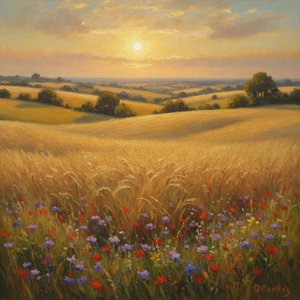
Golden Fields & Sun-Drenched Meadows: Capturing the Soul of Impressionist Landscapes
Immerse yourself in the luminous world of Impressionist landscapes. Discover how masters like Monet and Gauguin captured ephemeral light through plein air painting, and learn to bring the soul of sun-drenched meadows into your home with exquisite, hand-painted oil reproductions.

The Beauty of Impermanence: Capturing Decay through Impressionist Eyes
Explore the profound beauty of impermanence through Impressionist and Post-Impressionist eyes. Discover how masters like Monet and Van Gogh captured fleeting light and the poetic essence of nature's transitions in our deep dive into art history and emotional landscapes.

Capturing Light: The Ethereal Beauty and Timeless Legacy of Watercolor Landscapes
Embark on a visual journey through the ethereal beauty of watercolor landscapes. Discover how Impressionist masters captured light and emotion, and learn to bring this timeless, luminous elegance into your home with expert art curation and hand-painted reproductions.

Capturing the Soul: The Most Emotionally Moving Impressionist and Post-Impressionist Masterpieces
Discover the profound emotional depth of Impressionist and Post-Impressionist masterpieces. Explore how legends like Monet, Van Gogh, and Gauguin captured light and soul through evocative landscapes and vibrant brushwork for a timeless connection to art history.

Beyond the Light: Capturing Raw Emotion and Subjective Vision in Post-Impressionist Landscapes
Explore the profound emotional depth of Post-Impressionist landscapes. Discover how masters like Van Gogh moved beyond light to capture raw human feeling through vibrant color and expressive texture in this expert art history retrospective.