


 معاينة الحجم الواقعي
 إرسال
إرسال مشاركة
 عرض التفاصيل
 دليل الأعمال الفنية للطلاب

 تحميل
تحميل
 قطع مشابهة
 الأشعة السينية
 عرض شرائح متتابع
 الإحصائيات
العالم الغد


اللوحة تجسّد رؤية الروحانية العميقة لنيكولاس رويريش، وتستلهم من الأساطير القديمة لتوصيل رسالة القوة الإلهية والتحديات الوجودية عبر لوحة قوية بألوان دافئة ومؤثرة.
 اقرأ المزيد
نيكولاس ريريش (1874-1947): رسام روسي رائد، اشتهر بلوحاته الرمزية والمناظر الطبيعية الهيمالايا الساحرة. صمم مسارح الباليه الروسي ودافع عن الحفاظ على التراث الثقافي العالمي.
نسخة زيتية مصنوعة يدوياً
لوحة زيتية مرسومة يدوياً على الكانفاس بالمقاس والإطار الذي تفضله، تُنفذ حسب الطلب على أيدي فنانينا. ( التبديل إلى المطبوعات التحويل إلى الصورة الرقمية)




P118B E£10

P118H E£10

P118W E£10

P438Z E£10

P508JH E£12

P508YH E£12

P805H E£10

P805Z E£10

P919BZ E£10

P919G E£10

P919XJ E£10

P959ZH E£10

P968JZ E£12

W106C E£8

W218G E£10

W218JH E£8

W218Y E£10

W307PJ E£10

W316G E£10

W316PJ E£8

W316Y E£10

W398PJ E£8

W4111J E£10

W500HY E£15

W500JH E£15

W692G E£12

W849H E£8

W940BG E£15

W953PJ E£8




مقاس قياسي
مخصص
CM
INCH
اختر من بين أحجامنا المُعدّة مسبقاً والتي تتوافق مع النسب الأصلية للعمل الفني.
Loading sizes...

العرض
الارتفاع
أدخل العرض والارتفاع اللذين تحتاجهما، ليتناسب العمل مع إطارك أو جدارك. وبما أن هذه اللوحة مرسومة يدوياً، ففي حال اختيار مقاس بشكل مختلف، يمكن للفنان رسم مساحة إضافية حول الصورة أو تقليصها قليلاً — الخيار لك. سنرسل لك نموذجاً رقمياً تجريبياً لاعتماده قبل البدء في الرسم. علماً بأن الصورة المعروضة في هذه الصفحة لا تعكس النتيجة النهائية الحقيقية — فالنموذج التجريبي هو الوحيد الذي يوضح ذلك بدقة.
أمثلة على التعديلات الممكنة: استبدال الوجه بصورة العميل؛ إضافة حيوان أليف (مثل استبدال قطة بكلب)؛ تضمين رسالة مخفية في الخلفية؛ تغيير المناظر الطبيعية أو العناصر في الخلفية.
بعد إتمام الطلب، سيرسل فريق TopImpressionists.com بريداً إلكترونياً للعميل لطلب التعليمات وتزويده بمعاينة تجريبية (mockup).
بعد إتمام الطلب، سيرسل فريق TopImpressionists.com بريداً إلكترونياً للعميل لطلب التعليمات وتزويده بمعاينة تجريبية (mockup).
توصيل عالمي إلى خلال 3 إلى 4 أسابيع بدلاً من المدة المعتادة البالغة 5 أسابيع. (25 أكتوبر). جودة لا تهاون فيها.

شحن سريع ومجاني لجميع أنحاء العالم

قماش كتان فاخر

تأمين شامل على الشحن

ضمان استرداد الرسوم الجمركية

ضمان دقة مطابقة الألوان

سياسة الإرجاع خلال 100 يوم (في حالات العيوب فقط)

ضمان استرداد نقدي بنسبة 100%

عرض خصم الكميات
 خيار الزجاج متاح فقط للمقاسات التي تقل عن 110 سم

العالم الغد
وسيط إعادة الإنتاج
مقاس النسخة المطبوعة
-


إجمالي السعر
E£ 13901
Nicholas Roerich’s Armageddon: A Vision of Cosmic Conflict
Nicholas Roerich's “Armageddon” transcends mere visual representation, standing as a monumental testament to the artist’s profound engagement with spiritual symbolism and his masterful command of color and composition. Painted in 1935, this expansive canvas captures a dramatic tableau—a procession of riders atop horses confronting a towering castle-like edifice bathed in the ethereal glow of sunset—that embodies complex philosophical ideas about humanity’s confrontation with divine judgment.
Subject Matter: The painting delves into biblical lore, referencing Revelation 16:16 and portraying warriors traversing a desolate landscape towards a formidable fortress. This imagery immediately evokes associations with apocalyptic narratives and the struggle between good and evil, reflecting Roerich’s fascination with exploring universal themes of morality and spiritual transformation.
Style & Technique: Roerich's artistic style firmly resides within Symbolism and Anthroposophy—a spiritual philosophy emphasizing the interconnectedness of humanity and cosmos—influencing his vision. Rejecting realism, he prioritized expressive color palettes and stylized forms to convey emotional depth and spiritual significance rather than literal accuracy. He achieved this through meticulous layering of thin washes over textured surfaces, creating luminous effects that imbue the artwork with an otherworldly quality.
Historical Context: Roerich’s work emerged during a period marked by anxieties about impending global conflict and a burgeoning interest in esoteric traditions. The painting reflects his conviction that art could serve as a catalyst for spiritual awakening and inspire individuals to grapple with profound moral dilemmas, mirroring the broader intellectual currents of his time.
Symbolism & Emotional Impact: Recurring motifs—such as the castle, the horses, and the sunset sky—are laden with symbolic meaning, referencing biblical prophecies and representing concepts of divine authority, heroic struggle, and cosmic harmony. The artwork’s vibrant hues – predominantly reds, oranges, and yellows—mirror the fiery passion of divine retribution while simultaneously conveying hope for renewal. “Armageddon” compels viewers to contemplate humanity's role in shaping its own destiny within the grand scheme of cosmic order, fostering contemplation on courage, faith, and the confrontation between darkness and light.
Notable Elements: The castle-like structure dominating the composition symbolizes divine resilience against encroaching darkness. Surrounding clouds amplify this sense of grandeur and mystery, mirroring the turbulent spiritual battles depicted within the scene. The riders themselves represent humanity striving for enlightenment and confronting existential challenges—their postures conveying determination and vulnerability simultaneously.
الأسئلة والأجوبة
في أي عمر أبدع نيكولاي ريريتش لوحة "العالم الغد"؟
عندما أُبدع العمل "العالم الغد" في عام 1935، كان عمر الفنان نيكولاي ريريتش - المولود في 1874 - هو 61 عاماً.
ما مدى حدة الألوان في "العالم الغد" للفنان نيكولاي ريريتش؟
تُظهر لوحة "العالم الغد" للفنان نيكولاي ريريتش كثافة لونية زاهية.
ما هو الشعور الذي ينقله "العالم الغد" للفنان نيكولاي ريريتش؟
إن النبرة العاطفية المسجلة لـ "العالم الغد" للفنان نيكولاي ريريتش هي درامي، وهي تلخص الشعور الذي يعبّر عنه العمل.
نبذة عن الفنان
نشأة فنان شامخة: نيكولاس روريتش ورحلته الفنية الروحية
في قلب مدينة سانت بطرسبرغ الروسية النابضة بالحياة، وُلد نيكولاس روريتش في التاسع من أكتوبر عام 1874، ليكون أول مولود لعائلة مرموقة؛ أبوه كان محامياً وكاتباً رسمياً، وأمه كانت تتمتع بذوق فني رفيع. نشأ روريتش في بيئة غنية بالثقافة والمعرفة، حيث كان يتردد على منزله العديد من الأدباء والفنانين والعلماء، مما أثار شغفه بالفنون والعلوم منذ صغره. لم يكن مجرد طفل موهوب في الرسم فحسب، بل كان أيضاً باحثاً فضولياً عن المعرفة، يهتم بالتاريخ والأ archeology وجمع التحف القديمة والنباتات النادرة. سعى روريتش لتحقيق التوازن بين شغفه بالفن والتزاماته الأسرية، فدرس القانون في جامعة سانت بطرسبرغ بالتوازي مع دراسته في الأكاديمية الإمبراطورية للفنون، مما أظهر إدراكه العميق بأهمية المعرفة المتنوعة.رمزية روسية ورؤى مسرحية
شكلت التيارات الفنية الروسية الرمزية، التي سعت إلى استكشاف الأعماق العاطفية والروحية من خلال الصور الموحية والأشكال الغامضة، نقطة تحول في تطور روريتش الفني. سرعان ما انخرط في حركة "العالم الفني" (Mir Iskusstva) بقيادة سيرجي دييغيليف، التي أحدثت ثورة في المشهد الفني الروسي. لعب روريتش دوراً حاسماً في هذه الحركة، حيث تولى رئاستها من عام 1910 إلى عام 1916. وقد مكنته هذه العلاقة من التواصل مع شبكة واسعة من الفنانين والموسيقيين والمفكرين المبتكرين الذين أعادوا تعريف الفن الروسي. أظهرت أعماله المبكرة اهتماماً عميقاً بالarcheology وتصميم المسرح، مما أدى إلى تعاون مثمر مع دييغيليف في إنتاجيات الباليه الشهيرة مثل *الأمير إيجور* (1909) و *آلة الربيع* (1913) لإيجور سترافينسكي. لم تكن تصاميم روريتش مجرد خلفيات؛ بل كانت عناصر أساسية في التجربة المسرحية، حيث دمج البحث التاريخي الدقيق مع رؤيته الخيالية الجريئة لخلق بيئات بصرية مذهلة تعزز القوة العاطفية للموسيقى والرقص.رحلة إلى عالم الغموض: التأثيرات الروحانية والهيمالايا
مع تقدم مسيرته الفنية، شهدت لوحات روريتش تحولاً ملحوظاً نحو الموضوعات الروحية والميتافيزيقية. تأثر بشكل كبير بفلسفة Theosophy والديانات الشرقية، التي تؤكد على الترابط بين جميع الكائنات الساعية إلى الحكمة الداخلية. ظهرت سلسلة *الدراسات المعمارية* (1904-1905) ليس فقط مهارته في التصميم المعماري، بل أيضاً التزامه العميق بالحفاظ على التراث الثقافي، مما بشر بجهوده اللاحقة لحماية الفن أثناء النزاعات. بدأت تتكرر مواضيع معينة في أعماله: المناظر الطبيعية المهيبة والمدن القديمة المحاطة بالغموض والشخصيات التي تنضح بأهمية روحية مثل القديس بانتيليمون و جوان ين. ربما تكون جبال الهيمالايا هي الموضوع الأكثر بروزاً في لوحاته، حيث تمثل ليس فقط موقعاً جغرافيًا بل أيضاً مجالاً من القوة الروحية العميقة والتنوير. انطلق في رحلات واسعة عبر آسيا الوسطى، وقام بإجراء أبحاث archeology وتوثيق الثقافات القديمة، مما أثر بعمق على رؤيته الفنية وعزز إيمانه بأهمية التفاهم الثقافي.إرث الحفاظ والتقدير الدائم
لم يقتصر التزام روريتش على اللوحة فحسب؛ بل كان مدافعاً عن حقوق الإنسان ومناصرًا قويًا لحماية الفن والهندسة المعمارية في أوقات الحرب. إدراكاً لضعف الكنوز الثقافية، قاد إنشاء ميثاق روريتش عام 1935 - وهو معاهدة دولية تهدف إلى حماية الآثار الثقافية من الدمار. أكدت هذه المبادرة على إنسانيته العميقة وحصلت على ترشيحات متعددة لجائزة نوبل للسلام، مما يسلط الضوء على التزامه بالحفاظ على التراث الثقافي المشترك للبشرية.أعمال رئيسية وأهميتها المستمرة
- القديس نيكولاس: جدارية أحادية اللون مفصلة تعرض فن العصور الوسطى والرموز الهيرالدية.
- المدينة: تصويرات مؤثرة لمناظر طبيعية حضرية قديمة، تعكس اهتمامه بالarcheology.
- بحيرة الأجناس: لوحة تجمع بين الرمزية والطبيعة، تجسد رؤيته الفنية الفريدة.

نيكولاي ريريتش
1874 - 1947 , روسيا
لمحة سريعة
- أعمال فنية بارزة:
- القديس نيكولاس
- المدينة
- بحيرة الأناغات
- الاسم الكامل: نيكولاس روريخ
- الجنسية: روسي
- الحركات الفنية المتأثرة: ['الرمزية الروسية']
- الحركة الفنية: رمزية، فن روحي
- الفنانون المؤثرون: ['سيرجي دياجليف']
- تاريخ الميلاد: 9 أكتوبر 1874
- مكان الميلاد: سانت بطرسبرغ، روسيا
مقالات ذات صلة

The Noble Steed on Canvas: A Historical & Artistic Exploration of Horse Painting Across Cultures
Explore the rich history of horse painting! Discover masterpieces from Stubbs to Munnings & learn about symbolism, techniques & artists. Find museum-quality reproductions at TopImpressionists.

The Noble Steed: A Historical and Artistic Exploration of Horses in Fine Art
Explore the rich history of horses in fine art! From ancient depictions to Renaissance masterpieces & beyond, discover iconic artworks and artists. Learn about symbolism, techniques, and find museum-quality reproductions at TopImpressionists.
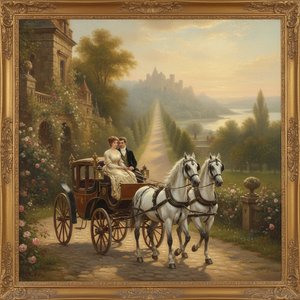
Timeless Elegance: A Visual Journey Through the Romance of Horse Carriage Artworks
Embark on a visual journey through the romantic world of horse carriage art. Discover the mastery of equestrian oil paintings, from Impressionist textures to classical realism, and learn how to bring timeless elegance into your home with museum-quality reproductions.

Nicholas Roerich: Mysticism, Mountains & the Search for Ageless Wisdom in Art
Explore the captivating art of Nicholas Roerich – a visionary painter whose Himalayan landscapes blend spiritual mysticism with cultural preservation. Discover his legacy & symbolism.

The Equine Muse: A Historical & Artistic Exploration of Horses in Painting
Explore the captivating history of horses in painting! Discover Renaissance masterpieces, Baroque grandeur & expert insights for collecting equestrian art. Learn about symbolism, techniques & lasting value with TopImpressionists.
استكشف الأعمال الفنية المصنفة حسب الموضوعات والأنماط والخصائص.


