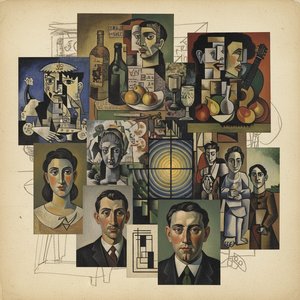
A Glass on a Table: Picasso’s Quiet Observation
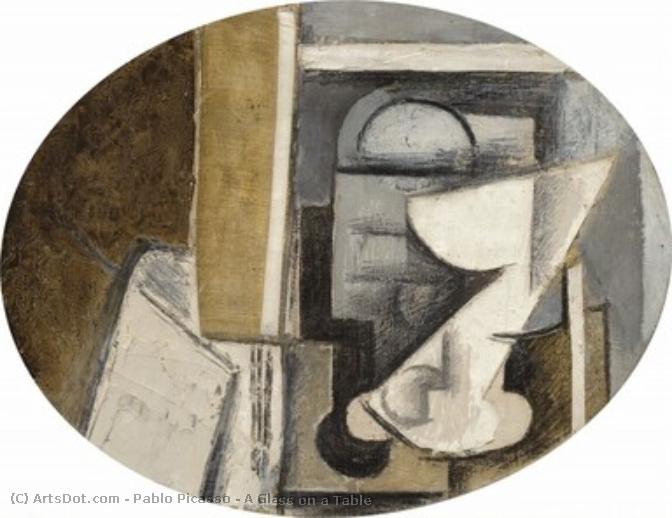
Pablo Picasso's “A Glass on a Table,” painted in 1913, is deceptively simple at first glance—a commonplace scene rendered with the unmistakable mark of Cubist innovation. Yet, beneath its apparent stillness lies a profound exploration of perception and form, reflecting Picasso’s evolving artistic vision during his formative years as a revolutionary artist. This artwork exemplifies the core tenets of Cubism, demonstrating how Picasso dismantled traditional representation to capture multiple viewpoints simultaneously.
- Subject Matter: The painting depicts a solitary glass resting on a tabletop alongside two cups and a vase—objects imbued with everyday significance. However, Picasso elevates these familiar items into subjects of artistic contemplation.
- Style & Technique: Characteristic of Cubism’s Analytical Phase, “A Glass on a Table” employs geometric fragmentation to portray the subject from various perspectives. Planes of color are juxtaposed and superimposed, creating an illusionistic depth that defies conventional spatial realism. Picasso utilizes muted hues—primarily browns and ochres—to emphasize texture and solidity, prioritizing form over accurate depiction.
- Historical Context: Created during a period of intense artistic experimentation in Europe, “A Glass on a Table” aligns with the broader Cubist movement spearheaded by Picasso and Georges Braque. This stylistic breakthrough emerged as a reaction against Impressionism’s focus on fleeting impressions and sought to represent objects as they appear to the eye—a multifaceted experience encompassing multiple viewpoints.
Symbolic Resonance: Beyond Representation
While seemingly devoid of narrative drama, “A Glass on a Table” carries symbolic weight rooted in Picasso’s preoccupation with intellectual concepts and formal explorations. The fragmented glass itself can be interpreted as representing the fractured nature of perception—the impossibility of capturing reality in its entirety. Furthermore, the muted color palette contributes to an atmosphere of introspection and contemplation, mirroring Picasso's own artistic quest for a new visual language.
- Color Palette: The subdued earthy tones – browns and ochres – evoke a sense of stillness and solidity, contrasting with the dynamism of Impressionism.
- Compositional Arrangement: Picasso’s deliberate positioning of the objects—the glass centrally placed, flanked by cups—creates a balanced yet subtly unsettling composition that invites viewers to consider multiple perspectives.
Emotional Impact & Legacy
Despite its understated appearance, “A Glass on a Table” possesses an undeniable emotional resonance. Picasso’s masterful manipulation of form and color conveys a quiet dignity—a celebration of visual precision rather than emotive expression. This artwork stands as a cornerstone of Cubist achievement and solidified Picasso's reputation as one of the most influential artists of the 20th century, paving the way for subsequent artistic movements and continuing to inspire admiration for its intellectual rigor and aesthetic beauty. Its enduring appeal lies in its ability to provoke contemplation about perception and representation—themes that remain central to contemporary art discourse.
Provenance & Recognition
“A Glass on a Table” holds significant historical provenance, having resided in the collections of Galerie Kahnweiler and Galerie Flechtheim before being acquired by Lise Bernheimer Rheinstrom and subsequently passed down through generations. Its inclusion in prestigious exhibitions solidified Picasso’s place among the titans of modern art and cemented its status as an iconic masterpiece—a testament to Picasso's unwavering commitment to artistic innovation and his profound contribution to the history of visual culture.


 معاينة الحجم الحقيقي
 التحويل إلى لوحة مرسومة يدوياً
 مشاركة
 مشاركة
 التفاصيل

 تحميل الملف
 قطع مشابهة
 الأشعة السينية
 عرض شرائح


 عرض المزيد






































 خيار الزجاج متاح فقط للمقاسات التي تقل عن 110 سم