


 معاينة الحجم الواقعي
 إرسال
إرسال مشاركة
 عرض التفاصيل
 دليل الأعمال الفنية للطلاب

 تحميل
تحميل
 قطع مشابهة
 الأشعة السينية
 عرض شرائح متتابع
 الإحصائيات
Child with dove
 زيت على قماش
- لوحات جدارية
- Expressionism
 1901
1901- العصر الحديث
 73.0 x 54.0 cm
Discover Pablo Picasso's poignant 'Child with Dove' (1901), a tender expression of innocence from his Blue Period. Explore its symbolism, artistic context & legacy – available as a stunning hand-painted reproduction.
 اقرأ المزيد
بابلو بيكاسو (1881-1973) رسام ونحات إسباني ثوري، ومؤسس مشارك للتكعيبية، ومبدع في أساليب متنوعة. اشتهر بأعمال أيقونية مثل غرنيكا ونساء أفينيون، ولا يزال إرثه الفني مصدر إلهام للعالم.
إن العمل الفني المعروض في هذه الصفحة محمي بموجب قوانين حقوق الطبع والنشر، مما يعني أنه لا يحق لنا قانوناً إنشاء أو بيع نسخ مطابقة له. وتُطبق هذه الحماية بموجب الاتفاقيات الدولية مثل الـ اتفاقية برن ووفقاً للقوانين الوطنية، بما في ذلك تلك المنصوص عليها في قانون حقوق الطبع والنشر في الولايات المتحدة - الباب 17.
تتوافق هذه الطريقة تماماً مع لوائح حقوق النشر لأنها لا تتضمن نسخ أو تكرار العمل الفني المحمي، بل هي إعادة تفسير إبداعية؛ أي أنها لوحة جديدة مستوحاة من الأصل ولكنها ليست مطابقة له.
طباعة جيلي / مطبوعات فنية
طباعة جيكلي أو كانفاس بجودة المتاحف، مع سرعة في التنفيذ وخيارات متنوعة للتشطيب. ( اطلب نسخة مرسومة يدويًا التحويل إلى الصورة الرقمية)




P118B E£10

P118H E£10

P118W E£10

P438Z E£10

P508JH E£12

P508YH E£12

P805H E£10

P805Z E£10

P919BZ E£10

P919G E£10

P919XJ E£10

P959ZH E£10

P968JZ E£12

W106C E£8

W218G E£10

W218JH E£8

W218Y E£10

W307PJ E£10

W316G E£10

W316PJ E£8

W316Y E£10

W398PJ E£8

W4111J E£10

W500HY E£15

W500JH E£15

W692G E£12

W849H E£8

W940BG E£15

W953PJ E£8




مقاس قياسي
مخصص
CM
INCH
اختر من بين أحجامنا المُعدّة مسبقاً والتي تتوافق مع النسب الأصلية للعمل الفني.
Loading sizes...

العرض
الارتفاع
أدخل العرض والارتفاع اللذين تحتاجهما، ليتناسب مع إطارك أو جدارك. يمكن قص المطبوعة فقط، ولا يمكن أبداً جعلها أكبر من الصورة الأصلية، لذا فإن أي مقاس بشكل مختلف سيؤدي إلى فقدان جزء من الصورة. سنرسل لك نموذجاً رقمياً تجريبياً لاعتماده قبل البدء في عملية الطباعة. الصورة المعروضة في هذه الصفحة لا توضح القص الفعلي — النموذج التجريبي فقط هو ما يظهر ذلك.
توصيل عالمي إلى خلال أسبوعين بدلاً من المدة القياسية البالغة 4/5 أسابيع. (20 أكتوبر)

شحن سريع ومجاني لجميع أنحاء العالم

قماش كتان فاخر

تأمين شامل على الشحن

ضمان استرداد الرسوم الجمركية

ضمان دقة مطابقة الألوان

سياسة الإرجاع خلال 100 يوم (في حالات العيوب فقط)

ضمان استرداد نقدي بنسبة 100%

عرض خصم الكميات
 خيار الزجاج متاح فقط للمقاسات التي تقل عن 110 سم

Child with dove
طباعة جيلي / مطبوعات فنية
مقاس النسخة المطبوعة
-


إجمالي السعر
E£ 3583
Pablo Picasso’s “Child with Dove”: A Serene Echo of the Blue Period
Pablo Picasso's "Child with Dove," painted in 1901 during his formative Blue Period, is more than just a charming depiction of innocence; it’s a poignant meditation on vulnerability and peace within a time of profound social hardship. This work, now beautifully reproduced for collectors worldwide through TopImpressionists.com, offers a rare glimpse into the artist's evolving style and emotional landscape as he transitioned from the stark realism of his early years to the groundbreaking innovations that would define his legacy. The painting immediately draws the viewer in with its quiet intensity – a young girl cradling a white dove within a softly rendered domestic scene, a testament to Picasso’s ability to distill complex emotions into deceptively simple forms.
The composition is remarkably restrained. A small, ginger-haired child dominates the foreground, her gaze direct and slightly melancholic yet imbued with an underlying serenity. She holds a white dove gently in both hands, its presence symbolizing peace, purity, and hope – themes frequently explored by Picasso during this period of economic hardship and social unrest in Spain. Beside her rests a simple ball, a touch of childhood playfulness that subtly contrasts with the overall mood. The background is painted in muted blues and greens, creating a sense of depth while maintaining a harmonious unity. Notice how Picasso utilizes broad brushstrokes to define shapes rather than meticulously detailing every feature; this technique contributes significantly to the painting’s dreamlike quality.
Artistic Context: Navigating the Blue Period
“Child with Dove” is firmly rooted within Picasso's Blue Period, a time marked by somber tones and themes of poverty, suffering, and isolation. Following the tragic loss of his sister, Conchita, in 1901, Picasso was deeply affected by grief and social injustice. This period saw him primarily working with shades of blue – cobalt, Prussian, and cerulean – to convey a sense of melancholy and empathy for the marginalized members of society. While many works from this era depict scenes of hardship and despair, “Child with Dove” stands apart due to its gentle depiction of innocence. It represents a shift towards a more hopeful outlook, suggesting that even amidst adversity, moments of tranquility and beauty can be found.
The influence of Symbolism is also evident in the painting’s use of imagery – the dove as a universal symbol of peace and divine grace. Picasso was deeply influenced by artists like Gustave Moreau and Edvard Munch, whose works explored psychological themes and employed symbolic language to evoke powerful emotions. However, unlike the often-dramatic intensity of these influences, “Child with Dove” maintains a quiet dignity and restraint, reflecting Picasso’s own evolving artistic sensibilities.
Cubism's Seeds: A Revolutionary Approach
While "Child with Dove" is firmly within the Blue Period, it also foreshadows the revolutionary developments that would soon emerge from Picasso’s studio. The painting demonstrates early experimentation with flattened perspective and fragmented forms – hallmarks of what would later become Cubism. The way Picasso simplifies shapes and presents multiple viewpoints simultaneously hints at his future exploration of geometric abstraction. This work can be seen as a crucial stepping stone towards the radical innovations that would transform the art world in the years to come, alongside Georges Braque.
Picasso’s pioneering spirit extended beyond painting; he co-founded Cubism, a movement that challenged traditional notions of representation by breaking down objects into geometric forms and presenting them from multiple perspectives. This approach fundamentally altered how artists depicted reality, paving the way for numerous subsequent art movements, including Futurism, Suprematism, and Constructivism. The legacy of Cubism continues to resonate today, influencing countless artists and shaping our understanding of visual space.
A Timeless Reproduction: Bringing Picasso Home
TopImpressionists.com offers meticulously crafted hand-painted reproductions of “Child with Dove,” allowing art lovers to experience the beauty and emotional depth of this iconic masterpiece in their own homes. Our skilled artisans faithfully recreate Picasso’s delicate brushwork, nuanced color palette, and evocative composition, ensuring that your reproduction captures the essence of the original painting. Whether you're a seasoned collector or simply seeking to add a touch of artistic inspiration to your living space, our high-quality reproductions provide an authentic and accessible way to connect with one of the 20th century’s most influential artists. Explore the full details and dimensions of this stunning reproduction at https://TopImpressionists.com.
Related Works: For a deeper exploration of Picasso’s artistic journey, we also offer exceptional reproductions of “Pablo Picasso: Self-Portrait” (73 x 60 cm, Expressionism, Oil On Canvas) and “Pablo Picasso: Woman with chignon” (Expressionism, Oil On Canvas), showcasing the breadth of his talent and stylistic evolution.
الأسئلة والأجوبة
ما مستوى التباين الذي يظهره "Child with dove" للفنان بابلو بيكاسو؟
تُظهر لوحة "Child with dove" للفنان بابلو بيكاسو تباينًا بيان بين مناطق الضوء والظلال فيها.
هل يمكنني مشاهدة "Child with dove" كعرض شرائح بملء الشاشة؟
يتوفر عرض متتابع للصور في صفحة عرض متتابع الخاصة بـ "Child with dove" للفنان بابلو بيكاسو.
إلى أي فنان يُنسب العمل "Child with dove"؟
الفنان الذي أبدع عمل "Child with dove" هو بابلو بيكاسو. العمل مُدرج تحت اسم بابلو بيكاسو.


نبذة عن الفنان
البدايات في مالاغا: نشأة فنان عبقري
في قلب مدينة مالاغا الساحلية بإسبانيا، وُلد بابلو روسي بيكاسو في الخامس والعشرين من أكتوبر عام 1881. لم يكن مجرد طفل آخر، بل كان بداخله شرارة إبداعية واضحة منذ نعومة أظفاره؛ تقول الأسطورة أن أول كلماته كانت "بيز، بيز" محاولة لقول كلمة "قلم رصاص". هذه الموهبة الفطرية ازدهرت بفضل والده، خوسيه روسي بلاكو، وهو فنان ومدرس فنون، الذي قدم له الأساسيات. لكن بابلو سرعان ما تفوق على معلمه، وأظهر ميلاً فطرياً نحو التصوير الطبيعي ينذر بموهبة استثنائية. انتقلت العائلة لاحقًا إلى كورونا وبرشلونة، وشهدت هذه الفترة مآسي شخصية، بما في ذلك وفاة أخته، وهي تجارب تركت بصمات خفية على أعماله اللاحقة، حيث تكرر موضوع الحزن والفناء. حتى خلال دراسته الرسمية في أكاديمية الفنون الجميلة ببرشلونة ومحاولته القصيرة في الأكاديمية الملكية للفنون الجميلة بمدريد، رفض بيكاسو القيود الأكاديمية الصارمة، مفضلاً الانغماس في أعمال الأساتذة مثل فلاسكيز وغويا، ورسم طريقه نحو الابتكار الفني.الفترات الزرقاء والوردية: استكشاف المشاعر والألوان
شهدت بدايات القرن العشرين ظهور مرحلتين متميزتين في مسيرة بيكاسو الفنية: الفترة الزرقاء (تقريبًا 1901-1904) والفترة الوردية (1904-1906). ولدت الفترة الزرقاء من رحم المعاناة الشخصية والوعي العميق بالمعاناة الاجتماعية، وتتميز بلوحات غارقة في درجات الأزرق والأخضر الداكن. تصور هذه الأعمال شخصيات مهمشة – متسولين، مقعدين، بغايا – بتعاطف مؤثر يلامس موضوعات العزلة واليأس. تعتبر لوحات مثل لا في (1903) والعازف القديم (1903-1904) أمثلة مؤثرة على هذه المرحلة المشحونة عاطفيًا. ومع انتقال بيكاسو إلى باريس وتغيرات في حياته الشخصية، بشرت الفترة الوردية بدخول مرحلة جديدة. أصبح اللوحة أكثر دفئًا، مع تبني درجات اللون الوردي والبرتقالي والأحمر، مما يعكس نظرة أكثر تفاؤلاً. شهدت هذه الفترة اهتماماً بفن السيرك، حيث صور بيكاسو شخصيات مثل عازفي الأكروبات والمهرجين وعائلات السيرك، وهي شخصيات تجسد هشاشة الحياة وقوتها في آن واحد. عائلة السيرك (1905) تلخص بشكل جميل هذا التحول، مع إشارات إلى الاستكشافات الأسلوبية التي تكمن في المستقبل.تحطيم المنظور: التكعيبية وما بعدها
يمثل عام 1907 نقطة تحول حاسمة في تاريخ الفن مع إنشاء لوحة السيدات من أفينيون. تأثر بيكاسو بالنحت الإيبيري والمنحوتات الأفريقية، وحطمت هذه اللوحة الرائدة المفاهيم التقليدية للمنظور والتمثيل. كان هذا انحرافًا جذريًا، ورفضًا متعمدًا للتقاليد التي استمرت لقرون، مما مهد الطريق للتكعيبية. بالتعاون الوثيق مع جورج براك، شارك بيكاسو في تأسيس هذا الحركة الثورية، والتي غيرت بشكل أساسي الطريقة التي يدرك بها الفنانون ويصورون الواقع. تضمنت التكعيبية التحليلية (1909-1912) تجزئة الأشياء إلى أشكال هندسية، تمثل بألوان هادئة، كما لو كانت تفكك الشكل نفسه. تطور هذا إلى التكعيبية التركيبية (1912-1919)، والتي دمجت عناصر الكولاج – قصاصات الصحف وأجزاء القماش – مما أضاف نسيجًا وطبقات بصرية جديدة من التعقيد. لم يكن بيكاسو يهدف ببساطة إلى تمثيل العالم؛ بل سعى إلى تفكيكه وإعادة بنائه وفقًا لشروطه الخاصة.مغامرة فنية لا تهدأ: الكلاسيكية الجديدة، السريالية، والحرب
شهدت العشرينات من القرن الماضي استكشاف بيكاسو لأنماط الكلاسيكية الجديدة، حيث ابتكر شخصيات ضخمة تعكس الأشكال الكلاسيكية مع الحفاظ على حساسية حديثة. في الوقت نفسه، انخرط مع حركة السريالية الناشئة، على الرغم من أنه لم يتماشى تمامًا مع مبادئها. امزجت أعماله خلال هذه الفترة بين التأثيرات الأسلوبية السابقة والصور السريالية والمنظورات المشوهة، مما يدل على تجاربه التي لا هوادة فيها. أثرت مآسي الحرب الأهلية الإسبانية بعمق على بيكاسو، مما أسفر عن إنشاء غرنيكا (1937)، وهي استجابة حية ومؤثرة عاطفياً لقصف غرنيكا. أصبحت هذه اللوحة الضخمة رمزًا دائمًا لفظائع الحرب، مما رسخ مكانة بيكاسو ليس فقط كفنان بل أيضاً كصوت قوي من أجل السلام والعدالة الاجتماعية. خلال الخمسينيات والستينيات، واصل تحدي الحدود، واستكشف السيراميك والنحت والطباعة بفضول ومهارة لا يتزعزعان. جلبه زواجه من جاكلين روك في عام 1961 بُعدًا جديدًا لحياته الشخصية وتعبيراته الفنية.تأثير لا يُقدَّر بثمن
رحل بابلو بيكاسو عن عالمنا في الثامن من أبريل عام 1973 في موجين، فرنسا، تاركًا وراءه جسد عمل مذهل – يقدر بأكثر من 50 ألف قطعة – تستمر في سحر وإلهام. تشكلت مسيرته الفنية من خلال مجموعة متنوعة من التأثيرات، بدءًا من الأساتذة الإسبان مثل فلاسكيز وغويا إلى النحت الإيبيري والفن الأفريقي ولوحات الألوان النابضة بالحياة ل هنري ماتيس. إن تأثيره على فن القرن العشرين لا يُقدَّر بثمن. لقد شارك في تأسيس التكعيبية، ورائد الكولاج والنحت التركيبي، وتحدى باستمرار الأعراف الفنية. أعاد بيكاسو تعريف الفن الحديث، تاركًا بصمة لا تمحى على أجيال من الفنانين وتعزيز مكانته كواحد من أهم الشخصيات وأكثرها تأثيرًا في التاريخ. يمتد إرثه إلى ما وراء اللوحة القماشية، ويردد صداه في العديد من جوانب الثقافة المعاصرة، ويذكرنا بالقوة التحويلية للرؤية الفنية.
بابلو بيكاسو
1881 - 1973 , إسبانيا
لمحة سريعة
- Artistic Movement Or Style: كوبيزم
- Artists Who Influenced This Artist:
- فيلازيس
- جويَا
- Date Of Birth: ٢٥ أكتوبر ١٨٨١م
- Date Of Death: ٨ أبريل ١٩٧٣م
- Full Name: Pablo Diego José Ruiz Picasso
- Nationality: إسبانية
- Notable Artworks:
- ليس ديمويسيلز د'أفيجون
- جرينيكا
- Place Of Birth: مالقة، إسبانيا
مقالات ذات صلة

Cubist Expression: 10 Masterpieces That Revolutionized Modern Art | TopImpressionists
Explore 10 Cubist masterpieces by Picasso, Braque & more! Discover the stories behind these revolutionary paintings and their impact on modern art. Find museum-quality reproductions for your home at TopImpressionists.com – where art comes to life.
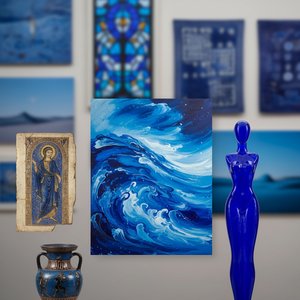
The Allure of Azure: Exploring the Symbolic & Aesthetic Depths of Blue in Art History
Explore the rich history of blue in art! Discover its symbolism, from ancient pigments to modern masterpieces by Kandinsky & Seurat. Uncover the psychological impact and cultural meanings behind this captivating hue.

Slate Blue Masterpieces: 10 Iconic Paintings & Timeless Home Decor Ideas
Immerse yourself in the captivating world of slate blue! Explore 10 iconic paintings by Monet, Van Gogh & Renoir. Discover their stories, techniques & find museum-quality art reproductions for your home at .

Cubism Unveiled: How Picasso and Braque Redefined Reality Through Geometric Abstraction
Explore the revolutionary world of Cubism. Discover how masters Pablo Picasso and Georges Braque dismantled reality through geometric abstraction to redefine modern art history.
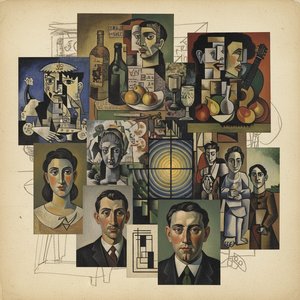
Cubism's Revolution: 10 Masterpieces That Redefined Modern Art | TopImpressionists
Explore 10 Cubist masterpieces by Picasso, Braque & more! Delve into the history of this revolutionary art movement. Find museum-quality reproductions and elevate your home decor with TopImpressionists. Discover all masterpieces on TopImpressionists.com
استكشف الأعمال الفنية المصنفة حسب الموضوعات والأنماط والخصائص.


