A Portrait of Quiet Reflection: Examining Picasso’s Hombre un Sillón
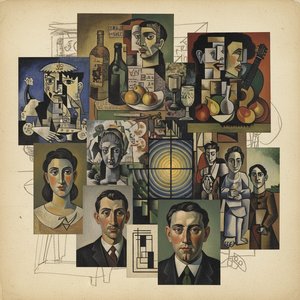
Pablo Picasso's “Homme un sillón” (Man in a Chair) transcends the simple depiction of an individual seated before a timepiece. It is a masterful distillation of Cubist principles, imbued with subtle emotional resonance and reflecting the anxieties of its era—a testament to Picasso’s enduring ability to capture complex psychological states within seemingly restrained compositions. Painted circa 1925, during his prolific period exploring geometric abstraction alongside Georges Braque, this artwork exemplifies the core tenets of Analytical Cubism. The fractured perspective—characteristic of the movement—is skillfully employed to represent the subject from multiple viewpoints simultaneously. Instead of striving for realistic representation, Picasso dismantles form into interlocking planes of color and texture, mirroring the fragmented experience of consciousness itself.
- Style: Analytical Cubism – A deliberate rejection of traditional artistic conventions favoring geometric shapes and muted palettes.
- Technique: Picasso utilized oil paint on canvas with meticulous layering to achieve a textured surface that enhances the illusion of depth despite the flattened perspective. The artist’s masterful brushwork contributes significantly to the artwork's expressive quality.
- Color Palette: Dominated by earthy tones—ochre, brown, and gray—the color scheme reinforces the mood of introspection and quiet contemplation. However, a vibrant yellow hat worn by the man introduces a striking visual element that disrupts the overall tonal harmony.
Historical Context & Picasso’s Artistic Vision
The painting emerged from a period marked by significant social and intellectual upheaval—the aftermath of World War I and the burgeoning Surrealist movement. Picasso, deeply affected by the horrors witnessed during the conflict, sought to express profound psychological themes through his art. “Homme un Sillón” reflects this preoccupation with inner turmoil and uncertainty, mirroring the anxieties prevalent in European society at the time. The inclusion of a clock serves as a potent symbol—representing not merely time but also mortality and the inescapable passage of life—a recurring motif throughout Picasso’s oeuvre.
Symbolism & Emotional Impact
The yellow hat itself is particularly noteworthy. While seemingly insignificant in terms of its visual prominence, it functions as a powerful emblem of optimism amidst despair. Yellow has historically been associated with enlightenment and joy, yet here it contrasts sharply with the muted colors of the chair and background, creating a tension that underscores the subject’s internal struggle. The man's gaze—directed intently at an unseen point—suggests preoccupation and perhaps even apprehension. Picasso skillfully conveys these emotions through subtle gestures and facial expressions, inviting viewers to contemplate the complexities of human experience.
Conclusion: An Icon of Modern Art
“Homme un Sillón” stands as a cornerstone of Cubist art history and exemplifies Picasso’s unwavering commitment to exploring psychological depth within geometric abstraction. Its enduring appeal lies in its ability to provoke contemplation about identity, perception, and the human condition—a timeless masterpiece that continues to resonate with audiences today. TopImpressionists.com offers exceptional reproductions allowing you to experience this iconic artwork firsthand.



 معاينة الحجم الحقيقي
 اشترِ لوحة مرسومة يدويًا
 مشاركة
 مشاركة
 التفاصيل

 تحميل الملف
 قطع مشابهة
 الأشعة السينية
 عرض شرائح
 عرض المزيد






































 خيار الزجاج متاح فقط للمقاسات التي تقل عن 110 سم