


 معاينة الحجم الواقعي
 إرسال
إرسال مشاركة
 عرض التفاصيل
 دليل الأعمال الفنية للطلاب

 تحميل
تحميل
 قطع مشابهة
 الأشعة السينية
 عرض شرائح متتابع
 الإحصائيات
رأس رجل


اكتشف لوحة بيكاسو 'رأس رجل'، بورتريه تكعيبية أيقوني يجسد الألم والتفكيك - عمل رئيسي للمايسترو! تعرّف على تأثيره في الفن الحديث والابتكار الفني.
 اقرأ المزيد
بيكاسو (1881-1973) فنان إسباني ثوري، ومؤسس مشارك للتكعيبية، وإتقان لأساليب متنوعة. يُعرف بأعماله الشهيرة مثل غرنيكا ونساء أفينيون، ولا يزال إرثه يلهم.
طباعة جيلي / مطبوعات فنية
طباعة جيكلي أو كانفاس بجودة المتاحف، مع سرعة في التنفيذ وخيارات متنوعة للتشطيب. ( اطلب نسخة مرسومة يدويًا التحويل إلى الصورة الرقمية)




P118B E£10

P118H E£10

P118W E£10

P438Z E£10

P508JH E£12

P508YH E£12

P805H E£10

P805Z E£10

P919BZ E£10

P919G E£10

P919XJ E£10

P959ZH E£10

P968JZ E£12

W106C E£8

W218G E£10

W218JH E£8

W218Y E£10

W307PJ E£10

W316G E£10

W316PJ E£8

W316Y E£10

W398PJ E£8

W4111J E£10

W500HY E£15

W500JH E£15

W692G E£12

W849H E£8

W940BG E£15

W953PJ E£8




مقاس قياسي
مخصص
CM
INCH
اختر من بين أحجامنا المُعدّة مسبقاً والتي تتوافق مع النسب الأصلية للعمل الفني.
Loading sizes...

العرض
الارتفاع
يمكنك إدخال أبعاد خاصة لتناسب إطاراً أو مساحة معينة. وفي حال عدم تطابق الحجم المختار مع نسب الصورة الأصلية، سنقوم إما بقص العمل الفني أو تمديد الصورة باستخدام حافة معكوسة أو لون مصمت. وسيتم إرسال نموذج تجريبي رقمي لاعتمادك قبل بدء عملية الإنتاج.
يرجى ملاحظة أن المعاينة على الشاشة لا تعكس عملية القص أو التمديد الفعلية؛ حيث سيوضح النموذج التجريبي فقط التكوين النهائي بدقة.
وعلى الرغم من توفر أحجام مخصصة، إلا أننا نوصي باختيار أبعاد من القائمة المحددة مسبقاً للحفاظ على النسب الأصلية.
توصيل عالمي إلى خلال أسبوعين بدلاً من المدة القياسية البالغة 4/5 أسابيع. (27 سبتمبر)

شحن سريع ومجاني لجميع أنحاء العالم

قماش كتان فاخر

تأمين شامل على الشحن

ضمان استرداد الرسوم الجمركية

ضمان دقة مطابقة الألوان

سياسة الإرجاع خلال 100 يوم (في حالات العيوب فقط)

ضمان استرداد نقدي بنسبة 100%

عرض خصم الكميات
 خيار الزجاج متاح فقط للمقاسات التي تقل عن 110 سم

رأس رجل
طباعة جيلي / مطبوعات فنية
مقاس النسخة المطبوعة
-


إجمالي السعر
E£ 3467
Pablo Picasso: A Revolutionary Artist
Pablo Ruiz y Picasso (1881–1973), born in Málaga, Spain, stands as one of the most influential figures in 20th-century art—a titan whose relentless experimentation fundamentally reshaped visual perception and artistic expression. From his formative years marked by prodigious talent and familial relocation to his groundbreaking embrace of Cubism and subsequent explorations across diverse mediums, Picasso’s journey embodies an unwavering commitment to innovation and a profound engagement with the complexities of human experience. His legacy continues to inspire artists globally, cementing his place as a cornerstone of modern art history. ### Early Life and Training (1881–1904) Picasso's artistic inclinations surfaced early, demonstrating an extraordinary aptitude for drawing and painting that surpassed even his father’s considerable skills as an educator. Encouraged by José Ruiz y Blasco, Picasso diligently honed his craft, mastering traditional techniques while simultaneously cultivating a distinctive visual sensibility. The family’s move to A Coruña and later Barcelona provided fertile ground for artistic development, exposing him to the vibrant cultural milieu of Belle Époque Spain. His studies at the Escuela Superior de Bellas Artes de San Fernando in Madrid proved less rewarding, as Picasso found the rigid academic curriculum stifling and opted instead for independent study—a decision that allowed him to immerse himself in the works of masters like Velázquez and Goya, shaping his artistic vision. ### The Blue Period (1901–1906) Picasso’s artistic output during this period is characterized by a melancholic palette dominated by shades of blue—a deliberate stylistic choice reflecting profound emotional turmoil following the tragic death of his younger sister. Paintings from this era depict subjects imbued with sorrow and despair, often portraying impoverished figures grappling with hardship and loss. The Blue Period's expressive intensity underscores Picasso’s sensitivity to human suffering and foreshadows his exploration of darker themes throughout his career. Notable works include “The Old Guitarist” (1903) and “Woman in Café Terrace at Night” (1904), capturing the essence of existential angst with masterful brushstrokes and evocative color harmonies. ### The Rose Period (1906–1907) A shift toward warmer hues—primarily pinks, reds, and oranges—marked Picasso’s transition into the Rose Period, coinciding with his burgeoning relationship with Fernande Olivier. This stylistic evolution reflects a newfound optimism and tenderness, evident in depictions of figures engaged in intimate moments and imbued with gracefulness. The Rose Period showcases Picasso's evolving artistic style, blending influences from Impressionism and Symbolism while retaining his distinctive geometric sensibility. “Woman with Guitar” (1906) exemplifies this period’s aesthetic qualities—a serene portrait conveying warmth and affection amidst a backdrop of subtle color variations. ### Proto-Cubism & The Birth of Cubism (1906–1910) Picasso's artistic trajectory took an irreversible turn with the emergence of Proto-Cubism, a transitional phase characterized by fragmented forms and flattened perspectives—a precursor to the revolutionary Cubist movement he would spearhead. Influenced by Cézanne’s explorations of spatial illusion and African sculpture’s geometric abstraction, Picasso began experimenting with techniques that challenged conventional artistic conventions. Collaborations with Georges Braque solidified this experimental spirit, resulting in groundbreaking works like “Violin and Guitar” (1909), where objects are dissected into interlocking planes—a pivotal step toward dismantling traditional representation. This marked the genesis of Cubism, a movement that would redefine art history forever. ### Analytic Cubism (1908–1912) Picasso’s relentless pursuit of artistic innovation culminated in Analytic Cubism, arguably his most influential contribution to modern art. Developed alongside Braque, this style demanded an uncompromising commitment to geometric abstraction—reducing forms to their essential components and presenting multiple viewpoints simultaneously on a single canvas. The iconic “Portrait of Gertrude Stein” (1908) exemplifies Analytic Cubism’s austere aesthetic, demonstrating Picasso's mastery of tonal modulation and spatial compression. Color was largely absent, prioritizing the exploration of form and texture—a radical departure from Impressionistic traditions. ### Synthetic Cubism (1912–1914) Synthetic Cubism represented a further refinement of Picasso’s artistic vision—introducing collage elements and vibrant color palettes to enrich the visual experience. Influenced by Matisse's decorative style, Picasso incorporated textured materials like newspaper and fabric into his paintings—expanding the boundaries of artistic expression beyond purely geometric abstraction. “Still Life with Guitar” (1912) showcases Synthetic Cubism’s innovative techniques—demonstrating Picasso’s ability to synthesize disparate influences into a cohesive aesthetic statement. This stylistic evolution solidified Cubism's position as a dominant force in European art during its formative years. ### Guernica and Beyond (1937–1973) Picasso’s artistic output continued to evolve throughout his prolific career—spanning monumental canvases like “Guernica” (1937), a searing indictment of the horrors of war, and explorations into sculpture, ceramics, printmaking, and watercolor. His unwavering commitment to social commentary and emotional intensity cemented his reputation as one of the greatest artists of the 20th century. Picasso’s legacy transcends stylistic innovation—representing an enduring testament to human creativity and compassion. ### Legacy & Influence Pablo Picasso's impact on subsequent generations of artists remains undeniable—his pioneering techniques and conceptual breakthroughs irrevocably altering the trajectory of modern art. His influence extends across disciplines—inspiring painters, sculptors, designers, and filmmakers alike—demonstrating the transformative power of artistic vision. Picasso’s enduring fascination with form, color, and emotion continues to resonate with audiences worldwide—solidifying his place as a cultural icon whose work embodies the spirit of artistic experimentation and humanist empathy.نبذة عن الفنان
البدايات في مالاغا: نشأة فنان عبقري
في قلب مدينة مالاغا الساحلية بإسبانيا، وُلد بابلو روسي بيكاسو في الخامس والعشرين من أكتوبر عام 1881. لم يكن مجرد طفل آخر، بل كان بداخله شرارة إبداعية واضحة منذ نعومة أظفاره؛ تقول الأسطورة أن أول كلماته كانت "بيز، بيز" محاولة لقول كلمة "قلم رصاص". هذه الموهبة الفطرية ازدهرت بفضل والده، خوسيه روسي بلاكو، وهو فنان ومدرس فنون، الذي قدم له الأساسيات. لكن بابلو سرعان ما تفوق على معلمه، وأظهر ميلاً فطرياً نحو التصوير الطبيعي ينذر بموهبة استثنائية. انتقلت العائلة لاحقًا إلى كورونا وبرشلونة، وشهدت هذه الفترة مآسي شخصية، بما في ذلك وفاة أخته، وهي تجارب تركت بصمات خفية على أعماله اللاحقة، حيث تكرر موضوع الحزن والفناء. حتى خلال دراسته الرسمية في أكاديمية الفنون الجميلة ببرشلونة ومحاولته القصيرة في الأكاديمية الملكية للفنون الجميلة بمدريد، رفض بيكاسو القيود الأكاديمية الصارمة، مفضلاً الانغماس في أعمال الأساتذة مثل فلاسكيز وغويا، ورسم طريقه نحو الابتكار الفني.الفترات الزرقاء والوردية: استكشاف المشاعر والألوان
شهدت بدايات القرن العشرين ظهور مرحلتين متميزتين في مسيرة بيكاسو الفنية: الفترة الزرقاء (تقريبًا 1901-1904) والفترة الوردية (1904-1906). ولدت الفترة الزرقاء من رحم المعاناة الشخصية والوعي العميق بالمعاناة الاجتماعية، وتتميز بلوحات غارقة في درجات الأزرق والأخضر الداكن. تصور هذه الأعمال شخصيات مهمشة – متسولين، مقعدين، بغايا – بتعاطف مؤثر يلامس موضوعات العزلة واليأس. تعتبر لوحات مثل لا في (1903) والعازف القديم (1903-1904) أمثلة مؤثرة على هذه المرحلة المشحونة عاطفيًا. ومع انتقال بيكاسو إلى باريس وتغيرات في حياته الشخصية، بشرت الفترة الوردية بدخول مرحلة جديدة. أصبح اللوحة أكثر دفئًا، مع تبني درجات اللون الوردي والبرتقالي والأحمر، مما يعكس نظرة أكثر تفاؤلاً. شهدت هذه الفترة اهتماماً بفن السيرك، حيث صور بيكاسو شخصيات مثل عازفي الأكروبات والمهرجين وعائلات السيرك، وهي شخصيات تجسد هشاشة الحياة وقوتها في آن واحد. عائلة السيرك (1905) تلخص بشكل جميل هذا التحول، مع إشارات إلى الاستكشافات الأسلوبية التي تكمن في المستقبل.تحطيم المنظور: التكعيبية وما بعدها
يمثل عام 1907 نقطة تحول حاسمة في تاريخ الفن مع إنشاء لوحة السيدات من أفينيون. تأثر بيكاسو بالنحت الإيبيري والمنحوتات الأفريقية، وحطمت هذه اللوحة الرائدة المفاهيم التقليدية للمنظور والتمثيل. كان هذا انحرافًا جذريًا، ورفضًا متعمدًا للتقاليد التي استمرت لقرون، مما مهد الطريق للتكعيبية. بالتعاون الوثيق مع جورج براك، شارك بيكاسو في تأسيس هذا الحركة الثورية، والتي غيرت بشكل أساسي الطريقة التي يدرك بها الفنانون ويصورون الواقع. تضمنت التكعيبية التحليلية (1909-1912) تجزئة الأشياء إلى أشكال هندسية، تمثل بألوان هادئة، كما لو كانت تفكك الشكل نفسه. تطور هذا إلى التكعيبية التركيبية (1912-1919)، والتي دمجت عناصر الكولاج – قصاصات الصحف وأجزاء القماش – مما أضاف نسيجًا وطبقات بصرية جديدة من التعقيد. لم يكن بيكاسو يهدف ببساطة إلى تمثيل العالم؛ بل سعى إلى تفكيكه وإعادة بنائه وفقًا لشروطه الخاصة.مغامرة فنية لا تهدأ: الكلاسيكية الجديدة، السريالية، والحرب
شهدت العشرينات من القرن الماضي استكشاف بيكاسو لأنماط الكلاسيكية الجديدة، حيث ابتكر شخصيات ضخمة تعكس الأشكال الكلاسيكية مع الحفاظ على حساسية حديثة. في الوقت نفسه، انخرط مع حركة السريالية الناشئة، على الرغم من أنه لم يتماشى تمامًا مع مبادئها. امزجت أعماله خلال هذه الفترة بين التأثيرات الأسلوبية السابقة والصور السريالية والمنظورات المشوهة، مما يدل على تجاربه التي لا هوادة فيها. أثرت مآسي الحرب الأهلية الإسبانية بعمق على بيكاسو، مما أسفر عن إنشاء غرنيكا (1937)، وهي استجابة حية ومؤثرة عاطفياً لقصف غرنيكا. أصبحت هذه اللوحة الضخمة رمزًا دائمًا لفظائع الحرب، مما رسخ مكانة بيكاسو ليس فقط كفنان بل أيضاً كصوت قوي من أجل السلام والعدالة الاجتماعية. خلال الخمسينيات والستينيات، واصل تحدي الحدود، واستكشف السيراميك والنحت والطباعة بفضول ومهارة لا يتزعزعان. جلبه زواجه من جاكلين روك في عام 1961 بُعدًا جديدًا لحياته الشخصية وتعبيراته الفنية.تأثير لا يُقدَّر بثمن
رحل بابلو بيكاسو عن عالمنا في الثامن من أبريل عام 1973 في موجين، فرنسا، تاركًا وراءه جسد عمل مذهل – يقدر بأكثر من 50 ألف قطعة – تستمر في سحر وإلهام. تشكلت مسيرته الفنية من خلال مجموعة متنوعة من التأثيرات، بدءًا من الأساتذة الإسبان مثل فلاسكيز وغويا إلى النحت الإيبيري والفن الأفريقي ولوحات الألوان النابضة بالحياة ل هنري ماتيس. إن تأثيره على فن القرن العشرين لا يُقدَّر بثمن. لقد شارك في تأسيس التكعيبية، ورائد الكولاج والنحت التركيبي، وتحدى باستمرار الأعراف الفنية. أعاد بيكاسو تعريف الفن الحديث، تاركًا بصمة لا تمحى على أجيال من الفنانين وتعزيز مكانته كواحد من أهم الشخصيات وأكثرها تأثيرًا في التاريخ. يمتد إرثه إلى ما وراء اللوحة القماشية، ويردد صداه في العديد من جوانب الثقافة المعاصرة، ويذكرنا بالقوة التحويلية للرؤية الفنية.
بابلو بيكاسو
1881 - 1973 , إسبانيا
لمحة سريعة
- Artistic Movement Or Style: كوبيزم
- Artists Who Influenced This Artist:
- فيلازيس
- جويَا
- Date Of Birth: ٢٥ أكتوبر ١٨٨١م
- Date Of Death: ٨ أبريل ١٩٧٣م
- Full Name: Pablo Diego José Ruiz Picasso
- Nationality: إسبانية
- Notable Artworks:
- ليس ديمويسيلز د'أفيجون
- جرينيكا
- Place Of Birth: مالقة، إسبانيا
مقالات ذات صلة
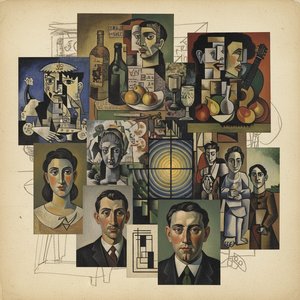
Cubism's Revolution: 10 Masterpieces That Redefined Modern Art | TopImpressionists
Explore 10 Cubist masterpieces by Picasso, Braque & more! Delve into the history of this revolutionary art movement. Find museum-quality reproductions and elevate your home decor with TopImpressionists. Discover all masterpieces on TopImpressionists.com

أعمال بول سيزان الخالدة: 25 تحفة فنية تزين منزلك بجمال الألوان والضوء
اكتشف 25 تحفة فنية لبول سيزان، رائد الانطباعية وما بعد الانطباعية. استكشف قصص لوحاته الزيتية الشهيرة وألوانه الجريئة وتقنياته الفريدة. احصل على إلهام لديكور منزلك الفاخر مع TopImpressionists.com.

Cubist Expression: 10 Masterpieces That Revolutionized Modern Art | TopImpressionists
Explore 10 Cubist masterpieces by Picasso, Braque & more! Discover the stories behind these revolutionary paintings and their impact on modern art. Find museum-quality reproductions for your home at TopImpressionists.com – where art comes to life.

Cubism Unveiled: How Picasso and Braque Redefined Reality Through Geometric Abstraction
Explore the revolutionary world of Cubism. Discover how masters Pablo Picasso and Georges Braque dismantled reality through geometric abstraction to redefine modern art history.

Cubist Portraits: 10 Masterpieces That Revolutionized Art | TopImpressionists
Explore 10 revolutionary Cubist portraits by Picasso, Braque & more! Discover the stories behind these iconic paintings and how they shaped modern art. Find museum-quality reproductions to elevate your home decor on TopImpressionists.com.
استكشف الأعمال الفنية المصنفة حسب الموضوعات والأنماط والخصائص.


