The Meona: A Beach Reverie Captured in Picasso’s Vision
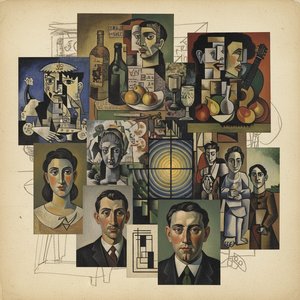
Pablo Picasso's “The Meona,” a captivating depiction of a woman enjoying the tranquility of the Mediterranean shore, stands as a testament to his masterful ability to distill emotion and atmosphere onto canvas. Painted sometime between 1923 and 1924 during Picasso’s prolific period in Antibes, France—a location that profoundly influenced his artistic output—the artwork embodies the spirit of Surrealism while retaining elements of Picasso's signature Cubist style.
- Subject Matter: The painting centers around a woman seated on the beach, bathed in the warm glow of afternoon sunlight. Her posture exudes serenity and contentment as she gazes out at the expansive blue sky and shimmering sea – a scene designed to evoke feelings of peace and escape.
- Style & Technique: Picasso employs a fragmented Cubist approach, breaking down forms into geometric planes that overlap and intersect. However, unlike his earlier works focused on analytical Cubism, “The Meona” leans towards a more lyrical style, prioritizing color and texture to convey mood rather than dissecting visual reality. The artist utilizes bold hues of blue and ochre to capture the vibrancy of the coastal landscape and the woman’s dress.
Historical Context: Picasso's Antibes years coincided with a burgeoning Surrealist movement, spearheaded by André Breton and featuring artists like René Magritte and Joan Miró. While Picasso himself resisted categorization as a Surrealist, he undeniably absorbed influences from the movement’s exploration of dreamlike imagery and subconscious associations. The painting reflects this broader artistic dialogue, subtly hinting at psychological depth beneath its seemingly simple surface.
Symbolism & Emotional Impact: Beyond its visual representation, “The Meona” resonates with deeper symbolic meanings. The woman's gaze directs the viewer’s attention outwards, symbolizing introspection and contemplation amidst the beauty of nature. The towel draped around her waist serves as a grounding element, anchoring her presence in the physical world while simultaneously suggesting vulnerability and repose. Picasso skillfully captures not just what is seen but also what is felt—a poignant meditation on solitude, serenity, and the restorative power of natural surroundings.
Conclusion: “The Meona” exemplifies Picasso’s enduring legacy as an artist who dared to challenge conventions and prioritize emotional expression. Its masterful composition, vibrant color palette, and evocative symbolism continue to captivate audiences today, cementing its place as one of Picasso's most cherished landscapes—a timeless reminder of the beauty found in quiet moments of contemplation.



 Preview
 Switch to hand made Painting
 مشاركة
 مشاركة
 التفاصيل

 تحميل الملف
 قطع مشابهة
 الأشعة السينية
 عرض شرائح
 عرض المزيد






































 خيار الزجاج متاح فقط للمقاسات التي تقل عن 110 سم