


 معاينة الحجم الواقعي
 إرسال
إرسال مشاركة
 عرض التفاصيل
 دليل الأعمال الفنية للطلاب

 تحميل
تحميل
 قطع مشابهة
 الأشعة السينية
 عرض شرائح متتابع
 الإحصائيات
Vauvenargues

Pablo Picasso (1881-1973) was a revolutionary Spanish painter and sculptor, co-founder of Cubism, and master of diverse styles. Known for iconic works like Guernica & Les Demoiselles d'Avignon, his legacy continues to inspire.
 اقرأ المزيد
بابلو بيكاسو (1881-1973) رسام ونحات إسباني ثوري، ومؤسس مشارك للتكعيبية، ومبدع في أساليب متنوعة. اشتهر بأعمال أيقونية مثل غرنيكا ونساء أفينيون، ولا يزال إرثه الفني مصدر إلهام للعالم.
إن العمل الفني المعروض في هذه الصفحة محمي بموجب قوانين حقوق الطبع والنشر، مما يعني أنه لا يحق لنا قانوناً إنشاء أو بيع نسخ مطابقة له. وتُطبق هذه الحماية بموجب الاتفاقيات الدولية مثل الـ اتفاقية برن ووفقاً للقوانين الوطنية، بما في ذلك تلك المنصوص عليها في قانون حقوق الطبع والنشر في الولايات المتحدة - الباب 17.
تتوافق هذه الطريقة تماماً مع لوائح حقوق النشر لأنها لا تتضمن نسخ أو تكرار العمل الفني المحمي، بل هي إعادة تفسير إبداعية؛ أي أنها لوحة جديدة مستوحاة من الأصل ولكنها ليست مطابقة له.
طباعة جيلي / مطبوعات فنية
طباعة جيكلي أو كانفاس بجودة المتاحف، مع سرعة في التنفيذ وخيارات متنوعة للتشطيب. ( اطلب نسخة مرسومة يدويًا التحويل إلى الصورة الرقمية)




P118B E£10

P118H E£10

P118W E£10

P438Z E£10

P508JH E£12

P508YH E£12

P805H E£10

P805Z E£10

P919BZ E£10

P919G E£10

P919XJ E£10

P959ZH E£10

P968JZ E£12

W106C E£8

W218G E£10

W218JH E£8

W218Y E£10

W307PJ E£10

W316G E£10

W316PJ E£8

W316Y E£10

W398PJ E£8

W4111J E£10

W500HY E£15

W500JH E£15

W692G E£12

W849H E£8

W940BG E£15

W953PJ E£8




مقاس قياسي
مخصص
CM
INCH
اختر من بين أحجامنا المُعدّة مسبقاً والتي تتوافق مع النسب الأصلية للعمل الفني.
Loading sizes...

العرض
الارتفاع
أدخل العرض والارتفاع اللذين تحتاجهما، ليتناسب مع إطارك أو جدارك. يمكن قص المطبوعة فقط، ولا يمكن أبداً جعلها أكبر من الصورة الأصلية، لذا فإن أي مقاس بشكل مختلف سيؤدي إلى فقدان جزء من الصورة. سنرسل لك نموذجاً رقمياً تجريبياً لاعتماده قبل البدء في عملية الطباعة. الصورة المعروضة في هذه الصفحة لا توضح القص الفعلي — النموذج التجريبي فقط هو ما يظهر ذلك.
توصيل عالمي إلى خلال أسبوعين بدلاً من المدة القياسية البالغة 4/5 أسابيع. (22 أكتوبر)

شحن سريع ومجاني لجميع أنحاء العالم

قماش كتان فاخر

تأمين شامل على الشحن

ضمان استرداد الرسوم الجمركية

ضمان دقة مطابقة الألوان

سياسة الإرجاع خلال 100 يوم (في حالات العيوب فقط)

ضمان استرداد نقدي بنسبة 100%

عرض خصم الكميات
 خيار الزجاج متاح فقط للمقاسات التي تقل عن 110 سم

Vauvenargues
طباعة جيلي / مطبوعات فنية
مقاس النسخة المطبوعة
-


إجمالي السعر
E£ 3548
Pablo Picasso’s ‘Jacqueline de Vauvenargues’: A Fragmented Portrait of Modern Emotion
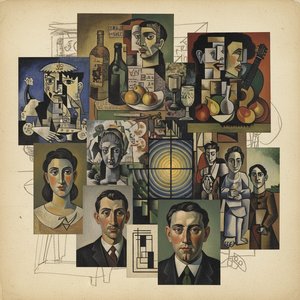
Pablo Ruiz y Picasso, born in Málaga, Spain, on October 25, 1881, stands as a titan amongst modern artists—a figure whose influence reverberates through generations of painters and sculptors. Legend recounts that his earliest utterances were “piz, piz,” an earnest attempt to pronounce ‘pencil,’ reflecting a predisposition towards artistic exploration that would define his entire life’s trajectory. His formative years were nurtured by his father, José Ruiz y Blasco, a painter who instilled in young Pablo the foundational skills necessary for mastering visual representation. Yet Picasso swiftly surpassed his mentor's abilities, demonstrating an astonishing aptitude for naturalistic depiction—a talent that hinted at the monumental creativity destined to blossom within him. The family’s subsequent relocations – initially to A Coruña, then Barcelona – were punctuated by profound personal hardship, notably the devastating loss of Picasso’s sister, experiences which subtly imbued his later oeuvre with themes of melancholy and mortality. Even during formal studies at the École Supérieure des Beaux-Arts in Paris and a brief foray into the Royal Academy of San Fernando, Picasso resisted academic conventions, prioritizing experimentation and innovation over adherence to established dogma.- Subject Matter: Picasso’s ‘Jacqueline de Vauvenargues,’ completed in 1961, captures a portrait of Jacqueline Roque—Picasso's lifelong companion—seated against a backdrop of a simple interior space. The scene is rendered with remarkable precision and emotional depth, encapsulating the complexities of their relationship.
- Style: This artwork exemplifies Picasso’s signature Cubist style, characterized by its radical departure from traditional perspective and representation. Fragments of form are dissected and rearranged to present multiple viewpoints simultaneously, creating a visually arresting illusion of spatial ambiguity.
- Technique: Executed in oil on canvas, ‘Jacqueline de Vauvenargues’ showcases Picasso's masterful control over pigment and texture. He employs a technique known as “collage,” incorporating textured paper fragments into the painting surface—a deliberate gesture that disrupts visual uniformity and enhances the artwork’s expressive power.
Cubism: Deconstructing Reality for Emotional Resonance
The genesis of Cubism lies in Picasso's collaboration with Georges Braque, marking a pivotal moment in artistic history. Rejecting the conventions of Impressionism and Post-Impressionism—which prioritized capturing fleeting impressions of light and color—the duo sought to represent objects from multiple perspectives simultaneously. This ambitious undertaking necessitated a fundamental rethinking of pictorial space, prompting artists to break down forms into geometric planes and reconstruct them on canvas with painstaking accuracy. The resulting images are intellectually stimulating yet profoundly emotive, conveying not merely what an object *looks* like but also how it *feels*. Picasso’s deliberate fragmentation serves as a conduit for exploring psychological states—a technique that anticipates Surrealism's preoccupation with the subconscious mind.- Geometric Abstraction: The painting’s dominant visual language is geometric abstraction, utilizing cubes, rectangles, and planes to depict Jacqueline Roque’s figure and the surrounding environment. These forms are not merely decorative; they actively contribute to the artwork’s conceptual framework—representing a deliberate challenge to conventional notions of realism.
- Color Palette: Picasso employs a restrained color palette dominated by muted tones – predominantly browns, ochres, and creams – reflecting the subdued atmosphere of Roque's studio. The subtle interplay of hues enhances the painting’s contemplative mood, emphasizing textural qualities rather than vibrant chromatic contrasts.
Symbolism Beyond Surface Appearance
Despite its seemingly austere aesthetic, ‘Jacqueline de Vauvenargues’ resonates with layers of symbolic meaning. The inclusion of paper fragments—a hallmark of Picasso's collage technique—represents a conscious effort to disrupt visual harmony and evoke associations with memory and materiality. These textural elements serve as reminders of the artist’s own artistic process—a meta-narrative that underscores the artwork’s enduring relevance. Furthermore, the portrait itself embodies themes of intimacy and companionship—capturing a moment of quiet contemplation between two individuals deeply connected by love and shared experience. Picasso's masterful rendering captures not just Jacqueline Roque's physical likeness but also her inner life—a testament to his ability to transform visual representation into profound psychological insight.A Legacy of Innovation: Picasso’s Enduring Influence
Pablo Picasso’s ‘Jacqueline de Vauvenargues,’ and indeed his entire artistic output, stands as a cornerstone of modern art—a beacon of innovation that continues to inspire artists worldwide. His pioneering exploration of Cubist principles irrevocably altered the trajectory of painting, establishing a new paradigm for representing reality and conveying emotion. By dismantling traditional conventions and embracing fragmentation, Picasso ushered in an era of artistic experimentation—one that prioritized conceptual rigor alongside aesthetic beauty. TopImpressionists.com proudly offers high-quality reproductions of this iconic masterpiece, allowing art lovers everywhere to experience the transformative power of Picasso’s vision.الأسئلة والأجوبة
هل يُعرف بابلو بيكاسو، مبدع "Vauvenargues"، بأسماء أخرى؟
يظهر بابلو بيكاسو تحت أسماء بديلة هي بابلورويزبيكاسو, باكو, بابلو دييغو خوسيه روبين بيكاسو.
ما سبب الوضع الحالي لحقوق الطبع والنشر لـ "Vauvenargues"؟
تعتمد حالة حقوق الطبع والنشر لـ "Vauvenargues" - لا تزال محمية بموجب حقوق الطبع والنشر - على تاريخ وفاة الفنان في 1973.
ما هو الشعور الذي ينقله "Vauvenargues" للفنان بابلو بيكاسو؟
يرتبط العمل "Vauvenargues" بشعور Reflective. ويصف هذا الطابع العاطفي الانطباع الذي يتركه العمل.
نبذة عن الفنان
البدايات في مالاغا: نشأة فنان عبقري
في قلب مدينة مالاغا الساحلية بإسبانيا، وُلد بابلو روسي بيكاسو في الخامس والعشرين من أكتوبر عام 1881. لم يكن مجرد طفل آخر، بل كان بداخله شرارة إبداعية واضحة منذ نعومة أظفاره؛ تقول الأسطورة أن أول كلماته كانت "بيز، بيز" محاولة لقول كلمة "قلم رصاص". هذه الموهبة الفطرية ازدهرت بفضل والده، خوسيه روسي بلاكو، وهو فنان ومدرس فنون، الذي قدم له الأساسيات. لكن بابلو سرعان ما تفوق على معلمه، وأظهر ميلاً فطرياً نحو التصوير الطبيعي ينذر بموهبة استثنائية. انتقلت العائلة لاحقًا إلى كورونا وبرشلونة، وشهدت هذه الفترة مآسي شخصية، بما في ذلك وفاة أخته، وهي تجارب تركت بصمات خفية على أعماله اللاحقة، حيث تكرر موضوع الحزن والفناء. حتى خلال دراسته الرسمية في أكاديمية الفنون الجميلة ببرشلونة ومحاولته القصيرة في الأكاديمية الملكية للفنون الجميلة بمدريد، رفض بيكاسو القيود الأكاديمية الصارمة، مفضلاً الانغماس في أعمال الأساتذة مثل فلاسكيز وغويا، ورسم طريقه نحو الابتكار الفني.الفترات الزرقاء والوردية: استكشاف المشاعر والألوان
شهدت بدايات القرن العشرين ظهور مرحلتين متميزتين في مسيرة بيكاسو الفنية: الفترة الزرقاء (تقريبًا 1901-1904) والفترة الوردية (1904-1906). ولدت الفترة الزرقاء من رحم المعاناة الشخصية والوعي العميق بالمعاناة الاجتماعية، وتتميز بلوحات غارقة في درجات الأزرق والأخضر الداكن. تصور هذه الأعمال شخصيات مهمشة – متسولين، مقعدين، بغايا – بتعاطف مؤثر يلامس موضوعات العزلة واليأس. تعتبر لوحات مثل لا في (1903) والعازف القديم (1903-1904) أمثلة مؤثرة على هذه المرحلة المشحونة عاطفيًا. ومع انتقال بيكاسو إلى باريس وتغيرات في حياته الشخصية، بشرت الفترة الوردية بدخول مرحلة جديدة. أصبح اللوحة أكثر دفئًا، مع تبني درجات اللون الوردي والبرتقالي والأحمر، مما يعكس نظرة أكثر تفاؤلاً. شهدت هذه الفترة اهتماماً بفن السيرك، حيث صور بيكاسو شخصيات مثل عازفي الأكروبات والمهرجين وعائلات السيرك، وهي شخصيات تجسد هشاشة الحياة وقوتها في آن واحد. عائلة السيرك (1905) تلخص بشكل جميل هذا التحول، مع إشارات إلى الاستكشافات الأسلوبية التي تكمن في المستقبل.تحطيم المنظور: التكعيبية وما بعدها
يمثل عام 1907 نقطة تحول حاسمة في تاريخ الفن مع إنشاء لوحة السيدات من أفينيون. تأثر بيكاسو بالنحت الإيبيري والمنحوتات الأفريقية، وحطمت هذه اللوحة الرائدة المفاهيم التقليدية للمنظور والتمثيل. كان هذا انحرافًا جذريًا، ورفضًا متعمدًا للتقاليد التي استمرت لقرون، مما مهد الطريق للتكعيبية. بالتعاون الوثيق مع جورج براك، شارك بيكاسو في تأسيس هذا الحركة الثورية، والتي غيرت بشكل أساسي الطريقة التي يدرك بها الفنانون ويصورون الواقع. تضمنت التكعيبية التحليلية (1909-1912) تجزئة الأشياء إلى أشكال هندسية، تمثل بألوان هادئة، كما لو كانت تفكك الشكل نفسه. تطور هذا إلى التكعيبية التركيبية (1912-1919)، والتي دمجت عناصر الكولاج – قصاصات الصحف وأجزاء القماش – مما أضاف نسيجًا وطبقات بصرية جديدة من التعقيد. لم يكن بيكاسو يهدف ببساطة إلى تمثيل العالم؛ بل سعى إلى تفكيكه وإعادة بنائه وفقًا لشروطه الخاصة.مغامرة فنية لا تهدأ: الكلاسيكية الجديدة، السريالية، والحرب
شهدت العشرينات من القرن الماضي استكشاف بيكاسو لأنماط الكلاسيكية الجديدة، حيث ابتكر شخصيات ضخمة تعكس الأشكال الكلاسيكية مع الحفاظ على حساسية حديثة. في الوقت نفسه، انخرط مع حركة السريالية الناشئة، على الرغم من أنه لم يتماشى تمامًا مع مبادئها. امزجت أعماله خلال هذه الفترة بين التأثيرات الأسلوبية السابقة والصور السريالية والمنظورات المشوهة، مما يدل على تجاربه التي لا هوادة فيها. أثرت مآسي الحرب الأهلية الإسبانية بعمق على بيكاسو، مما أسفر عن إنشاء غرنيكا (1937)، وهي استجابة حية ومؤثرة عاطفياً لقصف غرنيكا. أصبحت هذه اللوحة الضخمة رمزًا دائمًا لفظائع الحرب، مما رسخ مكانة بيكاسو ليس فقط كفنان بل أيضاً كصوت قوي من أجل السلام والعدالة الاجتماعية. خلال الخمسينيات والستينيات، واصل تحدي الحدود، واستكشف السيراميك والنحت والطباعة بفضول ومهارة لا يتزعزعان. جلبه زواجه من جاكلين روك في عام 1961 بُعدًا جديدًا لحياته الشخصية وتعبيراته الفنية.تأثير لا يُقدَّر بثمن
رحل بابلو بيكاسو عن عالمنا في الثامن من أبريل عام 1973 في موجين، فرنسا، تاركًا وراءه جسد عمل مذهل – يقدر بأكثر من 50 ألف قطعة – تستمر في سحر وإلهام. تشكلت مسيرته الفنية من خلال مجموعة متنوعة من التأثيرات، بدءًا من الأساتذة الإسبان مثل فلاسكيز وغويا إلى النحت الإيبيري والفن الأفريقي ولوحات الألوان النابضة بالحياة ل هنري ماتيس. إن تأثيره على فن القرن العشرين لا يُقدَّر بثمن. لقد شارك في تأسيس التكعيبية، ورائد الكولاج والنحت التركيبي، وتحدى باستمرار الأعراف الفنية. أعاد بيكاسو تعريف الفن الحديث، تاركًا بصمة لا تمحى على أجيال من الفنانين وتعزيز مكانته كواحد من أهم الشخصيات وأكثرها تأثيرًا في التاريخ. يمتد إرثه إلى ما وراء اللوحة القماشية، ويردد صداه في العديد من جوانب الثقافة المعاصرة، ويذكرنا بالقوة التحويلية للرؤية الفنية.
بابلو بيكاسو
1881 - 1973 , إسبانيا
لمحة سريعة
- Artistic Movement Or Style: كوبيزم
- Artists Who Influenced This Artist:
- فيلازيس
- جويَا
- Date Of Birth: ٢٥ أكتوبر ١٨٨١م
- Date Of Death: ٨ أبريل ١٩٧٣م
- Full Name: Pablo Diego José Ruiz Picasso
- Nationality: إسبانية
- Notable Artworks:
- ليس ديمويسيلز د'أفيجون
- جرينيكا
- Place Of Birth: مالقة، إسبانيا
مقالات ذات صلة

Pablo Picasso: A Revolutionary Vision – Cubism, Symbolism & Enduring Legacy
Explore the revolutionary art of Pablo Picasso with TopImpressionists.com. Discover Cubism's origins, symbolism in his masterpieces & investment insights for collectors. Expert appraisal & custom reproductions available.

أعمال بول سيزان الخالدة: 25 تحفة فنية تزين منزلك بجمال الألوان والضوء
اكتشف 25 تحفة فنية لبول سيزان، رائد الانطباعية وما بعد الانطباعية. استكشف قصص لوحاته الزيتية الشهيرة وألوانه الجريئة وتقنياته الفريدة. احصل على إلهام لديكور منزلك الفاخر مع TopImpressionists.com.

Cubist Portraits: 10 Masterpieces That Revolutionized Art | TopImpressionists
Explore 10 revolutionary Cubist portraits by Picasso, Braque & more! Discover the stories behind these iconic paintings and how they shaped modern art. Find museum-quality reproductions to elevate your home decor on TopImpressionists.com.
Cubism's Revolution: 10 Masterpieces That Redefined Modern Art | TopImpressionists
Explore 10 Cubist masterpieces by Picasso, Braque & more! Delve into the history of this revolutionary art movement. Find museum-quality reproductions and elevate your home decor with TopImpressionists. Discover all masterpieces on TopImpressionists.com

Cubist Expression: 10 Masterpieces That Revolutionized Modern Art | TopImpressionists
Explore 10 Cubist masterpieces by Picasso, Braque & more! Discover the stories behind these revolutionary paintings and their impact on modern art. Find museum-quality reproductions for your home at TopImpressionists.com – where art comes to life.
استكشف الأعمال الفنية المصنفة حسب الموضوعات والأنماط والخصائص.


