


 معاينة الحجم الواقعي
 إرسال
إرسال مشاركة
 عرض التفاصيل
 دليل الأعمال الفنية للطلاب

 تحميل
تحميل
 قطع مشابهة
 الأشعة السينية
 عرض شرائح متتابع
 الإحصائيات
الإعلان
 أكريليك على كانفاس
- لوحات جدارية
- Renaissance Mannerism
 1555
1555 99.0 x 134.0 cm
 Pinacoteca Nazionale
إعلان البوردوني، تحفة إبداعية في الفن القوطري، تجسد مهارة الفنان وتفاصيله الدقيقة، وموضوعًا دينيًا هامًا يشتهر بالرمزية العميقة والجمال الزخرفي. استكشف هذه اللوحة الرائعة في البيناكوتيكا الوطنية بسوريا.
 اقرأ المزيد
اكتشف باريس بوردوني: رسام عصر النهضة البندقي المعروف بتعقيد أسلوب المانييريزم وحيوية الفن الإقليمي. استكشف أسلوبه الفريد وأعماله الأيقونية مثل 'خاتم الصياد'. #فن #عصر_النهضة
نسخة زيتية مصنوعة يدوياً
لوحة زيتية مرسومة يدوياً على الكانفاس بالمقاس والإطار الذي تفضله، تُنفذ حسب الطلب على أيدي فنانينا. ( التبديل إلى المطبوعات التحويل إلى الصورة الرقمية)




P118B $10

P118H $10

P118W $10

P438Z $10

P508JH $12

P508YH $12

P805H $10

P805Z $10

P919BZ $10

P919G $10

P919XJ $10

P959ZH $10

P968JZ $12

W106C $8

W218G $10

W218JH $8

W218Y $10

W307PJ $10

W316G $10

W316PJ $8

W316Y $10

W398PJ $8

W4111J $10

W500HY $15

W500JH $15

W692G $12

W849H $8

W940BG $15

W953PJ $8




مقاس قياسي
مخصص
CM
INCH
اختر من بين أحجامنا المُعدّة مسبقاً والتي تتوافق مع النسب الأصلية للعمل الفني.
Loading sizes...

العرض
الارتفاع
يمكنك إدخال أبعاد خاصة لتناسب إطاراً أو مساحة معينة. وفي حال عدم تطابق الحجم المختار مع نسب الصورة الأصلية، سنقوم إما بقص العمل الفني أو توسيع اللوحة عبر إضافة عناصر مرسومة يدوياً. وسيتم إرسال نموذج رقمي إليك للموافقة عليه قبل بدء عملية الإنتاج.
يرجى ملاحظة أن المعاينة على الشاشة لا تعكس عملية القص أو التوسيع الفعلية؛ إذ إن النموذج الرقمي هو الوحيد الذي يوضح التكوين النهائي بدقة.
وعلى الرغم من توفر أحجام مخصصة، إلا أننا نوصي باختيار أبعاد من القائمة المحددة مسبقاً للحفاظ على النسب الأصلية للعمل الفني.
أمثلة على التعديلات الممكنة: استبدال الوجه بصورة العميل؛ إضافة حيوان أليف (مثل استبدال قطة بكلب)؛ تضمين رسالة مخفية في الخلفية؛ تغيير المناظر الطبيعية أو العناصر في الخلفية.
بعد إتمام الطلب، سيرسل فريق TopImpressionists.com بريداً إلكترونياً للعميل لطلب التعليمات وتزويده بمعاينة تجريبية (mockup).
بعد إتمام الطلب، سيرسل فريق TopImpressionists.com بريداً إلكترونياً للعميل لطلب التعليمات وتزويده بمعاينة تجريبية (mockup).
توصيل عالمي إلى خلال 3 إلى 4 أسابيع بدلاً من المدة المعتادة البالغة 5 أسابيع. (25 سبتمبر). جودة لا تهاون فيها.

شحن سريع ومجاني لجميع أنحاء العالم

قماش كتان فاخر

تأمين شامل على الشحن

ضمان استرداد الرسوم الجمركية

ضمان دقة مطابقة الألوان

سياسة الإرجاع خلال 100 يوم (في حالات العيوب فقط)

ضمان استرداد نقدي بنسبة 100%

عرض خصم الكميات
 خيار الزجاج متاح فقط للمقاسات التي تقل عن 110 سم

الإعلان
وسيط إعادة الإنتاج
مقاس النسخة المطبوعة
-


إجمالي السعر
$ 269
Annunciation: A Renaissance Masterpiece Illuminated
Paris Bordone’s “Annunciation” stands as a testament to the artistic fervor of the Italian Renaissance, capturing not merely an iconic biblical narrative but also the profound humanist spirit of its time. Executed in 1555, this oil on canvas painting—measuring 99 x 134 cm and currently housed within the Pinacoteca Nazionale di Siena—is more than just a depiction; it’s an immersive experience into a world meticulously crafted by Bordone's masterful hand.
Composition and Perspective: Framing Divinity
The painting immediately draws the viewer into a grand interior space, dominated by arched windows and columns – architectural elements characteristic of Florentine palaces during Bordone’s era. These structures aren’t merely decorative; they serve to elevate the scene, symbolizing divine majesty and reinforcing the solemnity of the event depicted. Bordone skillfully employs linear perspective, guiding the eye towards Mary and Gabriel, creating a palpable sense of depth and realism that distinguishes Renaissance art from its predecessors.
Symbolism: Layers of Meaning
“Annunciation” is rich in symbolic iconography designed to communicate profound theological concepts. The lily held by Gabriel—a traditional emblem of purity—represents Mary’s sanctity, reflecting the Virgin’s unwavering devotion and grace. Simultaneously, Mary's desk features an open book illuminated by stained glass, symbolizing her intellectual pursuits and prayerful contemplation – a deliberate juxtaposition highlighting the harmonious blend of faith and reason that defined Renaissance thought. Above Gabriel and Mary is a cherub holding another lily, reiterating this central theme.
Technique: Detail and Texture
Bordone’s meticulous attention to detail is evident throughout the painting. The artist utilizes glazing techniques—applying thin layers of translucent paint over underlying colors—to achieve luminous effects and imbue the canvas with a velvety texture. Observe how Bordone captures the subtle nuances of light filtering through the stained glass window, creating an ethereal glow that enhances the spiritual atmosphere. The muted earth tones – ochre, umber, and Sienna – contribute to the painting’s dignified mood, conveying serenity and reverence.
Historical Context: Renaissance Faith and Artistic Innovation
"Annunciation" embodies the humanist ideals of the Renaissance—a period marked by renewed interest in classical art and philosophy alongside a fervent devotion to Christianity. Bordone's work reflects the artistic innovations of his time, pushing boundaries while remaining firmly rooted in established conventions. Its presence within the Pinacoteca Nazionale underscores Siena’s role as a cradle of artistic excellence during the Renaissance. Consider how this painting speaks to our own appreciation for beauty and contemplation—a timeless masterpiece that continues to inspire awe centuries after its creation.
- Artist: Paris Bordone (1500 – 1570)
- Year Created: 1555
- Medium: Oil on Canvas
- Dimensions: 99 x 134 cm
- Location: Pinacoteca Nazionale, Siena
Explore the legacy of Bordone and discover exquisite reproductions of “Annunciation” at TopImpressionists and TopImpressionists.
نبذة عن الفنان
المتمرد البندقي: حياة وإرث باريس بوردوني
في المشهد النابض بالحياة والمغمور بأشعة الشمس لعصر النهضة البندقي في القرن السادس عشر، قلة من الشخصيات تمتلك روحاً مستقلة بشراسة باريس بوردوني. ولد بوردوني في تريفيزو حوالي عام 1500، وبرز من ظل كبار الأساتذة لينحت لنفسه سمعة تتسم بتوتر فريد بين النعمة الكلاسيكية والطاقة المانييريزمية (التصنعية) القلقة. وبينما سعى معاصروه غالباً إلى الكمال المصقول لعصر النهضة العالي، احتضن بوردوني جمالية أكثر تعقيداً ومثيرة للجدل أحياناً، مزجت بين النطاق الملحمي لعصره وحيوية إقليمية متميزة. كانت رحلته عبارة عن تفاوض مستمر بين التقاليد الراسخة في البندقية ورغبة لا تلين في صياغة لغة بصرية شخصية.
لقد وُضعت أسس البراعة التقنية لبوردوني خلال سنوات تكوينه في البندقية، ولا سيما من خلال فترة تدريبه تحت إشراف الأسطورة تيتيان. كانت هذه الفترة بلا شك بوتقة موهبته، حيث عرضته للأنسجة الغنية، والإضاءة الدرامية، والعمق الجوي الذي يميز المدرسة البندقية. ومع ذلك، فإن العلاقة بين المعلم والتلميذ كانت مشهورة بما شابها من احتكاك إبداعي؛ إذ تشير الروايات التاريخية، بما في ذلك كتابات فازاري، إلى نوع من عدم الانسجام بين دوافع بوردوني التجريبية وجمالية تيتيان الأكثر تهذيباً. وبدلاً من أن يخنقه هذا التوتر، استخدمه بوردوني كحافز للنمو، مطوراً أسلوباً ابتعد عن المحاكاة البحتة نحو نهج تكويني أكثر تعقيداً وحيوية في بعض الأحيان.
نسيج من الأسطورة، والتقوى، وفن البورتريه
تتميز مسيرة بوردوني الحافلة باتساع استثنائي في الموضوعات، تتراوح بين المقدس والدنيوي. إن قدرته على التنقل في الأيقونات الدينية بنفس القوة التي يتبعها في السرديات الأسطورية سمحت له بجذب الاهتمامات المتنوعة للنخبة البندقية. ففي أعماله الدينية، مثل لوحة عيد العنصرة المحفوظة في متحف الإرميتاج، نلاحظ تمكناً بارعاً من تقنية السفوماتو (التدرج الضبابي) والنغمات الدافئة والعاطفية التي تدعو إلى تأمل روحي عميق. ومع ذلك، حتى داخل هذه الأطر التعبدية، غالباً ما تبرز ملامح التعقيد المانييريزمي من خلال الثنيات المتماوجة للأقمشة والتكوينات الديناميكية المزدحمة.
وعندما يوجه نظره نحو المواضيع العلمانية، حقق بوردوني مستوى من الدراما السردية التي لا تزال تأسر المشاهدين المعاصرين. وتُظهر لوحاته الأسطورية، مثل الرمزية مع العشاق، موهبته في استخدام الألوان النابضة والعمق الرمزي لنسج قصص معقدة عن الشغف والقدر. وقد امتد هذا الإتقان إلى مجال رسم البورتريه، حيث التقط كرامة ومكانة موضوعاته بدقة ملحوظة. ومن الأمثلة البارزة لوحته التي تعود لعام 1540 بورتريه توماس ستاشيل، الموجودة حالياً في متحف اللوفر؛ حيث يستخدم الفنان تكويناً معقداً لإبراز مكانة الشخص المصور، مستخدماً التفاصيل الدقيقة للأردية والرموز النبالية لترسيخ الموضوع في واقع تاريخي ملموس.
الأهمية التاريخية والاستمرارية الفنية
تكمن الأهمية الخالدة لباريس ببوردوني في رفضه للانصياع. فهو يقف كجسر حيوي بين التناغم المتوازن لعصر النهضة المبكر والتعقيدات الأكثر أسلوبية وتعبيرية للفترة المانييريزمية. ورغم أنه قد لا يكون قد وصل إلى القمم العالمية التي بلغها تيتيان، إلا أن عمله يقدم نقيضاً ضرورياً؛ منظوراً أكثر ملموسية وتجريبية وإنسانية للعالم البندقي. وتعمل لوحاته كنوافذ على زمن من التحول العميق، حيث كانت استقرار التقاليد يواجه تحديات من وعي فني جديد وأكثر اضطراباً.
واليوم، يُحفظ إرث بوردوني في بعض أعرق المؤسسات العالمية، مما يدعو الباحثين ومحبي الفن على حد سواء لإعادة اكتشاف رؤيته الفريدة. ويمكن تلخيص مساهماته من خلال عدة ركائز فنية أساسية:
- الابتكار الأسلوبي: الدمج الناجح بين العظمة المستوحاة من تيتيان وبين هيكل تكويني مانييريزمي أكثر تعقيداً.
- تنوع الموضوعات: قدرة لا مثيل لها على التنقل بسلاسة بين الجمال الهادئ للوحة العذراء مع الطفل النائم والحدة الدرامية للرموز التاريخية.
- الإتقان التقني: استخدام متطور للضوء واللون والملمس، مما أضفى إحساساً ملموساً بالحياة والحركة على اللوحة.
- الأثر الثقافي: تمثيل الروح النابضة، والمضطربة غالباً، لتريفيزو والبندقية خلال واحدة من أكثر العصور تحولاً في تاريخ الفن الغربي.

باريس بوردوني
1500 - 1570 , إيطاليا
لمحة سريعة
- Artistic Movement Or Style: الأسلوب المانييري (Mannerist)
- Artists Who Influenced This Artist: تيتيان
- Date Of Birth: 5 يوليو 1500
- Date Of Death: 19 يناير 1571
- Full Name: باريس بوردوني
- Nationality: إيطالي
- Notable Artworks:
- خاتم الصياد
- عيد العنصرة
- جوبيتر وإيو
- معمودية المسيح
- Place Of Birth: تريفيزو، إيطاليا
مقالات ذات صلة

Divine Messengers: A Curated Guide to the Iconography of Angel Gabriel in Art History
Explore the profound beauty of Angel Gabriel in art history. From Renaissance masterpieces to Baroque splendor, our expert guide delves into the sacred iconography and timeless techniques of these divine messengers for the discerning art enthusiast.

Sacred Narratives on Canvas: Exploring Religious Painting Through History
Explore the rich history of religious painting with TopImpressionists.com! Discover iconic artworks, symbolism & techniques from antiquity to the Renaissance. Enhance your art appreciation today.

Sacred Narratives on Canvas: Exploring Religious Scenes & Their Enduring Influence
Explore the rich history of religious art from Giotto to the Renaissance masters with TopImpressionists. Discover symbolism, techniques & enduring legacies. Museum-quality reproductions available.
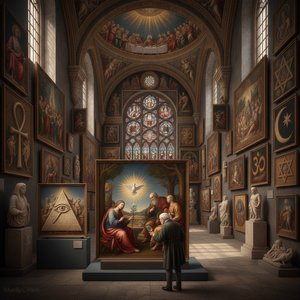
Divine Details: Decoding the Sacred Language of Religious Symbolism in Art History Masterpieces
Explore the profound power of religious symbolism in art history. From Renaissance masterpieces to sacred iconography, uncover the hidden meanings behind divine details in a deep dive into classical art excellence.

Sacred Narratives Embodied: A Comprehensive Exploration of Religious Iconography in Art History
Explore the rich history of religious iconography in art! Discover symbolism, movements & masterpieces from Byzantine to Renaissance periods. Expert insights for collectors and enthusiasts at TopImpressionists.
استكشف الأعمال الفنية المصنفة حسب الموضوعات والأنماط والخصائص.
