


 معاينة الحجم الواقعي
 إرسال
إرسال مشاركة
 عرض التفاصيل
 دليل الأعمال الفنية للطلاب

 تحميل
تحميل
 قطع مشابهة
 الأشعة السينية
 عرض شرائح متتابع
 الإحصائيات
The Eternal Woman (study)


Explore Paul Cézanne's 'The Eternal Woman (study),' a vibrant and dynamic masterpiece blending mythology with Fauvist expression. Bold colors & loose brushwork create an evocative scene.
 اقرأ المزيد
بول سيزان (1839-1906): رائد ما بعد الانطباعية، جسر بين الانطباعية والتكعيبية. اكتشف أعماله الهندسية، واللوحات الصامتة، وتأثيره الدائم على الفن الحديث. #سيزان #ما_بعد_الانطباعية
طباعة جيلي / مطبوعات فنية
طباعة جيكلي أو كانفاس بجودة المتاحف، مع سرعة في التنفيذ وخيارات متنوعة للتشطيب. ( اطلب نسخة مرسومة يدويًا التحويل إلى الصورة الرقمية)




P118B E£10

P118H E£10

P118W E£10

P438Z E£10

P508JH E£12

P508YH E£12

P805H E£10

P805Z E£10

P919BZ E£10

P919G E£10

P919XJ E£10

P959ZH E£10

P968JZ E£12

W106C E£8

W218G E£10

W218JH E£8

W218Y E£10

W307PJ E£10

W316G E£10

W316PJ E£8

W316Y E£10

W398PJ E£8

W4111J E£10

W500HY E£15

W500JH E£15

W692G E£12

W849H E£8

W940BG E£15

W953PJ E£8




مقاس قياسي
مخصص
CM
INCH
اختر من بين أحجامنا المُعدّة مسبقاً والتي تتوافق مع النسب الأصلية للعمل الفني.
Loading sizes...

العرض
الارتفاع
أدخل العرض والارتفاع اللذين تحتاجهما، ليتناسب مع إطارك أو جدارك. يمكن قص المطبوعة فقط، ولا يمكن أبداً جعلها أكبر من الصورة الأصلية، لذا فإن أي مقاس بشكل مختلف سيؤدي إلى فقدان جزء من الصورة. سنرسل لك نموذجاً رقمياً تجريبياً لاعتماده قبل البدء في عملية الطباعة. الصورة المعروضة في هذه الصفحة لا توضح القص الفعلي — النموذج التجريبي فقط هو ما يظهر ذلك.
توصيل عالمي إلى خلال أسبوعين بدلاً من المدة القياسية البالغة 4/5 أسابيع. (27 أكتوبر)

شحن سريع ومجاني لجميع أنحاء العالم

قماش كتان فاخر

تأمين شامل على الشحن

ضمان استرداد الرسوم الجمركية

ضمان دقة مطابقة الألوان

سياسة الإرجاع خلال 100 يوم (في حالات العيوب فقط)

ضمان استرداد نقدي بنسبة 100%

عرض خصم الكميات
 خيار الزجاج متاح فقط للمقاسات التي تقل عن 110 سم

The Eternal Woman (study)
طباعة جيلي / مطبوعات فنية
مقاس النسخة المطبوعة
-


إجمالي السعر
E£ 3568
The Eternal Woman (study) by Paul Cézanne: A Study in Myth and Modernity
- Artist: Paul Cézanne
- Date: Unknown, circa 1877
- Style: Early Fauvism, Post-Impressionism
A Dynamic Depiction of Venus and Adonis
Paul Cézanne’s “The Eternal Woman (study)” offers a captivating glimpse into the artist's exploration of classical mythology through a strikingly modern lens. This artwork presents a vibrant and dynamic depiction of the mythological scene of Venus and Adonis, but rendered in a loose, expressive style that foreshadows the Fauvist movement. The composition is deliberately crowded and chaotic, with figures overlapping and interacting within a shallow space, creating a sense of immediacy and emotional intensity. At the center stands Venus, reclining elegantly amidst a throng of male admirers, each reacting to her presence with varying degrees of admiration, pursuit, and ultimately, despair.
Style and Technique: Embracing Color and Emotion
Cézanne prioritizes color and emotional impact over realistic representation in this piece. The painting utilizes bold, flattened shapes and simplified forms, a hallmark of his evolving style that would later influence Cubism. Lines are loose and gestural, contributing to the sense of movement and energy that permeates the canvas. Textures appear rough and impasto-like due to the visible brushstrokes and layering of oil paints on canvas. The dramatic lighting, with a strong directional light source illuminating Venus, creates deep shadows that define the forms and enhance the overall dynamism. The disregard for traditional perspective further emphasizes the artist's focus on conveying atmosphere and emotion rather than spatial accuracy.
Symbolism and Historical Context
“The Eternal Woman (study)” draws directly from classical mythology, specifically the tragic love story between Venus and Adonis. The symbolism is rich: Venus’s nudity represents beauty and desire, while the surrounding men embody a spectrum of human reactions to these forces. This work was created during a period when artists were increasingly moving away from strict academic realism towards more subjective and expressive forms of art. Cézanne's exploration of simplified forms and intense colors aligns with the burgeoning Fauvist movement, which sought to liberate color from its descriptive function and use it as a primary means of expression. The painting reflects a broader cultural fascination with classical themes reinterpreted through a modern sensibility.
Emotional Impact and Lasting Legacy
The emotional impact of “The Eternal Woman (study)” lies in its raw energy and expressive brushwork. The vibrant color palette – predominantly blues and reds contrasted with yellows and browns – amplifies the sense of drama and passion. While seemingly chaotic at first glance, the composition reveals a carefully considered arrangement that draws the viewer’s eye to Venus while simultaneously conveying the complex dynamics between her and her admirers. This work stands as a testament to Cézanne's revolutionary vision and his profound influence on the development of modern art, bridging the gap between Impressionism and Cubism and paving the way for future generations of artists.
الأسئلة والأجوبة
إلى أي مرحلة من مسيرة بول سيزان الفنية ينتمي العمل "The Eternal Woman (study)"؟
"The Eternal Woman (study)" represents the Early Period of بول سيزان.
هل تُعد "The Eternal Woman (study)" فكرة هدية جيدة؟
يُوصى بـ "The Eternal Woman (study)" للفنان بول سيزان كهدية لـ Anniversary. كما يمكن تقديم نسخة مطبوعة من العمل الفني كهدية.
هل يغلب على "The Eternal Woman (study)" الطابع الفاتح أم الداكن بشكل عام؟
القيم المسجلة لـ "The Eternal Woman (study)" للفنان بول سيزان هي: سطوع بمقدار balanced، وإضاءة بمقدار Soft Shadow.
أعمال فنية مشابهة


نبذة عن الفنان
بول سيزان: رائد التعبيرية الجديدة ونافذة على عالم الأشكال
في قلب المشهد الفني الفرنسي، يبرز بول سيزان كشخصية محورية، جسر يربط بين انطباعات اللحظة العابرة التي ميزت الحركة الانطباعية وتفكيك الأشكال الذي يميز فن التكعيبية. لم يكن طريقه نحو الاعتراف سهلاً؛ بل كان رحلة استكشاف فنيّة بطيئة، مليئة بفترات الشك والرفض النقدي، لتصل في النهاية إلى إرث غيّر مسار الفن الحديث بشكل جذري. وُلد سيزان في إكس آن بروفانس عام 1839 لعائلة ميسورة الحال – كان والده في البداية صانع قبعات ثم أصبح بنكياً – مما منحه حريةً غير معهودة للفنانين الطموحين، ليتمكن من تخصيص نفسه بشغفه دون ضغوط النجاح التجاري الفورية. على الرغم من أن طموحات والده وجهته نحو مسار مهنة قانونية، إلا أن قوة التعبير الفني كانت أقوى، فترك الدراسة ليمارس الرسم، قرارٌ سيُعرّف حياته. تأثرت أعماله المبكرة بالرومانسية السائدة في شبابه ومدرسة باربيزون المكرسة للمناظر الطبيعية، ولكن من خلال لقاءاته مع فنانين مثل بول غوغان وجورج سيرات ومنهجياتهم المبتكرة للألوان والأشكال، بدأ سيزان في صياغة طريقه الفريد.من الظلال إلى البنية: تطور أسلوب
غالبًا ما عكست أعمال سيزان المبكرة الموضوعات الدرامية والمفعمة بالمشاعر التي تميزت بالرسم الرومانسي – حيث تهيمن الألوان الداكنة والضربات الواضحة على لوحاته. ومع ذلك، كانت هذه المرحلة الأولية مجرد خطوة نحو نهج أكثر تحليلية وريادية. غير راضيًا عن مجرد التقاط الانطباعات العابرة للضوء، كما هو الحال في الحركة الانطباعية، انطلق سيزان في مهمة لفهم وتمثيل البنية الأساسية للأشياء نفسها. لم يسع إلى تسجيل *ما* يراه فحسب، بل *كيف* يدرك الأشكال الأساسية التي تشكل الواقع. أدى ذلك إلى تفكيك الأشكال الطبيعية إلى مكافئاتها الهندسية – المخروطات والأسطوانات والكرات – مما بشر بتبعات الثورة التكعيبية عقودًا قبل أن تتحقق. تميزت تقنيته بضربات فرشاة صغيرة ومتكررة، ومُجمّعة بعناية لبناء حقول معقدة من الألوان والملمس، مما يخلق إحساسًا بالصلابة والعمق لم يسبق له مثيل في الرسم. لم يكن مهتمًا بالفضاء الوهمي؛ بل غالبًا ما قدم الأشياء من وجهات نظر متعددة في وقت واحد، متحديًا المفاهيم التقليدية للمنظور، وإجبار المشاهد على المشاركة بنشاط في طبيعة تكوينه. لم تكن هذه التشوهات العمدية عشوائية، بل كانت محاولة لنقل فهم أكثر اكتمالاً للشكل، وتمثيل ليس مجرد لحظة واحدة في الوقت المناسب ولكن توليفة للإدراك.المناظر الطبيعية والأعمال الفنية والجسد البشري: أعمال رئيسية وأنماط متكررة
يتميز عمل سيزان بتنوعه بشكل ملحوظ، حيث يضم مناظر طبيعية وأعمالًا فنية وتصويرات للبورتريه وتصويرات للشخصيات الراقصة، لكن كلها موحدة بمقاربة فريدة للأشكال والألوان. البحيرة في جاس دو بوفان، التي رسمت عام 1880، تجسد عمله في المناظر الطبيعية، حيث يوضح قدرته على التقاط جوهر الطبيعة من خلال ترتيب دقيق للأشكال والنغمات. يكشف بورتريه إميل زولا، الذي تم إنشاؤه عام 1866، عن أسلوبه المتطور ويوفر لمحة مقنعة عن الحدة الفكرية لصديقه وزميله الكاتب المقرب. الأعمال الفنية ليست مجرد تمثيلات للأشياء بل هي استكشافات للحجم والضوء والعلاقات المكانية. سلسلة مون سانتا فيكتوريا أصبحت هوسًا لسيزان، وهو نمط متكرر سمح له بالتحقيق بلا هوادة في الشكل والمنظور على مدى عقود. هذه اللوحات ليست مجرد تصوير لجبل؛ إنها دراسات حول كيفية إدراكنا للعمق والحجم وتفاعل الضوء والظل. أخيرًا، تمثل سلسلة الراقصات، التي تصور شخصيات عارية في مناظر طبيعية خلابة، استكشافًا عميقًا للشكل البشري وعلاقته بالطبيعة، وغالبًا ما تنضح بإحساس بالخلود والتأمل الهادئ.إرث تم تشكيله من خلال الابتكار: تأثير سيزان على الفن الحديث
إن تأثير بول سيزان على الأجيال القادمة من الفنانين لا يقدر بثمن. يُعتبر على نطاق واسع "أبو الفن الحديث" لمساهماته الرائدة في اللغة التصويرية، حيث مهد الطريق للعديد من الحركات الفنية الرئيسية في القرن العشرين. كان بابلو بيكاسو وجورج براك مدينان لـ سيزان بسبب تأكيده على الأشكال الهندسية ووجهات النظر المتعددة، والتي أصبحت مبادئ أساسية للتكعيبية. ألهم استخدامه الجريء للألوان أيضًا حركة الفوفية، بقيادة فنانين مثل هنري ماتيس، الذين تبنوا ألوانًا نابضة بالحياة وغير طبيعية. حتى الفنانون السورياليون وجدوا صدى في استكشاف سيزان للإدراك الذاتي والعمق النفسي. وراء الحركات المحددة، حرر إصرار سيزان على الرؤية الشخصية للفنان ورفضه للقيود الأكاديمية التقليدية أجيالًا من رسامي اللوحات لاستكشاف أشكال جديدة من التعبير. لقد تحدى تعريف التمثيل نفسه، وحول التركيز من تقليد الواقع إلى بناء تجربة بصرية تستند إلى البنية الأساسية والإدراك الذاتي. كان موته عام 1906 علامة على بداية وليس نهاية – فجر حقبة جديدة في تاريخ الفن، تشكلها رؤيته الثورية بعمق.
بول سيزان
1839 - 1906 , فرنسا
لمحة سريعة
- أعمال فنية بارزة:
- البحيرة في جاس دو بوفان
- صورة لعميل زولا
- الغابة
- سلسلة جبل سانتا فيكتوريا
- السباحون
- الاسم الكامل: بول سيزان
- الجنسية: فرنسي
- الحركات الفنية المتأثرة:
- التكعيبية
- الفوفية
- السريالية
- الحركة الفنية: ما بعد الانطباعية
- الفنانون المؤثرون:
- الرومانسية
- مدرسة باربيزون
- بول جوجان
- جورج سيوارت
- تاريخ الميلاد: 19 يناير 1839
- تاريخ الوفاة: 22 أكتوبر 1906
- مكان الميلاد: إكس آن بروفانس، فرنسا
مقالات ذات صلة

Mastering Form: A Definitive Guide to the Structural Genius of Paul Cézanne
Explore the structural genius of Paul Cézanne. Discover how his mastery of geometric form and color bridged Impressionism and Cubism in this definitive guide for art enthusiasts and collectors.

Fauvism's Boldest Visions: 10 Masterpieces That Revolutionized Modern Art | TopImpressionists
Explore 10 Fauvist masterpieces by Matisse, Derain & Vlaminck that ignited Modern Art! Discover bold colors, expressionist landscapes & the history of this revolutionary movement. Find museum-quality prints at TopImpressionists.com.

أعمال بول سيزان الخالدة: 25 تحفة فنية تزين منزلك بجمال الألوان والضوء
اكتشف 25 تحفة فنية لبول سيزان، رائد الانطباعية وما بعد الانطباعية. استكشف قصص لوحاته الزيتية الشهيرة وألوانه الجريئة وتقنياته الفريدة. احصل على إلهام لديكور منزلك الفاخر مع TopImpressionists.com.

بول كلي: 25 تحفة فنية تعكس عبقرية اللون والشكل | TopImpressionists
اكتشف 25 تحفة فنية لبول كلي، رائد الفن التجريدي والسريالي. استكشف قصص لوحاته الملونة وتقنياته الفريدة على TopImpressionists.com. اشترِ إعادة إنتاج عالية الجودة وديكور منزلي فاخر.
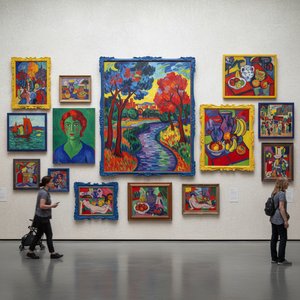
أعلى 10 روائع تحدد ملامح الفوية: رحلة في عالم الألوان الجريئة و الفن الراقي
اكتشف روائع الفوية! استكشف 10 لوحات أيقونية تحدد هذا التيار الفني الجريء مع ماتيس وديرين. قصص فنانين، تقنيات فريدة، وألوان آسرة. احصل على إعادة إنتاج عالية الجودة وابتكر ديكورًا فنيًا راقيًا. استكشف المجموعة الكاملة على TopImpressionists.com
استكشف الأعمال الفنية المصنفة حسب الموضوعات والأنماط والخصائص.


