


 معاينة الحجم الواقعي
 إرسال
إرسال مشاركة
 عرض التفاصيل
 دليل الأعمال الفنية للطلاب

 تحميل
تحميل
 قطع مشابهة
 الأشعة السينية
 عرض شرائح متتابع
 الإحصائيات
The Obstpfluckerin
 Oil On Canvas
- WallArt
- Post-Impressionism
 1877
1877- 19th Century
 15.0 x 22.0 cm
Discover Paul Cézanne's 'The Obstpfluckerin,' a vibrant post-impressionist masterpiece capturing rural life with bold colors and innovative perspective. Explore its dynamic composition & influence on modern art.
 اقرأ المزيد
بول سيزان (1839-1906): رائد ما بعد الانطباعية، جسر بين الانطباعية والتكعيبية. اكتشف أعماله الهندسية، واللوحات الصامتة، وتأثيره الدائم على الفن الحديث. #سيزان #ما_بعد_الانطباعية
طباعة جيلي / مطبوعات فنية
طباعة جيكلي أو كانفاس بجودة المتاحف، مع سرعة في التنفيذ وخيارات متنوعة للتشطيب. ( اطلب نسخة مرسومة يدويًا التحويل إلى الصورة الرقمية)




P118B E£10

P118H E£10

P118W E£10

P438Z E£10

P508JH E£12

P508YH E£12

P805H E£10

P805Z E£10

P919BZ E£10

P919G E£10

P919XJ E£10

P959ZH E£10

P968JZ E£12

W106C E£8

W218G E£10

W218JH E£8

W218Y E£10

W307PJ E£10

W316G E£10

W316PJ E£8

W316Y E£10

W398PJ E£8

W4111J E£10

W500HY E£15

W500JH E£15

W692G E£12

W849H E£8

W940BG E£15

W953PJ E£8




مقاس قياسي
مخصص
CM
INCH
اختر من بين أحجامنا المُعدّة مسبقاً والتي تتوافق مع النسب الأصلية للعمل الفني.
Loading sizes...

العرض
الارتفاع
أدخل العرض والارتفاع اللذين تحتاجهما، ليتناسب مع إطارك أو جدارك. يمكن قص المطبوعة فقط، ولا يمكن أبداً جعلها أكبر من الصورة الأصلية، لذا فإن أي مقاس بشكل مختلف سيؤدي إلى فقدان جزء من الصورة. سنرسل لك نموذجاً رقمياً تجريبياً لاعتماده قبل البدء في عملية الطباعة. الصورة المعروضة في هذه الصفحة لا توضح القص الفعلي — النموذج التجريبي فقط هو ما يظهر ذلك.
توصيل عالمي إلى خلال أسبوعين بدلاً من المدة القياسية البالغة 4/5 أسابيع. (25 أكتوبر)

شحن سريع ومجاني لجميع أنحاء العالم

قماش كتان فاخر

تأمين شامل على الشحن

ضمان استرداد الرسوم الجمركية

ضمان دقة مطابقة الألوان

سياسة الإرجاع خلال 100 يوم (في حالات العيوب فقط)

ضمان استرداد نقدي بنسبة 100%

عرض خصم الكميات
 خيار الزجاج متاح فقط للمقاسات التي تقل عن 110 سم

The Obstpfluckerin
طباعة جيلي / مطبوعات فنية
مقاس النسخة المطبوعة
-


إجمالي السعر
E£ 3571
The Obstpfluckerin: A Glimpse into Cezanne’s Revolutionary Vision
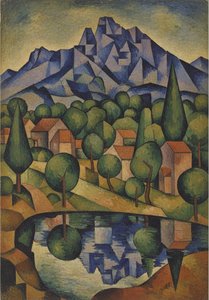
Paul Cézanne's The Obstpfluckerin (1877) isn’t merely a depiction of rural life; it’s a pivotal moment in art history, a carefully constructed tableau that presaged the radical shifts of modernism. This intimate oil on canvas, measuring just 15 x 22 centimeters, offers a profound meditation on form, space, and the very essence of observation – qualities that would profoundly influence generations of artists to come. Cezanne, already wrestling with the limitations of Impressionism’s fleeting effects, sought to capture not just what he *saw*, but how he *felt* about what he saw, a deeply personal engagement with the world translated onto canvas.
The scene unfolds in a sun-drenched meadow, dominated by the warm hues of grass and foliage. Two figures, rendered with an almost sculptural quality, are engaged in the simple act of harvesting fruit – a commonplace activity elevated to a subject of intense artistic scrutiny. One man, holding a ball, gestures towards another who wears a hat, creating a subtle dynamic tension within the composition. A third figure, riding a horse in the background, adds depth and spatial complexity, hinting at a larger world beyond the immediate foreground. Notice how Cézanne deliberately avoids sharp outlines or photographic realism; instead, he employs broken brushstrokes and overlapping planes of color to create an illusion of three-dimensionality – a technique that would become central to Cubism.
Post-Impressionism: A Reaction and a Revolution
The Obstpfluckerin firmly establishes Cézanne as a key figure in the Post-Impressionist movement. Emerging roughly between 1886 and 1905, this artistic current represented a deliberate departure from the Impressionists’ focus on capturing transient light and color. While Impressionists sought to represent the *impression* of a scene, Cézanne and his contemporaries – including Van Gogh and Gauguin – were driven by a desire to explore underlying structures, emotional resonance, and subjective experience. They utilized bold colors, distorted forms, and simplified compositions to convey their individual perspectives on reality. Cézanne’s work, in particular, moved beyond mere observation towards an active engagement with the subject matter, transforming it into a vehicle for expressing his own artistic vision.
Consider Cézanne's approach to perspective – he deliberately flattened space and manipulated viewpoints, creating a sense of visual ambiguity. This wasn’t simply a stylistic choice; it reflected his belief that art should represent not just what is seen, but how the eye *perceives* it. The painting’s composition feels simultaneously grounded in reality and imbued with Cézanne's unique sensibility – a testament to his revolutionary approach to artistic representation.
Symbolism and Emotional Resonance
Beyond its formal innovations, The Obstpfluckerin resonates with a quiet sense of human connection. The figures, though anonymous, seem engaged in a shared activity, suggesting a community bound by labor and tradition. The bright colors evoke the warmth of summer and the bounty of nature, while the muted tones of the background create a sense of distance and contemplation. Cézanne’s deliberate use of color isn't merely decorative; it serves to heighten the emotional impact of the scene, inviting viewers to contemplate the beauty and simplicity of everyday life.
The painting can be interpreted as an exploration of the relationship between humanity and nature – a theme that was central to Cézanne’s artistic concerns. He sought to capture not just the outward appearance of the natural world, but also its underlying essence, its inherent dignity and power. The Obstpfluckerin is therefore more than just a depiction of fruit pickers; it's a profound meditation on the human condition and our place within the larger tapestry of existence.
A Legacy in Modern Art
Cézanne’s influence extends far beyond his own time. His groundbreaking approach to form, color, and perspective paved the way for Cubism, Fauvism, and countless other modern art movements. Artists like Picasso and Matisse were deeply indebted to Cézanne's innovations, recognizing in his work a radical departure from traditional artistic conventions. The Obstpfluckerin stands as a powerful reminder of Cézanne’s pivotal role in shaping the course of art history – a testament to the enduring power of observation, emotion, and artistic vision.
الأسئلة والأجوبة
ما مستوى التباين الذي يظهره "The Obstpfluckerin" للفنان بول سيزان؟
تُظهر لوحة "The Obstpfluckerin" للفنان بول سيزان تباينًا Bold بين مناطق الضوء والظلال فيها.
ما هو شكل وأبعاد "The Obstpfluckerin" للفنان بول سيزان؟
تأتي لوحة "The Obstpfluckerin" بتنسيق Landscape، وتصل أبعاد النسخة الأصلية إلى 15 x 22 cm؛ وكلاهما أمر مفيد عند التخطيط لعمل نسخة مطابقة.
أين يمكنني العثور على إحصائيات حول "The Obstpfluckerin" للفنان بول سيزان؟
توجد صفحة الإحصائيات خاصة بـ "The Obstpfluckerin"، حيث تعرض مخططاً للزيارات الشهرية لهذا العمل الفني ولأعمال الفنان الأخرى، مع تفصيل حسب الدولة واللغة.
أعمال فنية مشابهة


نبذة عن الفنان
بول سيزان: رائد التعبيرية الجديدة ونافذة على عالم الأشكال
في قلب المشهد الفني الفرنسي، يبرز بول سيزان كشخصية محورية، جسر يربط بين انطباعات اللحظة العابرة التي ميزت الحركة الانطباعية وتفكيك الأشكال الذي يميز فن التكعيبية. لم يكن طريقه نحو الاعتراف سهلاً؛ بل كان رحلة استكشاف فنيّة بطيئة، مليئة بفترات الشك والرفض النقدي، لتصل في النهاية إلى إرث غيّر مسار الفن الحديث بشكل جذري. وُلد سيزان في إكس آن بروفانس عام 1839 لعائلة ميسورة الحال – كان والده في البداية صانع قبعات ثم أصبح بنكياً – مما منحه حريةً غير معهودة للفنانين الطموحين، ليتمكن من تخصيص نفسه بشغفه دون ضغوط النجاح التجاري الفورية. على الرغم من أن طموحات والده وجهته نحو مسار مهنة قانونية، إلا أن قوة التعبير الفني كانت أقوى، فترك الدراسة ليمارس الرسم، قرارٌ سيُعرّف حياته. تأثرت أعماله المبكرة بالرومانسية السائدة في شبابه ومدرسة باربيزون المكرسة للمناظر الطبيعية، ولكن من خلال لقاءاته مع فنانين مثل بول غوغان وجورج سيرات ومنهجياتهم المبتكرة للألوان والأشكال، بدأ سيزان في صياغة طريقه الفريد.من الظلال إلى البنية: تطور أسلوب
غالبًا ما عكست أعمال سيزان المبكرة الموضوعات الدرامية والمفعمة بالمشاعر التي تميزت بالرسم الرومانسي – حيث تهيمن الألوان الداكنة والضربات الواضحة على لوحاته. ومع ذلك، كانت هذه المرحلة الأولية مجرد خطوة نحو نهج أكثر تحليلية وريادية. غير راضيًا عن مجرد التقاط الانطباعات العابرة للضوء، كما هو الحال في الحركة الانطباعية، انطلق سيزان في مهمة لفهم وتمثيل البنية الأساسية للأشياء نفسها. لم يسع إلى تسجيل *ما* يراه فحسب، بل *كيف* يدرك الأشكال الأساسية التي تشكل الواقع. أدى ذلك إلى تفكيك الأشكال الطبيعية إلى مكافئاتها الهندسية – المخروطات والأسطوانات والكرات – مما بشر بتبعات الثورة التكعيبية عقودًا قبل أن تتحقق. تميزت تقنيته بضربات فرشاة صغيرة ومتكررة، ومُجمّعة بعناية لبناء حقول معقدة من الألوان والملمس، مما يخلق إحساسًا بالصلابة والعمق لم يسبق له مثيل في الرسم. لم يكن مهتمًا بالفضاء الوهمي؛ بل غالبًا ما قدم الأشياء من وجهات نظر متعددة في وقت واحد، متحديًا المفاهيم التقليدية للمنظور، وإجبار المشاهد على المشاركة بنشاط في طبيعة تكوينه. لم تكن هذه التشوهات العمدية عشوائية، بل كانت محاولة لنقل فهم أكثر اكتمالاً للشكل، وتمثيل ليس مجرد لحظة واحدة في الوقت المناسب ولكن توليفة للإدراك.المناظر الطبيعية والأعمال الفنية والجسد البشري: أعمال رئيسية وأنماط متكررة
يتميز عمل سيزان بتنوعه بشكل ملحوظ، حيث يضم مناظر طبيعية وأعمالًا فنية وتصويرات للبورتريه وتصويرات للشخصيات الراقصة، لكن كلها موحدة بمقاربة فريدة للأشكال والألوان. البحيرة في جاس دو بوفان، التي رسمت عام 1880، تجسد عمله في المناظر الطبيعية، حيث يوضح قدرته على التقاط جوهر الطبيعة من خلال ترتيب دقيق للأشكال والنغمات. يكشف بورتريه إميل زولا، الذي تم إنشاؤه عام 1866، عن أسلوبه المتطور ويوفر لمحة مقنعة عن الحدة الفكرية لصديقه وزميله الكاتب المقرب. الأعمال الفنية ليست مجرد تمثيلات للأشياء بل هي استكشافات للحجم والضوء والعلاقات المكانية. سلسلة مون سانتا فيكتوريا أصبحت هوسًا لسيزان، وهو نمط متكرر سمح له بالتحقيق بلا هوادة في الشكل والمنظور على مدى عقود. هذه اللوحات ليست مجرد تصوير لجبل؛ إنها دراسات حول كيفية إدراكنا للعمق والحجم وتفاعل الضوء والظل. أخيرًا، تمثل سلسلة الراقصات، التي تصور شخصيات عارية في مناظر طبيعية خلابة، استكشافًا عميقًا للشكل البشري وعلاقته بالطبيعة، وغالبًا ما تنضح بإحساس بالخلود والتأمل الهادئ.إرث تم تشكيله من خلال الابتكار: تأثير سيزان على الفن الحديث
إن تأثير بول سيزان على الأجيال القادمة من الفنانين لا يقدر بثمن. يُعتبر على نطاق واسع "أبو الفن الحديث" لمساهماته الرائدة في اللغة التصويرية، حيث مهد الطريق للعديد من الحركات الفنية الرئيسية في القرن العشرين. كان بابلو بيكاسو وجورج براك مدينان لـ سيزان بسبب تأكيده على الأشكال الهندسية ووجهات النظر المتعددة، والتي أصبحت مبادئ أساسية للتكعيبية. ألهم استخدامه الجريء للألوان أيضًا حركة الفوفية، بقيادة فنانين مثل هنري ماتيس، الذين تبنوا ألوانًا نابضة بالحياة وغير طبيعية. حتى الفنانون السورياليون وجدوا صدى في استكشاف سيزان للإدراك الذاتي والعمق النفسي. وراء الحركات المحددة، حرر إصرار سيزان على الرؤية الشخصية للفنان ورفضه للقيود الأكاديمية التقليدية أجيالًا من رسامي اللوحات لاستكشاف أشكال جديدة من التعبير. لقد تحدى تعريف التمثيل نفسه، وحول التركيز من تقليد الواقع إلى بناء تجربة بصرية تستند إلى البنية الأساسية والإدراك الذاتي. كان موته عام 1906 علامة على بداية وليس نهاية – فجر حقبة جديدة في تاريخ الفن، تشكلها رؤيته الثورية بعمق.
بول سيزان
1839 - 1906 , فرنسا
لمحة سريعة
- أعمال فنية بارزة:
- البحيرة في جاس دو بوفان
- صورة لعميل زولا
- الغابة
- سلسلة جبل سانتا فيكتوريا
- السباحون
- الاسم الكامل: بول سيزان
- الجنسية: فرنسي
- الحركات الفنية المتأثرة:
- التكعيبية
- الفوفية
- السريالية
- الحركة الفنية: ما بعد الانطباعية
- الفنانون المؤثرون:
- الرومانسية
- مدرسة باربيزون
- بول جوجان
- جورج سيوارت
- تاريخ الميلاد: 19 يناير 1839
- تاريخ الوفاة: 22 أكتوبر 1906
- مكان الميلاد: إكس آن بروفانس، فرنسا
مقالات ذات صلة

Cultivating Visions: Rural Life & Social Commentary in Art History
Explore the rich history of rural life in art! Discover masterpieces from Dutch Masters to Van Gogh & Courbet. Uncover artistic movements, social significance & expert collecting insights at TopImpressionists.

أعمال بول سيزان الخالدة: 25 تحفة فنية تزين منزلك بجمال الألوان والضوء
اكتشف 25 تحفة فنية لبول سيزان، رائد الانطباعية وما بعد الانطباعية. استكشف قصص لوحاته الزيتية الشهيرة وألوانه الجريئة وتقنياته الفريدة. احصل على إلهام لديكور منزلك الفاخر مع TopImpressionists.com.

Echoes of Rural Life: Art's Enduring Representations of the Countryside
Explore the rich history of rural life in art! Discover masterpieces from Millet to Mauve & beyond. Learn about Realism, Barbizon School & find inspiration for your home with TopImpressionists.
Mastering the Post-Impressionist Vision: A Definitive Guide to the Geometric Soul of Cézanne’s Artistry
Explore the profound legacy of Paul Cézanne. Discover how his mastery of geometric forms and vibrant color bridged Impressionism and Cubism, offering timeless inspiration for fine art collectors and enthusiasts seeking to understand the foundations of modern art.

Echoes of Rural Life: Nostalgia, Labor & Identity in Art History
Explore the rich history of rural life in art! Discover how Realism captured labor & identity through masterpieces by Van Gogh, Millet & more. Expert analysis for collectors and enthusiasts.
استكشف الأعمال الفنية المصنفة حسب الموضوعات والأنماط والخصائص.


