


 معاينة الحجم الواقعي
 إرسال
إرسال مشاركة
 عرض التفاصيل
 دليل الأعمال الفنية للطلاب

 تحميل
تحميل
 قطع مشابهة
 الأشعة السينية
 عرض شرائح متتابع
 الإحصائيات
The Wall


Experience Sérusier's vibrant Synthetism in The Wall (1890), a Post-Impressionist mosaic echoing Gauguin's bold color theory; discover this masterpiece today.
 اقرأ المزيد
"بول سيرييه، رسام فرنسي رائد في الفن التجريدي وحركة النابيين. اكتشف أسلوبه المميز في استخدام الألوان الجريئة ولوحاته الشهيرة مثل "التميمة". فنان مؤثر في تاريخ الفن الحديث."
احصل على صورة رقمية عالية الدقة ومعزّزة، بجودة تفوق بكثير المعاينة عبر الإنترنت.
يتم إعداد كل ملف بعناية فائقة على أيدي متخصصينا باستخدام أدوات متقدمة ولمسات يدوية خبيرة، لضمان تمتع كل صورة بوضوح استثنائي، ودقة لونية متناهية، وتفاصيل دقيقة.
يتم تسليم الملف النهائي عبر البريد الإلكتروني في غضون 72 ساعة، وهو مُحسَّن للاستخدام الفوري في المجالات المهنية والتحريرية ومجالات الطباعة؛ وهي ذات الجودة التي تعتمد عليها كبرى استوديوهات التصميم ودور النشر والمعارض الفنية المرموقة.
صورة رقمية
حمّل ملفاً عالي الدقة للعرض الشخصي، والطباعة، والمشاريع الإبداعية. ( التبديل إلى المطبوعات اطلب نسخة مرسومة يدويًا)
مزايا مُضمّنة مع كل طلب صورة رقمية
خدمة تسليم رقمي احترافية ومضمونة
عندما تختار TopImpressionists.com، فأنت لا تحصل على مجرد صورة فحسب، بل ستحصل على عمل فني رقمي مُحسّن باحترافية، صُمم بدقة متناهية ومصحوب بضمان الرضا. إليك كل ما يتضمنه طلبك تلقائياً:

تسليم سريع عبر البريد الإلكتروني
ستصلك ملفات صورك الرقمية عالية الدقة عبر البريد الإلكتروني في غضون 72 ساعة من إتمام الطلب - لتكون جاهزة للاستخدام الفوري.

ملف رقمي مُعزز بالذكاء الاصطناعي
يتم تحسين عملك الفني باحترافية باستخدام أدوات الذكاء الاصطناعي المتقدمة والتحرير اليدوي، لضمان أقصى درجات التفاصيل والوضوح ودقة الألوان.

إعادة إرسال مجانية مدى الحياة
هل حذفت ملفك أو فقدته عن طريق الخطأ؟ لا تقلق - سنعيد إرساله إليك في أي وقت، مجاناً.

بدون رسوم استيراد - على الإطلاق
استمتع بأعمالك الفنية فوراً دون أي رسوم جمركية أو ضرائب أو مصاريف شحن - فالتحميلات الرقمية دائماً ما تكون معفاة من الضرائب.

ضمان دقة الألوان
نضمن لك دقة انعكاس الألوان الأصلية في صورتك الرقمية بأقصى قدر ممكن، وذلك باستخدام أدوات احترافية وتقنيات متطورة لإدارة الألوان.

ضمان الرضا لمدة 100 يوم
إذا لم تكن راضياً عن صورتك الرقمية، فسنقوم بتعديلها أو استرداد 100% من قيمتها خلال 100 يوم - دون طرح أي أسئلة.

ضمان استعادة الأموال بنسبة 100%
لم تكن راضياً؟ استرد كامل المبلغ خلال 100 يوم من استلام ملفك الرقمي - دون طرح أي أسئلة.

خصومات الطلبات الكبيرة
اشتري 3 صور، ووفر 10% - اشتري 5، ووفر 15% - اشتري +10، ووفر 20%. مثالية للمشاريع الإبداعية، والمعارض، والوكالات.
A Visionary Echo of Gauguin's Influence
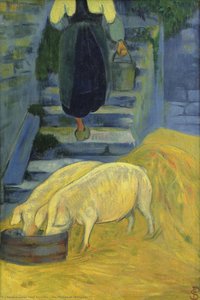
Paul Sérusier’s “The Wall,” painted in 1890, stands as a testament to the burgeoning spirit of abstraction within Post-Impressionism and represents a crucial juncture in artistic history. Executed during his formative years alongside Vincent van Gogh and Paul Gauguin at Pont-Aven, Brittany, this unassuming landscape transcends mere depiction; it embodies a deliberate quest for expressive simplification—a technique championed by Gauguin himself—that would profoundly shape the trajectory of modern art.
- Subject Matter: The painting captures a tranquil rural scene featuring a man seated beside a weathered fence, framed against a backdrop of lush greenery and scattered trees.
- Style: Sérusier’s style aligns squarely with Synthetism, an avant-garde movement born from Gauguin's exploration of pure color and form. It eschews meticulous realism in favor of conveying emotion and spiritual resonance through flattened planes of pigment.
Technique: Cloisonnism – A Bold Departure From Tradition
Sérusier’s masterful application of cloisonnism—a technique popularized by Gauguin—is immediately apparent. Unlike traditional oil painting, where colors blend seamlessly, cloisonnism employs thin layers of pigment separated by lines of white gesso or bole. This method creates a mosaic-like effect, emphasizing distinct areas of color and enhancing the textural quality of the artwork. The deliberate use of white adds luminosity and contributes to the overall sense of serenity.
Historical Context: Gauguin’s Pont-Aven Circle & The Seeds of Abstraction
“The Wall” emerged from the influential Pont-Aven circle, where Sérusier collaborated closely with Gauguin on groundbreaking artistic experiments. Gauguin's unwavering belief in the power of color and symbolic representation served as a catalyst for artists like Sérusier to push beyond Impressionistic conventions. This painting represents not merely a beautiful landscape but also an active engagement with philosophical ideas concerning spirituality and the relationship between humanity and nature—themes central to the broader artistic discourse of the period.
Symbolism & Emotional Resonance: Beyond Representation
The composition itself speaks volumes about Sérusier’s intentions. The solitary figure, positioned near the fence, suggests contemplation and introspection. While seemingly simple in its visual elements, “The Wall” vibrates with emotional depth—a quiet stillness punctuated by the vibrant hues of the surrounding landscape. It invites viewers to consider not what is seen but what is felt; a subtle echo of Gauguin’s desire to capture the essence of experience rather than merely reproducing it.
A Legacy of Influence
"The Wall" solidified Sérusier's position as one of the foremost figures in Synthetism and profoundly impacted subsequent generations of artists. Its understated beauty combined with its innovative technique continues to inspire admiration and serves as a poignant reminder of the transformative potential inherent within artistic exploration—a legacy that resonates powerfully even today.
الأسئلة والأجوبة
أين يمكنني تحميل "The Wall" للفنان بول سيروسيي؟
يمكن تحميل "The Wall" للفنان بول سيروسيي من صفحة تحميل الخاصة بالعمل الفني، بصفتها تحميل صورة رقمية عالية الدقة.
ما هي المساحة التي تتناغم مع ألوان "The Wall" للفنان بول سيروسيي؟
تتناغم ألوان Dark في لوحة "The Wall" للفنان بول سيروسيي مع المساحة الموصى بها لها: وهي Living Room.
كيف يمكنني معاينة نسخة من "The Wall" للفنان بول سيروسيي؟
تتيح لك صفحة معاينة الخاصة بـ "The Wall" معاينة العمل الفني قبل الطلب.
هل يمكنني طلب نسخة زيتية مرسومة يدوياً من "The Wall"؟
تتوفر نسخة "The Wall" المرسومة يدوياً عبر نسخة زيتية مرسومة يدوياً على قماش الكتان. ويمكن تقديم الطلب من خلال هذه الصفحة، مع إمكانية اختيار أحجام مختلفة.
ما هي الاستخدامات الموصى بها لنسخة مطبوعة من "The Wall" للفنان بول سيروسيي؟
الاستخدام الموصى به لنسخة مطبوعة من "The Wall" هو Accent.
كم كان عمر بول سيروسيي عندما أُبدع العمل "The Wall"؟
كان عمر بول سيروسيي يبلغ 26 عاماً عند إبداع العمل "The Wall" في عام 1890. تم حساب العمر بناءً على سنة ميلاد الفنان، 1864.
أين يجب تعليق نسخة من "The Wall" للفنان بول سيروسيي؟
تتمثل حقيقة التنسيق (Landscape) والمساحة الموصى بها (Living Room) في المعلومات المسجلة لـ "The Wall" للفنان بول سيروسيي.
هل تُعدّ "The Wall" للفنان بول سيروسيي لوحةً فاتحة الألوان أم داكنة؟
القيم المسجلة لـ "The Wall" للفنان بول سيروسيي هي: سطوع بمقدار balanced، وإضاءة بمقدار Gentle Luminance.
أعمال فنية مشابهة




سيرة الفنان
بدايات الحياة والتعليم
ولد بول سيروسيه، الرسام الفرنسي، في التاسع من نوفمبر عام 1864 في باريس. درس في أكاديمية جوليان، حيث أصبح مراقبًا في منتصف الثمانينيات. مثّل هذا بداية رحلته الفنية التي قادته لاحقًا إلى ريادة الفن التجريدي وإلهام حركة النابي الطليعية، بالإضافة إلى الرمزية والتلوين. كان سيروسيه يتمتع بحساسية فنية عالية وشغف بالبحث عن أساليب جديدة للتعبير، مما دفعه لاستكشاف مختلف التقنيات والمفاهيم الفنية في تلك الفترة.المسيرة الفنية وتجربة بوانت أفين
في صيف عام 1888، سافر سيروسيه إلى بوانت أفين، حيث انضم إلى مجموعة صغيرة من الفنانين يتركزون حول بول غوغان. تحت إشراف غوغان الدقيق، رسم سيروسيه لوحة "التميمة"، وهي تجربة جريئة في الرمزية تقارب التجريد المطلق. أظهرت هذه اللوحة أسلوبه المبتكر واستعداده لتجربة تقنيات جديدة. كرس سيروسيه جهوده لاستكشاف الألوان النقية والأشكال البسيطة، مع التركيز على التأثير العاطفي للعمل الفني بدلاً من التمثيل الواقعي. بصفته رسامًا ما بعد الانطباعي، كان سيروسيه جزءًا من مجموعة "النابي"، إلى جانب بيير بونار وإدوارد فويلار وموريس دينيس. على الرغم من أنه لم يحظَ بنفس القدر من الاعتراف الذي حظي به بعض زملائه، إلا أن مساهمات سيروسيه في تطوير الفن التجريدي لا يمكن إنكارها.أعمال بارزة وإرث فني
تشمل بعض الأعمال البارزة لسيروسيه:- الجو العاصف (1893)، متحف أورسيه، باريس
- صورة بول رانسون (1890)، متحف أورسيه، باريس
- الكآبة (1890)
- آكلو الثعابين (1894)، المتحف الوطني، وارسو
الحركة الفنية والتأثيرات
تأثر عمل سيروسيه بالرمزية، وهو أسلوب يتميز بالأشكال الجريئة والمسطحة المفصولة بخطوط داكنة. لعبت هذه الحركة، التي ظهرت في أواخر القرن التاسع عشر، دورًا مهمًا في تشكيل تطور الفن الحديث. سعى سيروسيه إلى تجاوز التمثيل الواقعي واستكشاف المعنى الروحي والعاطفي للألوان والأشكال. كان يهدف إلى خلق أعمال فنية تعبر عن الأفكار والمشاعر بطريقة رمزية ومجازية. بالإضافة إلى ذلك، كان سيروسيه مهتمًا بالبحث عن الجمال في البساطة والتعبير عن الذات من خلال الفن.الخلاصة: رائد الفن التجريدي ومُلهم حركة النابي
بول سيروسيه كان رسامًا فرنسيًا رائدًا في مجال الفن التجريدي وألهم حركة النابي. درس في أكاديمية جوليان ثم قام بالتدريس في أكاديمية رانسون لاحقًا. تأثرت أعماله بالرمزية، وهو أسلوب يتميز بالأشكال الجريئة والمسطحة. كان سيروسيه يسعى إلى تجاوز التمثيل الواقعي واستكشاف المعنى الروحي والعاطفي للألوان والأشكال. من خلال تجاربه الفنية المبتكرة وأفكاره الرائدة، ساهم في تشكيل مسار الفن الحديث وترك بصمة لا تُمحى في تاريخ الفن.
بول سيروسيي
1864 - 1927 , فرنسا
حقائق سريعة
- الأعمال البارزة:
- التاليسمان
- الجو الملبد
- الاسم الكامل: لويس بول هنري سيروسيي
- الجنسية: فرنسي
- الحركة الفنية: ما بعد الانطباعية
- الفنانون المؤثرون:
- بول غوغان
- موريس دينيس
- تاريخ الميلاد: 9 نوفمبر 1864
- مكان الميلاد: باريس، فرنسا