

المعروض: · بالإطار:
 معاينة الحجم الواقعي
 مشاركة
 مشاركة
 التفاصيل
 دليل
دليل

 تحميل الملف
 قطع مشابهة
 الأشعة السينية
 عرض شرائح
 الأسئلة والأجوبة
 الإحصائيات
- 21.0 x 26.0 cm


E£ 14090
نسخة زيتية مرسومة يدوياً
لوحة زيتية مرسومة يدوياً على الكانفاس بالمقاس والإطار الذي تفضله، تُنفذ حسب الطلب على أيدي فنانينا. ( التبديل إلى نسخة مطبوعة الانتقال إلى الصورة الرقمية)
المقاس
·قياسي
حسب الطلب
CM
INCH
اختر من بين أحجامنا المُعدّة مسبقاً والتي تتوافق مع النسب الأصلية للعمل الفني.
جاري تحميل المقاسات...

العرض
الارتفاع
أدخل العرض والارتفاع اللذين تحتاجهما ليتناسب العمل مع إطارك أو جدارك. وبما أن هذه اللوحة مرسومة يدوياً، ففي حال اختيار مقاس بأبعاد مختلفة، يمكن للفنان رسم مساحة إضافية حول الصورة أو تقليصها قليلاً — الخيار لك. سنرسل لك نموذجاً رقمياً تجريبياً لاعتماده قبل البدء في الرسم. علماً بأن الصورة المعروضة في هذه الصفحة لا تعكس النتيجة النهائية الحقيقية، فالنموذج التجريبي هو الوحيد الذي يوضح ذلك بدقة.
 للمزيد من المعلومات
إنهاء
·
أبيض E£1

حواف ضبابية E£1

ممتد الحواف E£1

P118B E£10

P118H E£10

P118W E£10

P438Z E£10

P508JH E£12

P508YH E£12

P805H E£10

P805Z E£10

P919BZ E£10

P919G E£10

P919XJ E£10

P959ZH E£10

P968JZ E£12

W106C E£8

W218G E£10

W218JH E£8

W218Y E£10

W307PJ E£10

W316G E£10

W316PJ E£8

W316Y E£10

W398PJ E£8

W4111J E£10

W500HY E£15

W500JH E£15

W692G E£12

W849H E£8

W940BG E£15

W953PJ E£8

H24-GOLD E£30

H24-SILVER E£30

H36-GOLD E£45

H36-SILVER E£45
تُشحن في أنبوب واقٍ، لتكون جاهزة للتأطير لدى فني الإطارات الخاص بك.
للقطع التي يتجاوز طولها ١٠٥ سم، يتم شحن الإطار كمجموعة مخصصة لخبراء التأطير — اقرأ التفاصيل.
خدمات إضافية
اختياريماذا تشمل الإضافات؟
أمثلة على ما يمكن تغييره: استبدال الوجه بصورة العميل؛ إضافة حيوان أليف (على سبيل المثال، استبدال قطة بكلب)؛ تضمين رسالة مخفية في الخلفية؛ تغيير المناظر الطبيعية أو العناصر في الخلفية.
بعد الطلب، سيقوم فريق TopImpressionists.com بمراسلة العميل عبر البريد الإلكتروني للحصول على التعليمات وتزويده بمعاينة تجريبية للعمل
بعد الطلب، سيقوم فريق TopImpressionists.com بمراسلة العميل عبر البريد الإلكتروني للحصول على التعليمات وتزويده بمعاينة تجريبية للعمل
توصيل عالمي إلى خلال 3 إلى 4 أسابيع بدلاً من المدة المعتادة البالغة 5 أسابيع. (7 نوفمبر). جودة لا تهاون فيها.
ورنيش واقٍ
بطاقة التعريف
تفاصيل اللوحة البرونزية المحفورة
This elegant plaque features the artist's name and the title of the artwork, finely engraved for a timeless presentation.
It is made from bronze with a refined, elegant finish. The text is precisely laser-engraved for a sharp and permanent result. Measuring 9x2 cm, the plaque is compact yet easy to read. It's built to be durable and scratch-resistant, offering a professional, museum-quality look. Mounting is simple thanks to the included adhesive backing.
تفاصيل اللوحة الأكريليكية الشفافة
The plaque includes essential engraved details such as the artist's name, the title of the artwork, the date it was created, the type of media used-like oil on canvas or watercolor-a brief description of the piece, and a QR code that links to the complete artwork information.
It is crafted from clear acrylic, offering a sleek, modern appearance. The text is UV-engraved in black to ensure strong visual contrast. With a size of 10x15 cm, it ensures optimal readability. It comes equipped with two metal hooks for secure wall mounting. The plaque is designed to be weather-resistant, making it suitable for various environments, and it includes interactive features that work seamlessly with smartphone scanning.
تفاصيل اللوحة الأكريليكية السوداء
This elegant plaque includes engraved information such as the artist's name, the title of the artwork, the date it was created, the type of media used (like oil on canvas or watercolor), a short description of the artwork, and a QR code for quick access to more information.
The plaque itself is made from refined black acrylic with a premium finish. The text is laser-engraved in white for high contrast and readability. Its size is 10x15 cm, designed to be easy to read. It comes with two metal hooks for professional mounting. The design is sleek and fits any interior style. It is also weather-resistant and durable, with built-in digital integration for mobile compatibility.
خيار الزجاج متاح فقط للمقاسات التي تقل عن 110 سم
 خيار الزجاج متاح فقط للمقاسات التي تقل عن 110 سم
- شحن سريع ومجاني لجميع أنحاء العالم
- قماش كتان عالي الجودة
- تأمين شامل على الشحن
- ضمان استرداد الرسوم الجمركية
- ضمان مطابقة الألوان الحقيقية
- سياسة الإرجاع خلال 100 يوم (في حالات العيوب فقط)
- ضمان استرداد نقدي بنسبة 100%
- خصم عند طلب كميات


وصف القطعة المقتناة
Admire 'The Worktable' by Philip Wilson Steer (1894). An exquisite oil on panel portrait of a woman sewing, showcasing Impressionist light & detail. Hand-painted reproduction available.
السيرة الذاتية للفنان
اكتشف فيليب ويلسون ستير (1860-1942)، رسام انطباعي بريطاني رائد اشتهر بمناظره الطبيعية الخلابة ولوحاته البحرية المضيئة. تأثر بأعمال مانيه وويسلر، وتعرض أعماله في تيت وأوفيزي.
عن اللوحة
A Moment Frozen in Light: Philip Wilson Steer’s “The Worktable”
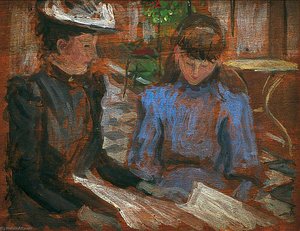
Philip Wilson Steer's "The Worktable," painted in 1894, isn't merely a depiction of a woman engaged in domestic activity; it’s a carefully constructed tableau vivant—a snapshot of Victorian life imbued with an exquisite sense of light and atmosphere. The painting immediately draws the viewer into a quiet, intimate scene within a modestly furnished room. A woman, her features softened by the diffused afternoon light, sits at a simple wooden table, her hands deftly manipulating fabric – likely engaged in sewing or embroidery. The composition is remarkably restrained, focusing entirely on this single, compelling interaction. There’s no grand gesture, no dramatic narrative; instead, Steer masterfully captures a fleeting moment of focused concentration and quiet industry.
Steer's style leans heavily into the tenets of Impressionism, yet he transcends simple replication of visual effects. He employs loose, broken brushstrokes—particularly noticeable in the rendering of the fabrics and the play of light on the table surface—to create a shimmering, almost ethereal quality. The palette is muted, dominated by soft blues, greens, and browns, reflecting the natural light filtering through an unseen window. This deliberate restraint allows the subtle nuances of color and texture to take precedence, contributing significantly to the painting’s overall mood.
The Context of a Changing Era
To fully appreciate “The Worktable,” it's crucial to understand the historical context in which it was created. The late 19th century witnessed significant social and economic shifts in Britain, marked by rapid industrialization and urbanization. Traditional rural life was giving way to new urban realities, and domestic roles were undergoing subtle transformations. Steer’s painting reflects this evolving landscape, portraying a scene of quiet productivity within the confines of the home—a space increasingly valued as a sanctuary from the pressures of modern life. The inclusion of books and papers on the table suggests an intellectual engagement alongside the practical tasks at hand, hinting at the multifaceted roles women played in Victorian society.
Furthermore, Steer’s work aligns with the broader artistic currents of his time. He was a key figure in the British Impressionist movement, influenced by artists like Monet and Whistler. However, unlike some of his contemporaries who embraced purely optical effects, Steer sought to capture not just the appearance of light but also its emotional impact—the sense of warmth, tranquility, and domestic comfort that permeated Victorian interiors.
Symbolism and Emotional Resonance
Beyond its surface details, “The Worktable” is rich in symbolic meaning. The woman’s posture – her hands resting gently on the table – conveys a sense of contentment and self-sufficiency. She's not presented as a passive figure but rather as an active participant in shaping her own world. The unfinished task at hand—the fabric being worked upon—represents both labor and creativity, highlighting the value placed on domestic skills during this period. The clock hanging on the wall subtly underscores the passage of time, reminding us that this moment is fleeting, a precious fragment captured for posterity.
Ultimately, “The Worktable” evokes a powerful sense of nostalgia—a longing for simpler times and a connection to traditional values. It’s a painting that invites contemplation, prompting viewers to reflect on the beauty of everyday moments and the enduring significance of human connection. Its quiet elegance and subtle emotional depth make it a truly remarkable example of Victorian art.
Useful Links:
- The Worktable art print by Philip Wilson Steer (1860–1942) | Custom ...
- Robert Wilson
- Philip Wilson Steer: Capturing Modern Life & British Impressionism's Essence
الأسئلة والأجوبة
ما هو اتجاه لوحة "The Worktable" للفنان فيليب ويلسون ستير؟
تأتي لوحة "The Worktable" للفنان فيليب ويلسون ستير بتنسيق Landscape، وهو التنسيق الذي يحدد أبعاد التكوين الفني.
هل ألوان "The Worktable" زاهية أم خافتة؟
تتميز ألوان "The Worktable" للفنان فيليب ويلسون ستير بتشبع بمستوى Subtle Color مع حدة تبلغ Monochromatic.
ما هي حقوق إعادة إنتاج العمل الفني "The Worktable" في The Ashmolean Museum of Art And Archaeology؟
إن الوضع القانوني لحقوق الطبع والنشر لعمل "The Worktable" للفنان فيليب ويلسون ستير واضح: فالعمل يندرج ضمن ملك عام - انتهت مدة حماية حقوق الطبع والنشر الخاصة به، ولا يغير وجوده في The Ashmolean Museum of Art And Archaeology من هذا الوضع شيئاً.
حقائق سريعة واختبار فني
عن فيليب ويلسون ستير

فيليب ويلسون ستير
1860 - 1942, المملكة المتحدة
السيرة الذاتية للفنان
الحياة المبكرة والأسس الفنية
فيليب ويلسون ستير، وُلد في بيركنهيد عام 1860، نشأ في عائلة متجذرة بعمق في عالم الفن—كان والده رسام بورتريه ومعلم فن مكرس. كان هذا التعرض المبكر بمثابة نقطة تحول، وغرس حسًا سيحدد مسار حياته. أدت الانتقال إلى ويتشيرتش بالقرب من مونماوث عندما كان يبلغ من العمر ثلاث سنوات فقط إلى ترسيخ ارتباطه بالريف البريطاني الذي سيت resonate في أعماله طوال حياته المهنية. بدأ تعليمه الرسمي في مدرسة هرِيفورد الكاتدرائية، مما وفر له أساسًا متينًا قبل أن يسعى بجدية نحو طموحاته الفنية. استمر تدريبه في مدرسة جلوستر للفنون ومدارس الرسم في كنسينغتون الجنوبية، لكن إقامته في باريس بين عامي 1880 و 1884 أثبتت أنها بمثابة نقطة تحول حقيقية. من خلال الدراسة في أكاديمية جوليان ولاحقًا تحت قيادة ألكسندر كابانييل في مدرسة الفنون الجميلة، واجه عالمًا يفيض بالأفكار والمناهج الجديدة للرسم.
احتضان الانطباعية وأسلوب مميز
أصبحت باريس بوتقة انصهار لتطور ستير الفني. تأثر بعمق بأعمال إدوارد مانيه و جيمس ماكنيل ويستلر ، واستوعب تقنياتهما المبتكرة في التقاط الضوء واللون والغلاف الجوي. أشعل هذا التعرض شغفه بالانطباعية بداخله، لكنه لم يكررها ببساطة أبدًا. قام ستير بدمج هذه التأثيرات الفرنسية بمهارة مع حساسيته الإنجليزية المتأصلة، وصاغ أسلوبًا فريدًا من نوعه. تتميز لوحاته بقدرة ملحوظة على التقاط اللحظات العابرة—لعب أشعة الشمس على الماء، والجودة الفائتة للهواء الساحلي. استخدم ضربات فرشاة فضفاضة وألوانًا نابضة بالحياة ليس فقط لتصوير المشاهد ولكن لإثارة المشاعر وخلق شعور غامر بالوساطة المباشرة. تشمل الموضوعات المتكررة في أعماله مشاهد الشاطئ والمناظر البحرية، وغالبًا ما تغمرها الأضواء الفضية والشفافة، مما يدل على إتقانه في تصوير نضارة وإضاءة هذه البيئات. تُظهر الأعمال مثل غرفة الموسيقى ، في بداية حياته المهنية، مهارته المتزايدة في التكوين والضوء، بينما تنفجر أعمال مثل الفتيات يركضن: رصيف والبرسويك بالطاقة والحيوية لمدينة ساحلية في ساسكس.
بطل الفن الحديث وتأثير إتابل
لم يكتفِ ستير بالرسم فحسب؛ بل شكّل المشهد الفني في بريطانيا بنشاط. لعب دورًا محوريًا في تأسيس نادي نيوانجلش آرت، وهي منظمة مكرسة لتعزيز التعبير الفني الحديث—وهي خطوة جريئة في وقت كانت فيه الأذواق التقليدية لا تزال مهيمنة. من خلال هذه المنصة والمعارض المنتظمة في الأكاديمية الملكية، بما في ذلك المشاركة في معرض لندن الانطباعي الرائد عام 1889، ساعد في تقديم أفكار جديدة وتحدي الأعراف التقليدية. عزز وقته الذي قضاه في مستعمرة إتابل الفنية عام 1887 رؤيته الفنية. وفرت هذه المجتمعية النابضة بالحياة من الفنانين بيئة محفزة للتجريب والتعاون، مما عزز قدرته على التقاط الضوء والغلاف الجوي ببراعة متزايدة. استوحى ستير الإلهام من مجموعة متنوعة من الأساتذة—جون كونستابل و جي إم دبليو تيرنر وحتى فرانسوا Boucher—لكنه قام دائمًا بتصفية هذه التأثيرات من خلال منظوره الفريد.
الإرث والاعتراف والتأثير الدائم
استمر فيليب ويلسون ستير في الرسم بكثرة حتى أجبرته مشاكل صحية على التوقف في عام 1940، وتوفي بعد ذلك بعامين عن عمر يناهز 81 عامًا. تم الاعتراف بمساهماته على نطاق واسع خلال حياته، وبلغت ذروتها بترتيب الاستحقاق. اليوم، تُعرض أعماله في مجموعات مرموقة حول العالم، بما في ذلك معرض تيت ومعرض أوفيزي—وهو شهادة على مكانته الدولية. بالإضافة إلى لوحاته نفسها، يمتد إرث ستير من خلال فترة ولايته الطويلة كمدرب للرسم في مدرسة سلايد للفنون. لسنوات عديدة، أثر بعمق على أجيال من الفنانين الشباب، وغرس ليس فقط المهارات التقنية ولكن أيضًا تقديرًا عميقًا للملاحظة والنزاهة الفنية. مساهمته في تطوير وتقبل الانطباعية في بريطانيا أمر لا يمكن إنكاره، مما رسخ مكانته كشخصية بارزة في تاريخ الفن البريطاني—وهو فنان نجح في سد الفجوة بين التقاليد والحداثة، تاركًا بصمة دائمة على المشهد الفني البريطاني. تستمر أعماله البارزة مثل المتعافي ، بألوانها الغنية ونظراتها المثيرة، و التمس في لودلو ، التي تسلط الضوء على الجمال الهادئ والعمل الفرشاة المتقن، في إبهار الجمهور اليوم، مما يدل على الخلود في رؤيته الفنية.
حقائق سريعة عن فيليب ويلسون ستير
- أعمال بارزة:
- غرفة الموسيقى
- فتيات يركضن
- المتعافي
- الاسم الكامل: فيليب ويلسون ستير
- الجنسية: بريطاني
- الحركة الفنية: الانطباعية
- تاريخ الميلاد: 1860
- تاريخ الوفاة: 1942
- حركات فنية متأثرة: ['الانطباعية البريطانية']
- فنانون مؤثرون:
- مانيه
- ويستلر
- كونستابل
- مكان الميلاد: بيركنهيد، المملكة المتحدة
أعمال فنية ذات صلة





استكشف الأعمال الفنية المصنفة حسب الموضوعات والأنماط والخصائص.


فيليب ويلسون ستير
The Worktable
() ·
بالإطار: · رُسمت يدوياً بالزيت على الكتان
الإجمالي