


 معاينة الحجم الواقعي
 إرسال
إرسال مشاركة
 عرض التفاصيل
 دليل الأعمال الفنية للطلاب

 تحميل
تحميل
 قطع مشابهة
 الأشعة السينية
 عرض شرائح متتابع
 الإحصائيات
The Spring 1

Discover "The Spring 1" by Pierre-Auguste Renoir – a dreamy Impressionist portrait of a nude woman in lush foliage. Explore its soft brushstrokes, romantic mood & timeless beauty. Perfect for art lovers!
 اقرأ المزيد
اكتشف عالم رينوار، الرائد في الحركة الانطباعية! استمتع بلوحاته المشمسة التي تصور الحياة الباريسية والجمال الأنثوي، من "رقصة في مولان دو لا غاليت" إلى "غداء قارب". فنان أبدع في التقاط لحظات الفرح والسعادة.
طباعة جيلي / مطبوعات فنية
طباعة جيكلي أو كانفاس بجودة المتاحف، مع سرعة في التنفيذ وخيارات متنوعة للتشطيب. ( اطلب نسخة مرسومة يدويًا التحويل إلى الصورة الرقمية)




P118B E£10

P118H E£10

P118W E£10

P438Z E£10

P508JH E£12

P508YH E£12

P805H E£10

P805Z E£10

P919BZ E£10

P919G E£10

P919XJ E£10

P959ZH E£10

P968JZ E£12

W106C E£8

W218G E£10

W218JH E£8

W218Y E£10

W307PJ E£10

W316G E£10

W316PJ E£8

W316Y E£10

W398PJ E£8

W4111J E£10

W500HY E£15

W500JH E£15

W692G E£12

W849H E£8

W940BG E£15

W953PJ E£8




مقاس قياسي
مخصص
CM
INCH
اختر من بين أحجامنا المُعدّة مسبقاً والتي تتوافق مع النسب الأصلية للعمل الفني.
Loading sizes...

العرض
الارتفاع
أدخل العرض والارتفاع اللذين تحتاجهما، ليتناسب مع إطارك أو جدارك. يمكن قص المطبوعة فقط، ولا يمكن أبداً جعلها أكبر من الصورة الأصلية، لذا فإن أي مقاس بشكل مختلف سيؤدي إلى فقدان جزء من الصورة. سنرسل لك نموذجاً رقمياً تجريبياً لاعتماده قبل البدء في عملية الطباعة. الصورة المعروضة في هذه الصفحة لا توضح القص الفعلي — النموذج التجريبي فقط هو ما يظهر ذلك.
توصيل عالمي إلى خلال أسبوعين بدلاً من المدة القياسية البالغة 4/5 أسابيع. (21 أكتوبر)

شحن سريع ومجاني لجميع أنحاء العالم

قماش كتان فاخر

تأمين شامل على الشحن

ضمان استرداد الرسوم الجمركية

ضمان دقة مطابقة الألوان

سياسة الإرجاع خلال 100 يوم (في حالات العيوب فقط)

ضمان استرداد نقدي بنسبة 100%

عرض خصم الكميات
 خيار الزجاج متاح فقط للمقاسات التي تقل عن 110 سم

The Spring 1
طباعة جيلي / مطبوعات فنية
مقاس النسخة المطبوعة
-


إجمالي السعر
E£ 3563
A Glimpse of Eden: Exploring Renoir’s “The Spring 1”
This captivating painting, unequivocally in the style of Pierre-Auguste Renoir, transports us to a sun-dappled haven where beauty and tranquility reign. It's an intimate portrait of a nude woman immersed within the burgeoning life of spring – a scene that embodies the core tenets of Impressionism: fleeting moments, sensual delight, and the evocative power of light.Impressionistic Harmony: Style & Technique
“The Spring 1” is a masterclass in Impressionistic technique. Renoir’s signature loose brushstrokes are immediately apparent, dissolving form into shimmering patches of color. The soft focus isn't a lack of skill, but rather an intentional choice to capture the *impression* of light and atmosphere, prioritizing feeling over precise detail. Observe how the artist builds texture through layered paint, creating a palpable sense of depth within the lush foliage. The organic lines echo the natural world, mirroring the curves of the woman’s body and the swaying branches overhead. This isn't about photographic realism; it’s about conveying an emotional experience – a feeling of warmth, serenity, and perhaps, a touch of wistful longing.A Celebration of Femininity & Nature
The subject matter itself is deeply rooted in Renoir’s artistic preoccupations. He was renowned for his depictions of women, not as distant ideals but as vibrant, sensual beings enjoying life's pleasures. Here, the woman isn’t posed; she *exists* within this idyllic landscape, a harmonious extension of nature herself. The muted palette – soft pinks, earthy browns, and verdant greens – further enhances this sense of naturalism and intimacy. Her expression is serene, yet carries a subtle melancholic undertone, inviting contemplation.Symbolic Resonance: Fertility & Vulnerability
Beyond its aesthetic appeal, “The Spring 1” invites symbolic interpretation. The abundant foliage speaks to themes of fertility, growth, and the renewal inherent in springtime. Her nudity, a recurring motif in Renoir’s work (and harking back to classical traditions), isn't overtly provocative but rather alludes to vulnerability, innocence, and an uninhibited connection with nature. It represents a return to a more primal state of being, free from the constraints of societal expectations.Renoir & The Impressionist Revolution
To understand this painting fully, it’s crucial to consider its historical context. Pierre-Auguste Renoir (1841-1919) was a leading figure in the Impressionist movement, which emerged as a radical departure from academic art traditions of the 19th century. Impressionists rejected rigid rules and sought to capture the subjective experience of light and color *en plein air* – outdoors, directly observing nature. Renoir’s work, alongside that of Monet, Degas, and others, challenged conventional notions of beauty and paved the way for modern art. His artistic lineage extends back through masters like Rubens and Watteau, artists who also celebrated sensuality and the joys of life.Emotional Impact & Interior Design
“The Spring 1” evokes a sense of peaceful contemplation and romantic nostalgia. Its soft colors and dreamlike quality make it an ideal addition to interiors seeking a calming and sophisticated ambiance. Imagine this piece gracing a bedroom, living room, or study – its presence would undoubtedly inspire tranquility and invite moments of quiet reflection. A high-quality reproduction will capture the essence of Renoir’s brushwork and luminosity, bringing a touch of Impressionistic magic into your space.الأسئلة والأجوبة
ما مدى تناغم ألوان "The Spring 1" للفنان أوجين رينوار؟
يُصنف التناغم اللوني لـ "The Spring 1" على أنه Unified Palette.
ما هو المكان الأنسب لتنسيق "The Spring 1" للفنان أوجين رينوار؟
يُنصح باستخدام تنسيق Tall لعمل "The Spring 1" للفنان أوجين رينوار في Living Room. حيث يساهم كل من التنسيق والمساحة معاً في توجيه عملية وضع النسخة المطبوعة.
كيف يرتبط موضوع "The Spring 1" بالمواضيع المعتادة لدى أوجين رينوار؟
من بين الثيمات المسجلة لـ أوجين رينوار - وهي impressionist light & color, classical beauty ideals, nature's serene embrace, romantic, sensual mood, french artistic tradition, renoir's female subjects, exploring fleeting moments - يركز عمل "The Spring 1" بشكل خاص على nude figure, impressionism, landscape, botanical, romance, soft light, french art, renoir.
أعمال فنية مشابهة


نبذة عن الفنان
بيير أوغست رينوار: رسام النور والبهجة
من مدينة ليون الفرنسية الصغيرة، بزغت موهبة بيير أوغست رينوار (1841-1919)، لترسم مسيرة فنية فريدة، تحولت من طلاء البورسلان المتواضع إلى إتقان فن الانطباعية. نشأته الأولى في ليون، ثم انتقاله مع عائلته إلى باريس بحثًا عن الفرص، شكلت نقطة تحول حاسمة في حياته الفنية. أضاءت شوارع باريس الصاخبة وشخصياتها المتنوعة شرارة الإلهام التي غذّت أعماله اللاحقة. رغم أن بداياته كانت متواضعة كرسام بورسلان، إلا أن زياراته المتكررة إلى متحف اللوفر أشعلت فيه شغفًا بالدراسة والتقدير للجمال، مما جعله يمتص تقنيات الأساتذة القدماء ويطور أسلوبه الخاص. هذه البدايات المبكرة لم تكن مجرد حرفة، بل كانت دعوة لترجمة صفات النور والحياة العابرة على القماش. لاحقًا، التحق رينوار باستوديو شارل غليير، حيث كوّن صداقات متينة مع فنانين طموحين مثل كلود مونيه وألفرد سيزلي وفريدريك بازيل – لحظة فارقة وضعت الأساس لحركة الانطباعية.من الواقعية إلى انطباعات متوهجة
شهدت رحلة رينوار الفنية تطورًا ملحوظًا، متأثرة بمجموعة متنوعة من الفنانين. في البداية، انجذب إلى الواقعية التي يمثلها غوستاف كوربيه وإدوارد ماني، معجبًا بالتزامهما بتصوير الحياة المعاصرة بصدق ووضوح. إلا أن الألوان الزاهية والأشكال الحسية لبيتر بول روبنز وجان أنطوان واتو استحوذت عليه حقًا، وغرست في أعماله تقديرًا عميقًا للجمال وميلًا لتصوير مشاهد الفرح والراحة. تضافرت هذه التأثيرات المبكرة ليُشكّل أسلوبه الفريد، الذي يتميز بألوان نابضة بالحياة ولفتات فرشاة متقطعة وتركيز على التقاط تأثيرات الضوء العابرة. كانت مشاركته في أول معرض انطباعي عام 1874 نقطة تحول، رغم الانتقادات التي واجهتها الحركة آنذاك. هذا التحرك الجريء كان بمثابة رفض للتقاليد الأكاديمية وتبني لرؤية فنية جديدة – تسعى إلى التقاط ليس فقط ما تراه العين، بل كيف *تشعر* بتجربة لحظة معينة في الزمن. أعمال مثل الرقص في مولان دو لا غالات (1876) تجسد هذا النهج، حيث تغمر المشاهد في أجواء الحياة الليلية الباريسية الصاخبة بضوء متناثر وشخصيات مليئة بالبهجة.التقاط لحظات الحياة العابرة: أعمال رئيسية ومواضيع
تعتبر أعمال رينوار احتفالًا ببساطة متع الحياة – لقاءات حميمة، مناظر طبيعية مشمسة، وجمال الشكل البشري المتوهج. غداء القرويين (1880-81) يعتبر من بين أشهر أعماله، حيث يصور مجموعة ودودة تستمتع ببعد ظهر مريح على نهر السين. هذه اللوحة هي مثال رئيسي على قدرته في التقاط الضوء والحركة، مع شخصيات مغمورة بضوء الشمس الدافئ وانعكاسات متلألئة على الماء. بعد الاستحمام (1885-87) يوضح مهارته الرائعة في تصوير العارية النسائية، مع التركيز على درجات لون البشرة الرقيقة والإيماءات الرشيقة. أعماله ليست مجرد تمثيلات للواقع؛ إنها مشبعة بشعور من الدفء والحميمية والفرح الذي يتردد صداه بعمق لدى المشاهدين. لم يكن مهتمًا بسرد القصص التاريخية الكبرى أو الحكايات التحريمية الدرامية، بل ركز على التقاط الجمال المتأصل في الحياة اليومية، ورفع اللحظات العادية إلى مستوى الأعمال الفنية. الرقص في بوغيفال، وهي قطعة مشهورة أخرى، تُظهر قدرته على التقاط الانطباعات العابرة والتأثيرات الجوية، مما يخلق إحساسًا بالحركة والعفوية.تحول نحو الشكل والبنية: السنوات الأخيرة وإرث
في الثمانينيات من القرن التاسع عشر، شهد أسلوب رينوار تحولاً كبيرًا. وبينما لم يتخل تمامًا عن جذوره الانطباعية، بدأ في التحرك نحو نهج أكثر نحتًا وكلاسيكية، متأثرًا برحلاته إلى إيطاليا وإعادة اهتمامه بالشكل والبنية. كان هذا التحول مدفوعًا جزئيًا بالقيود الجسدية – حيث حدت التهاب المفاصل تدريجيًا من قدرته على الحركة، مما أجبره على تكييف تقنياته. على الرغم من هذه التحديات، استمر رينوار في الرسم بتفانٍ لا يتزعزع، منتجًا أعمالًا تتميز بأشكال أكثر امتلاءً ولوحة أدفأ. غالبًا ما تعكس لوحاته اللاحقة مزاجًا تأمليًا أكثر، لكنها تحتفظ بنفس الاحتفاء الأساسي بالجمال الذي عرّف أعماله السابقة. بالإضافة إلى إنجازاته الفنية، يمتد إرث رينوار من خلال عائلته؛ أصبح ابنه جان رينوار مخرج أفلام شهير، حيث حمل الروح الإبداعية عبر الأجيال. توفي بيير أوغست رينوار عام 1919، تاركًا وراءه مجموعة أعمال دائمة تستمر في إلهام وإمتاع الجماهير حول العالم. يظل أحد أبرز الشخصيات في تاريخ الفن، ويُحتفى به لقدرته على التقاط فرحة الحياة وجمال التجربة الإنسانية بحساسية ورشاقة لا مثيل لهما.تأثير دائم
- لا يمكن إنكار تأثير رينوار على الأجيال اللاحقة من الفنانين. فقد أكد على الضوء واللون والتقاط اللحظات العابرة، ومهّد الطريق للعديد من الحركات الفنية الحديثة.
- يستمر احتفاله بالجمال والحسية في صدى لدى الجماهير اليوم، مما يجعل أعماله جذابة عالميًا.
- لقد لعب دورًا محوريًا في إرساء الانطباعية كقوة رئيسية في تاريخ الفن، وتحدي التقاليد الأكاديمية وفتح آفاق جديدة للتعبير الفني.
- يشهد الانتشار الدائم لصور لوحاته – التي يتم إنتاجها على عدد لا يحصى من الملصقات والتقويمات وغيرها من البضائع – على الجودة الخالدة لأعماله.

أوجين رينوار
1841 - 1919 , فرنسا
لمحة سريعة
- أعمال فنية بارزة:
- رقصة في مولان دو لا جاليت
- غداء قوارب
- بعد الاستحمام
- رقصة في بوغيڤال
- الاسم الكامل: Pierre-Auguste Renoir
- الجنسية: فرنسي
- الحركات الفنية المتأثرة: الانطباعية
- الحركة الفنية: الانطباعية
- الفنانون المؤثرون:
- روبنز
- واتو
- كوربيه
- مانيه
- تاريخ الميلاد: 25 فبراير 1841
- مكان الميلاد: ليموج، فرنسا
مقالات ذات صلة

Beyond the Light: Capturing Raw Emotion and Subjective Vision in Post-Impressionist Landscapes
Explore the profound emotional depth of Post-Impressionist landscapes. Discover how masters like Van Gogh moved beyond light to capture raw human feeling through vibrant color and expressive texture in this expert art history retrospective.

The Beauty of Impermanence: Capturing Decay through Impressionist Eyes
Explore the profound beauty of impermanence through Impressionist and Post-Impressionist eyes. Discover how masters like Monet and Van Gogh captured fleeting light and the poetic essence of nature's transitions in our deep dive into art history and emotional landscapes.
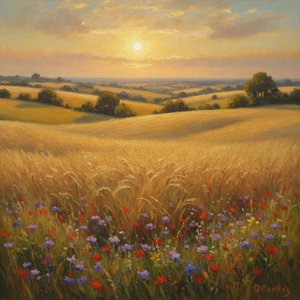
Golden Fields & Sun-Drenched Meadows: Capturing the Soul of Impressionist Landscapes
Immerse yourself in the luminous world of Impressionist landscapes. Discover how masters like Monet and Gauguin captured ephemeral light through plein air painting, and learn to bring the soul of sun-drenched meadows into your home with exquisite, hand-painted oil reproductions.

Capturing the Soul: The Most Emotionally Moving Impressionist and Post-Impressionist Masterpieces
Discover the profound emotional depth of Impressionist and Post-Impressionist masterpieces. Explore how legends like Monet, Van Gogh, and Gauguin captured light and soul through evocative landscapes and vibrant brushwork for a timeless connection to art history.

The Art of Connection: Capturing Beautiful Gatherings through Impressionist Masterpieces
Explore the profound beauty of human connection through Impressionist and Post-Impressionist masterpieces. Discover how masters like Renoir and Van Gogh captured light, emotion, and communal joy in timeless works of art designed to inspire your home.
استكشف الأعمال الفنية المصنفة حسب الموضوعات والأنماط والخصائص.


