


 معاينة الحجم الواقعي
 إرسال
إرسال مشاركة
 عرض التفاصيل
 دليل الأعمال الفنية للطلاب

 تحميل
تحميل
 قطع مشابهة
 الأشعة السينية
 عرض شرائح متتابع
 الإحصائيات
Windmill


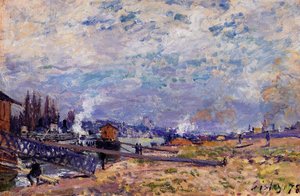
Pierre-Auguste Renoir’s ‘Windmill’ captures tranquility with warm sunset hues and a solitary figure amidst a Dutch landscape. Discover the beauty of Impressionism through this iconic painting.
 اقرأ المزيد
اكتشف عالم رينوار، الرائد في الحركة الانطباعية! استمتع بلوحاته المشمسة التي تصور الحياة الباريسية والجمال الأنثوي، من "رقصة في مولان دو لا غاليت" إلى "غداء قارب". فنان أبدع في التقاط لحظات الفرح والسعادة.
طباعة جيلي / مطبوعات فنية
طباعة جيكلي أو كانفاس بجودة المتاحف، مع سرعة في التنفيذ وخيارات متنوعة للتشطيب. ( اطلب نسخة مرسومة يدويًا التحويل إلى الصورة الرقمية)




P118B E£10

P118H E£10

P118W E£10

P438Z E£10

P508JH E£12

P508YH E£12

P805H E£10

P805Z E£10

P919BZ E£10

P919G E£10

P919XJ E£10

P959ZH E£10

P968JZ E£12

W106C E£8

W218G E£10

W218JH E£8

W218Y E£10

W307PJ E£10

W316G E£10

W316PJ E£8

W316Y E£10

W398PJ E£8

W4111J E£10

W500HY E£15

W500JH E£15

W692G E£12

W849H E£8

W940BG E£15

W953PJ E£8




مقاس قياسي
مخصص
CM
INCH
اختر من بين أحجامنا المُعدّة مسبقاً والتي تتوافق مع النسب الأصلية للعمل الفني.
Loading sizes...

العرض
الارتفاع
أدخل العرض والارتفاع اللذين تحتاجهما، ليتناسب مع إطارك أو جدارك. يمكن قص المطبوعة فقط، ولا يمكن أبداً جعلها أكبر من الصورة الأصلية، لذا فإن أي مقاس بشكل مختلف سيؤدي إلى فقدان جزء من الصورة. سنرسل لك نموذجاً رقمياً تجريبياً لاعتماده قبل البدء في عملية الطباعة. الصورة المعروضة في هذه الصفحة لا توضح القص الفعلي — النموذج التجريبي فقط هو ما يظهر ذلك.
توصيل عالمي إلى خلال أسبوعين بدلاً من المدة القياسية البالغة 4/5 أسابيع. (24 أكتوبر)

شحن سريع ومجاني لجميع أنحاء العالم

قماش كتان فاخر

تأمين شامل على الشحن

ضمان استرداد الرسوم الجمركية

ضمان دقة مطابقة الألوان

سياسة الإرجاع خلال 100 يوم (في حالات العيوب فقط)

ضمان استرداد نقدي بنسبة 100%

عرض خصم الكميات
 خيار الزجاج متاح فقط للمقاسات التي تقل عن 110 سم

Windmill
طباعة جيلي / مطبوعات فنية
مقاس النسخة المطبوعة
-


إجمالي السعر
E£ 3566
A Moment of Tranquil Beauty: Pierre-Auguste Renoir’s Windmill
Pierre-Auguste Renoir's "Windmill" isn’t merely a depiction of agricultural machinery; it’s an immersion into a fleeting, sun-drenched moment. Painted with the characteristic luminosity that defined his Impressionistic style, this work captures a profound sense of serenity and connection to the rural landscape – a world increasingly distant from the bustling Parisian life he so often portrayed. The painting unfolds as a carefully constructed tableau, inviting the viewer to linger in its golden light and contemplate the simple beauty of everyday existence. The subject itself—a classic Dutch windmill—becomes an emblem of industriousness and resilience, yet here it’s rendered with a gentle softness that transcends its functional purpose.
Renoir's masterful use of color is immediately striking. The sky explodes in hues of apricot, rose, and lavender – the quintessential colors of a setting sun. These warm tones are meticulously layered to create an atmospheric depth, suggesting not just the visual spectacle of twilight but also a feeling of warmth and contentment. The green fields ripple with light, contrasting subtly with the weathered ochre and brown of the windmill’s structure. Notice how he doesn't strive for photographic realism; instead, he employs broken brushstrokes and vibrant color to evoke the *impression* of light and atmosphere—a core tenet of Impressionism.
The Painter’s Palette: Technique and Style
Examining the painting closely reveals Renoir’s distinctive technique. He utilizes a loose, almost pointillist approach in areas, allowing individual brushstrokes to blend optically, creating a shimmering effect. This is particularly evident in the sky, where tiny dabs of color coalesce into vast expanses of light. The windmill itself is rendered with a slightly blurred quality, suggesting movement and capturing the fleeting nature of the scene. The figure standing nearby isn’t sharply defined; rather, it's suggested through form and shadow, contributing to the overall sense of mystery and inviting speculation about their relationship to the landscape.
Renoir was deeply influenced by the Impressionist movement, which sought to capture the fleeting effects of light and atmosphere. He shared this interest with artists like Monet and Sisley, but he developed his own unique style characterized by a softer palette and a greater emphasis on capturing the emotional impact of a scene. His work often celebrates beauty in everyday life—a theme powerfully evident in "Windmill." The painting’s composition is balanced and harmonious, reflecting Renoir's belief that art should be pleasing to the eye and emotionally uplifting.
A Window into 19th-Century France
To understand “Windmill,” it’s helpful to consider the historical context in which it was created. Renoir painted this work around the late 1880s, a period of significant social and artistic change in France. The rise of industrialization was transforming rural landscapes, yet there remained a strong connection to traditional agricultural practices. This painting can be seen as a nostalgic reflection on a disappearing way of life—a celebration of the beauty and tranquility of the countryside before it was irrevocably altered by modernity.
Furthermore, Renoir’s early years spent working in porcelain factories instilled in him an appreciation for detail and craftsmanship. This meticulousness is evident in his rendering of the windmill's structure, even as he employs a looser, more expressive style throughout the rest of the painting. The presence of the solitary figure adds another layer of intrigue, prompting us to imagine their thoughts and feelings as they observe this timeless scene.
Bringing Renoir’s Light Home
TopImpressionists offers meticulously crafted hand-painted reproductions of “Windmill,” allowing you to bring this iconic artwork into your own space. Our skilled artists faithfully recreate Renoir's luminous palette and delicate brushwork, ensuring that every detail is captured with stunning accuracy. Whether you’re an art collector, a design enthusiast, or simply someone who appreciates beauty, a TopImpressionists reproduction of “Windmill” will serve as a timeless reminder of the power of Impressionism to capture the essence of light, color, and emotion.
الأسئلة والأجوبة
كيف يمكنني الحصول على نسخة رقمية من "Windmill" للفنان أوجين رينوار؟
تتوفر "Windmill" كـ تحميل صورة رقمية عالية الدقة، ويمكن شراؤها مباشرة من صفحة صورة رقمية الخاصة بها.
أين يمكنني شراء نسخة مرسومة يدوياً من "Windmill" للفنان أوجين رينوار؟
يمكنكم طلب نسخة مرسومة يدوياً من "Windmill" للفنان أوجين رينوار مباشرة عبر صفحة نسخة زيتية مرسومة يدوياً: نسخة زيتية مرسومة يدوياً على قماش الكتان، وتُنفذ حسب الطلب.
إلى أي لون يميل "Windmill"؟
اللون السائد في "Windmill" للفنان أوجين رينوار هو Warm Sunset Tones. ويمثل هذا اللون النغمة الأساسية لمجموعة الألوان المستخدمة.
أعمال فنية مشابهة


![Vegetable Gardens In Montmartre [1887] — فنسنت فان جوخ, Post-impressionism](/media/artworks/images-thumb/e1/a1/e1a1738c1598a29dea8d1ae66d81cf68.jpg)


نبذة عن الفنان
بيير أوغست رينوار: رسام النور والبهجة
من مدينة ليون الفرنسية الصغيرة، بزغت موهبة بيير أوغست رينوار (1841-1919)، لترسم مسيرة فنية فريدة، تحولت من طلاء البورسلان المتواضع إلى إتقان فن الانطباعية. نشأته الأولى في ليون، ثم انتقاله مع عائلته إلى باريس بحثًا عن الفرص، شكلت نقطة تحول حاسمة في حياته الفنية. أضاءت شوارع باريس الصاخبة وشخصياتها المتنوعة شرارة الإلهام التي غذّت أعماله اللاحقة. رغم أن بداياته كانت متواضعة كرسام بورسلان، إلا أن زياراته المتكررة إلى متحف اللوفر أشعلت فيه شغفًا بالدراسة والتقدير للجمال، مما جعله يمتص تقنيات الأساتذة القدماء ويطور أسلوبه الخاص. هذه البدايات المبكرة لم تكن مجرد حرفة، بل كانت دعوة لترجمة صفات النور والحياة العابرة على القماش. لاحقًا، التحق رينوار باستوديو شارل غليير، حيث كوّن صداقات متينة مع فنانين طموحين مثل كلود مونيه وألفرد سيزلي وفريدريك بازيل – لحظة فارقة وضعت الأساس لحركة الانطباعية.من الواقعية إلى انطباعات متوهجة
شهدت رحلة رينوار الفنية تطورًا ملحوظًا، متأثرة بمجموعة متنوعة من الفنانين. في البداية، انجذب إلى الواقعية التي يمثلها غوستاف كوربيه وإدوارد ماني، معجبًا بالتزامهما بتصوير الحياة المعاصرة بصدق ووضوح. إلا أن الألوان الزاهية والأشكال الحسية لبيتر بول روبنز وجان أنطوان واتو استحوذت عليه حقًا، وغرست في أعماله تقديرًا عميقًا للجمال وميلًا لتصوير مشاهد الفرح والراحة. تضافرت هذه التأثيرات المبكرة ليُشكّل أسلوبه الفريد، الذي يتميز بألوان نابضة بالحياة ولفتات فرشاة متقطعة وتركيز على التقاط تأثيرات الضوء العابرة. كانت مشاركته في أول معرض انطباعي عام 1874 نقطة تحول، رغم الانتقادات التي واجهتها الحركة آنذاك. هذا التحرك الجريء كان بمثابة رفض للتقاليد الأكاديمية وتبني لرؤية فنية جديدة – تسعى إلى التقاط ليس فقط ما تراه العين، بل كيف *تشعر* بتجربة لحظة معينة في الزمن. أعمال مثل الرقص في مولان دو لا غالات (1876) تجسد هذا النهج، حيث تغمر المشاهد في أجواء الحياة الليلية الباريسية الصاخبة بضوء متناثر وشخصيات مليئة بالبهجة.التقاط لحظات الحياة العابرة: أعمال رئيسية ومواضيع
تعتبر أعمال رينوار احتفالًا ببساطة متع الحياة – لقاءات حميمة، مناظر طبيعية مشمسة، وجمال الشكل البشري المتوهج. غداء القرويين (1880-81) يعتبر من بين أشهر أعماله، حيث يصور مجموعة ودودة تستمتع ببعد ظهر مريح على نهر السين. هذه اللوحة هي مثال رئيسي على قدرته في التقاط الضوء والحركة، مع شخصيات مغمورة بضوء الشمس الدافئ وانعكاسات متلألئة على الماء. بعد الاستحمام (1885-87) يوضح مهارته الرائعة في تصوير العارية النسائية، مع التركيز على درجات لون البشرة الرقيقة والإيماءات الرشيقة. أعماله ليست مجرد تمثيلات للواقع؛ إنها مشبعة بشعور من الدفء والحميمية والفرح الذي يتردد صداه بعمق لدى المشاهدين. لم يكن مهتمًا بسرد القصص التاريخية الكبرى أو الحكايات التحريمية الدرامية، بل ركز على التقاط الجمال المتأصل في الحياة اليومية، ورفع اللحظات العادية إلى مستوى الأعمال الفنية. الرقص في بوغيفال، وهي قطعة مشهورة أخرى، تُظهر قدرته على التقاط الانطباعات العابرة والتأثيرات الجوية، مما يخلق إحساسًا بالحركة والعفوية.تحول نحو الشكل والبنية: السنوات الأخيرة وإرث
في الثمانينيات من القرن التاسع عشر، شهد أسلوب رينوار تحولاً كبيرًا. وبينما لم يتخل تمامًا عن جذوره الانطباعية، بدأ في التحرك نحو نهج أكثر نحتًا وكلاسيكية، متأثرًا برحلاته إلى إيطاليا وإعادة اهتمامه بالشكل والبنية. كان هذا التحول مدفوعًا جزئيًا بالقيود الجسدية – حيث حدت التهاب المفاصل تدريجيًا من قدرته على الحركة، مما أجبره على تكييف تقنياته. على الرغم من هذه التحديات، استمر رينوار في الرسم بتفانٍ لا يتزعزع، منتجًا أعمالًا تتميز بأشكال أكثر امتلاءً ولوحة أدفأ. غالبًا ما تعكس لوحاته اللاحقة مزاجًا تأمليًا أكثر، لكنها تحتفظ بنفس الاحتفاء الأساسي بالجمال الذي عرّف أعماله السابقة. بالإضافة إلى إنجازاته الفنية، يمتد إرث رينوار من خلال عائلته؛ أصبح ابنه جان رينوار مخرج أفلام شهير، حيث حمل الروح الإبداعية عبر الأجيال. توفي بيير أوغست رينوار عام 1919، تاركًا وراءه مجموعة أعمال دائمة تستمر في إلهام وإمتاع الجماهير حول العالم. يظل أحد أبرز الشخصيات في تاريخ الفن، ويُحتفى به لقدرته على التقاط فرحة الحياة وجمال التجربة الإنسانية بحساسية ورشاقة لا مثيل لهما.تأثير دائم
- لا يمكن إنكار تأثير رينوار على الأجيال اللاحقة من الفنانين. فقد أكد على الضوء واللون والتقاط اللحظات العابرة، ومهّد الطريق للعديد من الحركات الفنية الحديثة.
- يستمر احتفاله بالجمال والحسية في صدى لدى الجماهير اليوم، مما يجعل أعماله جذابة عالميًا.
- لقد لعب دورًا محوريًا في إرساء الانطباعية كقوة رئيسية في تاريخ الفن، وتحدي التقاليد الأكاديمية وفتح آفاق جديدة للتعبير الفني.
- يشهد الانتشار الدائم لصور لوحاته – التي يتم إنتاجها على عدد لا يحصى من الملصقات والتقويمات وغيرها من البضائع – على الجودة الخالدة لأعماله.

أوجين رينوار
1841 - 1919 , فرنسا
لمحة سريعة
- أعمال فنية بارزة:
- رقصة في مولان دو لا جاليت
- غداء قوارب
- بعد الاستحمام
- رقصة في بوغيڤال
- الاسم الكامل: Pierre-Auguste Renoir
- الجنسية: فرنسي
- الحركات الفنية المتأثرة: الانطباعية
- الحركة الفنية: الانطباعية
- الفنانون المؤثرون:
- روبنز
- واتو
- كوربيه
- مانيه
- تاريخ الميلاد: 25 فبراير 1841
- مكان الميلاد: ليموج، فرنسا
مقالات ذات صلة

أعمال بول سيزان الخالدة: 25 تحفة فنية تزين منزلك بجمال الألوان والضوء
اكتشف 25 تحفة فنية لبول سيزان، رائد الانطباعية وما بعد الانطباعية. استكشف قصص لوحاته الزيتية الشهيرة وألوانه الجريئة وتقنياته الفريدة. احصل على إلهام لديكور منزلك الفاخر مع TopImpressionists.com.

Evocations of Place: A Historical Journey Through Landscape Art
Explore the rich history of landscape art with TopImpressionists. Discover renowned artists, movements like Impressionism & tonalism, and expert guidance for collecting timeless pieces. Find your perfect serene escape today!

Evocations of Place: A Historical Journey Through Landscape Art
Explore the rich history of landscape art with TopImpressionists. Discover renowned artists, movements like Impressionism & Romanticism, and expert guidance for collecting timeless pieces. Find your perfect serene escape today!

Impressionistic Landscapes: 10 Masterpieces That Changed Art & Decor
Journey into the heart of Impressionism! Explore 10 masterpieces by Monet, Renoir & Degas that revolutionized landscape art. Discover their stories, techniques & find museum-quality reproductions to elevate your home decor on TopImpressionists.com.

أروع 25 لوحة لرينوار: رحلة في عالم الضوء والجمال | TopImpressionists
اكتشف روعة أعمال رينوار! استكشف 25 لوحة انطباعية خالدة، ورحلة الفنان في عالم الضوء والجمال. طباعة فنية عالية الجودة لديكور منزلي فاخر على TopImpressionists.com.
استكشف الأعمال الفنية المصنفة حسب الموضوعات والأنماط والخصائص.


