


 معاينة الحجم الواقعي
 إرسال
إرسال مشاركة
 عرض التفاصيل
 دليل الأعمال الفنية للطلاب

 تحميل
تحميل
 قطع مشابهة
 الأشعة السينية
 عرض شرائح متتابع
 الإحصائيات
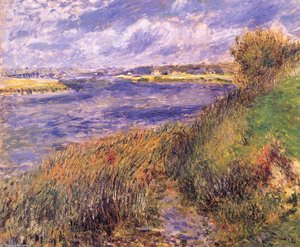
Eiffel Tower and The Seine
 Painting
- Post-Impressionism
 1906
1906- 19th Century
 24.0 x 28.0 cm
A serene Post-Impressionist view of the Eiffel Tower and Seine river by Pierre Bonnard captures the vibrant charm of 1906 Paris, inviting you to bring this timeless piece of French history into your collection.
 اقرأ المزيد
بيير بونار (1867-1947) رسام فرنسي ما بعد الانطباعية، اشتهر بمشاهده الحميمة وألوانه الزاهية وأسلوبه "الحميمي". استكشف إرثه ولوحاته الشهيرة مثل "امرأة في فستان مربعات"!
احصل على صورة رقمية عالية الدقة ومعزّزة، بجودة تفوق بكثير المعاينة عبر الإنترنت.
يتم إعداد كل ملف بعناية فائقة على أيدي متخصصينا باستخدام أدوات متقدمة ولمسات يدوية خبيرة، لضمان تمتع كل صورة بوضوح استثنائي، ودقة لونية متناهية، وتفاصيل دقيقة.
يتم تسليم الملف النهائي عبر البريد الإلكتروني في غضون 72 ساعة، وهو مُحسَّن للاستخدام الفوري في المجالات المهنية والتحريرية ومجالات الطباعة؛ وهي ذات الجودة التي تعتمد عليها كبرى استوديوهات التصميم ودور النشر والمعارض الفنية المرموقة.
صورة رقمية
حمّل ملفاً عالي الدقة للعرض الشخصي، والطباعة، والمشاريع الإبداعية. ( التبديل إلى المطبوعات اطلب نسخة مرسومة يدويًا)
مزايا مُضمّنة مع كل طلب صورة رقمية
خدمة تسليم رقمي احترافية ومضمونة
عندما تختار TopImpressionists.com، فأنت لا تحصل على مجرد صورة فحسب، بل ستحصل على عمل فني رقمي مُحسّن باحترافية، صُمم بدقة متناهية ومصحوب بضمان الرضا. إليك كل ما يتضمنه طلبك تلقائياً:

تسليم سريع عبر البريد الإلكتروني
ستصلك ملفات صورك الرقمية عالية الدقة عبر البريد الإلكتروني في غضون 72 ساعة من إتمام الطلب - لتكون جاهزة للاستخدام الفوري.

ملف رقمي مُعزز بالذكاء الاصطناعي
يتم تحسين عملك الفني باحترافية باستخدام أدوات الذكاء الاصطناعي المتقدمة والتحرير اليدوي، لضمان أقصى درجات التفاصيل والوضوح ودقة الألوان.

إعادة إرسال مجانية مدى الحياة
هل حذفت ملفك أو فقدته عن طريق الخطأ؟ لا تقلق - سنعيد إرساله إليك في أي وقت، مجاناً.

بدون رسوم استيراد - على الإطلاق
استمتع بأعمالك الفنية فوراً دون أي رسوم جمركية أو ضرائب أو مصاريف شحن - فالتحميلات الرقمية دائماً ما تكون معفاة من الضرائب.

ضمان دقة الألوان
نضمن لك دقة انعكاس الألوان الأصلية في صورتك الرقمية بأقصى قدر ممكن، وذلك باستخدام أدوات احترافية وتقنيات متطورة لإدارة الألوان.

ضمان الرضا لمدة 100 يوم
إذا لم تكن راضياً عن صورتك الرقمية، فسنقوم بتعديلها أو استرداد 100% من قيمتها خلال 100 يوم - دون طرح أي أسئلة.

ضمان استعادة الأموال بنسبة 100%
لم تكن راضياً؟ استرد كامل المبلغ خلال 100 يوم من استلام ملفك الرقمي - دون طرح أي أسئلة.

خصومات الطلبات الكبيرة
اشتري 3 صور، ووفر 10% - اشتري 5، ووفر 15% - اشتري +10، ووفر 20%. مثالية للمشاريع الإبداعية، والمعارض، والوكالات.
A Parisian Dream Captured in Color
In the heart of the Belle Époque, amidst the swirling energy of a changing century, Pierre Bonnard captured a moment of profound serenity in his 1906 masterpiece, Eiffel Tower and The Seine. This exquisite post-impressionist work serves as more than just a landscape; it is a love letter to Paris, rendered through the sensitive lens of an artist who found magic in the mundane. The composition centers on the iconic silhouette of the Eiffel Tower, which rises with a quiet majesty over the flowing waters of the Seine. Rather than focusing on the industrial might of the structure, Bonnard invites us to witness its integration into the soft, rhythmic pulse of the city. The river itself becomes a stage for life, where small boats drift lazily across the surface, and tiny, scattered figures move through the scene, adding a sense of human scale and gentle vitality to the vast urban expanse.
The technique employed in this piece is a testament to Bonnard’s mastery of light and atmosphere. Eschewing the harsh outlines of academic realism, he utilizes a soft, almost hazy application of color that allows the elements of the cityscape to bleed into one another with poetic grace. This approach creates a luminous quality, where the sunlight seems to dance upon the ripples of the Seine and settle softly upon the iron lattice of the tower. For collectors and interior designers, this painting offers a sophisticated interplay of texture and tone. The way the colors interact—blending the cool blues of the water with the warmer, atmospheric hues of the Parisian sky—provides a versatile palette that can anchor a room with elegance, bringing a sense of historical depth and tranquil movement to any curated space.
The Intimist Perspective: Symbolism and Emotion
As a prominent figure associated with the Nabis movement, Bonnard brought an Intimist sensibility to even his most expansive landscapes. In Eiffel Tower and The Seine, this intimacy is felt in the way the viewer is positioned not as a distant observer, but as a quiet participant in the afternoon's calm. There is a profound sense of nostalgia embedded within the brushstrokes; the painting captures a fleeting moment of peace before the rapid modernization of the 20th century would forever alter the landscape. The symbolism lies in the harmony between the man-made marvel of the tower and the natural flow of the river, suggesting a world where progress and tradition exist in a delicate, beautiful equilibrium.
To possess a reproduction of this work is to invite the soul of Paris into one's home. It evokes an emotional response of nostalgia, peace, and wonder. Whether placed in a sunlit gallery or a cozy study, the painting acts as a window into a bygone era of grace. For those seeking to decorate with art that tells a story, Bonnard’s vision provides a timeless narrative of beauty, making it an incomparable choice for anyone looking to infuse their environment with the enduring charm of French Post-Impressionism.
الأسئلة والأجوبة
كم عدد الأشخاص الذين يشاهدون "Eiffel Tower and The Seine"؟
تتوفر الإحصائيات الخاصة بـ "Eiffel Tower and The Seine" للفنان بيريه بونارد في صفحة الإحصائيات للعمل الفني: وتشمل الزيارات الشهرية للعمل، وزيارات أعمال الفنان، وتوزيع الزوار الأخيرين حسب الدولة واللغة.
ما هي الغرفة التي يُنصح بوضع "Eiffel Tower and The Seine" للفنان بيريه بونارد فيها؟
تتناسب نسخة من "Eiffel Tower and The Seine" بشكل رائع مع Living Room.
ما الذي يفسر الوضع المتعلق بحقوق الطبع والنشر لـ "Eiffel Tower and The Seine" للفنان بيريه بونارد؟
إن عمل "Eiffel Tower and The Seine" للفنان بيريه بونارد يندرج ضمن ملك عام - انتهت مدة حماية حقوق الطبع والنشر الخاصة به. وتبدأ مدة حماية حقوق الطبع والنشر من تاريخ وفاة الفنان، والتي حدثت في عام 1947.
أعمال فنية مشابهة




سيرة الفنان
Pierre Bonnard (1867-1947): ألوانٌ تُجسّدُ الروحَ واللحظةَ الخالدةً
كان بيير بونارد، المولود عام 1867 في منطقة فونينتيه أوكسر الفرنسية الفرعية، ليس مُقدَّرًا لحياةٍ فنيّةٍ متأثّرةٍ بالعبيرِ الفنيِّ بشكلٍ جليٍّ. كان والده، مسؤولاً رفيعَ المستوى في وزارة الحرب الفرنسية، يتطلع إلى مهنةٍ قانونيّةٍ لابنه، وتعلّم بيير القانون بتفصيلٍ ودقةٍ، وحصل على رخصةٍ عام 1888، لكن قلبه لم يكن في عالمِ الفنون بل في جمالِ الألوانِ والتشكيلِ البارقيّ. كان هذا التضادُّ بين التوقعاتِ والرغبةِ الداخليّة قد أثرَّ بشكلٍ خفيفٍ على مسيرتهِ الفنيّة، مُضَمِّنًا لهُ طابعَ القربى والصدق في أعمالِه. بدأ بونارد حياتَه كرسام كاريكاتوري، وتعلّم مهارةَ الملاحظَة الدقيقة التي ستزدهر فيما بعد لتصبح رسوماتٍ دقيقَةً ومُتقَنَّعةً لمشاهداتِ الحياةِ اليوميّةِ العاديّةِ. ومع ذلك، كان لقاءهُ مع أكاديمية يوليان نقطة البداية الحقيقيّة لهُ في اكتشاف طريقتِه الفنيّة، حيث واجه رفاقَهُ الذين شارَكوا رؤيتهُ الفنيّة المتزايدة وتخلَّوْا عن التقاليدِ الأكاديميّة وأضَاءَتْهُ روحُ العبْرَةِ الحديثة التي كانت تسيطر على باريس. هذا اللقاء قادهُ إلى النابيس، مجموعة من الفنانين سعَوْا لإضفاء طابعٍ روحيٍّ وتأصيليٍّ على الفنون، وتجاوزوا تمثيلَ الواقع لتستكشفوا التجربةَ الذاتيةَ والداخليةَ.النوابيس وعملُ القربى والصدق
لقد كان لقاء النابيس حاسماً لبونارد. فالتركيزُ على الأشكالِ المُسطَّحَة، والتشكيلُ البارقيُّ الجريء، وتخلُّصُ التشكيلِ التقليديِّ عن المنظورِ البسيط كانت تعكسُ بشكلٍ عميقٍ تفضيلاتِه الفنيّة. استلهم بونارد من فنّ الرسوم اليابانيّة - خطوطُهُ الأنيقة والتكويناتُ المتوازنةُ الهادئة - وتأثَّرَ بالتيارِ الرمزوي الذي سعَى لاستكشاف المشاعرِ الذاتية والروحانية، وتجاوزَ تمثيلَ الواقع نحو التعبير عن التجربة الداخلية. لم يكن بونارد مهتمًا بقصصٍ عريضة أو إيحاءاتٍ تاريخيّة؛ بل استثمر في ذاتِه، وركز على اللحظات الهادئة من الحياة اليوميّة: امرأةٌ تستحم، عائلةٌ تتجمَع لتناول العشاء، حديقةٌ مشمسةٌ تضيءُ بالضوءِ الدافئ. لم تكن هذه المشاهد مجرّدًا تمثيلًا للأحداث بل هي استخلاصاتٌ من المشاعر - إيحاءاتٌ بالذاكرة والجو العام. هذا التركيز على القربى العاطفيّة أكسبهُ لقبًا فريدًا، وهو "الإنتميست"، الذي يلتقط بشكلٍ مثاليِّ ما يحملهُ العمل الفنيُّ من عمقٍ وعاطفةٍ وتأثيرٍ روحيٍّ. لم تكن لوحاتُهُ تسعى إلى إظهار ما هو مُرَسَّمٌ بل كيف يُشعَر بوجود ذلك، وكيف يضيء الضوء ويُضفي الألوان على المشاهدات لتكون أكثر جاذبيةً وعمقًا. عمل من الذاكرة، ورسم بشكلٍ مكثف ثم تحويل تلك الانطباعات إلى لوحات باستخدام حساسيةٍ استثنائية للضوء واللون.الألوانُ كإحساسٌ: رسامٌ بارقيٌّ مُتقَنَّعٌ
تعتبر الألوانُ السمة الأكثر تميزًا لبونارد، وقد كان الفنان يرى بها ويشعر بها، ويسمح لها بتحديد الحالة الجوائيّة للعمل الفني. لم يكن بونارد يستخدم اللون فحسب بل كان يعبّر عنه، ويضفي عليه طابعًا فريدًا ومُتوازِنًا، وغالبًا ما كان يستخدم تركيبات غير تقليديّة تُضفي إحساسًا بالإشراقِ الساحر والتوهُّجِ الخالد. لم يكن الهدف هو تمثيل الواقع بدقة بل هو التقاط التجربة الذاتية للون، وقدرته على استثارة المشاعر والذاكرة. ابتعد عن الملاحظَة المباشرة، ورسم من الذاكرة، مما سمح له بإضفاء طابعًا حالمًا على المشاهدات وتشكيلها بطريقةٍ تتجاوز التفسير العادي للواقع. لم تكن لوحاتهُ تسعى إلى إظهار ما هو مُرَسَّمٌ بل كيف يُشعَر بوجود ذلك، وكيف يضيء الضوء ويُضفي الألوان على المشاهدات لتكون أكثر جاذبية وعمقًا. كان الفنان يرى أن الجمال يمكن أن يُوجد في العبارة الفنيّة وليس في الإيحاءات الهائلة أو الأحداث البطوليّة، بل في اللحظات الهادئة من الحياة - تضيء بالضوء وتُضفي على المشاهدات إحساسًا بالروحانية والصدق.الحياةُ اللاحقة والتراثُ الفنيُّ
مع تقدم بونارد في السن، اتسعت رؤيته الفنيّة أكثر نحو استكشاف الضوء واللون، وقام بتوسيع نطاق حياتِه في جنوب فرنسا، حيث انتابته الجمالية البارقيّة للمناظر الطبيعي المتوسطريّ وتوهُّجُهُ الشمسي القوي. ظلت علاقته بزوجتِه ومؤلفَة حياتِه، مارث د ميليني، مركزًا لحياته الفنيّة والروحيّة، وكانت هي التي تظهر باستمرار في لوحاتهِ، وغالبًا ما كانت تُرَسَّم وهي تستحم أو مُتَّعَدِّدَةٌ في الأنشطة اليوميّة العاديّة، وتفوح منها الرقة والصدق والتواضع. وفي عام 1912، اشترى "الرولوتة" في فيرنويت، بالقرب من غيفري، وأقام صداقةً وثيقة مع كلود مونيه، مما أثّر على رؤيته الفنيّة وتشكيلَهُ، لكنهُ حافظ دائمًا على طابعه الفني الخاص الذي يتجاوز التقاليد الأكاديميّة ويُضفي على العمل الفني إحساسًا بالروحانية والجمال. استمر بونارد في الرسم حتى اللحظة التي توفَّى فيها عام 1947، تاركًا وراءهُ مجموعة من الأعمال الفنيّة التي لا تزال تُثير الإعجاب والتأثير وتُجسّد التراث الفني الذي تركته لحقبةٍ فنيّةٍ حافلة بالابتكار والإبداع.الأعمالُ البارقيّة والمجموعاتُ الفنيةُّ
- امرأةٌ مرتديةٌ إلى الخلف (1890): مثالٌ مبكّر على أسلوبه البارقي المُتأثَّر بالنوابيس، ويتميز بالأشكال المُسطَّحَة والتركيبات البارقية الجريئة.
- غرفةُ العشاء (1913): مشهدٌ نموذجي للقربى العاطفيّة، ويجسد الدفء والتواضع في الحياة الأسرية.
- وعاءٌ بالفواكه (حوالي عام 1933): يظهر إتقان الفنان للوحات البارقيّة، مع ألوانٍ زاهِرة وإحساس عميق بالإشراق والضياء.
- شجرةُ الخوخ في الإزهار (1947): آخر لوحة للفنان، وكُلِّفَتْ قبل وفاتِه بيومين، وتُظهر استمراره في استكشاف الضوء واللون.
- متحف المارمونوت مونيه، باريس، فرنسا
- المعهد الفني الشيكاغو
- متحف المودرن آرت، مدينة نيويورك
- تات موderm، لندن

بيريه بونارد
1867 - 1947 , فرنسا
حقائق سريعة
- Artistic Movement Or Style: إضاهامسي إعطابري، إنتيمس
- Artists Who Influenced This Artist:
- بول غاوجين
- هوكساي
- Date Of Birth: ٣ أكتوبر ١٨٦٧م
- Date Of Death: ٢٣ يناير ١٩٤٧م
- Full Name: بير رييهون
- Nationality: فرنسي
- Notable Artworks: ['امرأة بوشرتة الرأس"، "شجرة الجوز في الإزهار']
- Place Of Birth: فونتيني أوكس ريز، فرنسا