


 معاينة الحجم الواقعي
 إرسال
إرسال مشاركة
 عرض التفاصيل
 دليل الأعمال الفنية للطلاب

 تحميل
تحميل
 قطع مشابهة
 الأشعة السينية
 عرض شرائح متتابع
 الإحصائيات
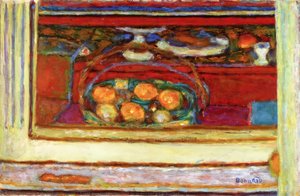
Fruit Bowl
 Acrylic On Canvas
- WallArt
- Post-Impressionism
 1914
1914- 19th Century
 46.0 x 37.0 cm
Experience Pierre Bonnard’s ‘Fruit Bowl’ (1914). A vibrant still life showcasing oranges, apples & bananas in his signature Impressionistic style. Hand-painted reproduction available.
 اقرأ المزيد
بيير بونار (1867-1947) رسام فرنسي ما بعد الانطباعية، اشتهر بمشاهده الحميمة وألوانه الزاهية وأسلوبه "الحميمي". استكشف إرثه ولوحاته الشهيرة مثل "امرأة في فستان مربعات"!
نسخة زيتية مصنوعة يدوياً
لوحة زيتية مرسومة يدوياً على الكانفاس بالمقاس والإطار الذي تفضله، تُنفذ حسب الطلب على أيدي فنانينا. ( التبديل إلى المطبوعات التحويل إلى الصورة الرقمية)




P118B $10

P118H $10

P118W $10

P438Z $10

P508JH $12

P508YH $12

P805H $10

P805Z $10

P919BZ $10

P919G $10

P919XJ $10

P959ZH $10

P968JZ $12

W106C $8

W218G $10

W218JH $8

W218Y $10

W307PJ $10

W316G $10

W316PJ $8

W316Y $10

W398PJ $8

W4111J $10

W500HY $15

W500JH $15

W692G $12

W849H $8

W940BG $15

W953PJ $8




مقاس قياسي
مخصص
CM
INCH
اختر من بين أحجامنا المُعدّة مسبقاً والتي تتوافق مع النسب الأصلية للعمل الفني.
Loading sizes...

العرض
الارتفاع
يمكنك إدخال أبعاد خاصة لتناسب إطاراً أو مساحة معينة. وفي حال عدم تطابق الحجم المختار مع نسب الصورة الأصلية، سنقوم إما بقص العمل الفني أو توسيع اللوحة عبر إضافة عناصر مرسومة يدوياً. وسيتم إرسال نموذج رقمي إليك للموافقة عليه قبل بدء عملية الإنتاج.
يرجى ملاحظة أن المعاينة على الشاشة لا تعكس عملية القص أو التوسيع الفعلية؛ إذ إن النموذج الرقمي هو الوحيد الذي يوضح التكوين النهائي بدقة.
وعلى الرغم من توفر أحجام مخصصة، إلا أننا نوصي باختيار أبعاد من القائمة المحددة مسبقاً للحفاظ على النسب الأصلية للعمل الفني.
أمثلة على التعديلات الممكنة: استبدال الوجه بصورة العميل؛ إضافة حيوان أليف (مثل استبدال قطة بكلب)؛ تضمين رسالة مخفية في الخلفية؛ تغيير المناظر الطبيعية أو العناصر في الخلفية.
بعد إتمام الطلب، سيرسل فريق TopImpressionists.com بريداً إلكترونياً للعميل لطلب التعليمات وتزويده بمعاينة تجريبية (mockup).
بعد إتمام الطلب، سيرسل فريق TopImpressionists.com بريداً إلكترونياً للعميل لطلب التعليمات وتزويده بمعاينة تجريبية (mockup).
توصيل عالمي إلى خلال 3 إلى 4 أسابيع بدلاً من المدة المعتادة البالغة 5 أسابيع. (26 سبتمبر). جودة لا تهاون فيها.

شحن سريع ومجاني لجميع أنحاء العالم

قماش كتان فاخر

تأمين شامل على الشحن

ضمان استرداد الرسوم الجمركية

ضمان دقة مطابقة الألوان

سياسة الإرجاع خلال 100 يوم (في حالات العيوب فقط)

ضمان استرداد نقدي بنسبة 100%

عرض خصم الكميات
 خيار الزجاج متاح فقط للمقاسات التي تقل عن 110 سم

Fruit Bowl
وسيط إعادة الإنتاج
مقاس النسخة المطبوعة
-


إجمالي السعر
$ 269
A Still Life of Quiet Intensity: Pierre Bonnard’s ‘Fruit Bowl’ (1914)
Pierre Bonnard's Fruit Bowl, painted in 1914, offers a poignant glimpse into the artist’s evolving approach to depicting domestic scenes. Measuring 46 x 37 cm, this intimate composition transcends a simple representation of fruit; it is a carefully constructed meditation on light, color, and the quiet beauty of everyday objects. Executed with Bonnard's signature meticulous brushwork and his masterful manipulation of tonal values, the painting speaks to a period of profound artistic experimentation within the Nabis group, of which he was a key member.
The Nabis Influence and Bonnard’s Palette
Bonnard's association with the Nabis – “The Prophets” – profoundly shaped his artistic vision. This group sought to create religious art through the use of color, drawing inspiration from Spanish mysticism and the works of William Morris. Fruit Bowl reflects this influence in its deliberate avoidance of academic realism. Instead of striving for photographic accuracy, Bonnard prioritized conveying atmosphere and emotion through a vibrant, almost hallucinatory palette. The dominant hues – rich oranges, deep reds, and muted greens – are not merely descriptive; they are imbued with symbolic weight, reflecting the Nabis’s interest in exploring spiritual themes through color.
- Color as Symbol: Bonnard's use of orange is particularly noteworthy. It evokes warmth, vitality, and perhaps even a hint of religious fervor, aligning with the Nabis movement’s exploration of spirituality.
- Tonal Modulation: The subtle shifts in tone – from the luminous highlights on the oranges to the darker shadows within the bowl – create a sense of depth and volume, drawing the viewer into the scene.
Composition and Technique – A Study in Detail
The composition of Fruit Bowl is deceptively simple yet remarkably effective. Bonnard’s close-up perspective forces the viewer to confront the individual elements—the oranges, apples, and banana—with a heightened sense of detail. His brushstrokes are visible, adding a textural quality that enhances the painting's tactile appeal. The arrangement of the fruit itself is not random; it suggests a carefully considered balance, reflecting Bonnard’s meticulous observation skills honed during his early work in caricature.
Historical Context and Emotional Resonance
Painted in 1914, just months before the outbreak of World War I, Fruit Bowl offers a poignant reflection on a world on the brink of upheaval. The painting’s serene subject matter – a commonplace scene transformed into something extraordinary through Bonnard's artistic vision – can be interpreted as a quiet resistance to the impending chaos. The work embodies Bonnard’s ability to find beauty and meaning in the ordinary, a characteristic that resonates deeply with viewers today. It evokes a sense of nostalgia for a simpler time, inviting contemplation on themes of domesticity, memory, and the fleeting nature of beauty.
A Timeless Masterpiece – Reproduction Options
TopImpressionists offers meticulously crafted hand-painted reproductions of Pierre Bonnard’s Fruit Bowl, ensuring that you can experience the full impact of this remarkable artwork. Each reproduction is created using traditional techniques and archival materials, guaranteeing its longevity and preserving the original painting's vibrant colors and exquisite detail. Whether for your home or office, a TopImpressionists reproduction of *Fruit Bowl* will be a timeless addition to any collection.
أعمال فنية مشابهة




نبذة عن الفنان
Pierre Bonnard (1867-1947): ألوانٌ تُجسّدُ الروحَ واللحظةَ الخالدةً
كان بيير بونارد، المولود عام 1867 في منطقة فونينتيه أوكسر الفرنسية الفرعية، ليس مُقدَّرًا لحياةٍ فنيّةٍ متأثّرةٍ بالعبيرِ الفنيِّ بشكلٍ جليٍّ. كان والده، مسؤولاً رفيعَ المستوى في وزارة الحرب الفرنسية، يتطلع إلى مهنةٍ قانونيّةٍ لابنه، وتعلّم بيير القانون بتفصيلٍ ودقةٍ، وحصل على رخصةٍ عام 1888، لكن قلبه لم يكن في عالمِ الفنون بل في جمالِ الألوانِ والتشكيلِ البارقيّ. كان هذا التضادُّ بين التوقعاتِ والرغبةِ الداخليّة قد أثرَّ بشكلٍ خفيفٍ على مسيرتهِ الفنيّة، مُضَمِّنًا لهُ طابعَ القربى والصدق في أعمالِه. بدأ بونارد حياتَه كرسام كاريكاتوري، وتعلّم مهارةَ الملاحظَة الدقيقة التي ستزدهر فيما بعد لتصبح رسوماتٍ دقيقَةً ومُتقَنَّعةً لمشاهداتِ الحياةِ اليوميّةِ العاديّةِ. ومع ذلك، كان لقاءهُ مع أكاديمية يوليان نقطة البداية الحقيقيّة لهُ في اكتشاف طريقتِه الفنيّة، حيث واجه رفاقَهُ الذين شارَكوا رؤيتهُ الفنيّة المتزايدة وتخلَّوْا عن التقاليدِ الأكاديميّة وأضَاءَتْهُ روحُ العبْرَةِ الحديثة التي كانت تسيطر على باريس. هذا اللقاء قادهُ إلى النابيس، مجموعة من الفنانين سعَوْا لإضفاء طابعٍ روحيٍّ وتأصيليٍّ على الفنون، وتجاوزوا تمثيلَ الواقع لتستكشفوا التجربةَ الذاتيةَ والداخليةَ.النوابيس وعملُ القربى والصدق
لقد كان لقاء النابيس حاسماً لبونارد. فالتركيزُ على الأشكالِ المُسطَّحَة، والتشكيلُ البارقيُّ الجريء، وتخلُّصُ التشكيلِ التقليديِّ عن المنظورِ البسيط كانت تعكسُ بشكلٍ عميقٍ تفضيلاتِه الفنيّة. استلهم بونارد من فنّ الرسوم اليابانيّة - خطوطُهُ الأنيقة والتكويناتُ المتوازنةُ الهادئة - وتأثَّرَ بالتيارِ الرمزوي الذي سعَى لاستكشاف المشاعرِ الذاتية والروحانية، وتجاوزَ تمثيلَ الواقع نحو التعبير عن التجربة الداخلية. لم يكن بونارد مهتمًا بقصصٍ عريضة أو إيحاءاتٍ تاريخيّة؛ بل استثمر في ذاتِه، وركز على اللحظات الهادئة من الحياة اليوميّة: امرأةٌ تستحم، عائلةٌ تتجمَع لتناول العشاء، حديقةٌ مشمسةٌ تضيءُ بالضوءِ الدافئ. لم تكن هذه المشاهد مجرّدًا تمثيلًا للأحداث بل هي استخلاصاتٌ من المشاعر - إيحاءاتٌ بالذاكرة والجو العام. هذا التركيز على القربى العاطفيّة أكسبهُ لقبًا فريدًا، وهو "الإنتميست"، الذي يلتقط بشكلٍ مثاليِّ ما يحملهُ العمل الفنيُّ من عمقٍ وعاطفةٍ وتأثيرٍ روحيٍّ. لم تكن لوحاتُهُ تسعى إلى إظهار ما هو مُرَسَّمٌ بل كيف يُشعَر بوجود ذلك، وكيف يضيء الضوء ويُضفي الألوان على المشاهدات لتكون أكثر جاذبيةً وعمقًا. عمل من الذاكرة، ورسم بشكلٍ مكثف ثم تحويل تلك الانطباعات إلى لوحات باستخدام حساسيةٍ استثنائية للضوء واللون.الألوانُ كإحساسٌ: رسامٌ بارقيٌّ مُتقَنَّعٌ
تعتبر الألوانُ السمة الأكثر تميزًا لبونارد، وقد كان الفنان يرى بها ويشعر بها، ويسمح لها بتحديد الحالة الجوائيّة للعمل الفني. لم يكن بونارد يستخدم اللون فحسب بل كان يعبّر عنه، ويضفي عليه طابعًا فريدًا ومُتوازِنًا، وغالبًا ما كان يستخدم تركيبات غير تقليديّة تُضفي إحساسًا بالإشراقِ الساحر والتوهُّجِ الخالد. لم يكن الهدف هو تمثيل الواقع بدقة بل هو التقاط التجربة الذاتية للون، وقدرته على استثارة المشاعر والذاكرة. ابتعد عن الملاحظَة المباشرة، ورسم من الذاكرة، مما سمح له بإضفاء طابعًا حالمًا على المشاهدات وتشكيلها بطريقةٍ تتجاوز التفسير العادي للواقع. لم تكن لوحاتهُ تسعى إلى إظهار ما هو مُرَسَّمٌ بل كيف يُشعَر بوجود ذلك، وكيف يضيء الضوء ويُضفي الألوان على المشاهدات لتكون أكثر جاذبية وعمقًا. كان الفنان يرى أن الجمال يمكن أن يُوجد في العبارة الفنيّة وليس في الإيحاءات الهائلة أو الأحداث البطوليّة، بل في اللحظات الهادئة من الحياة - تضيء بالضوء وتُضفي على المشاهدات إحساسًا بالروحانية والصدق.الحياةُ اللاحقة والتراثُ الفنيُّ
مع تقدم بونارد في السن، اتسعت رؤيته الفنيّة أكثر نحو استكشاف الضوء واللون، وقام بتوسيع نطاق حياتِه في جنوب فرنسا، حيث انتابته الجمالية البارقيّة للمناظر الطبيعي المتوسطريّ وتوهُّجُهُ الشمسي القوي. ظلت علاقته بزوجتِه ومؤلفَة حياتِه، مارث د ميليني، مركزًا لحياته الفنيّة والروحيّة، وكانت هي التي تظهر باستمرار في لوحاتهِ، وغالبًا ما كانت تُرَسَّم وهي تستحم أو مُتَّعَدِّدَةٌ في الأنشطة اليوميّة العاديّة، وتفوح منها الرقة والصدق والتواضع. وفي عام 1912، اشترى "الرولوتة" في فيرنويت، بالقرب من غيفري، وأقام صداقةً وثيقة مع كلود مونيه، مما أثّر على رؤيته الفنيّة وتشكيلَهُ، لكنهُ حافظ دائمًا على طابعه الفني الخاص الذي يتجاوز التقاليد الأكاديميّة ويُضفي على العمل الفني إحساسًا بالروحانية والجمال. استمر بونارد في الرسم حتى اللحظة التي توفَّى فيها عام 1947، تاركًا وراءهُ مجموعة من الأعمال الفنيّة التي لا تزال تُثير الإعجاب والتأثير وتُجسّد التراث الفني الذي تركته لحقبةٍ فنيّةٍ حافلة بالابتكار والإبداع.الأعمالُ البارقيّة والمجموعاتُ الفنيةُّ
- امرأةٌ مرتديةٌ إلى الخلف (1890): مثالٌ مبكّر على أسلوبه البارقي المُتأثَّر بالنوابيس، ويتميز بالأشكال المُسطَّحَة والتركيبات البارقية الجريئة.
- غرفةُ العشاء (1913): مشهدٌ نموذجي للقربى العاطفيّة، ويجسد الدفء والتواضع في الحياة الأسرية.
- وعاءٌ بالفواكه (حوالي عام 1933): يظهر إتقان الفنان للوحات البارقيّة، مع ألوانٍ زاهِرة وإحساس عميق بالإشراق والضياء.
- شجرةُ الخوخ في الإزهار (1947): آخر لوحة للفنان، وكُلِّفَتْ قبل وفاتِه بيومين، وتُظهر استمراره في استكشاف الضوء واللون.
- متحف المارمونوت مونيه، باريس، فرنسا
- المعهد الفني الشيكاغو
- متحف المودرن آرت، مدينة نيويورك
- تات موderm، لندن

بيريه بونارد
1867 - 1947 , فرنسا
لمحة سريعة
- Artistic Movement Or Style: إضاهامسي إعطابري، إنتيمس
- Artists Who Influenced This Artist:
- بول غاوجين
- هوكساي
- Date Of Birth: ٣ أكتوبر ١٨٦٧م
- Date Of Death: ٢٣ يناير ١٩٤٧م
- Full Name: بير رييهون
- Nationality: فرنسي
- Notable Artworks: ['امرأة بوشرتة الرأس"، "شجرة الجوز في الإزهار']
- Place Of Birth: فونتيني أوكس ريز، فرنسا
مقالات ذات صلة

Capturing the Light of Amsterdam: A Journey Through Impressionist Masterpieces of the Dutch Canals
Embark on a visual journey through the luminous Amsterdam canals. Discover how Impressionist masters captured the fleeting light of the Dutch landscape through evocative brushwork and color. Explore the timeless beauty of these masterpieces for your private art collection.

Capturing the Drama: How Impressionist Light and Shadow Transform Your Living Space
Discover how the luminous light and dramatic shadows of Impressionist masterpieces can transform your home. Explore expert insights on using Renoir, Monet, and Cézanne to create a serene, culturally rich sanctuary through museum-quality, hand-painted oil reproductions.
استكشف الأعمال الفنية المصنفة حسب الموضوعات والأنماط والخصائص.


