


 معاينة الحجم الواقعي
 إرسال
إرسال مشاركة
 عرض التفاصيل
 دليل الأعمال الفنية للطلاب

 تحميل
تحميل
 قطع مشابهة
 الأشعة السينية
 عرض شرائح متتابع
 الإحصائيات
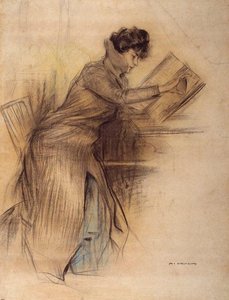
White Lady
 Acrylic On Canvas
- WallArt
- Modernisme
 1891
1891- 19th Century
 55.0 x 35.0 cm
 متحف كاو فيرات
Ramon Casas’s ‘White Lady,’ a captivating portrait from 1891, showcases the artist's Modernist style with a serene woman in a pink and white dress. Discover this beautiful Spanish painting and bring its elegance into your home.
 اقرأ المزيد
رامون كاساس، فنان كتالوني رائد من حركة المودرنيسم. اشتهر بلوحاته البورتريه ومشاهد الحياة اليومية التي تمزج بين الواقعية والانطباعية بأسلوب فريد. اكتشف أعماله المميزة وتأثيره التاريخي.
طباعة جيلي / مطبوعات فنية
طباعة جيكلي أو كانفاس بجودة المتاحف، مع سرعة في التنفيذ وخيارات متنوعة للتشطيب. ( اطلب نسخة مرسومة يدويًا التحويل إلى الصورة الرقمية)




P118B E£10

P118H E£10

P118W E£10

P438Z E£10

P508JH E£12

P508YH E£12

P805H E£10

P805Z E£10

P919BZ E£10

P919G E£10

P919XJ E£10

P959ZH E£10

P968JZ E£12

W106C E£8

W218G E£10

W218JH E£8

W218Y E£10

W307PJ E£10

W316G E£10

W316PJ E£8

W316Y E£10

W398PJ E£8

W4111J E£10

W500HY E£15

W500JH E£15

W692G E£12

W849H E£8

W940BG E£15

W953PJ E£8




مقاس قياسي
مخصص
CM
INCH
اختر من بين أحجامنا المُعدّة مسبقاً والتي تتوافق مع النسب الأصلية للعمل الفني.
Loading sizes...

العرض
الارتفاع
أدخل العرض والارتفاع اللذين تحتاجهما، ليتناسب مع إطارك أو جدارك. يمكن قص المطبوعة فقط، ولا يمكن أبداً جعلها أكبر من الصورة الأصلية، لذا فإن أي مقاس بشكل مختلف سيؤدي إلى فقدان جزء من الصورة. سنرسل لك نموذجاً رقمياً تجريبياً لاعتماده قبل البدء في عملية الطباعة. الصورة المعروضة في هذه الصفحة لا توضح القص الفعلي — النموذج التجريبي فقط هو ما يظهر ذلك.
توصيل عالمي إلى خلال أسبوعين بدلاً من المدة القياسية البالغة 4/5 أسابيع. (27 أكتوبر)

شحن سريع ومجاني لجميع أنحاء العالم

قماش كتان فاخر

تأمين شامل على الشحن

ضمان استرداد الرسوم الجمركية

ضمان دقة مطابقة الألوان

سياسة الإرجاع خلال 100 يوم (في حالات العيوب فقط)

ضمان استرداد نقدي بنسبة 100%

عرض خصم الكميات
 خيار الزجاج متاح فقط للمقاسات التي تقل عن 110 سم

White Lady
طباعة جيلي / مطبوعات فنية
مقاس النسخة المطبوعة
-


إجمالي السعر
E£ 3592
Ramon Casas i Carbó’s ‘White Lady’: A Portrait of Catalan Modernisme
Ramon Casas i Carbó's “White Lady,” painted in 1891, is more than just a portrait; it’s a delicately rendered window into the heart of Catalan Modernisme. This intimate scene captures a woman seated on a bench, an embodiment of quiet contemplation and understated elegance – a hallmark of Casas’s artistic vision. The painting immediately draws the eye to the subject's serene expression and the soft palette dominated by whites, pinks, and subtle greens, colors that evoke both fragility and resilience, reflecting the spirit of the era.
- Subject & Composition: The central figure, a woman in a flowing white dress with a blush-toned skirt, occupies the foreground with a sense of quiet dignity. Her hands folded demurely in her lap contribute to an atmosphere of stillness and introspection. The inclusion of a nearby chair subtly suggests a moment of respite, inviting the viewer into her private world.
- Technique & Style: Casas masterfully employs Impressionistic techniques, evident in his loose brushstrokes and emphasis on capturing fleeting moments of light and shadow. This approach is particularly noticeable in the rendering of the fabrics – the delicate folds of the dress and the subtle textures of the green plants – adding a remarkable level of realism to the scene.
A Window into Barcelona’s Modernista World
Painted during a pivotal moment in Catalan art history, “White Lady” reflects the burgeoning Modernisme movement that was transforming Barcelona. This period witnessed a rejection of traditional academic styles and an embrace of new influences – notably Impressionism and Japonisme – alongside a fervent desire to express Catalan identity through artistic expression. Casas, as a key figure within this movement, skillfully blended these diverse elements, creating a style uniquely his own.
- Historical Context: 1891 Barcelona was undergoing rapid industrialization and urbanization, yet simultaneously, there was a strong cultural revival focused on Catalan heritage. Casas’s work often depicted scenes of daily life in the city, capturing both its dynamism and its underlying traditions.
- The Artist's Influence: Casas’s connections within the artistic circles of Barcelona – including his friendships with figures like Santiago Rusiñol – further cemented his position as a leading voice of Modernisme.
Symbolism & Emotional Resonance
While seemingly simple in its composition, “White Lady” is rich in symbolic potential. The color white itself often represents purity and innocence, while the woman’s posture suggests vulnerability and contemplation. The green plants introduce a natural element, symbolizing life, growth, and perhaps even hope. The overall effect is one of quiet beauty and emotional depth – inviting viewers to ponder themes of solitude, reflection, and the transient nature of existence.
- Color Palette: The restrained color palette contributes significantly to the painting’s mood, creating a sense of calm and serenity.
- Light & Shadow: Casas's skillful use of light and shadow adds depth and dimension to the portrait, enhancing its realism and emotional impact.
A Timeless Masterpiece – A Perfect Reproduction
This hand-painted reproduction captures every nuance of Casas’s original masterpiece, offering a stunning addition to any art collection or interior space. The meticulous attention to detail, combined with the artist's signature Impressionistic style, ensures that this artwork will continue to captivate and inspire for generations to come. Whether you are an admirer of Modernisme, a collector seeking exceptional pieces, or an interior designer looking to create a sophisticated atmosphere, “White Lady” is a truly timeless investment.
الأسئلة والأجوبة
ما هي أبعاد العمل الأصلي "White Lady" للفنان رامون كاساس؟
تبلغ أبعاد "White Lady" في شكلها الأصلي 55 x 35 cm. وتُعد الأبعاد الأصلية مرجعاً مفيداً عند اختيار حجم النسخة المطبوعة.
ما هو الشعور والعاطفة اللذان يعبر عنهما "White Lady" للفنان رامون كاساس؟
تتجلى الحالة المزاجية المسجلة في "White Lady" للفنان رامون كاساس في Ethereal، بينما يتمثل طابعها العاطفي في Reflective.
ما هي المكانة التي تحتلها "White Lady" للفنان رامون كاساس في تاريخ الفن؟
التصنيف التاريخي الفني لـ "White Lady" للفنان رامون كاساس هو Modernisme، خلال حقبة 19th Century.
أعمال فنية مشابهة




نبذة عن الفنان
الحياة المبكرة والتدريب الفني
رامون كاساس إي كاربو (4 يناير 1866 – 5 فبراير 1932) كان رسامًا وديكورًا بارزًا في حركة المودرنيسم الكاتالونية. ولد في برشلونة بإسبانيا، ويُعرف بأعماله البورتريه والمشاهد الحياتية وتصوير الحياة الكاتالونية، حيث يمزج عناصر الواقعية والانطباعية بأسلوب متميز.
- الميلاد والعائلة: ولد كاساس في عائلة ثرية؛ فقد جمع والده ثروة كبيرة في كوبا، بينما تنحدر والدته من سلالة كاتالونية راسخة.
- التعليم الفني: إدراكًا لميوله الفنية المبكرة، تخلى كاساس عن تعليمه الرسمي في سن الحادية عشر (عام 1877) لدراسة الفن تحت إشراف خوان فيسينس، مما يمثل بداية رحلته الفنية المتفانية.
- الأعمال الأولى والاعتراف: ركزت أعماله الأولية بشكل أساسي على البورتريهات والكاريكاتيرات لأعضاء النخبة الكاتالونية والإسبانية والفرنسية. وقد حظيت لوحة بورتريه ذاتي كراقصة فلامنكو (1883) باهتمام كبير، مما أدى إلى دعوته للانضمام إلى جمعية الفنانين الفرنسيين.
- النجاحات المبكرة: عززت لوحة Corrida de Toros (1884)، التي تعرض قدرته على التقاط المشاهد الجماعية الديناميكية، سمعته. وحصل عمله Intérieur du Moulin de la Galette (1891) على ميدالية في المعرض الدولي ببرلين، مما يدل على نضجه الفني المتزايد.
التطور والموضوعات الفنية الرئيسية
تأثر أسلوب كاساس بشكل كبير بكل من تقنيات الانطباعية – كما يتضح في استخدامه للضوء واللون – وتصوير الواقعية للحياة اليومية والأفراد. كان يركز على الهوية الكاتالونية، حيث صور مشاهد الحياة اليومية والمهرجانات وبورتريهات الشخصيات البارزة داخل كاتالونيا.
- تأثير الانطباعية والواقعية: تأثر أسلوب كاساس بشكل كبير بكل من تقنيات الانطباعية – كما يتضح في استخدامه للضوء واللون – وتصوير الواقعية للحياة اليومية والأفراد.
- الهوية الكاتالونية: كان الموضوع المتكرر في أعمال كاساس هو تصوير الثقافة والمجتمع والمناظر الطبيعية الكاتالونية. غالبًا ما صور مشاهد الحياة اليومية والمهرجانات وبورتريهات الشخصيات البارزة داخل كاتالونيا.
- التعاون مع سانتياغو روسينيول: في عام 1889، انطلق كاساس في رحلة فنية مهمة جنبًا إلى جنب مع زميله الفنان سانتياغو روسينيول، وسافر عبر كاتالونيا ووثق تجاربهما في الرسومات واللوحات. عزز هذا التعاون فهمه للهوية الكاتالونية والحياة الريفية.
- الارتباط بجمعية الفنانين الفرنسيين: سمح له أن يصبح شريكًا في هذه الجمعية المرموقة بعرض أعماله في صالتهم دون الخضوع لعملية اختيار لجنة التحكيم، مما أتاح له مزيدًا من التعرض والاعتراف في عالم الفن الباريسي.
الإنجازات الرئيسية والأعمال البارزة
اشتهر كاساس ببورتريهاته الثاقبة والمعبرة، التي لا تلتقط الشبه الجسدي فحسب، بل أيضًا شخصية وروح مواضيعه. تشمل الأمثلة بورتريه السيد دومينغيز (1899) الذي يعرض مهارته في الرسم بالقلم الرصاص.
- البورتريهات: كان كاساس معروفًا ببورتريهاته الثاقبة والمعبرة، التي لا تلتقط الشبه الجسدي فحسب، بل أيضًا شخصية وروح مواضيعه.
- المشاهد الحياتية: قدمت لوحاته لمحة حية عن الحياة الكاتالونية، وصورت مشاهد من مصارعة الثيران (Corrida de Toros) والمقاهي والتجمعات الاجتماعية.
- بورتريه ذاتي كراقصة فلامنكو (1883): أرسى هذا العمل المبكر أسلوبه الفريد وأظهر قدرته على مزج البورتريه مع التألق المسرحي.
- تصوير الشخصيات المشهورة: أنشأ كاساس صورًا لشخصيات بارزة مثل الملحن إيزاك ألبيز والشاعر جاومي ماسو والكاتب ألبرت برنيس، مما عزز مكانته كرسام بورتريه مطلوب.
الإرث والأهمية التاريخية
ترك رامون كاساس إي كاربو بصمة لا تمحى على الفن الكاتالوني وحركة المودرنيسم الأوسع. ويُحتفى بعمله لتصويره النابض بالحياة للحياة الكاتالونية وبورتريهاته الثاقبة ومزيجه الماهر من الواقعية والانطباعية. اليوم، توجد لوحاته في متاحف مرموقة بما في ذلك متحف كاو فيرات (Sitges) ومتحف برشلونة للفن المعاصر، مما يضمن استمرار إرثه الفني في إلهام وإبهار الجماهير.

رامون كاساس
1866 - 1932 , إسبانيا
لمحة سريعة
- أعمال بارزة:
- بورتريه كراقص فلامنكو
- Corrida de toros
- الاسم الكامل: رامون كاساس إي كاربو
- الجنسية: إسباني
- الحركة الفنية: المودرنيسم الكاتالوني
- تاريخ الميلاد: 4 يناير 1866
- تاريخ الوفاة: 5 فبراير 1932
- فنانون مؤثرون: ['رسامون واقعيون و انطباعيون']
- فنانون متأثرون: ['حركة المودرنيسم الكاتالوني']
- مكان الميلاد: برشلونة، إسبانيا
مقالات ذات صلة

TopImpressionists.com F.A.Q.: Discover the Vibrant Beauty of Our Premium Art Poster Prints
Explore the technical excellence of TopImpressionists.com's premium art poster prints. Discover how our 12-color pigment system and archival inks capture the luminous beauty of Impressionist masterpieces with unmatched color fidelity and museum-grade durability for the discerning collector.