

المعروض: · بالإطار:
 معاينة الحجم الواقعي
 مشاركة
 مشاركة
 التفاصيل
 دليل
دليل

 تحميل الملف
 قطع مشابهة
 الأشعة السينية
 عرض شرائح
 الأسئلة والأجوبة
 الإحصائيات


E£ 14115
نسخة زيتية مرسومة يدوياً
لوحة زيتية مرسومة يدوياً على الكانفاس بالمقاس والإطار الذي تفضله، تُنفذ حسب الطلب على أيدي فنانينا. ( التبديل إلى نسخة مطبوعة الانتقال إلى الصورة الرقمية)
المقاس
·قياسي
حسب الطلب
CM
INCH
اختر من بين أحجامنا المُعدّة مسبقاً والتي تتوافق مع النسب الأصلية للعمل الفني.
جاري تحميل المقاسات...

العرض
الارتفاع
أدخل العرض والارتفاع اللذين تحتاجهما ليتناسب العمل مع إطارك أو جدارك. وبما أن هذه اللوحة مرسومة يدوياً، ففي حال اختيار مقاس بأبعاد مختلفة، يمكن للفنان رسم مساحة إضافية حول الصورة أو تقليصها قليلاً — الخيار لك. سنرسل لك نموذجاً رقمياً تجريبياً لاعتماده قبل البدء في الرسم. علماً بأن الصورة المعروضة في هذه الصفحة لا تعكس النتيجة النهائية الحقيقية، فالنموذج التجريبي هو الوحيد الذي يوضح ذلك بدقة.
 للمزيد من المعلومات
إنهاء
·
أبيض E£1

حواف ضبابية E£1

ممتد الحواف E£1

P118B E£10

P118H E£10

P118W E£10

P438Z E£10

P508JH E£12

P508YH E£12

P805H E£10

P805Z E£10

P919BZ E£10

P919G E£10

P919XJ E£10

P959ZH E£10

P968JZ E£12

W106C E£8

W218G E£10

W218JH E£8

W218Y E£10

W307PJ E£10

W316G E£10

W316PJ E£8

W316Y E£10

W398PJ E£8

W4111J E£10

W500HY E£15

W500JH E£15

W692G E£12

W849H E£8

W940BG E£15

W953PJ E£8

H24-GOLD E£30

H24-SILVER E£30

H36-GOLD E£45

H36-SILVER E£45
تُشحن في أنبوب واقٍ، لتكون جاهزة للتأطير لدى فني الإطارات الخاص بك.
للقطع التي يتجاوز طولها ١٠٥ سم، يتم شحن الإطار كمجموعة مخصصة لخبراء التأطير — اقرأ التفاصيل.
خدمات إضافية
اختياريماذا تشمل الإضافات؟
أمثلة على ما يمكن تغييره: استبدال الوجه بصورة العميل؛ إضافة حيوان أليف (على سبيل المثال، استبدال قطة بكلب)؛ تضمين رسالة مخفية في الخلفية؛ تغيير المناظر الطبيعية أو العناصر في الخلفية.
بعد الطلب، سيقوم فريق TopImpressionists.com بمراسلة العميل عبر البريد الإلكتروني للحصول على التعليمات وتزويده بمعاينة تجريبية للعمل
بعد الطلب، سيقوم فريق TopImpressionists.com بمراسلة العميل عبر البريد الإلكتروني للحصول على التعليمات وتزويده بمعاينة تجريبية للعمل
توصيل عالمي إلى خلال 3 إلى 4 أسابيع بدلاً من المدة المعتادة البالغة 5 أسابيع. (9 نوفمبر). جودة لا تهاون فيها.
ورنيش واقٍ
بطاقة التعريف
تفاصيل اللوحة البرونزية المحفورة
This elegant plaque features the artist's name and the title of the artwork, finely engraved for a timeless presentation.
It is made from bronze with a refined, elegant finish. The text is precisely laser-engraved for a sharp and permanent result. Measuring 9x2 cm, the plaque is compact yet easy to read. It's built to be durable and scratch-resistant, offering a professional, museum-quality look. Mounting is simple thanks to the included adhesive backing.
تفاصيل اللوحة الأكريليكية الشفافة
The plaque includes essential engraved details such as the artist's name, the title of the artwork, the date it was created, the type of media used-like oil on canvas or watercolor-a brief description of the piece, and a QR code that links to the complete artwork information.
It is crafted from clear acrylic, offering a sleek, modern appearance. The text is UV-engraved in black to ensure strong visual contrast. With a size of 10x15 cm, it ensures optimal readability. It comes equipped with two metal hooks for secure wall mounting. The plaque is designed to be weather-resistant, making it suitable for various environments, and it includes interactive features that work seamlessly with smartphone scanning.
تفاصيل اللوحة الأكريليكية السوداء
This elegant plaque includes engraved information such as the artist's name, the title of the artwork, the date it was created, the type of media used (like oil on canvas or watercolor), a short description of the artwork, and a QR code for quick access to more information.
The plaque itself is made from refined black acrylic with a premium finish. The text is laser-engraved in white for high contrast and readability. Its size is 10x15 cm, designed to be easy to read. It comes with two metal hooks for professional mounting. The design is sleek and fits any interior style. It is also weather-resistant and durable, with built-in digital integration for mobile compatibility.
خيار الزجاج متاح فقط للمقاسات التي تقل عن 110 سم
 خيار الزجاج متاح فقط للمقاسات التي تقل عن 110 سم
- شحن سريع ومجاني لجميع أنحاء العالم
- قماش كتان عالي الجودة
- تأمين شامل على الشحن
- ضمان استرداد الرسوم الجمركية
- ضمان مطابقة الألوان الحقيقية
- سياسة الإرجاع خلال 100 يوم (في حالات العيوب فقط)
- ضمان استرداد نقدي بنسبة 100%
- خصم عند طلب كميات


وصف القطعة المقتناة
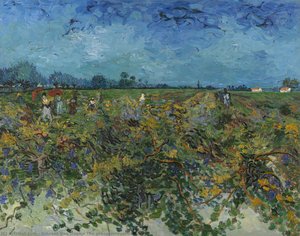
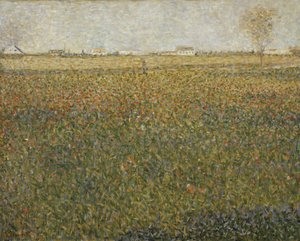
Discover Richard Jettel’s ‘Pumpkin Field’ (1885). An Impressionistic landscape of rural life, showcasing textured brushwork & a serene autumn scene. Explore this captivating artwork!
السيرة الذاتية للفنان
Discover Richard Alfred Eugen Jettel (1845-1901), a Croatian painter & Vienna Secession co-founder. Explore his captivating Impressionistic landscapes, influenced by Barbizon & Art Nouveau styles.
عن اللوحة
حقائق سريعة واختبار فني
عن Richard Alfred Eugen Jettel

Richard Alfred Eugen Jettel
1845 - 1901, Croatia
السيرة الذاتية للفنان
A Life Immersed in Landscape: The World of Richard Alfred Eugen Jettel
Richard Alfred Eugen Jettel, a name perhaps less immediately recognizable than some of his contemporaries within the Vienna Secession, nevertheless occupies a crucial position in understanding the transition from traditional landscape painting to the burgeoning artistic currents of late 19th-century Europe. Born in 1845 in what is now Croatia – then part of Austria-Hungary – Jettel’s life was one dedicated to capturing the serene beauty and atmospheric nuances of the natural world. His journey, spanning Vienna, Paris, and his beloved Istria, reflects a fascinating interplay between academic training, Impressionistic influence, and a commitment to forging a distinctly personal artistic vision. From humble beginnings in a family connected to industry – his father was an ironworks administrator – Jettel’s path led him towards the canvas, beginning formal studies at the Vienna Academy of Fine Arts in 1860 under Albert Zimmermann. This early exposure fostered connections with future artists like Emil Jakob Schindler and Robert Russ, nurturing an appreciation for the Barbizon School's naturalistic approach that would profoundly shape his artistic development.Parisian Light and the Embrace of Impressionism
The year 1873 marked a pivotal moment in Jettel’s career: his move to Paris, secured through a contract with the influential art dealer Charles Sedelmeyer. This relocation wasn't merely a change of scenery; it was an immersion into the heart of the avant-garde. The Parisian art scene, vibrant and brimming with innovation, proved transformative for Jettel. He absorbed the techniques and philosophies of Impressionism, moving away from strictly academic renderings towards capturing fleeting moments of light and atmosphere. His landscapes began to exhibit a looser brushstroke, a heightened sensitivity to color, and a focus on conveying the *feeling* of a place rather than simply its topographical accuracy. This period saw Jettel’s reputation grow, with regular exhibitions at prestigious salons like the Salon des Champs-Elysées and the Salon du Champ-de-Mars. He became known for his Barbizon-inspired scenes – tranquil portrayals of rural life imbued with textured brushwork and a palpable sense of serenity. While in Paris, Jettel also served as a teacher to Émile Barau, further demonstrating his influence within the artistic community.Return to Vienna and Secessionist Affiliations
Despite his success in France, Jettel eventually returned to Vienna in 1897, inheriting wealth that afforded him the freedom to dedicate himself entirely to his art. This return coincided with a period of significant upheaval and innovation within the Austrian art world. The formation of the Vienna Secession – a group of artists rebelling against the conservative constraints of the established Academy – offered Jettel a new platform for artistic expression. He became a founding member, aligning himself with a movement that championed artistic freedom and embraced modern aesthetics. While his style didn’t radically depart from his earlier Impressionistic leanings, his Secessionist affiliation signaled a commitment to challenging convention and exploring new avenues of artistic inquiry. His involvement solidified his position as a significant figure in Austrian modern art, bridging the gap between traditional landscape painting and the emerging avant-garde.A Legacy Etched in Landscape
Throughout his career, Jettel remained steadfastly devoted to landscape painting. Whether depicting rolling hills, dense forests, tranquil bodies of water, or scenes of rural life, his works consistently conveyed a sense of harmony between humanity and nature. Notable examples like “River Landscape” and “Mountainous Landscape” exemplify this enduring theme. He received numerous accolades throughout his career, including Gold Medals in Munich (1874), Vienna (1877), and at the Paris World’s Fair (1889), culminating in his knighthood into the Légion d'honneur in 1898. Jettel’s influence extended beyond his immediate circle; artists like William Beattie Brown and Eugène Louis Boudin were demonstrably impacted by his style, particularly his ability to capture atmospheric effects with remarkable sensitivity. Today, his paintings are held in esteemed collections such as the Museum Galerie Würthle in Vienna, ensuring that his artistic legacy continues to inspire. Jettel’s work serves as a poignant reminder of the power of landscape painting to evoke emotion, celebrate beauty, and connect us to the natural world – a testament to a life lived immersed in its captivating embrace.حقائق سريعة عن Richard Alfred Eugen Jettel
- Full Name: Richard Alfred Eugen Jettel
- Nationality: Austrian/Croatian
- Date Of Birth: 1845
- Date Of Death: 1901
- Place Of Birth: Vienna, Croatia
- Notable Artworks:
- River Landscape
- Mountainous Landscape
- Pumpkin Field
- Artistic Movement Or Style:
- Vienna Secession
- Impressionism
- Barbizon School
- Artists Who Influenced This Artist:
- Albert Zimmermann
- August von Pettenkofen
- Artists Or Movements Influenced By This Artist:
- William Beattie Brown
- Eugène Louis Boudin
- Gustav Klimt
أعمال فنية ذات صلة





Richard Alfred Eugen Jettel
Pumpkin field
() ·
بالإطار: · رُسمت يدوياً بالزيت على الكتان
الإجمالي