أتيليه — شحن مجاني لجميع أنحاء العالم — مدة التوصيل ٢–٦ أسابيع
      معاينة الحجم الواقعي معاينة بالواقع المعزز التبديل إلى المطبوعات التحويل إلى الصورة الرقمية إرسال
      عرض التفاصيل دليل الأعمال الفنية للطلاب أضف إلى المفضلة تحميل قطع مشابهة الأشعة السينية عرض شرائح متتابع الإحصائيات

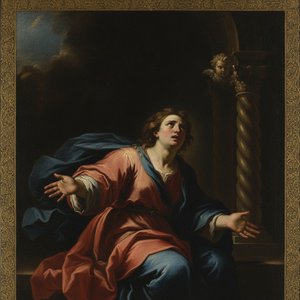
      The Prodigal Son

      Salvator Rosa’s "The Prodigal Son" (1651) is a dramatic Baroque masterpiece depicting repentance & faith. Explore this iconic oil painting's rich symbolism & dynamic composition.

      سالفاتور روزا، رسام باروكي إيطالي (1615-1673) اشتهر بمناظره الطبيعية الدرامية ورؤيته الفلسفية. مؤثر في فنانين مثل لوكا جوردانو.

      نسخة زيتية مصنوعة يدوياً

      لوحة زيتية مرسومة يدوياً على الكانفاس بالمقاس والإطار الذي تفضله، تُنفذ حسب الطلب على أيدي فنانينا. ( التبديل إلى المطبوعات التحويل إلى الصورة الرقمية)

      Corner sample of the P118B picture frame: moulded polystyrene, 5 cm wide and 3 cm thick
      P118B 10
      Corner sample of the P118H picture frame: moulded polystyrene, 5 cm wide and 3 cm thick
      P118H 10
      Corner sample of the P118W picture frame: moulded polystyrene, 5 cm wide and 3 cm thick
      P118W 10
      Corner sample of the P438Z picture frame: moulded polystyrene, 5.5 cm wide and 3.5 cm thick
      P438Z 10
      Corner sample of the P508JH picture frame: moulded polystyrene, 7 cm wide and 3.5 cm thick
      P508JH 12
      Corner sample of the P508YH picture frame: moulded polystyrene, 7 cm wide and 3.5 cm thick
      P508YH 12
      Corner sample of the P805H picture frame: moulded polystyrene, 5 cm wide and 3.5 cm thick
      P805H 10
      Corner sample of the P805Z picture frame: moulded polystyrene, 5 cm wide and 3.5 cm thick
      P805Z 10
      Corner sample of the P919BZ picture frame: moulded polystyrene, 7 cm wide and 3.5 cm thick
      P919BZ 10
      Corner sample of the P919G picture frame: moulded polystyrene, 7 cm wide and 3.5 cm thick
      P919G 10
      Corner sample of the P919XJ picture frame: moulded polystyrene, 7 cm wide and 3.5 cm thick
      P919XJ 10
      Corner sample of the P959ZH picture frame: moulded polystyrene, 5 cm wide and 3 cm thick
      P959ZH 10
      Corner sample of the P968JZ picture frame: moulded polystyrene, 6 cm wide and 4 cm thick
      P968JZ 12
      Corner sample of the W106C picture frame: solid wood, 5 cm wide and 3 cm thick
      W106C 8
      Corner sample of the W218G picture frame: solid wood, 5 cm wide and 3 cm thick
      W218G 10
      Corner sample of the W218JH picture frame: solid wood, 5 cm wide and 3 cm thick
      W218JH 8
      Corner sample of the W218Y picture frame: solid wood, 5 cm wide and 3 cm thick
      W218Y 10
      Corner sample of the W307PJ picture frame: solid wood, 6 cm wide and 3 cm thick
      W307PJ 10
      Corner sample of the W316G picture frame: solid wood, 6 cm wide and 3 cm thick
      W316G 10
      Corner sample of the W316PJ picture frame: solid wood, 6 cm wide and 3 cm thick
      W316PJ 8
      Corner sample of the W316Y picture frame: solid wood, 6 cm wide and 3 cm thick
      W316Y 10
      Corner sample of the W398PJ picture frame: solid wood, 5 cm wide and 3 cm thick
      W398PJ 8
      Corner sample of the W4111J picture frame: solid wood, 6.5 cm wide and 3.5 cm thick
      W4111J 10
      Corner sample of the W500HY picture frame: solid wood, 7 cm wide and 5 cm thick
      W500HY 15
      Corner sample of the W500JH picture frame: solid wood, 7 cm wide and 5 cm thick
      W500JH 15
      Corner sample of the W692G picture frame: solid wood, 8 cm wide and 4 cm thick
      W692G 12
      Corner sample of the W849H picture frame: solid wood, 5 cm wide and 3 cm thick
      W849H 8
      Corner sample of the W940BG picture frame: solid wood, 7.5 cm wide and 4.5 cm thick
      W940BG 15
      Corner sample of the W953PJ picture frame: solid wood, 6 cm wide and 3.5 cm thick
      W953PJ 8

      مقاس قياسي
      مخصص
      CM
      INCH

      اختر من بين أحجامنا المُعدّة مسبقاً والتي تتوافق مع النسب الأصلية للعمل الفني.

      العرض
      الارتفاع

      يمكنك إدخال أبعاد خاصة لتناسب إطاراً أو مساحة معينة. وفي حال عدم تطابق الحجم المختار مع نسب الصورة الأصلية، سنقوم إما بقص العمل الفني أو توسيع اللوحة عبر إضافة عناصر مرسومة يدوياً. وسيتم إرسال نموذج رقمي إليك للموافقة عليه قبل بدء عملية الإنتاج.
      يرجى ملاحظة أن المعاينة على الشاشة لا تعكس عملية القص أو التوسيع الفعلية؛ إذ إن النموذج الرقمي هو الوحيد الذي يوضح التكوين النهائي بدقة.
      وعلى الرغم من توفر أحجام مخصصة، إلا أننا نوصي باختيار أبعاد من القائمة المحددة مسبقاً للحفاظ على النسب الأصلية للعمل الفني.

      أمثلة على التعديلات الممكنة: استبدال الوجه بصورة العميل؛ إضافة حيوان أليف (مثل استبدال قطة بكلب)؛ تضمين رسالة مخفية في الخلفية؛ تغيير المناظر الطبيعية أو العناصر في الخلفية.
      بعد إتمام الطلب، سيرسل فريق TopImpressionists.com بريداً إلكترونياً للعميل لطلب التعليمات وتزويده بمعاينة تجريبية (mockup).

      توصيل عالمي إلى خلال 3 إلى 4 أسابيع بدلاً من المدة المعتادة البالغة 5 أسابيع. (9 أكتوبر). جودة لا تهاون فيها.

      شحن سريع ومجاني لجميع أنحاء العالم
      قماش كتان فاخر
      تأمين شامل على الشحن
      ضمان استرداد الرسوم الجمركية
      ضمان دقة مطابقة الألوان
      سياسة الإرجاع خلال 100 يوم (في حالات العيوب فقط)
      ضمان استرداد نقدي بنسبة 100%
      عرض خصم الكميات

      إجمالي السعر

      E£ 13810

      The Prodigal Son

      وسيط إعادة الإنتاج

      مقاس النسخة المطبوعة

      -

      إجمالي السعر

      E£ 13810

      حقائق سريعة

      • Artistic style: Baroque religious art
      • Dimensions: 254 x 201 cm
      • Subject or theme: Repentance and faith
      • Location: Metropolitan Museum of Art
      • Title: The Prodigal Son
      • Influences:
        • Ribera
        • Poussin
      • Year: 1651

      اختبار المعلومات الفنية

      لكل سؤال إجابة صحيحة واحدة فقط.

      سؤال 1:
      What is the primary religious theme depicted in Salvator Rosa’s ‘The Prodigal Son’?
      سؤال 2:
      The stormy sky in the painting is most likely intended to symbolize:
      سؤال 3:
      Salvator Rosa’s style in ‘The Prodigal Son’ is best described as:
      سؤال 4:
      What technique is most evident in the rendering of the cattle in the painting?
      سؤال 5:
      The diagonal composition of the painting primarily serves to:

      Salvator Rosa’s Dramatic Depiction of Repentance: “The Prodigal Son”

      Salvator Rosa's "The Prodigal Son," painted in 1651, is not merely a religious scene; it’s a visceral portrayal of human fallibility and the transformative power of divine forgiveness. This oil-on-canvas masterpiece immediately commands attention with its dramatic chiaroscuro – the stark contrast between light and shadow – characteristic of the Baroque period. Rosa masterfully employs diagonal lines, originating from the kneeling figure at the heart of the composition, to draw the viewer’s eye directly into the scene, creating a dynamic sense of movement and urgency. The stormy sky above, rendered in turbulent browns and ochres, mirrors the turmoil within the young man's soul, hinting at the struggle between earthly desires and spiritual longing.

      The painting centers on a youth, clad in humble garments, kneeling in supplication amidst a herd of cattle – a potent symbol of his former life of luxury and indulgence. The setting is deliberately rural, emphasizing the stark contrast between the prodigal son’s past and his present state of humility. Rosa's meticulous technique is evident in every detail: the rough texture of the man’s skin, the shaggy coats of the cattle, and the intricate foliage of the background trees are all rendered with remarkable realism. The loose brushstrokes, however, prevent the work from feeling static, contributing to a sense of raw emotion and immediacy. Rosa's use of color is restrained yet powerful, dominated by earthy tones that evoke a somber atmosphere, punctuated by flashes of light highlighting the central figure – a deliberate focus on his vulnerability and plea for redemption.

      A Baroque Masterpiece: Style and Technique

      Salvator Rosa’s style defies easy categorization. While undeniably rooted in the Baroque tradition—known for its theatricality, emotional intensity, and dramatic lighting—Rosa injected a distinctly personal element into his work. He drew inspiration from both the naturalism of artists like Peter Paul Rubens and the classical ideals of Nicolas Poussin, yet he refused to be bound by any single movement or style. This resulted in a unique visual language characterized by a heightened sense of drama, an interest in capturing fleeting moments of human experience, and a willingness to depict subjects from unconventional perspectives. Rosa’s skill as a printmaker also informed his painting; the same attention to detail and dramatic composition found in his etchings are evident here.

      The perspective employed is particularly noteworthy. The cattle and trees receding into the distance appear smaller and less defined, creating a sense of depth and drawing the viewer’s eye towards the central figure. This technique not only enhances the realism of the scene but also reinforces the idea of the prodigal son's journey from worldly possessions to spiritual humility. Rosa’s masterful use of light and shadow further emphasizes this transition, highlighting the man’s face and body while plunging the background into darkness – a visual metaphor for his past sins.

      Symbolism and Spiritual Depth

      Beyond its immediate visual impact, “The Prodigal Son” is rich in symbolic meaning. The kneeling posture of the young man represents submission to God and a recognition of his wrongdoing. The cattle, traditionally associated with wealth and earthly possessions, serve as a stark reminder of the prodigal son’s former life of extravagance. The stormy sky symbolizes the spiritual struggle he faces – the conflict between his desires and his conscience. Crucially, the father's immediate embrace upon seeing his son is not merely an act of familial love; it represents God’s boundless mercy and forgiveness—a central tenet of Christian faith.

      Rosa’s choice to depict the moment *after* the son has returned – after the initial plea for forgiveness – is particularly poignant. It suggests that redemption is not simply a matter of acknowledging one's sins but also of experiencing God’s unconditional love and acceptance. The painting, therefore, offers a powerful meditation on themes of repentance, forgiveness, and the enduring hope found in faith.

      TopImpressionists Reproductions: Bringing “The Prodigal Son” to Life

      TopImpressionists is proud to offer meticulously crafted hand-painted reproductions of Salvator Rosa’s "The Prodigal Son." Each reproduction captures the painting's dramatic intensity, rich textures, and profound symbolism with unparalleled accuracy. Whether you are an art collector, interior designer seeking a statement piece, or simply an admirer of Baroque art, our high-quality reproductions provide a beautiful and authentic way to experience this iconic masterpiece. Explore our range of sizes and framing options to find the perfect addition to your home or office – a timeless testament to human redemption and divine grace.

      الأسئلة والأجوبة

      هل تُظهر لوحة "The Prodigal Son" تباينات قوية بين الضوء والظلال؟

      يُسجل التباين بين الضوء والظلال في "The Prodigal Son" بمستوى Balanced. ويصف التباين مدى قوة الاختلاف بين المناطق الفاتحة والمظلمة.

      من الذي أبدع "The Prodigal Son"؟

      تم إبداع "The Prodigal Son" بواسطة سالفاتور روزا. وتصف المعلومات الواردة في هذه الصفحة العمل الأصلي لـ سالفاتور روزا.

      ما مدى سطوع "The Prodigal Son" للفنان سالفاتور روزا؟

      تُظهر ألوان "The Prodigal Son" سطوعاً بمستوى Dark.

      ما هي الاستخدامات الموصى بها لنسخة مطبوعة من "The Prodigal Son"؟

      الاستخدام المقترح لـ "The Prodigal Son" للفنان سالفاتور روزا هو Statement، كما يمكن استخدامه لأغراض أخرى أيضاً.

      متى تم إنجاز "The Prodigal Son"؟

      يعود تاريخ "The Prodigal Son" إلى عام 1651، وهو تاريخ يضع العمل ضمن المسيرة المهنية لـ سالفاتور روزا وفي سياق حقبته الزمنية.

      إلى أي تيار فني تنتمي "The Prodigal Son" للفنان سالفاتور روزا؟

      تنتمي "The Prodigal Son" للفنان سالفاتور روزا إلى حركة Baroque. وتوفر هذه الحركة السياق الأسلوبي للعمل.

      في أي عمر أبدع سالفاتور روزا لوحة "The Prodigal Son"؟

      عندما أُبدع العمل "The Prodigal Son" في عام 1651، كان عمر الفنان سالفاتور روزا - المولود في 1615 - هو 36 عاماً.


      نبذة عن الفنان

      الحياة المبكرة والتدريب

      سالفاتور روزا، رسام باروكي إيطالي وشاعر وطابع، ولد في أرينيلا، نابولي، في 20 يونيو أو 21 يوليو 1615. كانت والدته، جوليا غريكا روزا، من عائلة يونانية الأصل من صقلية. على الرغم من رغبة والده في أن يصبح محامياً أو قسيساً، أظهر سالفاتور تفضيلاً للفنون منذ سن مبكرة. تلقى تدريبه الأولي في ورشة عمل جوزيبي سيمارديلي، وهو رسام نابولي المحلي، حيث تعلم أساسيات الرسم وتقنيات التصوير. سرعان ما تجاوز مهارات معلمه، وبدأ في تطوير أسلوبه الفريد والمميز الذي يجمع بين الواقعية والدراما والخيال.

      المسيرة الفنية

      تميزت المسيرة الفنية لـ سالفاتور روزا بأسلوبه غير التقليدي والمبهر، والذي ميزه عن معاصريه. كان نشطًا في نابولي وروما وفلورنسا، وتأثرت أعماله بالواقعية الطبيعية لريبيرا والكلاسيكية البوسينية. ومع ذلك، رفض أن يكون مقيدًا بأسلوب أو حركة معينة. سافر على نطاق واسع، وعمل لدى العديد من الرعاة الأثرياء، بما في ذلك العائلات النبيلة والباباوات. اشتهر بمناظره الطبيعية الدرامية التي تصور عواصف عنيفة وجبال وعرة وأطلال قديمة. بالإضافة إلى الرسم، كان روزا أيضًا شاعرًا موهوبًا وكاتبًا ساخرًا، وغالبًا ما استخدم شعره لانتقاد المجتمع والسياسة في عصره. من بين أشهر أعماله بايثاغورس يخرج من العالم السفلي (متحف كيمبل للفنون، فورت وورث، الولايات المتحدة)، والذي يعرض مزيجه الفريد من الموضوعات الفلسفية والفنية. كما تظهر قدرته على إضفاء الدراما على القصص التوراتية البسيطة في عماد الخصي (متحف كرايسلر للفنون، نورفولك، الولايات المتحدة).

      التأثيرات والإرث

      كان لعمل سالفاتور روزا تأثير كبير على تطور فن الباروك. يمكن رؤية تأثيره في أعمال الفنانين اللاحقين، مثل لوكا جوردانو، الذي واصل توسيع حدود التعبير الفني. استلهم روزا من أعمال فنانين سابقين مثل جوزيبي ريبيرا، الذي أثر على أسلوبه الواقعي والدرامي. كما تأثر بكلاسيكية نيكولاس بوسان، الذي ساعده على تطوير فهم أعمق للتكوين والتوازن. كان لأسلوبه الفريد وشخصيته المتمردة تأثير عميق على الفنانين في عصره وخارجه. يعتبر روزا أحد رواد المناظر الطبيعية الرومانسية، وقد ألهمت أعماله أجيالًا من الفنانين لاستكشاف جمال وقوة الطبيعة.

      الإنجازات الرئيسية والأهمية التاريخية

      ترك سالفاتور روزا إرثًا دائمًا في عالم الفن. بالإضافة إلى لوحاته الشهيرة، أنتج أيضًا عددًا كبيرًا من الرسومات والطباعة والشعر. كان أحد أوائل الفنانين الذين قاموا بتصوير المناظر الطبيعية كموضوع مستقل بذاته، وليس مجرد خلفية للقصص الدينية أو الأسطورية. كما اشتهر بأسلوبه الساخر والسياسي في الشعر، والذي استخدمه لانتقاد الظلم الاجتماعي والفساد السياسي. يعتبر روزا شخصية مهمة في تاريخ الفن الإيطالي، وقد ساهمت أعماله في تطوير فن الباروك والمناظر الطبيعية الرومانسية.
      • الرائد في تصوير المناظر الطبيعية: كان من أوائل الفنانين الذين صوروا المناظر الطبيعية كموضوع مستقل بذاته.
      • أسلوب فريد ومميز: جمع بين الواقعية والدراما والخيال في أعماله.
      • شاعر وكاتب ساخر: استخدم شعره لانتقاد المجتمع والسياسة في عصره.

      روابط مهمة

      ملف سالفاتور روزا على TopImpressionists ويكيبيديا: سالفاتور روزا بايثاغورس يخرج من العالم السفلي على TopImpressionists

      الخلاصة

      تستمر حياة وعمل سالفاتور روزا في إثارة شغف محبي الفن والمؤرخين على حد سواء. رسخ أسلوبه غير التقليدي ومرونته المستمرة ضد معايير عصره مكانته في سجلات فن الباروك. كرسام وشاعر وطابع، يظل شخصية غامضة، وتستمر أعماله في إلهام أجيال جديدة من الفنانين وعشاق الفن. متحف كيمبل للفنون، متحف كرايسلر للفنون (أسماء المتاحف)
      سالفاتور روزا

      سالفاتور روزا

      1615 - 1673 , إيطاليا

      لمحة سريعة

      • الأعمال البارزة:
        • منظر خليج ساليرنو
        • دراسة لـ 'عبقرية روزا'
      • الاسم الكامل: سالفاتور روزا
      • الجنسية: إيطالي
      • الحركة الفنية: باروك
      • الفنانون المؤثرون: ['خوسيه دي ريبيرا']
      • الفنانون المتأثرون: ['لوكا جوردانو']
      • تاريخ الميلاد: 20 يونيو 1615
      • مكان الميلاد: أرينيلا، إيطاليا
      استكشف الأعمال الفنية المصنفة حسب الموضوعات والأنماط والخصائص.
      © TopImpressionists.com — جميع الحقوق محفوظة  ·  مطلية يدوياً 100% · ضمان الرضا · شحن مجاني لجميع أنحاء العالم
      VISA MASTERCARD