

المعروض: · بالإطار:
 معاينة الحجم الواقعي
 مشاركة
 مشاركة
 التفاصيل
 دليل
دليل

 تحميل الملف
 قطع مشابهة
 الأشعة السينية
 عرض شرائح
 الأسئلة والأجوبة
 الإحصائيات
- 24.0 x 15.0 cm


E£ 14115
نسخة زيتية مرسومة يدوياً
لوحة زيتية مرسومة يدوياً على الكانفاس بالمقاس والإطار الذي تفضله، تُنفذ حسب الطلب على أيدي فنانينا. ( التبديل إلى نسخة مطبوعة الانتقال إلى الصورة الرقمية)
المقاس
·قياسي
حسب الطلب
CM
INCH
اختر من بين أحجامنا المُعدّة مسبقاً والتي تتوافق مع النسب الأصلية للعمل الفني.
جاري تحميل المقاسات...

العرض
الارتفاع
أدخل العرض والارتفاع اللذين تحتاجهما ليتناسب العمل مع إطارك أو جدارك. وبما أن هذه اللوحة مرسومة يدوياً، ففي حال اختيار مقاس بأبعاد مختلفة، يمكن للفنان رسم مساحة إضافية حول الصورة أو تقليصها قليلاً — الخيار لك. سنرسل لك نموذجاً رقمياً تجريبياً لاعتماده قبل البدء في الرسم. علماً بأن الصورة المعروضة في هذه الصفحة لا تعكس النتيجة النهائية الحقيقية، فالنموذج التجريبي هو الوحيد الذي يوضح ذلك بدقة.
 للمزيد من المعلومات
إنهاء
·
أبيض E£1

حواف ضبابية E£1

ممتد الحواف E£1

P118B E£10

P118H E£10

P118W E£10

P438Z E£10

P508JH E£12

P508YH E£12

P805H E£10

P805Z E£10

P919BZ E£10

P919G E£10

P919XJ E£10

P959ZH E£10

P968JZ E£12

W106C E£8

W218G E£10

W218JH E£8

W218Y E£10

W307PJ E£10

W316G E£10

W316PJ E£8

W316Y E£10

W398PJ E£8

W4111J E£10

W500HY E£15

W500JH E£15

W692G E£12

W849H E£8

W940BG E£15

W953PJ E£8

H24-GOLD E£30

H24-SILVER E£30

H36-GOLD E£45

H36-SILVER E£45
تُشحن في أنبوب واقٍ، لتكون جاهزة للتأطير لدى فني الإطارات الخاص بك.
للقطع التي يتجاوز طولها ١٠٥ سم، يتم شحن الإطار كمجموعة مخصصة لخبراء التأطير — اقرأ التفاصيل.
خدمات إضافية
اختياريماذا تشمل الإضافات؟
أمثلة على ما يمكن تغييره: استبدال الوجه بصورة العميل؛ إضافة حيوان أليف (على سبيل المثال، استبدال قطة بكلب)؛ تضمين رسالة مخفية في الخلفية؛ تغيير المناظر الطبيعية أو العناصر في الخلفية.
بعد الطلب، سيقوم فريق TopImpressionists.com بمراسلة العميل عبر البريد الإلكتروني للحصول على التعليمات وتزويده بمعاينة تجريبية للعمل
بعد الطلب، سيقوم فريق TopImpressionists.com بمراسلة العميل عبر البريد الإلكتروني للحصول على التعليمات وتزويده بمعاينة تجريبية للعمل
توصيل عالمي إلى خلال 3 إلى 4 أسابيع بدلاً من المدة المعتادة البالغة 5 أسابيع. (9 نوفمبر). جودة لا تهاون فيها.
ورنيش واقٍ
بطاقة التعريف
تفاصيل اللوحة البرونزية المحفورة
This elegant plaque features the artist's name and the title of the artwork, finely engraved for a timeless presentation.
It is made from bronze with a refined, elegant finish. The text is precisely laser-engraved for a sharp and permanent result. Measuring 9x2 cm, the plaque is compact yet easy to read. It's built to be durable and scratch-resistant, offering a professional, museum-quality look. Mounting is simple thanks to the included adhesive backing.
تفاصيل اللوحة الأكريليكية الشفافة
The plaque includes essential engraved details such as the artist's name, the title of the artwork, the date it was created, the type of media used-like oil on canvas or watercolor-a brief description of the piece, and a QR code that links to the complete artwork information.
It is crafted from clear acrylic, offering a sleek, modern appearance. The text is UV-engraved in black to ensure strong visual contrast. With a size of 10x15 cm, it ensures optimal readability. It comes equipped with two metal hooks for secure wall mounting. The plaque is designed to be weather-resistant, making it suitable for various environments, and it includes interactive features that work seamlessly with smartphone scanning.
تفاصيل اللوحة الأكريليكية السوداء
This elegant plaque includes engraved information such as the artist's name, the title of the artwork, the date it was created, the type of media used (like oil on canvas or watercolor), a short description of the artwork, and a QR code for quick access to more information.
The plaque itself is made from refined black acrylic with a premium finish. The text is laser-engraved in white for high contrast and readability. Its size is 10x15 cm, designed to be easy to read. It comes with two metal hooks for professional mounting. The design is sleek and fits any interior style. It is also weather-resistant and durable, with built-in digital integration for mobile compatibility.
خيار الزجاج متاح فقط للمقاسات التي تقل عن 110 سم
 خيار الزجاج متاح فقط للمقاسات التي تقل عن 110 سم
- شحن سريع ومجاني لجميع أنحاء العالم
- قماش كتان عالي الجودة
- تأمين شامل على الشحن
- ضمان استرداد الرسوم الجمركية
- ضمان مطابقة الألوان الحقيقية
- سياسة الإرجاع خلال 100 يوم (في حالات العيوب فقط)
- ضمان استرداد نقدي بنسبة 100%
- خصم عند طلب كميات


وصف القطعة المقتناة
السيرة الذاتية للفنان
اكتشف سيمون مارتيني، الفنان السينائي الذي أتقن الأناقة والرقي! لوحاته القوطية الدولية - مثل 'Maestà' - تمزج بين الموضوعات الدينية والتفاصيل الزخرفية الرائعة. أيقونة الفن الأوروبي في القرن الرابع عشر.
عن اللوحة
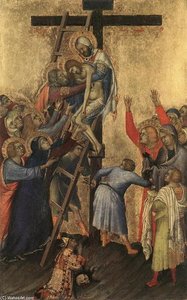
A Moment Frozen in Sorrow: Simone Martini’s Deposition
Simone Martini's *Deposition*, painted circa 1333, transcends mere depiction; it embodies the spiritual fervor and artistic sophistication characteristic of Siena during its golden age. Created amidst a period marked by profound religious contemplation and burgeoning humanist ideals—a fascinating crossroads between medieval piety and nascent Renaissance sensibilities—this masterpiece offers an unparalleled glimpse into the visual language of its time. The painting’s subject matter is undeniably solemn: Jesus Christ, having been crucified, lies upon a draped cloth, attended by Mary Magdalene, Nicodemus, Joseph of Arimathea, and several other figures representing grief and reverence. Martini skillfully captures this poignant tableau with an exquisite blend of meticulous detail and graceful elegance.- Style & Technique: Martini’s style is firmly rooted in International Gothic art, a movement renowned for its luminous color palettes, elongated figures, and painstaking realism—a deliberate departure from the stylized representations prevalent earlier in the century. The artist employs tempera paint on panel, a technique favored by Sienese artists of this era, resulting in vibrant hues that shimmer with an ethereal glow. Observe particularly the delicate rendering of drapery folds and facial expressions; Martini’s mastery lies in conveying emotion through subtle nuances of line and color.
- Historical Context: Siena during Martini's lifetime was a powerful ecclesiastical city, deeply invested in artistic patronage—a testament to its unwavering faith. The painting reflects the pervasive preoccupation with death and resurrection within Christian theology, mirroring the broader cultural anxieties surrounding mortality that underpinned much of medieval art. Furthermore, it speaks to the evolving understanding of Christ’s suffering as portrayed by humanist thinkers who began to question traditional interpretations.
الأسئلة والأجوبة
ما مدى تناغم الألوان في "Deposition" للفنان سيمون مارتيني؟
تتجلى في ألوان "Deposition" للفنان سيمون مارتيني تناغماً Unified Palette؛ حيث يصف هذا التناغم كيفية ترابط الألوان وتفاعلها مع بعضها البعض.
كيف يمكنني مشاهدة "Deposition" للفنان سيمون مارتيني كعرض شرائح؟
يمكن مشاهدة العرض المتتابع لـ "Deposition" في صفحة عرض شرائح الخاصة بالعمل الفني.
أيُّ مساحةٍ تتناغمُ مع ألوان "Deposition" للفنان سيمون مارتيني؟
بفضل لوحة ألوانه التي تتميز بـ Earthy، يُنصح بوضع "Deposition" للفنان سيمون مارتيني في Living Room؛ حيث تُعد الألوان أحد الأسباب وراء هذا الاقتراح.
حقائق سريعة واختبار فني
عن سيمون مارتيني

سيمون مارتيني
1284 - 1344, إيطاليا
السيرة الذاتية للفنان
Simone Martini: The Poet’s Muse and the Elegance of Gothic
Simone Martini (c. 1284 – July 1344) stands as a cornerstone of Tuscan Gothic art, an artist whose oeuvre embodies the refined sensibilities and meticulous craftsmanship that defined the era. Born in Siena—a city renowned for its vibrant artistic tradition—Martini’s life story is interwoven with tales of patronage, pilgrimage, and intellectual engagement, offering a glimpse into the cultural landscape of fourteenth-century Italy.
Early Life and Artistic Training
Precise biographical details surrounding Martini's birth remain elusive, shrouded in the uncertainties inherent to historical records. However, scholarly consensus suggests that he emerged from Siena sometime around 1284/85—likely the son of Martino Senese, a craftsman specializing in preparing plaster for frescoes.
His formative years were spent under the tutelage of Duccio di Buoninsegna, Siena’s foremost painter and arguably the most influential figure in Tuscan Gothic. Vasari recounts that Martini apprenticed himself to Giotto—a claim debated by modern art historians—yet Duccio undeniably instilled in him a profound understanding of stylistic principles rooted in Byzantine tradition.
Furthermore, Martini's exposure to Sienese goldsmithing workshops honed his technical skills and fostered an appreciation for decorative embellishment—a characteristic that would permeate his subsequent artistic endeavors. The influence of Memmo di Filippuccio—another prominent artist of Siena—extended beyond mere apprenticeship; their collaboration cemented Martini’s position within the city’s artistic milieu.
The Maestà: A Synthesis of Styles
Martini's magnum opus, the *Maestà* fresco commissioned for the Palazzo Pubblico in Siena (completed 1315), exemplifies his masterful synthesis of Gothic and Byzantine elements. The monumental panel depicts Mary enthroned with Christ Child—a composition that draws inspiration from Byzantine iconography while simultaneously incorporating Sienese decorative conventions.
The fresco’s shimmering gold leaf, meticulously applied by Martini's workshop, underscores the importance of materiality in conveying visual splendor. Moreover, Martini’s innovative use of perspective—particularly in the depiction of drapery folds—represents a significant advancement in artistic technique and foreshadows developments within Florentine painting.
The Maestà is not merely a technical achievement; it embodies Martini's aesthetic vision—a vision characterized by elegance, grace, and an unwavering commitment to capturing the spiritual essence of religious iconography. It stands as a testament to Martini’s ability to elevate artistic craftsmanship into a form of sublime beauty.
Beyond Siena: Patronage and Artistic Innovation
Martini’s artistic career extended beyond Siena's borders, encompassing commissions from papal courts in Avignon and Naples—a testament to his renown as an artist and the enduring appeal of his stylistic innovations. His patronage by Robert of Anjou—king of Naples—provided him with invaluable opportunities for experimentation and creative exploration.
Among Martini’s most celebrated works are the *Saint Louis Crowning Robert* (1317), executed for the royal court in Naples, and the *Saint Catherine Polyptych*, commissioned by Assisi Cathedral. These paintings showcase Martini's unparalleled command of color and form—demonstrating his mastery of both monumental fresco painting and intimate panel portraits.
His innovative approach to composition—particularly evident in the depiction of Christ before Pilate—challenged prevailing artistic conventions and signaled a decisive break from medieval stylistic norms. Martini’s legacy resides not only in his technical prowess but also in his contribution to shaping the aesthetic sensibilities of his time—a contribution that continues to inspire admiration and scholarly inquiry centuries later.
A Lasting Influence on Gothic Art
Simone Martini's influence reverberates throughout European art history, particularly within the realm of Gothic painting. His stylistic refinements—characterized by flowing lines, delicate ornamentation, and an unwavering pursuit of beauty—established a new standard for artistic excellence.
Artists across Europe emulated Martini’s techniques and compositional strategies—resulting in a widespread dissemination of his aesthetic vision. Martini's legacy transcends mere stylistic imitation; it embodies the enduring power of art to communicate spiritual values and elevate human experience—a testament to Simone Martini’s place as one of the most influential figures in the history of European painting.
حقائق سريعة عن سيمون مارتيني
- Artistic Movement Or Style: الدييكو الكوني المعتبرة
- Artists Who Influenced This Artist: ['الدييكو دي بوينيسينا"، "جيوتو دي بوندو']
- Date Of Birth: ع. ١٢٨٤
- Date Of Death: ١٣٤٤
- Full Name: Simone Martini
- Nationality: إيطالي
- Notable Artworks: ['الم Maestà"، "القديس لويس من طولوزة"، "القديسة كاترين الأليكساندريا البوليبيتخ"، "الإنعاش مع القديسة ماريجوري والقداسة أنسانوس']
- Place Of Birth: سني، إيطاليا
استكشف الأعمال الفنية المصنفة حسب الموضوعات والأنماط والخصائص.


سيمون مارتيني
Deposition
() ·
بالإطار: · رُسمت يدوياً بالزيت على الكتان
الإجمالي