معاينة الحجم الواقعي
 إرسال
إرسال مشاركة
 عرض التفاصيل
 دليل الأعمال الفنية للطلاب

 تحميل
تحميل
 قطع مشابهة
 الأشعة السينية
 عرض شرائح متتابع
 الإحصائيات
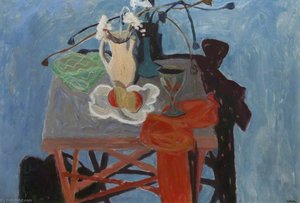
Florence
 Acrylic On Canvas
- WallArt
- Cubist Modernism
 1924
1924 66.0 x 91.0 cm
 الأكاديمية الملكية الاسكتلندية للفنون - العمارة
Sir William George Gillies’ "Florence" captures the vibrant Italian city with its iconic bridge and bustling scene. A stunning example of his artistic style, this painting showcases a beautiful representation of Florence's charm.
 اقرأ المزيد
اكتشف أعمال دبليو جي جيليس، رسام المناظر الطبيعية والحياة الصامتة الاسكتلندي. استكشف تأثيرات التكعيبية، وعلاقته بمجموعة 1922، وإرثه في فن القرن العشرين. لوحات اسكتلندية مميزة.
إن العمل الفني المعروض في هذه الصفحة محمي بموجب قوانين حقوق الطبع والنشر، مما يعني أنه لا يحق لنا قانوناً إنشاء أو بيع نسخ مطابقة له. وتُطبق هذه الحماية بموجب الاتفاقيات الدولية مثل الـ اتفاقية برن ووفقاً للقوانين الوطنية، بما في ذلك تلك المنصوص عليها في قانون حقوق الطبع والنشر في الولايات المتحدة - الباب 17.
تتوافق هذه الطريقة تماماً مع لوائح حقوق النشر لأنها لا تتضمن نسخ أو تكرار العمل الفني المحمي، بل هي إعادة تفسير إبداعية؛ أي أنها لوحة جديدة مستوحاة من الأصل ولكنها ليست مطابقة له.
طباعة جيلي / مطبوعات فنية
طباعة جيكلي أو كانفاس بجودة المتاحف، مع سرعة في التنفيذ وخيارات متنوعة للتشطيب. ( اطلب نسخة مرسومة يدويًا التحويل إلى الصورة الرقمية)




P118B E£10

P118H E£10

P118W E£10

P438Z E£10

P508JH E£12

P508YH E£12

P805H E£10

P805Z E£10

P919BZ E£10

P919G E£10

P919XJ E£10

P959ZH E£10

P968JZ E£12

W106C E£8

W218G E£10

W218JH E£8

W218Y E£10

W307PJ E£10

W316G E£10

W316PJ E£8

W316Y E£10

W398PJ E£8

W4111J E£10

W500HY E£15

W500JH E£15

W692G E£12

W849H E£8

W940BG E£15

W953PJ E£8




مقاس قياسي
مخصص
CM
INCH
اختر من بين أحجامنا المُعدّة مسبقاً والتي تتوافق مع النسب الأصلية للعمل الفني.
Loading sizes...

العرض
الارتفاع
أدخل العرض والارتفاع اللذين تحتاجهما، ليتناسب مع إطارك أو جدارك. يمكن قص المطبوعة فقط، ولا يمكن أبداً جعلها أكبر من الصورة الأصلية، لذا فإن أي مقاس بشكل مختلف سيؤدي إلى فقدان جزء من الصورة. سنرسل لك نموذجاً رقمياً تجريبياً لاعتماده قبل البدء في عملية الطباعة. الصورة المعروضة في هذه الصفحة لا توضح القص الفعلي — النموذج التجريبي فقط هو ما يظهر ذلك.
توصيل عالمي إلى خلال أسبوعين بدلاً من المدة القياسية البالغة 4/5 أسابيع. (24 أكتوبر)

شحن سريع ومجاني لجميع أنحاء العالم

قماش كتان فاخر

تأمين شامل على الشحن

ضمان استرداد الرسوم الجمركية

ضمان دقة مطابقة الألوان

سياسة الإرجاع خلال 100 يوم (في حالات العيوب فقط)

ضمان استرداد نقدي بنسبة 100%

عرض خصم الكميات
 خيار الزجاج متاح فقط للمقاسات التي تقل عن 110 سم

Florence
طباعة جيلي / مطبوعات فنية
مقاس النسخة المطبوعة
-


إجمالي السعر
E£ 3566
The Heart of Tuscany Captured: An Exploration of Gillies’ “Florence”
William George Gillies' "Florence," painted in 1924, isn’t merely a depiction of an Italian city; it’s a vibrant distillation of its spirit – a testament to the enduring beauty and bustling life of one of Europe’s most historically significant urban centers. This captivating canvas transports us directly to the heart of Tuscany, offering a glimpse into a world brimming with energy, commerce, and artistic resonance. The painting immediately draws the eye towards the graceful bridge that dominates the composition, its arched form acting as a visual anchor amidst the dynamic scene below. This isn’t a photographic representation; rather, Gillies employs a masterful blend of observation and imagination to create an atmosphere thick with movement and light.
Gillies, a key figure in the 1922 Group – a collective dedicated to promoting modern art in Scotland – was deeply influenced by both the Impressionists and the burgeoning Cubist movement. His early travels to Paris and Italy exposed him to these revolutionary styles, which he skillfully integrated into his own distinctive approach. “Florence” showcases this evolution; while retaining elements of traditional landscape painting, it’s imbued with a sense of fractured perspective and flattened planes reminiscent of Cubism, particularly in the treatment of the buildings lining the riverbank. The careful layering of color and brushstrokes creates an illusion of depth, inviting the viewer to lose themselves within the bustling cityscape.
A Symphony of Color and Light
The painting’s palette is remarkably rich and evocative. Gillies masterfully utilizes a range of warm ochres, deep blues, and vibrant reds to capture the essence of Florentine light. The sun, though not explicitly depicted, casts a golden glow across the scene, illuminating the reflections shimmering on the river's surface. Notice how he employs broken color – small dabs and strokes of contrasting hues – to suggest texture and form, particularly in the details of the buildings and boats. This technique adds a dynamic quality to the composition, preventing it from feeling static or overly formal.
- Dominant Colors: Warm ochres, deep blues, vibrant reds, and touches of green.
- Light & Shadow: Gillies expertly utilizes light and shadow to create a sense of depth and atmosphere.
- Brushwork: Loose, expressive brushstrokes contribute to the painting’s dynamic feel.
Symbolism and Historical Context
Beyond its aesthetic qualities, “Florence” is steeped in historical significance. The city itself represents a pivotal moment in Western civilization – the birthplace of the Renaissance, a period marked by an unprecedented flourishing of art, science, and culture. The bridge, a recurring motif in Gillies’ work, symbolizes connection and transition, linking the past with the present. The numerous boats navigating the river evoke the importance of trade and commerce to Florence's prosperity during this era. Furthermore, the painting subtly references the city’s architectural grandeur – the imposing buildings lining the riverbank are reminiscent of the palaces and churches that define Florence’s iconic skyline.
Painted in 1924, “Florence” reflects a period of renewed interest in classical art and culture following World War I. Gillies' work embodies a spirit of optimism and renewal, capturing the vibrant energy of a city poised to embrace the future while honoring its rich heritage. The painting’s enduring appeal lies not only in its technical brilliance but also in its ability to transport us back in time and evoke the timeless beauty of Florence.
Bringing “Florence” Home: A Reproduction for Your Space
TopImpressionists offers meticulously crafted, hand-painted reproductions of William George Gillies’ "Florence," ensuring that you can experience the full impact of this remarkable artwork within your own home. Our skilled artisans use traditional techniques and high-quality materials to faithfully recreate Gillies' unique style and color palette. Whether you are an art collector, a design enthusiast, or simply someone seeking to add a touch of timeless elegance to your space, our reproduction of “Florence” is the perfect choice. It’s more than just a print; it’s a window into the heart of Tuscany, capturing the spirit and beauty of one of the world's most beloved cities.
الأسئلة والأجوبة
في أي عمر أبدع ويليام جورج جيليس لوحة "Florence"؟
عندما أُبدع العمل "Florence" في عام 1924، كان عمر الفنان ويليام جورج جيليس - المولود في 1898 - هو 26 عاماً.
ما هو اللون الأكثر بروزاً في "Florence"؟
يُعد اللون Espresso (#513e27) هو اللون الطاغي في لوحة "Florence" للفنان ويليام جورج جيليس.
أين يمكنني العثور على إحصائيات حول "Florence" للفنان ويليام جورج جيليس؟
توجد صفحة الإحصائيات خاصة بـ "Florence"، حيث تعرض مخططاً للزيارات الشهرية لهذا العمل الفني ولأعمال الفنان الأخرى، مع تفصيل حسب الدولة واللغة.
نبذة عن الفنان
حياة وسيرة السير ويليام جورج جيليس: رائد الفن الاسكتلندي
ولد السير ويليام جورج جيليس في هادينغتون، شرق لوثيان بالمملكة المتحدة عام 1898، ليمثل حقبة ذهبية في تاريخ الفن الاسكتلندي. لم تكن رحلة جيليس الفنية مجرد مسار مهني، بل كانت قصة تحول عميق وتأثرات متباينة، أسهمت في تشكيل أسلوبه الفريد الذي يجمع بين الحداثة والتقاليد الاسكتندية الأصيلة. بدأت علاقته بالفن في كلية إدنبرة للفنون، لكنها تعطلت بسبب خدمته في الحرب العالمية الأولى كمهندس ملكي. بعد انتهاء الحرب، عاد جيليس ليكمل دراسته ويصبح لاحقًا معلمًا مكرسًا في نفس الكلية لأكثر من أربعين عامًا، تاركًا بصمة لا تُمحى على أجيال من الرسامين الاسكتلنديين.
التطور الفني والمدارس المؤثرة
انطلقت رحلة جيليس الفنية باستكشاف التكعيبية بعد دراسته تحت إشراف أندريه لوته في باريس عام 1923، ورحلته إلى إيطاليا عام 1924. تجسدت هذه التأثيرات المبكرة في أعماله الأولى مثل "إناءان وكوب وفاكهة" (1933)، والتي أظهرت ترتيبًا مستوحى من بول سيزان ولوحات ذات ألوان هادئة تذكر بأعمال براك وبيكاسو. شكل عام 1934 نقطة تحول حاسمة في مسيرته الفنية، عندما صادف أعمال بول كلي، مما ألهمه لتبني استخدام أكثر خيالًا للألوان وجودة شبيهة بطفولة التركيبات. تدريجيًا، ابتعد جيليس عن التكعيبية الصارمة، وطور أسلوبًا متميزًا متجذرًا في المناظر الطبيعية الاسكتلندية وتقاليد الحياة الصامتة.
مجموعة عام 1922 والروح التعاونية
في عام 1922، شارك جيليس في تأسيس "مجموعة عام 1922" إلى جانب فنانين زملاء مثل ويليام كروزييه وويليام جيسلر وويليام ماكتاغارت. قدم هذا المجتمع الفني منصة للرسامين الاسكتلنديين الناشئين لعرض أعمالهم في معرض نيو في إدنبرة لمدة عقد من الزمن. عززت المجموعة روح التعاون والابتكار داخل المشهد الفني الاسكتلندي، وساهمت في خلق بيئة داعمة للفنانين التجريبيين.
المواضيع الرئيسية والإنجازات البارزة
اشتهر جيليس برسوماته الخلابة للمناطق الاسكتلندية مثل لوثيان وفيف وبورديرز، حيث التقط جوهر هذه المناظر الطبيعية بعين حساسة. كانت رسومات الحياة الصامتة محور تركيز كبير آخر في أعماله، وغالبًا ما تضمنت أعمالًا خزفية من صنع شقيقته الصغرى إيما سميث جيليس التي أثر موتها المبكر عام 1936 بعمق في نفسه. على الرغم من تجربته مع البورتريه في بداية حياته المهنية، إلا أن المناظر الطبيعية ورسومات الحياة الصامتة ظلت مواضيعه الرئيسية. خدم جيليس كمدير لكلية إدنبرة للفنون من عام 1959 حتى تقاعده في عام 1966، مما يدل على التزامه بالتعليم وتنمية المواهب الشابة.
الأهمية التاريخية والإرث الدائم
يُعتبر السير ويليام جورج جيليس أحد أهم رسامي القرن العشرين في اسكتلندا. جسد عمله الفني الجسر بين الحداثة المبكرة والهوية الفنية الاسكتلندية المتميزة. يمتد إرثه إلى ما هو أبعد من لوحاته، حيث شكل اتجاه الفن الاسكتلندي من خلال تعليمه وتوجيهه للعديد من الفنانين. توفي في عام 1973، تاركًا وراءه مجموعة غنية من الأعمال التي لا تزال تحتفى بجمالها وحساسيتها وأهميتها الدائمة.

ويليام جورج جيليس
1898 - 1973 , المملكة المتحدة
لمحة سريعة
- أعمال بارزة:
- صبي صغير مع إبريق شاي
- منظر طبيعي متوسطي
- حياة ثابتة - إناء أصفر
- الاسم الكامل: ويليام جورج جيليس
- الجنسية: اسكتلندي
- الحركة الفنية: التكعيبية، اللونية الاسكتلندية
- تاريخ الميلاد: 1898
- تاريخ الوفاة: 1973
- فنانون مؤثرون:
- أندريه لوته
- سيزان
- براك
- بيكاسو
- بول كلي
- فنانون متأثرون: جيل من الرسامين الاسكتلنديين
- مكان الميلاد: هادينغتون، المملكة المتحدة
مقالات ذات صلة

أعلى 10 روائع تحدد مدرسة نهر هدسون: رحلة في الفن الراقي وجمال الطبيعة
اكتشف روائع مدرسة نهر هدسون! استكشف 10 لوحات فنية خالدة لـ Thomas Cole و Frederic Church وغيرهم. فن أمريكي رومانسي، مناظر طبيعية خلابة وألوان ترابية ساحرة. احصل على أعمال فنية راقية لديكور منزلك على TopImpressionists.com

أفضل 10 لوحات طبيعية رومانسية غيرت مسار الفن وجمّلت الديكور | TopImpressionists
اكتشف 10 روائع فنية رسمت مسار الفن الرومانسي! استكشف لوحات فريدريش، مالارد وأكثر. قصص الفنانين، تقنيات الرسم، وجمال المناظر الطبيعية الخلابة. احصل على أعمال فنية عالية الجودة من TopImpressionists.com!

أفضل 25 لوحة لجون كونستابل: روعة الطبيعة الإنجليزية في TopImpressionists
اكتشف روعة الطبيعة الإنجليزية مع أفضل 25 لوحة لجون كونستابل. قصص فنية آسرة وتقنيات زيتية فريدة في TopImpressionists.com. اشترِ نسخًا عالية الجودة وديكور منزلي فاخر. استكشف المجموعة الكاملة الآن!

Evocations of Place: A Historical Journey Through Landscape Art
Explore the rich history of landscape art with TopImpressionists. Discover renowned artists, movements like Impressionism & tonalism, and expert guidance for collecting timeless pieces. Find your perfect serene escape today!

Evocations of Place: A Historical Journey Through Landscape Art
Explore the rich history of landscape art with TopImpressionists. Discover renowned artists, movements like Impressionism & Romanticism, and expert guidance for collecting timeless pieces. Find your perfect serene escape today!
استكشف الأعمال الفنية المصنفة حسب الموضوعات والأنماط والخصائص.