

Shown: · With its frame:
 معاينة الحجم الواقعي
 إرسال
إرسال مشاركة
 عرض التفاصيل
 دليل الأعمال الفنية للطلاب

 تحميل
تحميل
 قطع مشابهة
 الأشعة السينية
 عرض شرائح متتابع
 Q&A
Q&A الإحصائيات


E£ 14050
نسخة زيتية مصنوعة يدوياً
لوحة زيتية مرسومة يدوياً على الكانفاس بالمقاس والإطار الذي تفضله، تُنفذ حسب الطلب على أيدي فنانينا. ( التبديل إلى المطبوعات التحويل إلى الصورة الرقمية)
Size
·مقاس قياسي
مخصص
CM
INCH
اختر من بين أحجامنا المُعدّة مسبقاً والتي تتوافق مع النسب الأصلية للعمل الفني.
Loading sizes...

العرض
الارتفاع
أدخل العرض والارتفاع اللذين تحتاجهما، ليتناسب العمل مع إطارك أو جدارك. وبما أن هذه اللوحة مرسومة يدوياً، ففي حال اختيار مقاس بشكل مختلف، يمكن للفنان رسم مساحة إضافية حول الصورة أو تقليصها قليلاً — الخيار لك. سنرسل لك نموذجاً رقمياً تجريبياً لاعتماده قبل البدء في الرسم. علماً بأن الصورة المعروضة في هذه الصفحة لا تعكس النتيجة النهائية الحقيقية — فالنموذج التجريبي هو الوحيد الذي يوضح ذلك بدقة.
 اقرأ المزيد
Finish
·
White E£1

Blurside E£1

Extended E£1

P118B E£10

P118H E£10

P118W E£10

P438Z E£10

P508JH E£12

P508YH E£12

P805H E£10

P805Z E£10

P919BZ E£10

P919G E£10

P919XJ E£10

P959ZH E£10

P968JZ E£12

W106C E£8

W218G E£10

W218JH E£8

W218Y E£10

W307PJ E£10

W316G E£10

W316PJ E£8

W316Y E£10

W398PJ E£8

W4111J E£10

W500HY E£15

W500JH E£15

W692G E£12

W849H E£8

W940BG E£15

W953PJ E£8

H24-GOLD E£30

H24-SILVER E£30

H36-GOLD E£45

H36-SILVER E£45
Shipped in a protective tube, ready for your own framer.
Above 105 cm the frame is shipped as a kit for a professional framer — read the details.
Extras
optionalWhat do the extras include?
Examples of what can be changed: Replace face with customer photo; Add pet (e.g., replace cat with dog); Include hidden message in background; Change background landscape or elements.
After order, TopImpressionists.com team will email client for instructions and provide a mockup preview
After order, TopImpressionists.com team will email client for instructions and provide a mockup preview
توصيل عالمي إلى خلال 3 إلى 4 أسابيع بدلاً من المدة المعتادة البالغة 5 أسابيع. (1 نوفمبر). جودة لا تهاون فيها.
ورنيش حماية
لوحة التعريف
تفاصيل اللوحة البرونزية المحفورة
This elegant plaque features the artist's name and the title of the artwork, finely engraved for a timeless presentation.
It is made from bronze with a refined, elegant finish. The text is precisely laser-engraved for a sharp and permanent result. Measuring 9x2 cm, the plaque is compact yet easy to read. It's built to be durable and scratch-resistant, offering a professional, museum-quality look. Mounting is simple thanks to the included adhesive backing.
تفاصيل اللوحة الأكريليكية الشفافة
The plaque includes essential engraved details such as the artist's name, the title of the artwork, the date it was created, the type of media used-like oil on canvas or watercolor-a brief description of the piece, and a QR code that links to the complete artwork information.
It is crafted from clear acrylic, offering a sleek, modern appearance. The text is UV-engraved in black to ensure strong visual contrast. With a size of 10x15 cm, it ensures optimal readability. It comes equipped with two metal hooks for secure wall mounting. The plaque is designed to be weather-resistant, making it suitable for various environments, and it includes interactive features that work seamlessly with smartphone scanning.
تفاصيل اللوحة الأكريليكية السوداء
This elegant plaque includes engraved information such as the artist's name, the title of the artwork, the date it was created, the type of media used (like oil on canvas or watercolor), a short description of the artwork, and a QR code for quick access to more information.
The plaque itself is made from refined black acrylic with a premium finish. The text is laser-engraved in white for high contrast and readability. Its size is 10x15 cm, designed to be easy to read. It comes with two metal hooks for professional mounting. The design is sleek and fits any interior style. It is also weather-resistant and durable, with built-in digital integration for mobile compatibility.
خيار الزجاج متاح فقط للمقاسات التي تقل عن 110 سم
 خيار الزجاج متاح فقط للمقاسات التي تقل عن 110 سم
- شحن سريع ومجاني لجميع أنحاء العالم
- قماش كتان فاخر
- تأمين شامل على الشحن
- ضمان استرداد الرسوم الجمركية
- ضمان دقة مطابقة الألوان
- سياسة الإرجاع خلال 100 يوم (في حالات العيوب فقط)
- ضمان استرداد نقدي بنسبة 100%
- عرض خصم الكميات


وصف المقتنيات
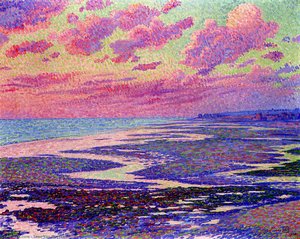
Experience Theo van Rysselberghe's 'Seascape,' a captivating Neo-Impressionist oil painting of a serene coastal scene. Admire the vibrant colors, dreamy atmosphere, and masterful brushwork in this iconic masterpiece.
نبذة عن الفنان
اكتشف لوحات ثيو فان ريسيلبرغيه النقطية النابضة بالحياة! استكشف مناظره الطبيعية وصوره ومشاهد المغرب – شخصية رئيسية في حركة "العشرين" تجمع بين الضوء واللون.
About the painting
A Symphony of Light and Sea: Theo van Rysselberghe’s “Seascape”
Theo van Rysselberghe's "Seascape," painted in 1893, isn’t merely a depiction of the ocean; it’s an immersion into a world where light dances upon water and tranquility reigns supreme. This oil on canvas, currently residing within the Indianapolis Museum of Art, embodies the heart of Post-Impressionism – a movement characterized by its vibrant color palettes, subjective perspectives, and a deliberate departure from strict realism. Van Rysselberghe, a pivotal figure bridging Impressionism and Neo-Impressionism, masterfully captures not just the visual elements of the seascape but also an elusive sense of mood and atmosphere, inviting the viewer into a contemplative space.
The painting immediately draws the eye to its luminous sky – a wash of yellows and blues that suggest both dawn and dusk. These aren’t the sharp, defined colors of traditional landscape art; instead, they bleed into one another with remarkable fluidity, creating an ethereal quality. Below this celestial expanse unfolds a deep azure ocean, punctuated by the gentle whitecaps of waves. The artist's brushstrokes are loose and expressive, avoiding meticulous detail in favor of conveying the *feeling* of movement and light. Two small boats navigate these waters, their forms subtly rendered against the vastness of the sea, hinting at human presence without dominating the scene.
Neo-Impressionism’s Dance with Light
Van Rysselberghe's approach aligns perfectly with the tenets of Neo-Impressionism. This movement, emerging in the late 19th century, built upon Impressionism but sought to introduce a more scientific and deliberate method to color theory. Artists like Van Rysselberghe employed “pointillism” – applying tiny dots of pure color to create an optical mixture when viewed from a distance. While not as rigorously executed as in works by Seurat or Signac, the influence is evident in the layering of colors and the overall effect of shimmering light. The painting’s vibrancy isn't achieved through blending on the palette but through the careful juxtaposition of individual hues.
The inclusion of a solitary figure near the left center adds an intriguing layer to the composition. This individual, seemingly lost in contemplation against the backdrop of the expansive sea, serves as a focal point for the viewer’s gaze. It's not a portrait in the traditional sense; rather, it represents humanity’s smallness and vulnerability when confronted with the immensity of nature. The figure’s presence subtly elevates the painting beyond a simple seascape, transforming it into a meditation on scale, perspective, and the human condition.
A Moroccan Echo & Belgian Roots
Van Rysselberghe's artistic journey was profoundly shaped by his extensive travels, particularly his sojourns in Morocco between 1882 and 1883. These experiences ignited a passion for capturing the intense light and vibrant colors of the North African landscape. The influence of these travels is palpable in “Seascape,” evident in the warm tones and the evocative depiction of the sea’s surface. His time in Morocco also fostered an appreciation for the interplay between color, shadow, and atmosphere – elements that he skillfully integrates into this painting.
Born in Ghent, Belgium, Van Rysselberghe's early training instilled a grounding in traditional realism. However, his travels and engagement with contemporary artistic movements propelled him toward a more expressive and subjective style. “Seascape” represents a harmonious synthesis of these influences – a testament to the artist’s ability to blend technical skill with emotional depth.
Capturing Tranquility: A Reproduction for Your Space
Reproductions of "Seascape" offer a remarkable opportunity to bring this evocative artwork into your home or office. The meticulous detail and vibrant colors are faithfully recreated, allowing you to experience the painting’s serene atmosphere firsthand. Whether displayed in a coastal room, a study, or a gallery wall, this reproduction serves as a constant reminder of the beauty and tranquility found within nature – a timeless piece that speaks to the soul.
Consider commissioning a hand-painted replica from TopImpressionists.com for an authentic experience, capturing the nuances of Van Rysselberghe’s technique and ensuring a treasured addition to your collection. The painting's legacy continues through these reproductions, allowing its beauty to be shared with a wider audience.
الأسئلة والأجوبة
ما الشعور الذي ينقله "Seascape" للفنان ثيو فان ريسيلبرغ؟
في "Seascape"، ترافقه أجواء Calm مع إحساس Tranquil.
هل "Seascape" للفنان ثيو فان ريسيلبرغ لوحة زيتية، أم رسم، أم مطبوعة؟
في الكتالوج، تم تصنيف "Seascape" للفنان ثيو فان ريسيلبرغ كـ WallArt. وتساعد هذه الفئة في العثور على أعمال مماثلة.
ما مدى تناغم ألوان "Seascape" للفنان ثيو فان ريسيلبرغ؟
تُظهر لوحة "Seascape" للفنان ثيو فان ريسيلبرغ تناغماً لونياً Strong Color Unity.
Quick facts and art quiz
About ثيو فان ريسيلبرغ

ثيو فان ريسيلبرغ
1862 - 1926, بلجيكا
نبذة عن الفنان
ريادة النور: حياة وفن ثيو فان ريسيلبرغ
ظهر تيوفيل “ثيو” فان ريسيلبرغ، المولود في مدينة غنت البلجيكية عام 1862، كشخصية محورية جسّرت الفجوة بين الانطباعية وما بعد الانطباعية. لم تكن رحلته قناعة أسلوبية فورية بل استكشافًا متطورًا أطلقه السفر والتبادل الفكري والسعي الدؤوب لالتقاط جوهر الضوء. ينحدر فان ريسيلبرغ من عائلة برجوازية مريحة تتحدث الفرنسية، وتلقى تدريبه الفني الأولي في أكاديمية غنت تحت إشراف ثيو كانيل، ثم درس في الأكاديمية الملكية للفنون الجميلة في بروكسل المرموقة. غرست هذه السنوات التكوينية فيه أساسًا متجذرًا في الواقعية التقليدية، ويتضح ذلك في الأعمال المبكرة مثل “صورة ذاتية مع أنبوب” (1880)، التي تتميز بنغمات قاتمة وتفاصيل دقيقة—وهو انعكاس للمناخ الفني البلجيكي السائد. ومع ذلك، حتى داخل هذه الأعمال المبكرة، بدأت تظهر لمحات من الحساسية الناشئة للضوء واللون، مما بشر بمساره المستقبلي.
كان عمله “طفل في بقعة مفتوحة من الغابة” (1880) علامة فارقة في هذه الفترة، حيث أشار إلى لوحة الألوان الأكثر إشراقًا والفرشاة الأكثر مرونة التي ستحدد أسلوبه لاحقًا.
انطباعات مراكش وولادة المجموعة العشرين
شهد فصل محوري مع رحلات فان ريسيلبرغ إلى المغرب بين عامي 1882 و 1888. انغمست هذه الإقامات الممتدة في عالم من الألوان النابضة بالحياة وأشعة الشمس المكثفة والمناظر الطبيعية الغريبة—وهو تناقض صارخ مع النغمات الخافتة لأعماله المبكرة. تُظهر اللوحات مثل “صانع أحذية عربي” (1882)، و“فتى عربي” (1882)، و“حارس مستريح” (1883) اهتمامًا متزايدًا بالتقاط تأثيرات الضوء على الشكل، والانتقال بعيدًا عن الواقعية الصارمة نحو حساسية انطباعية أكثر. لم تكن تجربة المغرب مجرد ملاحظة بصرية؛ بل كانت غمرًا في ثقافة مختلفة وسّعت آفاقه الفنية وغرست فيه حبًا دائمًا للسفر.
عند عودته إلى بروكسل، أصبح فان ريسيلبرغ قوة دافعة في المشهد الفني البلجيكي، حيث شارك في تأسيس المجموعة المؤثرة “العشرين” (Les XX) عام 1883 جنبًا إلى جنب مع أوكتاف موس وإميل فيرهيرين. كانت هذه المجموعة بمثابة منصة لعرض الفن الطليعي، وتقديم حركات جديدة مثل الانطباعية والرمزية لجمهور بلجيكي غير مألوف إلى حد كبير مع هذه الابتكارات. أصبحت لوحة “فانتازيا عربية” (1884)، وهي لوحة غريبة واسعة النطاق، عمله الأكثر شهرة من تلك الفترة، مما يدل على إتقانه للضوء والتكوين.
احتضان ما بعد الانطباعية: نهج علمي للألوان
وصل التحول الحقيقي في التطور الفني لفان ريسيلبرغ مع لقائه بلوحة “يوم أحد في جزيرة لا غراند جات” لـ جورج سورا في المعرض الثامن للانطباعيين في باريس عام 1886. كان فان ريسيلبرغ متشككًا في البداية من تقنية سورا الدقيقة “النقطية”—التطبيق المنهجي للنقاط الصغيرة من اللون النقي—لكنه قدر تدريجيًا أساسها العلمي وإمكاناتها لتحقيق تأثيرات مضيئة. بدأ في تجربة التقسيمية، وهي طريقة ما بعد الانطباعية لفصل الألوان إلى مكوناتها والسماح لعين المشاهد بدمجها بصريًا. لم يكن هذا مجرد تحول تقني؛ بل كان يمثل تغييرًا أساسيًا في نهجه للرسم—وهو انتقال نحو تمثيل أكثر تحليلية وموضوعية للضوء واللون.
كوّن صداقات وثيقة مع رسامي ما بعد الانطباعيين الآخرين مثل بول سيناك، وسافر معه على طول الريفييرا الفرنسية وتبادل الأفكار حول التقنية والنظرية. تميز فان ريسيلبرغ داخل الحركة بتطبيق النقطية ليس فقط على المناظر الطبيعية ولكن أيضًا على البورتريه، وإنشاء صور حية ونفسيًا لافتة لعائلته وأصدقائه—تعتبر أعمال مثل “السيدة تشارلز موس” (1890) أمثلة رئيسية.
ما وراء النقطية: إرث دائم
على الرغم من التزامه العميق بما بعد الانطباعية لفترة كبيرة، انتقل فان ريسيلبرغ في النهاية إلى ما هو أبعد من مبادئها الصارمة في أواخر التسعينيات. سعى للحصول على مزيد من الحرية في فرشاته وتكويناته، واستكشاف طرق جديدة للتعبير عن العاطفة والجو. ظل فنانًا غزير الإنتاج، وعمل في وسائط مختلفة بما في ذلك تصميم الأثاث ورسوم الكتب والفنون الزخرفية. امتد تأثيره إلى ما هو أبعد من بلجيكا، مما أثر على فنانين مثل بيت موندريان ويان توروب الذين استلهموا استخدامه المبتكر للون والضوء.
يكمن إرث فان ريسيلبرغ ليس فقط في لوحاته الجميلة ولكن أيضًا في دوره كمحفز للتغيير الفني—وهو بطل للحداثة ساعد في تقديم أفكار وتقنيات جديدة إلى العالم الفني البلجيكي. تُقام أعماله الآن في مجموعات المتاحف البارزة حول العالم، بما في ذلك متحف لوكسمبورغ في باريس ومتحف الفنون الجميلة في غنت، مما يضمن استمرار الاحتفاء بمساهمته في تاريخ الفن وتقديرها من قبل الأجيال القادمة. إن تفانيه في استكشاف التفاعل بين الضوء واللون والشكل رسخ مكانته كرائد حقيقي للرسم الحديث.
Quick facts about ثيو فان ريسيلبرغ
- أعمال بارزة:
- فانتازيا عربية
- امرأة إسبانية
- امرأة إشبيلية
- الاسم الكامل: ثيو فان ريسيلبرغه
- الجنسية: بلجيكي
- الحركة الفنية: الرسم الانطباعي الجديد
- الفنانون المؤثرون:
- جان فرانسوا بورتايلز
- جورج سورا
- بول سيناك
- الفنانون المتأثرون:
- بيت موندريان
- يان توروب
- تاريخ الميلاد: 23 نوفمبر 1862
- مكان الميلاد: غنت، بلجيكا
أعمال فنية مشابهة





استكشف الأعمال الفنية المصنفة حسب الموضوعات والأنماط والخصائص.


ثيو فان ريسيلبرغ
Seascape
() ·
With its frame: · Hand-painted in oil on linen
Total