


 معاينة الحجم الواقعي
 إرسال
إرسال مشاركة
 عرض التفاصيل
 دليل الأعمال الفنية للطلاب

 تحميل
تحميل
 قطع مشابهة
 الأشعة السينية
 عرض شرائح متتابع
 الإحصائيات
The Recitation


Explore 'The Recitation' by Thomas Wilmer Dewing – a melancholic Impressionist painting of two women in a serene landscape. Discover its layered texture & evocative mood.
 اقرأ المزيد
اكتشف لوحات توّنالية آسرة لتوماس ويلمر ديوينغ (1851-1938). اشتهر بصور بورتريه نبيلة ساحرة ومشاهد حالمة، وكان ديوينغ شخصية رئيسية في حركة التجميل الأمريكية وعضوًا مؤسسًا لمجموعة 'العشرة'.
نسخة زيتية مصنوعة يدوياً
لوحة زيتية مرسومة يدوياً على الكانفاس بالمقاس والإطار الذي تفضله، تُنفذ حسب الطلب على أيدي فنانينا. ( التبديل إلى المطبوعات التحويل إلى الصورة الرقمية)




P118B E£10

P118H E£10

P118W E£10

P438Z E£10

P508JH E£12

P508YH E£12

P805H E£10

P805Z E£10

P919BZ E£10

P919G E£10

P919XJ E£10

P959ZH E£10

P968JZ E£12

W106C E£8

W218G E£10

W218JH E£8

W218Y E£10

W307PJ E£10

W316G E£10

W316PJ E£8

W316Y E£10

W398PJ E£8

W4111J E£10

W500HY E£15

W500JH E£15

W692G E£12

W849H E£8

W940BG E£15

W953PJ E£8




مقاس قياسي
مخصص
CM
INCH
اختر من بين أحجامنا المُعدّة مسبقاً والتي تتوافق مع النسب الأصلية للعمل الفني.
Loading sizes...

العرض
الارتفاع
أدخل العرض والارتفاع اللذين تحتاجهما، ليتناسب العمل مع إطارك أو جدارك. وبما أن هذه اللوحة مرسومة يدوياً، ففي حال اختيار مقاس بشكل مختلف، يمكن للفنان رسم مساحة إضافية حول الصورة أو تقليصها قليلاً — الخيار لك. سنرسل لك نموذجاً رقمياً تجريبياً لاعتماده قبل البدء في الرسم. علماً بأن الصورة المعروضة في هذه الصفحة لا تعكس النتيجة النهائية الحقيقية — فالنموذج التجريبي هو الوحيد الذي يوضح ذلك بدقة.
أمثلة على التعديلات الممكنة: استبدال الوجه بصورة العميل؛ إضافة حيوان أليف (مثل استبدال قطة بكلب)؛ تضمين رسالة مخفية في الخلفية؛ تغيير المناظر الطبيعية أو العناصر في الخلفية.
بعد إتمام الطلب، سيرسل فريق TopImpressionists.com بريداً إلكترونياً للعميل لطلب التعليمات وتزويده بمعاينة تجريبية (mockup).
بعد إتمام الطلب، سيرسل فريق TopImpressionists.com بريداً إلكترونياً للعميل لطلب التعليمات وتزويده بمعاينة تجريبية (mockup).
توصيل عالمي إلى خلال 3 إلى 4 أسابيع بدلاً من المدة المعتادة البالغة 5 أسابيع. (25 أكتوبر). جودة لا تهاون فيها.

شحن سريع ومجاني لجميع أنحاء العالم

قماش كتان فاخر

تأمين شامل على الشحن

ضمان استرداد الرسوم الجمركية

ضمان دقة مطابقة الألوان

سياسة الإرجاع خلال 100 يوم (في حالات العيوب فقط)

ضمان استرداد نقدي بنسبة 100%

عرض خصم الكميات
 خيار الزجاج متاح فقط للمقاسات التي تقل عن 110 سم

The Recitation
وسيط إعادة الإنتاج
مقاس النسخة المطبوعة
-


إجمالي السعر
E£ 15215
A Symphony of Silence: The Essence of The Recitation
In the quietude of Thomas Wilmer Dewing’s 1891 masterpiece, The Recitation, viewers are invited into a world where time seems to suspend itself. This quintessential example of Tonalist painting transcends a mere depiction of two women in an outdoor setting; it is a profound exploration of mood and atmosphere. The scene unfolds with a gentle, melancholic grace, presenting a woman dressed in black seated prominently in the foreground, while another figure stands slightly behind her, her gaze lost toward the distant horizon. There is a palpable sense of stillness here, an invitation to step away from the clamor of the modern world and enter a space of pure, uninterrupted contemplation.
The emotional weight of the piece is carried by Dewing’s masterful use of color and light. The palette is dominated by a harmonious range of muted greens—from delicate pale celadon to deeper, more somber olive shades. These tones do not merely decorate the landscape; they breathe life into the atmosphere, imbuing the environment with a serenity that is tinged with a subtle, haunting melancholy. The lighting is soft and diffused, casting a gentle glow across the figures without the intrusion of harsh shadows, which further enhances the dreamlike, ethereal quality of the moment.
Technique and the Tonalist Vision
To behold The Recitation is to witness the meticulous skill of an artist deeply rooted in the English Aesthetic tradition. Dewing employs a technique characterized by the layering of thin glazes of oil paint onto the canvas, a process that builds a rich texture and an incredible sense of depth. His brushwork, while appearing loose and expressive, serves a deliberate purpose: to capture the fleeting nuances of light and shadow that define the Tonalist style. This approach allows for a soft, organic blurring of shapes, where lines are not sharply delineated but rather emerge from the atmospheric haze.
This painterly method creates an illusionistic depth that feels remarkably immersive. The texture appears layered and complex, inviting the eye to wander through the lush greenery and settle upon the subtle gradations of color. For the collector or interior designer, this technique offers a sophisticated visual richness; the painting does not demand attention through jarring contrasts but rather commands it through a steady, captivating presence that complements a refined and tranquil interior space.
Symbolism and the Human Experience
Beyond its aesthetic beauty, The Recitation serves as a poignant meditation on solitude and the inner life. The posture of the seated woman—calm, yet deeply absorbed in her own thoughts—suggests a deliberate retreat from external distractions. There is a beautiful tension in the composition between the two figures; the distance between them can be interpreted as a symbol of emotional separation or perhaps an unfulfilled longing. As one figure gazes toward the unreachable horizon, the painting touches upon themes of introspection and the human desire to connect with something beyond the immediate present.
This work stands as a testament to the power of art to capture the intangible. It is a piece that speaks to the soul, offering a sense of peace and a reminder of the beauty found in quiet moments of reflection. Whether viewed as a historical triumph of the American Tonalist movement or as a timeless portrait of human emotion, The Recitation remains an evocative masterpiece, perfect for those who seek to surround themselves with art that inspires deep thought and emotional resonance.
الأسئلة والأجوبة
ما هي الاستخدامات والمساحات الموصى بها لـ "The Recitation" للفنان توماس ويلمر ديوينغ؟
يُعد استخدام (Accent) وتخصيص مساحة (Living Room) من أبرز التوصيات المقترحة لـ "The Recitation" للفنان توماس ويلمر ديوينغ.
أين يُنصح بعرض العمل الفني "The Recitation" بتنسيق Panoramic؟
تتمثل حقيقة التنسيق (Panoramic) والمساحة الموصى بها (Living Room) في المعلومات المسجلة لـ "The Recitation" للفنان توماس ويلمر ديوينغ.
ما هو تنسيق "The Recitation"؟
تتميز لوحة "The Recitation" للفنان توماس ويلمر ديوينغ بتنسيق Panoramic. ويصف هذا التنسيق أبعاد التكوين الفني.
أعمال فنية مشابهة


نبذة عن الفنان
الحياة المبكرة والتدريب الفني
ولد توماس ويلمر ديوينغ، الرسام الأمريكي الموهوب، في الرابع من مايو عام 1851 في مدينة بوسطن بولاية ماساتشوستس. بدأت رحلته الفنية بتدريب مهني في مجال الطباعة الحجرية، ثم اتجه نحو أكاديمية جوليان الشهيرة في باريس، حيث درس على يد الفنانين غوستاف بولانجير وجول لوفebvre ابتداءً من عام 1887. كانت هذه الفترة بمثابة نقطة تحول حاسمة في مسيرته الفنية، حيث اكتسب مهارات وتقنيات جديدة أثرت بشكل كبير على أسلوبه اللاحق.
أسلوبه الفني وأعماله البارزة
يتميز أسلوب ديوينغ بلوحاته التونالية الرائعة، وهو نوع من الرسم متجذر بعمق في جمالية إنجلترا. اشتهر بتصويره للصور الأرستقراطية للنساء، وغالبًا ما يظهرن في بيئات حالمة وهادئة، يعزفن على الآلات الموسيقية أو ينخرطن في أنشطة تأملية عميقة. من بين أعماله البارزة:
- “امرأة بالأسود: صورة لماريا أوكي ديوينغ” (1887)، وهي لوحة زيتية مؤثرة على اللوح، تعرض زوجته ماريا، وهي رسامة موهوبة تلقت تدريبًا فنيًا رسميًا واسعًا.
- “سيدة بالذهب” (1912)، المعروضة حاليًا في متحف بروكلين، تجسد براعة ديوينغ في التقاط جوهر شخصياته بطريقة فريدة.
التدريس والروابط الفنية
أسس ديوينغ مجموعة “عشرة رسامين أمريكيين” عام 1898، وشارك في تدريس فن الرسم في رابطة طلاب الفنون في مدينة نيويورك. كما انضم إلى جمعية الرسامين المناظر الطبيعية التي تأسست عام 1899، مما عزز مكانته ضمن حركة التونالية. كان ديوينغ يتمتع بعلاقات فنية قوية مع العديد من الفنانين والمثقفين البارزين في عصره.
الإرث الفني والمجموعات
تضم صالة فريير للفنون بمؤسسة سميثسونيان جناحًا خاصًا بأعمال ديوينغ. ومن بين هواة جمع أعماله المعروفين جون جيلاطي وتشارلز لانج فريير. تُعد لوحات ديوينغ من التحف الفنية النادرة التي تحظى بتقدير كبير من قبل عشاق الفن في جميع أنحاء العالم.
- اكتشف مجموعة توماس ويلمر ديوينغ على TopImpressionists
- المزيد عن توماس ديوينغ على ويكيبيديا
- استكشف صالة فريير للفنون بمؤسسة سميثسونيان لمشاهدة المزيد من روائع التونالية.
نهاية الحياة والوفاة
تراجع إنتاج ديوينغ الفني بعد عام 1920. توفي في مدينة نيويورك في الخامس من نوفمبر عام 1938، تاركًا وراءه إرثًا من الصور الرائعة والأثيرية التي لا تزال تلهم وتأسر قلوب محبي الفن حتى يومنا هذا. لقد كان ديوينغ فنانًا متميزًا ترك بصمة واضحة في تاريخ الفن الأمريكي.
الأعمال الرئيسية والمجموعات المتاحة للنسخ على TopImpressionists:- الفستان الأبيض
- امرأة بالأسود: صورة لماريا أوكي ديوينغ
- سيدة بالذهب

توماس ويلمر ديوينغ
1851 - 1938 , الولايات المتحدة الأمريكية
لمحة سريعة
- أعمال بارزة:
- امرأة بالأسود
- السيدة الذهبية
- الاسم الكامل: توماس ويلمر ديوينغ
- الجنسية: أمريكي
- الحركة الفنية: التونالية، الجمالية
- تاريخ الميلاد: 4 مايو 1851
- تاريخ الوفاة: 5 نوفمبر 1938
- حركات فنية متأثرة: ['عشرة رسامين أمريكيين']
- فنانون مؤثرون:
- غوستاف بولانجر
- جول ليفebvre
- مكان الميلاد: بوسطن، الولايات المتحدة
مقالات ذات صلة
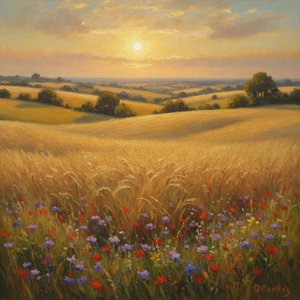
Golden Fields & Sun-Drenched Meadows: Capturing the Soul of Impressionist Landscapes
Immerse yourself in the luminous world of Impressionist landscapes. Discover how masters like Monet and Gauguin captured ephemeral light through plein air painting, and learn to bring the soul of sun-drenched meadows into your home with exquisite, hand-painted oil reproductions.

Capturing the Soul of Nature: A Journey Through the Sublime Majesty of American Romanticism
Explore the breathtaking beauty of American Romanticism. Discover how Hudson River School masters captured the sublime spirit of the wilderness through luminous oil landscapes and emotional depth. A journey into the soul of nature for the true art enthusiast.

Capturing the Soul: The Most Emotionally Moving Impressionist and Post-Impressionist Masterpieces
Discover the profound emotional depth of Impressionist and Post-Impressionist masterpieces. Explore how legends like Monet, Van Gogh, and Gauguin captured light and soul through evocative landscapes and vibrant brushwork for a timeless connection to art history.
استكشف الأعمال الفنية المصنفة حسب الموضوعات والأنماط والخصائص.
