معاينة الحجم الواقعي
 مشاركة
 مشاركة
 التفاصيل
 دليل
دليل

 تحميل الملف
 قطع مشابهة
 الأشعة السينية
 عرض شرائح
 الأسئلة والأجوبة
 الإحصائيات
The Beauty

- 89.0 x 76.0 cm


 عرض المزيد
اكتشف الفنان الأمريكي تيتيان رامزي بيل الثاني (1799-1885)، الذي مزج بين الفن النهضاري والاهتمام العلمي. استكشف لوحاته المذهلة للحياة البرية والأعمال الدينية المستوحاة من أسلوب فناني البندقية الكلاسيكي، وشاهد كيف جسد رؤية فريدة تجمع بين التقاليد الأوروبية والهوية الأمريكية.
طباعة جيلي / مطبوعات فنية
طباعة جيكلي أو كانفاس بجودة المتاحف، مع سرعة في التنفيذ وخيارات متنوعة للتشطيب. ( شراء لوحة مرسومة يدويًا الانتقال إلى الصورة الرقمية)




P118B E£10

P118H E£10

P118W E£10

P438Z E£10

P508JH E£12

P508YH E£12

P805H E£10

P805Z E£10

P919BZ E£10

P919G E£10

P919XJ E£10

P959ZH E£10

P968JZ E£12

W106C E£8

W218G E£10

W218JH E£8

W218Y E£10

W307PJ E£10

W316G E£10

W316PJ E£8

W316Y E£10

W398PJ E£8

W4111J E£10

W500HY E£15

W500JH E£15

W692G E£12

W849H E£8

W940BG E£15

W953PJ E£8




قياسي
حسب الطلب
CM
INCH
اختر من بين أحجامنا المُعدّة مسبقاً والتي تتوافق مع النسب الأصلية للعمل الفني.
Loading sizes...

العرض
الارتفاع
أدخل العرض والارتفاع المطلوبين ليتناسب المقاس مع إطارك أو جدارك. يرجى الملاحظة أن المطبوعة يمكن قصها فقط ولا يمكن تكبيرها لتتجاوز أبعاد الصورة الأصلية، لذا فإن اختيار مقاس بأبعاد مختلفة سيؤدي إلى فقدان جزء من الصورة. سنرسل لك نموذجاً رقمياً تجريبياً لاعتماده قبل البدء في عملية الطباعة. الصورة المعروضة في هذه الصفحة لا توضح شكل القص الفعلي — النموذج التجريبي فقط هو ما يظهر ذلك بدقة.
توصيل عالمي إلى خلال أسبوعين بدلاً من المدة القياسية البالغة 4/5 أسابيع. (5 نوفمبر)

شحن سريع ومجاني لجميع أنحاء العالم

قماش كتان عالي الجودة

تأمين شامل على الشحن

ضمان استرداد الرسوم الجمركية

ضمان مطابقة الألوان الحقيقية

سياسة الإرجاع خلال 100 يوم (في حالات العيوب فقط)

ضمان استرداد نقدي بنسبة 100%

خصم عند طلب كميات
 خيار الزجاج متاح فقط للمقاسات التي تقل عن 110 سم

The Beauty
طباعة جيلي / مطبوعات فنية
مقاس النسخة المطبوعة
-


إجمالي السعر النهائي
E£ 3665
A Renaissance Reverie in American Light: Exploring “The Beauty” by Titian Ramsay Peale II
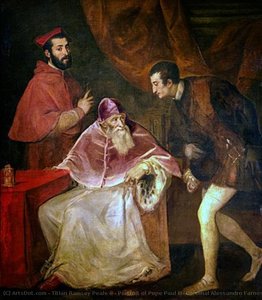
“The Beauty,” painted in 1536 by the remarkably prescient Titian Ramsay Peale II, is more than a portrait; it’s a carefully constructed echo of Venetian High Renaissance ideals transplanted to the burgeoning artistic landscape of early America. Peale, born into a family deeply intertwined with the history of American art – his father, Charles Willson Peale, was a foundational figure in establishing the nation's first museum – inherited not just an artistic legacy but also a profound respect for classical forms and techniques. This painting stands as a testament to that inheritance, demonstrating a deliberate and sophisticated engagement with the visual language of masters like Raphael and Leonardo da Vinci.
The subject herself is presented with an almost ethereal grace. Dressed in a flowing blue gown – a color historically associated with royalty and piety – she embodies a serene beauty. The rich hue is masterfully rendered, utilizing layering techniques characteristic of Peale’s style to create depth and luminosity. A delicate gold necklace encircles her neck, instantly elevating the portrait and hinting at wealth and status, while also drawing the eye to the subtle play of light across its surface. Her long hair, intricately braided, frames a face that is both youthful and contemplative; she possesses an inherent dignity that speaks volumes despite the lack of overt expression.
The Language of Detail: Technique and Artistic Intent
Peale’s meticulous approach to detail is immediately apparent upon close inspection. The artist demonstrates a remarkable command of sfumato, a technique perfected by Leonardo da Vinci, subtly blurring edges and creating an atmospheric haze that softens the forms and imbues the portrait with a sense of mystery. The rendering of fabric—the folds of the gown, the sheen of the necklace—is exceptionally realistic, achieved through careful observation and a deep understanding of anatomy and drapery. The use of oil paint allows for rich color saturation and subtle gradations, contributing to the painting’s overall luminosity. Notice particularly how Peale builds up layers of glaze – thin washes of translucent paint applied over dried underlayers – to achieve this effect.
Furthermore, the composition itself is carefully balanced, adhering to principles of Renaissance perspective. The woman is positioned slightly off-center, creating a dynamic and engaging visual arrangement. The background, though relatively simple, serves to enhance the subject’s presence without distracting from her beauty. Peale's deliberate choices in color and form are not merely decorative; they contribute significantly to the painting’s overall narrative and emotional impact.
Historical Context: Bridging Worlds
“The Beauty” was created during a pivotal moment in American history – a period of rapid growth, exploration, and self-definition. While deeply influenced by European artistic traditions, Peale's work also reflects the unique cultural context of his time. He was part of a generation striving to establish a distinct American identity within the broader framework of Western art. His father’s museum, a hub for scientific inquiry and artistic display, played a crucial role in fostering this dialogue between Old World reverence and New World expression.
The painting can be viewed as an attempt to synthesize these influences – a conscious effort to bring the idealized beauty of the Renaissance to the American scene. It’s a fascinating example of how artists navigated the complexities of cultural exchange during a period of profound transformation. Considering the date, 1536, is particularly striking; Peale was consciously referencing and adapting techniques developed centuries earlier, demonstrating an extraordinary level of artistic awareness.
Symbolism and Emotional Resonance
Beyond its technical brilliance, “The Beauty” carries a subtle yet powerful symbolic weight. The blue dress, as mentioned previously, represents virtue and piety – qualities highly valued in Renaissance portraiture. The gold necklace symbolizes wealth, status, and perhaps even divine favor. However, the woman’s expression is remarkably neutral; she doesn't smile or gaze directly at the viewer, inviting us to contemplate her beauty on our own terms. This deliberate ambiguity adds a layer of complexity to the portrait, suggesting that its true value lies not just in its aesthetic appeal but also in its ability to evoke contemplation and introspection.
Ultimately, “The Beauty” by Titian Ramsay Peale II is a captivating work of art – a testament to the enduring power of classical ideals and a poignant reflection of American artistic ambition. TopImpressionists offers meticulously crafted hand-painted reproductions that faithfully capture the artistry and nuance of this remarkable piece, allowing you to bring its timeless beauty into your home or studio.
الأسئلة والأجوبة
أين يمكنني شراء نسخة مطبوعة من "The Beauty" للفنان تيتيان رامزي بيل الثاني؟
يمكن طلب نسخة مطبوعة من "The Beauty" للفنان تيتيان رامزي بيل الثاني مباشرة عبر صفحة مطبوعة فنية فاخرة الخاصة بها: مطبوعة فنية فاخرة على قماش قطني أو ورق كانفاس أرشيفي.
ما هي العاطفة التي يجسدها عمل High Renaissance بعنوان "The Beauty"؟
تتجلى العاطفة Romantic في لوحة "The Beauty" من خلال أسلوبها الـ High Renaissance.
ما هو اتجاه لوحة "The Beauty" للفنان تيتيان رامزي بيل الثاني؟
تتميز لوحة "The Beauty" للفنان تيتيان رامزي بيل الثاني بتكوين Portrait. ويُنصح بمراجعة الأبعاد قبل اختيار حجم الطباعة.
السيرة الذاتية للفنان
صدى عصر النهضة في العالم الجديد: تيتاين رامزي بيل الثاني
تيتاين رامزي بيل الثاني يشغل مكانة آسرة، غالبًا ما يتم تجاهلها، ضمن مشهد الفن الأمريكي في القرن التاسع عشر. ولد في فيلادلفيا عام 1799، كان غارقًا في النسب الفنية كأصغر أبناء تشارلز ويلسون بيل، وهو شخصية محورية في رسم البورتريهات الأمريكية المبكرة ومؤسس أول متحف في البلاد. بينما كانت إرث والده يلوح في الأفق، شق تيتاين طريقه الخاص، متجذرًا بعمق في مثالية الفن العالي من عصر النهضة، وخاصة تلك التي تنبعث من البندقية. لم يكن مجرد تكرار للأنماط؛ بل كان ينقل حساسية فنية عميقة، حيث أضفى على لوحاته تفاصيل دقيقة ولوحة ألوان نابضة بالحياة ميزته عن العديد من معاصريه. تطورت حياته في مواجهة خلفية الهوية الأمريكية الناشئة، لكن قلبه الفني ظل مرتبطًا بالأساتذة الكلاسيكيين، مما خلق توترًا مقنعًا بين التقدير للعالم القديم والتعبير عن العالم الجديد.من دفتر ملاحظات الطبيعي إلى لوحة الرسم
تميزت سنوات بيل الأولى بشغف مزدوج بالفن وعلم الطبيعة - وهو مزيج عززه مساعي والده المتعددة الأوجه. رافق بعثة، ولا سيما رحلة ستيفن هاريمان لونج إلى جبال روكي عام 1819-20، حيث وثق النباتات والحيوانات بعين فنية متزايدة الدقة. لم تكن هذه الفترة مجرد تسجيل للملاحظات؛ بل كانت تتعلق بفهم الشكل والضوء والملمس - مهارات ستثبت قيمتها عندما كرس انتباهه الكامل للرسم. أثر عمله كعالم طبيعي على فنه، مما يضفي دقة علمية على تصويراته للعالم الطبيعي، ولكنه أيضًا يغمرها برنين عاطفي يتجاوز مجرد التوثيق. لم يكن يعرض علينا كيف تبدو الأشياء فحسب؛ بل كان يكشف عن جمالها المتأصل وأهميتها الروحية. هذا التفاني في كلتا التخصصين واضح في أعمال مثل "التضحية بالمال"، وهو تصوير درامي يوضح تفصيلاً رائعًا للضوء والظل، و"الجميلة"، التي تعرض قدرته على التقاط الشكل البشري والشخصية بأناقة ورقي.تأثيرات البندقية والرؤى المقدسة
التأثير الذي أحدثه لونية البندقية - التأكيد على الألوان الغنية والمشرقة والتأثيرات الجوية التي احتفل بها فنانون مثل تيتيان (الذي أخذ اسمه منه) - لا يمكن إنكاره في أعمال بيل. لم يكن يقلد هؤلاء الأساتذة ببساطة؛ بل كان يستوعب مبادئهم ويطبقها على رؤيته الفنية الخاصة. يتضح هذا بشكل خاص في أعماله الدينية، مثل "المذبح مع أربعة قديسين" و"العبادة للحاضنات". هذه اللوحات ليست مجرد تصوير لمشاهد كتابية؛ إنها تجارب غامرة، تجذب المشاهد إلى عالم من التأمل الروحي من خلال تركيبات منظمة بعناية واستخدام رئيسي للألوان لإثارة العواطف. يتحدث الاهتمام بالتفاصيل في هذه الأعمال ليس فقط عن مهارته التقنية ولكن أيضًا عن تقديسه لموضوعه.إعادة اكتشاف وأهمية دائمة
على مدى معظم القرن العشرين، ظل تيتاين رامزي بيل الثاني إلى حد كبير غير مكشوف عليه من السرديات التاريخية للفن. لم تتناسب أعماله بشكل أنيق مع الاتجاهات السائدة، وشعر تفانيه في أسلوب كلاسيكي بأنه متناقض في مشهد فني يتغير بسرعة. ومع ذلك، شهدت السنوات الأخيرة إعادة تقييم متزايد لمساهماته. يعترف العلماء والجامعون بدمج فريد للحساسيات الأمريكية والتقاليد الأوروبية التي تميز لوحاته. إن إعادة اكتشاف عمله لا يتعلق ببساطة بسد الثغرات في تاريخ الفن؛ بل يتعلق بفهم أعمق للقوى الثقافية المعقدة التي شكلت أمريكا في القرن التاسع عشر. يمثل بيل جسرًا بين العوالم، وهو شهادة على قوة المثل العليا الكلاسيكية، وتذكير بأن الابتكار الفني غالبًا ما ينشأ من مجموعات غير متوقعة من التأثيرات. أعماله، الموجودة الآن في مجموعات مثل TopImpressionists ومعرض أوفيزي وقصر بيتي، تقدم لمحة مقنعة عن زاوية مهملة في تاريخ الفن الأمريكي - زاوية مضاءة بوهج عصر النهضة المتلألئ.
تيتيان رامزي بيل الثاني
1799 - 1885 , الولايات المتحدة الأمريكية
حقائق سريعة
- أعمال فنية بارزة:
- مذبح مع أربعة قديسين
- تجلّي الرعاة
- الجمال
- دينار الزكاة
- العائلة المقدسة مع راعي
- حورية ورعاة
- الاسم الكامل: تيتيان رامزي بيل الثاني
- الجنسية: أمريكي
- الحركة الفنية أو النمط: عصر النهضة العليا
- الفنانون الذين أثروا فيه:
- تيتيان
- الأساتذة البندقيين
- تاريخ الميلاد: 2 نوفمبر 1799
مقالات ذات صلة

Titian Ramsay Peale II: A Legacy of Botanical Precision & Artistic Innovation
Explore the life & art of Titian Ramsay Peale II, a master of botanical precision and wildlife painting. Discover his legacy bridging art & natural history at TopImpressionists.

Azure Visions: Exploring Representations of the Blue Dress in Western Art History
Explore the rich history of the blue dress in Western art! Discover its symbolism, from Renaissance masterpieces to modern interpretations by artists like Martin & Schiele. Uncover cultural meanings and artistic techniques.

روائع هيرميتاج: أفضل 25 لوحة فنية في سانت بطرسبرغ | TopImpressionists
اكتشف روائع هيرميتاج في سانت بطرسبرغ! استكشف قصص 25 لوحة فنية خالدة لريمبراندت، دافنشي وغيرهم. طباعة لوحات فاخرة وديكور منزلي مستوحى من الفن على TopImpressionists.com.
The Allure of Azure: Exploring the Symbolic & Aesthetic Depths of Blue in Art History
Explore the rich history of blue in art! Discover its symbolism, from ancient pigments to modern masterpieces by Kandinsky & Seurat. Uncover the psychological impact and cultural meanings behind this captivating hue.

Slate Blue Masterpieces: 10 Iconic Paintings & Timeless Home Decor Ideas
Immerse yourself in the captivating world of slate blue! Explore 10 iconic paintings by Monet, Van Gogh & Renoir. Discover their stories, techniques & find museum-quality art reproductions for your home at .
استكشف الأعمال الفنية المصنفة حسب الموضوعات والأنماط والخصائص.