معاينة الحجم الواقعي
 إرسال
إرسال مشاركة
 عرض التفاصيل
 دليل الأعمال الفنية للطلاب

 تحميل
تحميل
 قطع مشابهة
 الأشعة السينية
 عرض شرائح متتابع
 الإحصائيات
فيجا ليب
 أكريليك على كانفاس
- لوحات جدارية
- Geometric Abstraction
 1970
1970 150.0 x 150.0 cm
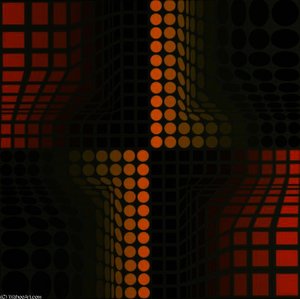
إبداع فيجا ليب لـ فيكتور فاساريلي، تحفة تجريدية بأسلوب الأوب آرت تضفي حيوية على التصميم الفني وتتميز بتكوينات دائرية متداخلة بألوان زاهية ومذهلة، تم رسمها عام 1970.
 اقرأ المزيد
فيكتور فاسارلي، رائد فن البوب آرت والحركة البصرية! اكتشف تجريداته الهندسية، وأوهام بصرية آسرة، وتأثيره الدائم على الفن والتصميم الحديث. من أعماله المميزة 'زيبرا' و'جورج بومبيدو'.
طباعة جيلي / مطبوعات فنية
طباعة جيكلي أو كانفاس بجودة المتاحف، مع سرعة في التنفيذ وخيارات متنوعة للتشطيب. ( اطلب نسخة مرسومة يدويًا التحويل إلى الصورة الرقمية)




P118B $10

P118H $10

P118W $10

P438Z $10

P508JH $12

P508YH $12

P805H $10

P805Z $10

P919BZ $10

P919G $10

P919XJ $10

P959ZH $10

P968JZ $12

W106C $8

W218G $10

W218JH $8

W218Y $10

W307PJ $10

W316G $10

W316PJ $8

W316Y $10

W398PJ $8

W4111J $10

W500HY $15

W500JH $15

W692G $12

W849H $8

W940BG $15

W953PJ $8




مقاس قياسي
مخصص
CM
INCH
اختر من بين أحجامنا المُعدّة مسبقاً والتي تتوافق مع النسب الأصلية للعمل الفني.
Loading sizes...

العرض
الارتفاع
يمكنك إدخال أبعاد خاصة لتناسب إطاراً أو مساحة معينة. وفي حال عدم تطابق الحجم المختار مع نسب الصورة الأصلية، سنقوم إما بقص العمل الفني أو تمديد الصورة باستخدام حافة معكوسة أو لون مصمت. وسيتم إرسال نموذج تجريبي رقمي لاعتمادك قبل بدء عملية الإنتاج.
يرجى ملاحظة أن المعاينة على الشاشة لا تعكس عملية القص أو التمديد الفعلية؛ حيث سيوضح النموذج التجريبي فقط التكوين النهائي بدقة.
وعلى الرغم من توفر أحجام مخصصة، إلا أننا نوصي باختيار أبعاد من القائمة المحددة مسبقاً للحفاظ على النسب الأصلية.
توصيل عالمي إلى خلال أسبوعين بدلاً من المدة القياسية البالغة 4/5 أسابيع. (26 سبتمبر)

شحن سريع ومجاني لجميع أنحاء العالم

قماش كتان فاخر

تأمين شامل على الشحن

ضمان استرداد الرسوم الجمركية

ضمان دقة مطابقة الألوان

سياسة الإرجاع خلال 100 يوم (في حالات العيوب فقط)

ضمان استرداد نقدي بنسبة 100%

عرض خصم الكميات
 خيار الزجاج متاح فقط للمقاسات التي تقل عن 110 سم

فيجا ليب
طباعة جيلي / مطبوعات فنية
مقاس النسخة المطبوعة
-


إجمالي السعر
$ 69
Vega-Lep: A Symphony of Geometric Illusion
Victor Vasarely’s “Vega-Lep,” completed in 1970, stands as a cornerstone of Op Art—a movement that revolutionized visual perception and captivated audiences with its exploration of optical illusions. This monumental canvas, measuring 150 x 150 cm, isn't merely pigment on canvas; it’s an invitation to experience reality itself anew. Created using acrylic paint on canvas, Vasarely meticulously crafted this artwork, embodying the Bauhaus ethos of functional design and prioritizing geometric abstraction as a means of conveying artistic ideas.The Genesis of Geometric Abstraction
Born in Pécs, Croatia, in 1906, Károly Vaszary—later Victor Vasarely—transformed his initial fascination with medicine into an unwavering devotion to visual art. Influenced profoundly by the Bauhaus school’s emphasis on simplicity and precision, he embarked on a path that would ultimately define him as one of the foremost figures in kinetic art and Op Art. His formative years at Műhely – Sándor Bortnyik’s workshop – solidified his belief in harnessing geometric forms to stimulate sensory experience and challenge conventional notions of representation.A Kaleidoscope of Color and Motion
“Vega-Lep” immediately commands attention with its dazzling array of hues—yellow, green, red, blue, purple, orange, and pink—arranged in a mesmerizing spiral pattern. This isn’t accidental; Vasarely deliberately employed color psychology to heighten the visual impact. The concentric circles pulsate subtly, creating an illusion of movement that transcends the static surface of the canvas. This technique – characteristic of Op Art – seeks to trick the eye into perceiving depth and dynamism where none exists objectively. It's a masterful demonstration of how art can manipulate perception.Symbolism Within Geometric Precision
Beyond its aesthetic brilliance, “Vega-Lep” carries symbolic weight rooted in Vasarely’s conceptual framework. The geometric forms represent order and rationality—values championed by the Bauhaus movement—yet simultaneously evoke spontaneity and dynamism. The spiral motif itself symbolizes growth, evolution, and interconnectedness – themes prevalent throughout Vasarely's oeuvre. It speaks to a desire to transcend the limitations of traditional art forms and explore new avenues for communicating ideas about the universe and human consciousness.A Legacy of Visual Innovation
“Vega-Lep” remains an enduring testament to Victor Vasarely’s pioneering spirit and his unwavering commitment to pushing the boundaries of artistic expression. Its bold colors, intricate geometry, and captivating optical illusion continue to inspire artists and designers alike. Reproductions of this masterpiece offer a chance to bring its vibrant energy into any interior space—a celebration of visual innovation that transcends time.نبذة عن الفنان
فيكتور فاسارلي: رائد الفن البصري والوهم
ولد كارولي فاشاري في عام 1906 بمدينة بيتش، التي كانت حينها جزءًا من النمسا-المجر (الآن كرواتيا)، ليصبح لاحقًا فيكتور فاسارلي، الرائد الأبرز لفن البصريّة (Op Art) والفن الحركي. لم يكن طريقه نحو الشهرة الفنية مفروضًا مسبقًا؛ فقد بدأ حياته الدراسية في مجال الطب بجامعة إوتفوش لوراند في بودابست. إلا أن شغفه بالتعبير المرئي كان أقوى، مما دفعه إلى التخلي عن دراسة الطب والالتحاق بأكاديمية بولديني فولكمان للفنون في عام 1927. كان هذا القرار بمثابة نقطة تحول، ليس فقط في مساره المهني، بل أيضًا بداية رحلة استكشافية مدى الحياة لفهم المبادئ الأساسية التي تحكم الإدراك والشكل. كانت لحظة فارقة أخرى عندما التحق ورشة عمل سándor بورتنيك – Műhely – وهي مدرسة متأثرة بشدة بحركة باوهاوس. هنا، امتص فاسارلي مبادئ التصميم الوظيفي والتجريد الهندسي، وهي البذور التي أزهرت لاحقًا في أسلوبه المميز.
من التجريد المبكر إلى فجر فن البصريّة
شهدت سنوات العشرينات والثلاثينيات من القرن الماضي تحول فاسارلي التدريجي عن الفن التصويري نحو التجريد الهندسي. أعمال مثل "دراسة زرقاء" و"دراسة خضراء"، التي أُنشئت عام 1929، تجسد هذا التحول – وهو تخلي واعٍ عن المحتوى السردي لصالح الأشكال النقية والعلاقات اللونية. على الرغم من تأثره بفنانين كبار مثل بيت موندريان وكازيمير ماليفيتش، إلا أن فاسارلي لم يكن راضيًا عن مجرد تقليد أساليبهم. لقد سعى إلى تجاوز التركيبات الثابتة لأسلافه، ساعيًا إلى تحقيق ديناميكية تتفاعل بنشاط مع إدراك المشاهد. قادته هذه الرغبة إلى باريس في عام 1930، حيث استقر كـ مصمم جرافيك وفنان إعلانات، وصقل مهاراته بينما واصل تطوير رؤيته الفنية الفريدة. خلال هذه الفترة، بدأ بتجربة تقنيات ستصبح لاحقًا علامات مميزة لفن البصريّة – معالجة الأشكال والألوان لخلق أوهام الحركة والعمق.
الوهم المنهجي: تعريف حركة فنية
بحلول الستينيات، برز فيكتور فاسارلي كشخصية رائدة في حركة فن البصريّة الناشئة. على عكس العديد من الفنانين الذين اعتمدوا على الحدس والتعبير العفوي، اقترب فاسارلي من عمله بمنهجية منهجية. لقد استخدم الشبكات والمبادئ الرياضية لإنشاء أنماط تخلق أوهامًا بصرية قوية – اهتزازات بصرية، وتأثيرات دوامية، وإحساس بالعمق حيث لا يوجد عمق مادي. لم يكن هذا يتعلق بالخداع؛ بل كان يتعلق بكشف الديناميكية المتأصلة في الإدراك نفسه. لقد آمن بإمكانية التكاثر والجاذبية الجماهيرية، ساعيًا إلى إضفاء الطابع الديمقراطي على الفن من خلال جعله متاحًا بما يتجاوز حدود المعارض والمتاحف. تحدى عمله المشاهدين لطرح أسئلة حول تجربتهم البصرية الخاصة، مما أجبرهم على المشاركة بنشاط في خلق المعنى. هذا التفاعل المتعمد مع الإدراك ميز فن البصريّة وعزز مكانة فاسارلي في طليعتها. لم يكن يرسم صورًا فحسب؛ بل كان يبني تجارب.
ما وراء اللوحة القماشية: استكشاف حركي وإرث دائم
لم تتوقف استكشافات فاسارلي الفنية عند الأوهام الثابتة. لقد شرع بشكل متزايد في فن الحركة، حيث ابتكر أعمالًا تتضمن حركة فعلية أو تبدو وكأنها تتحرك من خلال تأثيرات بصرية مُنظمة بعناية. "جورج بومبيدو" (1976)، وهو كائن حركي كبير تم تركيبه في مركز بومبيدو في باريس، هو شهادة على هذا الطموح – تكامل الفن مع الهندسة المعمارية والتصميم الحضري على نطاق واسع. كما أظهر ابتكارًا ملحوظًا من خلال تطبيق تصاميمه على المنتجات التجارية، وخاصة من خلال تعاونه مع روزنتال للخزف، مما أدى إلى سلسلة أدوات المائدة الشهيرة "Suomi". أكد هذا الاستعداد لتمويه الحدود بين الفن الرفيع والثقافة الشعبية على إيمانه بإمكانية الفن في اختراق الحياة اليومية. ضمنت مؤسسة فاسارلي في إكس آن بروفانس الحفاظ على أعماله الواسعة والترويج لها، بينما رمز حدث استثنائي – تضمين سيروغرافات على متن مكوك ساليوت 7 السوفيتي الفرنسي في عام 1982 – إلى الاعتراف العالمي بفنه وعلاقته بالمغامرة البشرية الأوسع. يمتد إرث فيكتور فاسارلي إلى ما هو أبعد من عالم الرسم؛ فقد أثر بعمق على التصميم الجرافيكي والأزياء وتصميم الديكور الداخلي وحتى الرسومات الحاسوبية المبكرة، مما ألهم الأجيال برؤيته المبتكرة والتزامه الثابت باستكشاف إمكانيات الإدراك. إنه يظل شخصية محورية في تاريخ الفن الحديث، ورائدًا حقيقيًا تجرأ على تحدي فهمنا لما يمكن أن يكون عليه الفن.
الأهمية التاريخية
تكمن مساهمة فاسارلي في تاريخ الفن في جوانب متعددة. لقد تجاوز التقنيات التقليدية للرسم لإنشاء أعمال تتفاعل بنشاط مع إدراك المشاهد. تحدى نهجه المنهجي المفاهيم التقليدية للإبداع الفني ومهّد الطريق للفن الذي تم إنشاؤه بواسطة الكمبيوتر والتصميم الرقمي. من خلال تبني إمكانية التكاثر والتطبيقات التجارية، طمس فاسارلي الحدود بين الفن الرفيع والثقافة الشعبية، تاركًا بصمة دائمة على كليهما. لم يكن ينشئ ببساطة كائنات جذابة من الناحية الجمالية؛ بل كان يجري تجارب بصرية تكشف الحقائق الأساسية حول كيفية رؤيتنا للعالم. تظل أعماله صدى اليوم، وتذكرنا بقوة التجريد وجمال الهندسة والإمكانيات التي لا نهاية لها للإبداع البشري.

فيكتور فاسارلي
1906 - 1997 , كرواتيا
لمحة سريعة
- أعمال فنية بارزة:
- دراسة زرقاء
- دراسة خضراء
- زيبرا
- الاسم الكامل: فيكتور فاسارلي
- الجنسية: هنغاري-فرنسي
- الحركة الفنية: فن بصري حركي، فن بصري ضوئي
- تاريخ الميلاد: 9 أبريل 1906
- حركات أو فنانون تأثروا به:
- تصميم جرافيكي
- التصميم الداخلي
- فنانون مؤثرون:
- بيت موندريان
- كازيمير ماليفيتش
- مكان الولادة: بيتش، كرواتيا
مقالات ذات صلة

The Beauty of Less: A Sophisticated Guide to the Soul of Minimalist Art and Geometric Harmony
Discover the profound elegance of minimalist art. Explore how geometric abstraction and the beauty of reduction create serene, sophisticated spaces through our expert guide to finding soul and harmony in every line and shape.
استكشف الأعمال الفنية المصنفة حسب الموضوعات والأنماط والخصائص.