معاينة الحجم الواقعي
 إرسال
إرسال مشاركة
 عرض التفاصيل
 دليل الأعمال الفنية للطلاب

 تحميل
تحميل
 قطع مشابهة
 الأشعة السينية
 عرض شرائح متتابع
 الإحصائيات
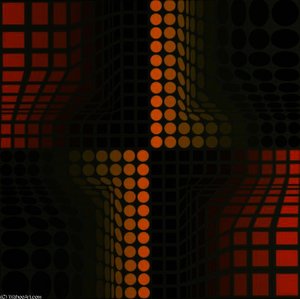
Kaglo II


Explore Victor Vasarely's mesmerizing 'Kaglo II,' a vibrant geometric print inspired by natural forms like waves and architectural structures found in Provence and Gordes. Discover the artist’s Bauhaus influence and his pioneering role in Op Art.
 اقرأ المزيد
فيكتور فاسارلي، رائد فن البوب آرت والحركة البصرية! اكتشف تجريداته الهندسية، وأوهام بصرية آسرة، وتأثيره الدائم على الفن والتصميم الحديث. من أعماله المميزة 'زيبرا' و'جورج بومبيدو'.
إن العمل الفني المعروض في هذه الصفحة محمي بموجب قوانين حقوق الطبع والنشر، مما يعني أنه لا يحق لنا قانوناً إنشاء أو بيع نسخ مطابقة له. وتُطبق هذه الحماية بموجب الاتفاقيات الدولية مثل الـ اتفاقية برن ووفقاً للقوانين الوطنية، بما في ذلك تلك المنصوص عليها في قانون حقوق الطبع والنشر في الولايات المتحدة - الباب 17.
وكبديل قانوني ومحترم، نقدم أعمالاً فنية مخصصة ومرسومة يدوياً مستوحاة من العمل الأصلي. حيث يقوم فنانونا المهرة والمحترفون بدراسة أسلوب العمل الأصلي، وأجوائه، وجوهره الفني بعناية فائقة لابتكار قطعة جديدة وفريدة تثير الشعور ذاته - مع بقائها عملاً أصيلاً بحد ذاته.
تتوافق هذه الطريقة تماماً مع لوائح حقوق النشر لأنها لا تتضمن نسخ أو تكرار العمل الفني المحمي، بل هي إعادة تفسير إبداعية؛ أي أنها لوحة جديدة مستوحاة من الأصل ولكنها ليست مطابقة له.
نسخة زيتية مصنوعة يدوياً
لوحة زيتية مرسومة يدوياً على الكانفاس بالمقاس والإطار الذي تفضله، تُنفذ حسب الطلب على أيدي فنانينا. ( التبديل إلى المطبوعات التحويل إلى الصورة الرقمية)




P118B E£10

P118H E£10

P118W E£10

P438Z E£10

P508JH E£12

P508YH E£12

P805H E£10

P805Z E£10

P919BZ E£10

P919G E£10

P919XJ E£10

P959ZH E£10

P968JZ E£12

W106C E£8

W218G E£10

W218JH E£8

W218Y E£10

W307PJ E£10

W316G E£10

W316PJ E£8

W316Y E£10

W398PJ E£8

W4111J E£10

W500HY E£15

W500JH E£15

W692G E£12

W849H E£8

W940BG E£15

W953PJ E£8




مقاس قياسي
مخصص
CM
INCH
اختر من بين أحجامنا المُعدّة مسبقاً والتي تتوافق مع النسب الأصلية للعمل الفني.
Loading sizes...

العرض
الارتفاع
يمكنك إدخال أبعاد خاصة لتناسب إطاراً أو مساحة معينة. وفي حال عدم تطابق الحجم المختار مع نسب الصورة الأصلية، سنقوم إما بقص العمل الفني أو توسيع اللوحة عبر إضافة عناصر مرسومة يدوياً. وسيتم إرسال نموذج رقمي إليك للموافقة عليه قبل بدء عملية الإنتاج.
يرجى ملاحظة أن المعاينة على الشاشة لا تعكس عملية القص أو التوسيع الفعلية؛ إذ إن النموذج الرقمي هو الوحيد الذي يوضح التكوين النهائي بدقة.
وعلى الرغم من توفر أحجام مخصصة، إلا أننا نوصي باختيار أبعاد من القائمة المحددة مسبقاً للحفاظ على النسب الأصلية للعمل الفني.
أمثلة على التعديلات الممكنة: استبدال الوجه بصورة العميل؛ إضافة حيوان أليف (مثل استبدال قطة بكلب)؛ تضمين رسالة مخفية في الخلفية؛ تغيير المناظر الطبيعية أو العناصر في الخلفية.
بعد إتمام الطلب، سيرسل فريق TopImpressionists.com بريداً إلكترونياً للعميل لطلب التعليمات وتزويده بمعاينة تجريبية (mockup).
بعد إتمام الطلب، سيرسل فريق TopImpressionists.com بريداً إلكترونياً للعميل لطلب التعليمات وتزويده بمعاينة تجريبية (mockup).
توصيل عالمي إلى خلال 3 إلى 4 أسابيع بدلاً من المدة المعتادة البالغة 5 أسابيع. (10 أكتوبر). جودة لا تهاون فيها.

شحن سريع ومجاني لجميع أنحاء العالم

قماش كتان فاخر

تأمين شامل على الشحن

ضمان استرداد الرسوم الجمركية

ضمان دقة مطابقة الألوان

سياسة الإرجاع خلال 100 يوم (في حالات العيوب فقط)

ضمان استرداد نقدي بنسبة 100%

عرض خصم الكميات
 خيار الزجاج متاح فقط للمقاسات التي تقل عن 110 سم

Kaglo II
وسيط إعادة الإنتاج
مقاس النسخة المطبوعة
-


إجمالي السعر
E£ 13813
A Symphony of Circles: The Pulsating Vision of Kaglo II
To stand before Victor Vasarely’s Kaglo II is to enter a realm where the boundaries between the static and the kinetic dissolve into a rhythmic dance of light and color. Created in 1986, this masterful print serves as a profound testament to the enduring power of geometric abstraction. At first glance, the eye is drawn to a central, commanding red sphere, which acts as the sun within a private cosmos. Surrounding this core is an intricate constellation of smaller circles, rendered in a vibrant palette of blue, green, orange, and yellow. This arrangement does not merely sit upon the surface; it breathes. Through the meticulous application of Op Art principles, Vasarely orchestrates a visual symphony that challenges our very understanding of depth and stability, inviting the viewer into an active dialogue with the canvas.
The magic of Kaglo II lies in its ability to transform passive observation into an immersive sensory experience. Vasarely, often revered as the "grandfather" of the Op Art movement, was a pioneer who sought to engineer experiences rather than simply paint images. In this work, he utilizes a technique characteristic of kinetic art, where the interplay of contrasting colors and precise geometric placement creates a subtle illusion of motion. As one moves before the piece, the retinal distortion causes the patterns to shift and vibrate, as if the circles are undulating like waves on an ocean surface. This deliberate manipulation of visual stimuli forces the viewer to confront the mechanics of their own perception, making the artwork a living, breathing entity that refuses to remain still.
Nature’s Geometry and the Legacy of Perception
While the forms in Kaglo II are strictly mathematical, their soul is deeply rooted in the organic rhythms of the natural world. Vasarely found profound inspiration in the textures of Gordes, France—the rugged limestone formations and the undulating patterns of waves that define the landscape. By translating these complex, organic movements into simplified geometric shapes, he bridged the gap between the wild unpredictability of nature and the structured precision of human intellect. This translation creates a sense of harmony that is both intellectually stimulating and emotionally soothing, making it an ideal centerpiece for those seeking to bring a sense of dynamic balance to a modern interior.
For the discerning collector or interior designer, Kaglo II offers more than mere decoration; it offers a portal into a mid-century revolution. The piece carries the weight of history, echoing the functionalist energy of the Bauhaus movement and the radical shifts in 20th-century aesthetics. It is a work that demands attention, acting as a focal point that can energize a minimalist room or add a layer of sophisticated complexity to a contemporary gallery space. To possess a reproduction of such a piece is to hold a fragment of art history—a piece that continues to pulse with the same vibrant energy that Vasarely first captured decades ago, reminding us all that even in the most rigid shapes, there is infinite movement and life.
الأسئلة والأجوبة
إلى أي مرحلة من مراحل تطور فيكتور فاسارلي ينتمي العمل "Kaglo II"؟
ضمن مسيرة فيكتور فاسارلي المهنية، تندرج لوحة "Kaglo II" ضمن مرحلة Mature Period. وتساعد هذه المرحلة في مقارنتها بأعمال الفنان الأخرى.
ما هي الاستخدامات الموصى بها لنسخة مطبوعة من "Kaglo II"؟
الاستخدام المقترح لـ "Kaglo II" للفنان فيكتور فاسارلي هو Accent، كما يمكن استخدامه لأغراض أخرى أيضاً.
متى تم إنجاز "Kaglo II"؟
أُبدع العمل الفني "Kaglo II" للفنان فيكتور فاسارلي في عام 1986.
من هو الفنان الذي أبدع "Kaglo II"؟
الفنان الذي أبدع عمل "Kaglo II" هو فيكتور فاسارلي. العمل مُدرج تحت اسم فيكتور فاسارلي.
ما هو الطابع العاطفي لـ "Kaglo II" للفنان فيكتور فاسارلي؟
يرتبط العمل "Kaglo II" بشعور Calm. ويصف هذا الطابع العاطفي الانطباع الذي يتركه العمل.
هل تُعد "Kaglo II" للفنان فيكتور فاسارلي من بين الأعمال الفنية المرغوبة ضمن حركة Op Art؟
تُصنف لوحة "Kaglo II" على أنها Iconic ضمن أعمال Op Art في الكتالوج.
كم كان عمر فيكتور فاسارلي عند إبداع "Kaglo II" في عام 1986؟
كان عمر فيكتور فاسارلي يبلغ 80 عاماً عند إبداع العمل "Kaglo II" في عام 1986. تم حساب العمر بناءً على سنة ميلاد الفنان، 1906.
نبذة عن الفنان
فيكتور فاسارلي: رائد الفن البصري والوهم
ولد كارولي فاشاري في عام 1906 بمدينة بيتش، التي كانت حينها جزءًا من النمسا-المجر (الآن كرواتيا)، ليصبح لاحقًا فيكتور فاسارلي، الرائد الأبرز لفن البصريّة (Op Art) والفن الحركي. لم يكن طريقه نحو الشهرة الفنية مفروضًا مسبقًا؛ فقد بدأ حياته الدراسية في مجال الطب بجامعة إوتفوش لوراند في بودابست. إلا أن شغفه بالتعبير المرئي كان أقوى، مما دفعه إلى التخلي عن دراسة الطب والالتحاق بأكاديمية بولديني فولكمان للفنون في عام 1927. كان هذا القرار بمثابة نقطة تحول، ليس فقط في مساره المهني، بل أيضًا بداية رحلة استكشافية مدى الحياة لفهم المبادئ الأساسية التي تحكم الإدراك والشكل. كانت لحظة فارقة أخرى عندما التحق ورشة عمل سándor بورتنيك – Műhely – وهي مدرسة متأثرة بشدة بحركة باوهاوس. هنا، امتص فاسارلي مبادئ التصميم الوظيفي والتجريد الهندسي، وهي البذور التي أزهرت لاحقًا في أسلوبه المميز.
من التجريد المبكر إلى فجر فن البصريّة
شهدت سنوات العشرينات والثلاثينيات من القرن الماضي تحول فاسارلي التدريجي عن الفن التصويري نحو التجريد الهندسي. أعمال مثل "دراسة زرقاء" و"دراسة خضراء"، التي أُنشئت عام 1929، تجسد هذا التحول – وهو تخلي واعٍ عن المحتوى السردي لصالح الأشكال النقية والعلاقات اللونية. على الرغم من تأثره بفنانين كبار مثل بيت موندريان وكازيمير ماليفيتش، إلا أن فاسارلي لم يكن راضيًا عن مجرد تقليد أساليبهم. لقد سعى إلى تجاوز التركيبات الثابتة لأسلافه، ساعيًا إلى تحقيق ديناميكية تتفاعل بنشاط مع إدراك المشاهد. قادته هذه الرغبة إلى باريس في عام 1930، حيث استقر كـ مصمم جرافيك وفنان إعلانات، وصقل مهاراته بينما واصل تطوير رؤيته الفنية الفريدة. خلال هذه الفترة، بدأ بتجربة تقنيات ستصبح لاحقًا علامات مميزة لفن البصريّة – معالجة الأشكال والألوان لخلق أوهام الحركة والعمق.
الوهم المنهجي: تعريف حركة فنية
بحلول الستينيات، برز فيكتور فاسارلي كشخصية رائدة في حركة فن البصريّة الناشئة. على عكس العديد من الفنانين الذين اعتمدوا على الحدس والتعبير العفوي، اقترب فاسارلي من عمله بمنهجية منهجية. لقد استخدم الشبكات والمبادئ الرياضية لإنشاء أنماط تخلق أوهامًا بصرية قوية – اهتزازات بصرية، وتأثيرات دوامية، وإحساس بالعمق حيث لا يوجد عمق مادي. لم يكن هذا يتعلق بالخداع؛ بل كان يتعلق بكشف الديناميكية المتأصلة في الإدراك نفسه. لقد آمن بإمكانية التكاثر والجاذبية الجماهيرية، ساعيًا إلى إضفاء الطابع الديمقراطي على الفن من خلال جعله متاحًا بما يتجاوز حدود المعارض والمتاحف. تحدى عمله المشاهدين لطرح أسئلة حول تجربتهم البصرية الخاصة، مما أجبرهم على المشاركة بنشاط في خلق المعنى. هذا التفاعل المتعمد مع الإدراك ميز فن البصريّة وعزز مكانة فاسارلي في طليعتها. لم يكن يرسم صورًا فحسب؛ بل كان يبني تجارب.
ما وراء اللوحة القماشية: استكشاف حركي وإرث دائم
لم تتوقف استكشافات فاسارلي الفنية عند الأوهام الثابتة. لقد شرع بشكل متزايد في فن الحركة، حيث ابتكر أعمالًا تتضمن حركة فعلية أو تبدو وكأنها تتحرك من خلال تأثيرات بصرية مُنظمة بعناية. "جورج بومبيدو" (1976)، وهو كائن حركي كبير تم تركيبه في مركز بومبيدو في باريس، هو شهادة على هذا الطموح – تكامل الفن مع الهندسة المعمارية والتصميم الحضري على نطاق واسع. كما أظهر ابتكارًا ملحوظًا من خلال تطبيق تصاميمه على المنتجات التجارية، وخاصة من خلال تعاونه مع روزنتال للخزف، مما أدى إلى سلسلة أدوات المائدة الشهيرة "Suomi". أكد هذا الاستعداد لتمويه الحدود بين الفن الرفيع والثقافة الشعبية على إيمانه بإمكانية الفن في اختراق الحياة اليومية. ضمنت مؤسسة فاسارلي في إكس آن بروفانس الحفاظ على أعماله الواسعة والترويج لها، بينما رمز حدث استثنائي – تضمين سيروغرافات على متن مكوك ساليوت 7 السوفيتي الفرنسي في عام 1982 – إلى الاعتراف العالمي بفنه وعلاقته بالمغامرة البشرية الأوسع. يمتد إرث فيكتور فاسارلي إلى ما هو أبعد من عالم الرسم؛ فقد أثر بعمق على التصميم الجرافيكي والأزياء وتصميم الديكور الداخلي وحتى الرسومات الحاسوبية المبكرة، مما ألهم الأجيال برؤيته المبتكرة والتزامه الثابت باستكشاف إمكانيات الإدراك. إنه يظل شخصية محورية في تاريخ الفن الحديث، ورائدًا حقيقيًا تجرأ على تحدي فهمنا لما يمكن أن يكون عليه الفن.
الأهمية التاريخية
تكمن مساهمة فاسارلي في تاريخ الفن في جوانب متعددة. لقد تجاوز التقنيات التقليدية للرسم لإنشاء أعمال تتفاعل بنشاط مع إدراك المشاهد. تحدى نهجه المنهجي المفاهيم التقليدية للإبداع الفني ومهّد الطريق للفن الذي تم إنشاؤه بواسطة الكمبيوتر والتصميم الرقمي. من خلال تبني إمكانية التكاثر والتطبيقات التجارية، طمس فاسارلي الحدود بين الفن الرفيع والثقافة الشعبية، تاركًا بصمة دائمة على كليهما. لم يكن ينشئ ببساطة كائنات جذابة من الناحية الجمالية؛ بل كان يجري تجارب بصرية تكشف الحقائق الأساسية حول كيفية رؤيتنا للعالم. تظل أعماله صدى اليوم، وتذكرنا بقوة التجريد وجمال الهندسة والإمكانيات التي لا نهاية لها للإبداع البشري.

فيكتور فاسارلي
1906 - 1997 , كرواتيا
لمحة سريعة
- أعمال فنية بارزة:
- دراسة زرقاء
- دراسة خضراء
- زيبرا
- الاسم الكامل: فيكتور فاسارلي
- الجنسية: هنغاري-فرنسي
- الحركة الفنية: فن بصري حركي، فن بصري ضوئي
- تاريخ الميلاد: 9 أبريل 1906
- حركات أو فنانون تأثروا به:
- تصميم جرافيكي
- التصميم الداخلي
- فنانون مؤثرون:
- بيت موندريان
- كازيمير ماليفيتش
- مكان الولادة: بيتش، كرواتيا
مقالات ذات صلة

Mastering Illusion: The Vibrant World of Victor Vasarely's Op Art and the Geometry of Perception
Explore the mesmerizing world of Victor Vasarely. Discover how his Bauhaus-inspired Op Art masters the science of perception through geometric abstraction and vibrant color. A sophisticated guide for discerning art collectors seeking to understand the legacy of optical illusion.

أكثر 10 روائع فنية حدّدت حركة التجريد الهندسي | TopImpressionists.com
اكتشف 10 روائع فنية غيرت مسار التجريد الهندسي! تعرف على بيكاسو، موندريان وماليفيتش وغيرهم. لوحات أصلية وإعادة إنتاج فاخرة لديكور عصري. استلهم منزلك مع TopImpressionists.com

Op Art Unveiled: The Science of Optical Illusion and Kinetic Movement in Geometric Abstraction
Explore the science of Op Art through the lens of masters like Victor Vasarely. Discover how geometric abstraction uses optical illusions to create movement and delve into the neuroaesthetics of perception with our expert art history guide.

Victor Vasarely: Pioneering Op Art & Democratizing Visual Experience
Explore the revolutionary world of Victor Vasarely, father of Op Art. Discover his geometric masterpieces, artistic system, & lasting impact on modern design. A guide for discerning art collectors.

Neo-Abstract Art: The High-Impact Evolution of Modern Visual Energy and Geometric Sophistication
Discover the power of Neo-Abstract art. Explore how bold geometric forms and high-impact visual energy are redefining modern design. Learn to curate sophisticated, high-energy spaces with the latest trends in contemporary abstraction and structural color.
استكشف الأعمال الفنية المصنفة حسب الموضوعات والأنماط والخصائص.