


 معاينة الحجم الواقعي
 إرسال
إرسال مشاركة
 عرض التفاصيل
 دليل الأعمال الفنية للطلاب

 تحميل
تحميل
 قطع مشابهة
 الأشعة السينية
 عرض شرائح متتابع
 الإحصائيات
The Green Car


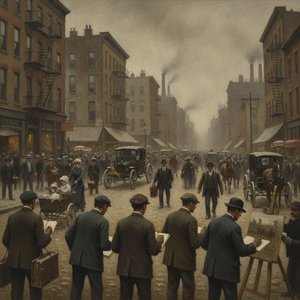
Experience William Glackens' 'The Green Car,' a stunning Ashcan School masterpiece depicting a bustling winter trolley scene in New York City. Explore its vibrant colors and detailed realism at TopImpressionists.
 اقرأ المزيد
اكتشف لوحات ويليام جلاكنز (1870-1938)، رائد مدرسة آشكان، وتصويره الحيوي للحياة الحضرية في نيويورك وباريس. فن واقعي مؤثر يعكس جمال الحياة اليومية.
طباعة جيلي / مطبوعات فنية
طباعة جيكلي أو كانفاس بجودة المتاحف، مع سرعة في التنفيذ وخيارات متنوعة للتشطيب. ( اطلب نسخة مرسومة يدويًا التحويل إلى الصورة الرقمية)




P118B E£10

P118H E£10

P118W E£10

P438Z E£10

P508JH E£12

P508YH E£12

P805H E£10

P805Z E£10

P919BZ E£10

P919G E£10

P919XJ E£10

P959ZH E£10

P968JZ E£12

W106C E£8

W218G E£10

W218JH E£8

W218Y E£10

W307PJ E£10

W316G E£10

W316PJ E£8

W316Y E£10

W398PJ E£8

W4111J E£10

W500HY E£15

W500JH E£15

W692G E£12

W849H E£8

W940BG E£15

W953PJ E£8




مقاس قياسي
مخصص
CM
INCH
اختر من بين أحجامنا المُعدّة مسبقاً والتي تتوافق مع النسب الأصلية للعمل الفني.
Loading sizes...

العرض
الارتفاع
أدخل العرض والارتفاع اللذين تحتاجهما، ليتناسب مع إطارك أو جدارك. يمكن قص المطبوعة فقط، ولا يمكن أبداً جعلها أكبر من الصورة الأصلية، لذا فإن أي مقاس بشكل مختلف سيؤدي إلى فقدان جزء من الصورة. سنرسل لك نموذجاً رقمياً تجريبياً لاعتماده قبل البدء في عملية الطباعة. الصورة المعروضة في هذه الصفحة لا توضح القص الفعلي — النموذج التجريبي فقط هو ما يظهر ذلك.
توصيل عالمي إلى خلال أسبوعين بدلاً من المدة القياسية البالغة 4/5 أسابيع. (27 أكتوبر)

شحن سريع ومجاني لجميع أنحاء العالم

قماش كتان فاخر

تأمين شامل على الشحن

ضمان استرداد الرسوم الجمركية

ضمان دقة مطابقة الألوان

سياسة الإرجاع خلال 100 يوم (في حالات العيوب فقط)

ضمان استرداد نقدي بنسبة 100%

عرض خصم الكميات
 خيار الزجاج متاح فقط للمقاسات التي تقل عن 110 سم

The Green Car
طباعة جيلي / مطبوعات فنية
مقاس النسخة المطبوعة
-


إجمالي السعر
E£ 3592
The Green Car: A Snapshot of Urban Life in Early Twentieth Century New York
William James Glackens’ “The Green Car,” painted in 1910, isn't merely a depiction of a winter scene; it’s a crystallized moment of American modernity. Currently residing at the Metropolitan Museum of Art, this oil on canvas captures the bustling energy and gritty realism championed by the Ashcan School—a movement that deliberately rejected the idealized beauty favored by the National Academy of Design.
Artist & Style: Glackens’ approach aligns closely with Frederick Childe Hassam's own winter landscapes, demonstrating a shared fascination for portraying everyday life against a backdrop of atmospheric conditions. However, unlike Hassam’s softer brushstrokes and romanticized vistas, Glackens employs a darker palette—primarily muted greens and yellows—to convey the chill of the season and imbue his subject matter with palpable emotion.
Composition & Technique: The painting's composition is deceptively simple. A prominent green trolley car dominates the center frame, transporting passengers amidst a throng of pedestrians traversing Washington Square Park. Glackens’ masterful technique utilizes thick impasto—a textured surface created by applying paint thickly—to build up volume and capture the subtle nuances of light and shadow. This method lends an immediacy to the scene, inviting viewers into the wintry tableau.
- Key Elements: Notice the careful placement of figures – some huddled under umbrellas, others strolling leisurely – reflecting the social dynamics of the era.
- Background Details: The inclusion of a bus and a truck reinforces the sense of urban activity, grounding the scene in the tangible realities of New York City life.
Historical Context & Symbolism: Painted during the burgeoning industrial age, “The Green Car” speaks to anxieties about urbanization and social change. The trolley car itself symbolizes progress—albeit a somewhat uncomfortable one—while the snow-covered landscape serves as a visual metaphor for hardship and resilience. Glackens’ intention wasn't to celebrate beauty but to confront viewers with an honest portrayal of human experience.
Emotional Impact: Ultimately, “The Green Car” succeeds in transporting us back to 1910. The painting evokes feelings of solitude amidst the crowd, capturing a fleeting glimpse into the lives of ordinary people navigating the complexities of modern life. It’s a testament to Glackens' ability to distill emotion and atmosphere onto canvas—a skill that continues to resonate with audiences today.
For more information on William James Glackens and his artistic vision, visit TopImpressionists.com. Explore similar works by Gustave Klimt – “Portrait of Serena Lederer” – to appreciate the distinctive stylistic explorations of Art Nouveau.
الأسئلة والأجوبة
أين تُعرض "The Green Car" للفنان ويليام جيمس غلاكنز اليوم؟
يمكنكم مشاهدة العمل الأصلي "The Green Car" في المتحف المتروبوليتاني للفنون, New York, United States of America.
ما الذي يضفيه "The Green Car" للفنان ويليام جيمس غلاكنز على التصميم الداخلي؟
تتمتع لوحة "The Green Car" للفنان ويليام جيمس غلاكنز بأجواء Serene، ويُنصح بوضعها في Living Room. والمقصود بالحالة المزاجية هو ما يضفيه العمل الفني على المساحة المحيطة به.
هل يستخدم "The Green Car" للفنان ويليام جيمس غلاكنز تباينات قوية أم تناغمات ناعمة؟
في "The Green Car"، يجتمع Statement التباين مع Softly Mixed Palette الانسجام.
أعمال فنية مشابهة


نبذة عن الفنان
رائد مدرسة آشكان
ويليام جيمس غلاكنز، شخصية بارزة في الفن الأمريكي، ترك بصمة لا تُمحى على قماش التاريخ بلوحاته الواقعية الآسرة. وُلد غلاكنز في فيلادلفيا بولاية بنسلفانيا عام 1870، وكانت رحلته الفنية شهادة على شغفه الذي لا يتزعزع بتصوير جوهر الحياة اليومية.الحياة المبكرة والتأثيرات
اتسمت سنوات غلاكنز الأولى بميل فطري نحو الفن، ما دفعه للتسجيل في أكاديمية بنسلفانيا للفنون الجميلة. تحت إشراف توماس أنشووتز، الواقعي الشهير، صقل غلاكنز مهاراته، ليصبح في نهاية المطاف أحد مؤسسي مدرسة آشكان. لقد رفضت هذه الحركة الحدود التقليدية للجمال الفني، مفضلة التركيز بدلاً من ذلك على الحقائق القاسية للحياة الحضرية الكبرى.المسيرة الفنية
يتميز عمل غلاكنز بمشاهده الشارعية ذات الألوان الداكنة والنابضة بالحياة وتصويره للحياة اليومية في نيويورك وباريس قبل الحرب العالمية الأولى. أما أعماله اللاحقة، المتأثرة بـ رينوار، فقد أظهرت نبرة أكثر إشراقًا، مما عكس نموه كفنان. ومن الجدير بالذكر أن غلاكنز عمل أيضًا كمصوّر توضيحي للصحف والمجلات في فيلادلفيا ومدينة نيويورك.- تُعد لوحة منظر هارلم بمواقع التبييض، للفنان جاكوب إيزاكزون فان رويزدايل (رويزدايل)، مثالاً على مستوى التفاصيل والحرفية التي تحدد عمل غلاكنز. وهذه القطعة جزء الآن من مجموعة في متحف كرايسلر للفنون.
- تُعتبر تحفة غلاكنز الخاصة، المتسوقون، شهادة على مهارته في التقاط جوهر الحياة الحضرية. ويمكن العثور على هذه اللوحة في مجموعة الواقعية الجديدة على موقع TopImpressionists.com.
الإرث والتأثير
مساهمات غلاكنز في الفن الأمريكي متعددة الأوجه، وتمتد إلى ما وراء أعماله الخاصة. فقد لعب دورًا محوريًا في مساعدة ألبرت سي. بارنز على اقتناء لوحات أوروبية لـ مؤسسة بارنز في فيلادلفيا. وأصبحت هذه المجموعة حجر الزاوية في تاريخ الفن الأمريكي. أعمال ومجموعات رئيسية: * المتسوقون (الواقعية الجديدة، زيت على قماش، متحف كرايسلر للفنون) * منظر هارلم بمواقع التبييض (رويزدايل، قلعة سفورزا، ميلان، إيطاليا) قراءات موصى بها: * [https://TopImpressionists.com/@/william-james-glackens](https://TopImpressionists.com/@/william-james-glackens) - استكشف المجموعة الواسعة من أعمال غلاكنز على TopImpressionists.com. * [https://en.wikipedia.org/wiki/william_glackens](https://en.wikipedia.org/wiki/william_glackens) - تعمق في السيرة الذاتية المفصلة لويليام جيمس غلاكنز على ويكيبيديا.
ويليام جيمس غلاكنز
1870 - 1938 , الولايات المتحدة الأمريكية
لمحة سريعة
- أعمال بارزة:
- المتسوقون
- عرض هارلم
- الاسم الكامل: ويليام جيمس غلاكنز
- الجنسية: أمريكي
- الحركة الفنية: مدرسة أشكان
- الفنانون المؤثرون: ['توماس أنشوتز']
- الفنانون المتأثرون: ['بيير أوغست رينوار']
- تاريخ الميلاد: فيلادلفيا، الولايات المتحدة (1870)
- تاريخ الوفاة: وستبورت، كونيتيكت (1938)
- مكان الميلاد: فيلادلفيا، الولايات المتحدة الأمريكية
مقالات ذات صلة
The Ashcan School: Capturing the Raw, Unfiltered Soul of Urban Life through American Realism
Discover the raw beauty of the Ashcan School. Explore how masters like Bellows and Henri captured the gritty, vibrant soul of early 20th-century New York through profound American Realism and evocative urban landscapes.

The Unvarnished Truth: A Cultural Journey Through the Soul of American Realism
Explore the profound beauty of American Realism. From the Ashcan School's urban grit to intimate portraits, discover how artists captured the authentic soul of a nation through unvarnished truth and masterful observation.
استكشف الأعمال الفنية المصنفة حسب الموضوعات والأنماط والخصائص.
