

 معاينة الحجم الحقيقي
 مشاركة
 مشاركة
 التفاصيل
 الدليل

 تحميل الملف
 قطع مشابهة
 الأشعة السينية
 عرض شرائح
 الإحصائيات
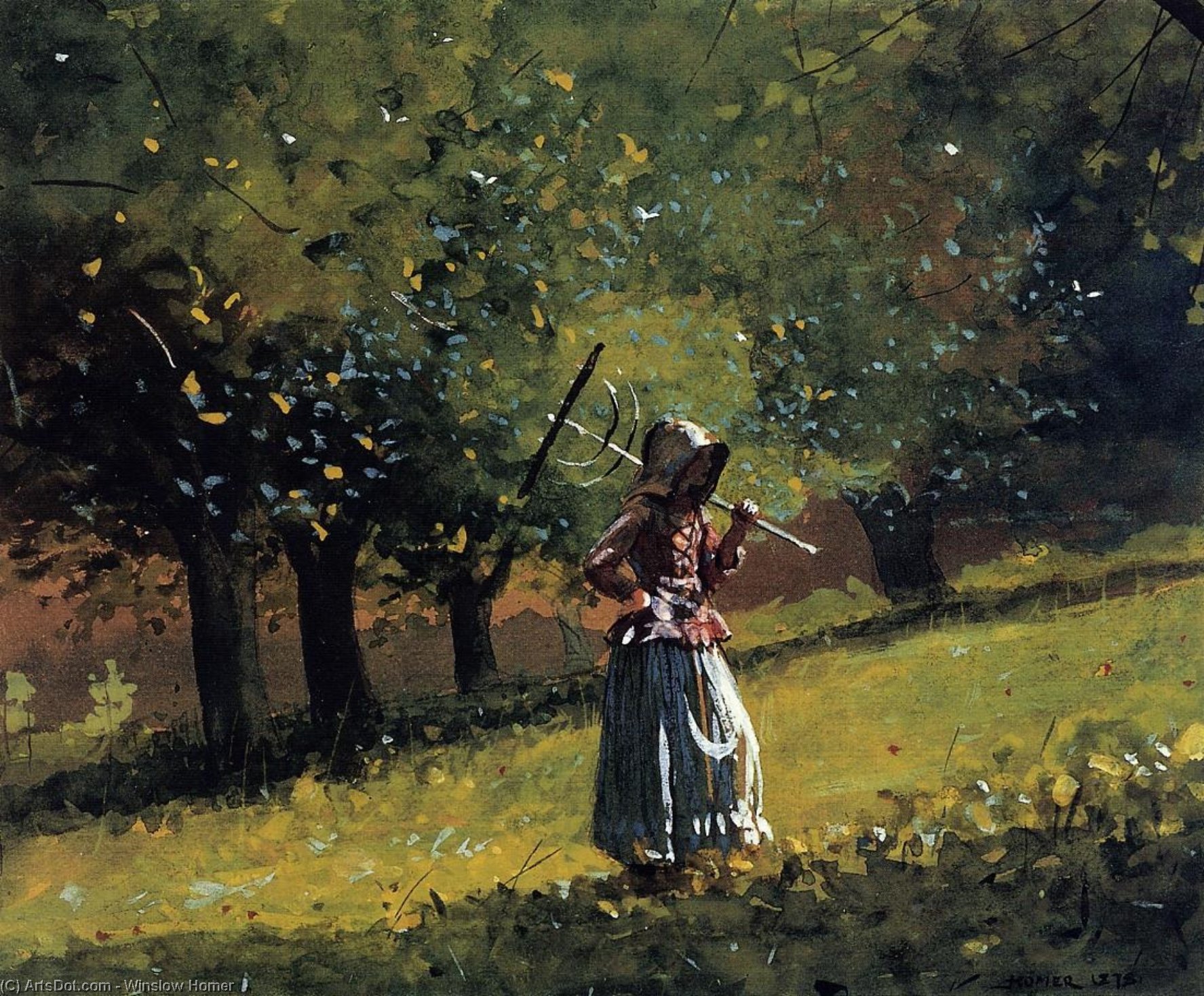
فتاة مع مجرفة القش


اكتشف لوحة 'فتاة مع مجرفة القش' للفنان وينسلو هومر، وهي تحفة مائية آسرة تجسد الحياة الريفية الأمريكية. استكشف جمالها الهادئ وتقنياتها الفنية في المعرض الوطني.
 عرض المزيد
وينسلو هومر (1836-1910): استكشف فن الواقعية الأمريكية المؤثر، ولوحاته القوية عن الحياة البحرية والمناظر الطبيعية والحياة في القرن التاسع عشر. اكتشف روائع مثل 'تيار الخليج' و'نسيم عليل'.
نسخة زيتية مصنوعة يدوياً
لوحة زيتية مرسومة يدوياً على الكانفاس بالمقاس والإطار الذي تفضله، تُنفذ حسب الطلب على أيدي فنانينا. ( التحويل إلى المطبوعات الانتقال إلى الصورة الرقمية)




































قياسي
حسب الطلب
CM
INCH
اختر من بين أحجامنا المُعدّة مسبقًا والتي تتطابق مع النسب الأصلية للعمل الفني.
Loading sizes...

العرض
الارتفاع
يمكنك إدخال أبعادك الخاصة لتناسب إطارًا معينًا أو مساحة محددة. وإذا لم يتطابق الحجم الذي اخترته مع نسب الصورة الأصلية، فسنقوم إما بقص العمل الفني أو توسيع اللوحة بإضافة عناصر مرسومة يدويًا. سيتم إرسال نموذج رقمي إليك للموافقة عليه قبل بدء الإنتاج.
يرجى ملاحظة أن المعاينة على الشاشة لا تعكس عملية القص أو التوسيع الفعلية؛ حيث إن النموذج الرقمي وحده هو الذي سيوضح التكوين النهائي بدقة.
وعلى الرغم من توفر أحجام مخصصة، إلا أننا نوصي باختيار أبعاد من القائمة المحددة مسبقًا للحفاظ على النسب الأصلية للعمل الفني.
أمثلة على التعديلات الممكنة: استبدال الوجه بصورة العميل؛ إضافة حيوان أليف (مثل استبدال قطة بكلب)؛ تضمين رسالة مخفية في الخلفية؛ تغيير المناظر الطبيعية أو العناصر في الخلفية.
بعد إتمام الطلب، سيرسل فريق TopImpressionists.com بريداً إلكترونياً للعميل لطلب التعليمات وتزويده بمعاينة تجريبية (mockup).
بعد إتمام الطلب، سيرسل فريق TopImpressionists.com بريداً إلكترونياً للعميل لطلب التعليمات وتزويده بمعاينة تجريبية (mockup).
توصيل عالمي إلى خلال 3 إلى 4 أسابيع بدلاً من المدة المعتادة البالغة 5 أسابيع. (23 سبتمبر). جودة لا تهاون فيها.

شحن سريع ومجاني لجميع أنحاء العالم

قماش كتان عالي الجودة

تأمين شحن شامل

ضمان استرداد الرسوم الجمركية

ضمان مطابقة الألوان الحقيقية

سياسة الإرجاع خلال 100 يوم (في حالات العيوب فقط)

ضمان استرداد نقدي بنسبة 100%

خصم عند طلب عدة قطع
 خيار الزجاج متاح فقط للمقاسات التي تقل عن 110 سم

فتاة مع مجرفة القش
خامة إعادة الإنتاج
مقاس النسخة المطبوعة
-


السعر الإجمالي النهائي
$ 269
A Glimpse into Rural American Life: Winslow Homer’s “Girl with a Hay Rake”
Winslow Homer's 1878 watercolor, *Girl with a Hay Rake*, is more than just a depiction of a young woman in a field; it’s a poignant snapshot of late 19th-century American rural life, imbued with quiet dignity and subtle narrative power. This captivating work, currently residing at the National Gallery of Art in Washington D.C., exemplifies Homer's mastery of watercolor and his keen observation of everyday existence.Subject & Composition: A Moment Suspended
The painting presents a solitary figure – a young woman poised with a hay rake amidst an apple orchard bathed in the soft light of autumn. Her stance isn’t one of strenuous labor, but rather a moment of rest or contemplation. The composition is deliberately simple yet effective. Homer places the girl slightly off-center, allowing the landscape to breathe and draw the viewer's eye into the depth of the scene. The receding lines of the orchard, coupled with the atmospheric perspective – where distant elements appear paler and less defined – create a sense of spaciousness and tranquility. The horizontal format reinforces this feeling of calm and expansiveness.Technique & Style: Watercolor Mastery
Homer was renowned for his innovative use of watercolor, moving beyond its traditional role as a sketching medium to elevate it to the level of fine art. In *Girl with a Hay Rake*, he demonstrates exceptional control over the fluidity and transparency of the pigment. Loose brushstrokes define the foliage and grasses, creating texture and suggesting movement. The muted earth tones – ochres, browns, greens, and subtle blues – evoke the feeling of an autumnal afternoon. Homer’s technique isn't about meticulous detail; it’s about capturing *impressions*—the light, the atmosphere, the essence of the scene. This aligns with the principles of American Realism, prioritizing naturalistic representation over idealized forms.Historical Context & Symbolism: A Changing America
Painted during a period of significant social and economic change in America, *Girl with a Hay Rake* offers a glimpse into a vanishing way of life. The late 19th century witnessed increasing industrialization and urbanization, leading to a decline in rural populations. Homer’s work often reflects this tension between tradition and modernity. The girl herself can be seen as symbolic of the hardworking individuals who sustained American society through agriculture. Her solitary figure also hints at themes of independence and resilience. The apple orchard setting suggests abundance and harvest, but also the cyclical nature of time and the inevitability of change.Emotional Impact & Lasting Legacy
*Girl with a Hay Rake* evokes a sense of peaceful melancholy. It’s not a dramatic or overtly emotional painting, but its quiet beauty resonates deeply. The viewer is invited to contemplate the girl's thoughts and feelings, to imagine her life and experiences. The work speaks to universal themes of labor, solitude, and connection to nature. Homer’s ability to imbue such simple scenes with profound meaning cemented his place as one of America’s most important artists.Exploring Further: Winslow Homer's Oeuvre
Winslow Homer’s prolific career produced a wealth of remarkable works. Consider exploring these additional pieces for a broader understanding of his artistic vision:- High Cliff, Coast of Maine: A dramatic oil painting showcasing Homer’s powerful depictions of the sea and rugged coastline.
- Hound and Hunter (sketch): A dynamic watercolor sketch demonstrating Homer's skill in capturing movement and emotion.
- The Milk Maid: Another evocative watercolor that celebrates the beauty and dignity of rural life.
أعمال فنية ذات صلة


السيرة الذاتية للفنان
وينسلو هومر: رائد الواقعية الأمريكية وصور الحياة المتغيرة
وينسلو هومر، المولود في بوسطن عام 1836، لم يُشكل على يد الأكاديميات الفنية الأوروبية التقليدية التي صقلت العديد من معاصريه. بل برز من تجربة أمريكية متميزة، متجذرة في الواقعية والملاحظة الدقيقة. بدأت رحلته ليس بلوحات تاريخية عظيمة، بل كرسام توضيحي تجاري في الثانية عشرة من عمره لمجلة هاربرز ويكلي. كان هذا التدريب المبكر بالغ الأهمية، حيث صقل قدرة استثنائية على التقاط المشاهد بوضوح وتفصيل – مهارات أصبحت علامات مميزة لأعماله الناضجة. لم يكن يتعلم المنظور في باريس؛ بل كان يتعلم أن *يرى* أمريكا، وشعبها، وقصتها المتطورة. شوارع بوسطن الصاخبة، والهدوء الكريم لحياة نيو إنجلاند الريفية، كانت هذه أول مواضيعه، تم تصويرها بدقة وضوح مستمدة من ضرورة متطلبات وسائل الإعلام المطبوعة. سمحت له هذه الأساسيات بالانتقال إلى الرسم، في البداية بالألوان المائية، قبل أن يتبنى بشكل كامل القدرات التعبيرية للوحات الزيتية.من المشاهد الرعوية إلى القوة الخام للطبيعة
غالبًا ما صورت لوحات هومر المبكرة مشاهد خلابة – أطفال يلعبون، مزارعون يعتنون بحقولهم، لحظات هدوء في الحياة الأسرية. لم تكن هذه الأعمال جذابة فحسب، بل أشارت إلى حس فني أعمق ينتظر أن يُطلق العنان له. كان المحفز لهذا التحول بلا شك الحرب الأهلية الأمريكية. بصفتة مراسل حرب لمجلة هاربرز ويكلي، شهد هومر بشكل مباشر الحقائق القاسية للصراع. لم يركز على المعارك البطولية أو الاستراتيجيات الكبرى؛ بل وثق الحياة اليومية للجنود والمدنيين، اللحظات الهادئة من الحزن والمرونة وسط الفوضى. غيّر هذا التجربة بعمق رؤيته الفنية. حلت المشاهد الرعوية محل مواضيع أكثر تحديًا: قدامى المحاربين الذين يعانون من الصدمة، العبيد المحررون الذين يتنقلون في عالم جديد، والجمال القاسي للمناظر الطبيعية التي لامسها الشقاء. بدأ في استكشاف موضوعات الكفاح والعزلة وعلاقة الإنسان الهشة بالطبيعة – مواضيع ستسيطر على أعماله الأكثر قوة. تطورت أسلوبه أيضًا، ليصبح أكثر جرأة ومباشرة، مما يعكس التأثير العاطفي الخام لما شهدته.إتقان الضوء والملمس والمشهد الأمريكي
يُعرف أسلوب هومر الفني على الفور بصلابته وملمسه. لم يكن مهتمًا بالانطباعات العابرة؛ بل أراد أن يبني إحساسًا بالواقع الملموس على القماش. تتميز لوحاته الزيتية بمنهج الرسم المباشر – طبقات من الطلاء مطبقة بثقة، مما يخلق عمقًا وإشراقًا. كان يمتلك قدرة استثنائية على التقاط الضوء، سواء كان وهج الشمس المبهر على المحيط أو توهج الغسق الناعم فوق منظر طبيعي ريفي. امتدت هذه الإتقانية إلى أعماله المائية، حيث حقق تأثيرات جوية رائعة من خلال ألوان نابضة بالحياة وغسل رقيق. بزيزينغ أب (نسيم عادل)، التي رسمت عام 1876، تجسد هذه المهارة – تصوير نموذجي للحياة البحرية الأمريكية، مليء بالطاقة والحركة. تيار الخليج، التي أنشئت عقودًا لاحقًا، هي ربما عمله الأكثر رمزية، وهو تصوير قوي ورمزي لرجل يصارع قوى الطبيعة، وهو استعارة للكفاح البشري ضد الصعاب الهائلة. لم يكن يرسم ما يراه فحسب؛ بل كان ينقل شعوراً، وحقيقة عاطفية عن الحالة الإنسانية.إرث صُقِل في الواقعية الأمريكية
في حين أن هومر قد أعجب بفنانين أوروبيين مثل أولئك من مدرسة باربيزون – المعروفين بتصويرهم الواقعي للحياة الريفية – وأقر بالتأثيرات من كوربيه وميليت، فقد شق طريقه الأمريكي المتميز. لقد رفض الاصطلاحات الأكاديمية السائدة وبدلاً من ذلك ركز على التقاط روح فريدة لبلده. يكمن إرثه في قدرته على تصوير أمريكا بصدق وأصالة، دون رومانسة أو مثالية لها. لم يكن مهتمًا بتقليد الأساليب الأوروبية؛ بل أراد أن يخلق فنًا أمريكيًا بشكل فريد، يعكس مناظره وشعبه وتحدياته. براءة، تصوير مؤثر للطفولة ضد خلفية الطبيعة، ورجل العلم، الذي يوضح مهارته في التقاط علم النفس البشري، هما شهادة على هذا الالتزام. يمكن رؤية تأثيره في أعمال لاحقين فنانين أمريكيين سعوا إلى تصوير بلادهم بنفس القدر من المباشرة والعمق العاطفي.انطباع دائم: الأهمية التاريخية لهومر
يقدم فن وينسلو هومر نافذة عميقة على أمريكا في القرن التاسع عشر، مما يوفر رؤى قيمة حول المشهد الاجتماعي والسياسي والثقافي في عصره. لوحاته ليست مجرد تمثيلات جميلة فحسب؛ بل هي بيانات قوية حول مرونة الإنسان وجمال وقوة الطبيعة وتعقيدات التجربة الأمريكية. توفي عام 1910، تاركًا وراءه عملًا غزيرًا لا يزال يتردد صداه لدى الجماهير حتى اليوم. قدرته على التقاط جوهر أمة تمر بتغييرات سريعة – من أعقاب الحرب الأهلية إلى فجر القرن الجديد – تضمن مكانته كواحد من أهم الفنانين وأكثرهم ديمومة في أمريكا. لم يكن يرسم صورًا فحسب؛ بل كان يوثق لحظة في الزمن، ويحافظ عليها للأجيال القادمة.- يستمر عمله في إلهام الفنانين المعاصرين.
- لا يزال هومر شخصية محورية في تطوير الواقعية الأمريكية.

وينسلو هومر
1836 - 1910 , الولايات المتحدة الأمريكية
حقائق سريعة
- أعمال فنية بارزة:
- Breezing Up (A Fair Wind)
- The Gulf Stream
- Innocence
- Man of Science
- الاسم الكامل: وينسلو هومر
- الجنسية: أمريكي
- الحركة الفنية: الواقعية الأمريكية
- تاريخ الميلاد: 3 أكتوبر 1836
- حركات أو فنانين تأثروا به: ['الرسامون الأمريكيون']
- فنانون تأثر بهم:
- مدرسة باربيزون
- كوربيه
- ميليت
- مكان الميلاد: بوسطن، الولايات المتحدة الأمريكية
مقالات ذات صلة

Ephemeral Visions: Exploring the Artistic Legacy & Contemporary Practice of Watercolor Painting
Explore the captivating world of watercolor painting! Discover its rich history, essential techniques, influential artists & collecting tips. A comprehensive guide for art enthusiasts from TopImpressionists.

أعمال وينسلو هومر الخالدة: 25 تحفة فنية تزين منزلك بروح أمريكية أصيلة
اكتشف 25 تحفة فنية خالدة لوينسلو هومر، الفنان الأمريكي العظيم. استكشف قصصًا ملهمة وتقنيات فريدة في لوحات زيتية وألوان مائية تعكس جمال الطبيعة والحياة البحرية. أضف لمسة فنية راقية لمنزلك مع TopImpressionists.com.

Watercolor Wonders: 10 Masterpieces That Redefined Art History | TopImpressionists
Journey through 10 legendary watercolor masterpieces by Sargent, Turner & Homer! Explore iconic landscapes, portraits & floral art that redefined history. Find museum-quality reproductions and curated decor ideas at TopImpressionists.com.

Ephemeral Visions: Exploring the Artistic Legacy & Nuances of Watercolor Painting
Explore the captivating world of watercolor painting! Discover its rich history, essential techniques, influential artists & collecting tips from art experts. A comprehensive guide for enthusiasts.

American Realism's Defining Works: 10 Masterpieces for Your Home
Explore 10 defining American Realism masterpieces – Hopper, Homer & more. Discover the stories behind these iconic paintings and bring timeless art to your home with TopImpressionists's museum-quality reproductions. Explore the full collection online.
استكشف الأعمال الفنية المصنفة حسب الموضوعات والأنماط والخصائص.


