

 معاينة الحجم الواقعي
 إرسال
إرسال مشاركة
 عرض التفاصيل
 دليل الأعمال الفنية للطلاب

 تحميل
تحميل
 قطع مشابهة
 الأشعة السينية
 عرض شرائح متتابع
 Q&A
Q&A الإحصائيات
Great Water, No.4

- 66.0 x 66.0 cm


Zhu Wei’s ‘Great Water, No.4’ captures dynamic ocean waves in a captivating style reminiscent of traditional Chinese ink painting, reflecting the artist's nuanced commentary on modern China and offering a beautiful piece to own.
 اقرأ المزيد
استكشف لوحات ومطبوعات تشو وي الصينية المثيرة للتفكير! كصوت معاصر حيوي، يمزج بين التقنيات الكلاسيكية والانتقادات الدقيقة لتعقيدات الصين الحديثة.
إن العمل الفني المعروض في هذه الصفحة محمي بموجب قوانين حقوق الطبع والنشر، مما يعني أنه لا يحق لنا قانوناً إنشاء أو بيع نسخ مطابقة له. وتُطبق هذه الحماية بموجب الاتفاقيات الدولية مثل الـ اتفاقية برن ووفقاً للقوانين الوطنية، بما في ذلك تلك المنصوص عليها في قانون حقوق الطبع والنشر في الولايات المتحدة - الباب 17.
تتوافق هذه الطريقة تماماً مع لوائح حقوق النشر لأنها لا تتضمن نسخ أو تكرار العمل الفني المحمي، بل هي إعادة تفسير إبداعية؛ أي أنها لوحة جديدة مستوحاة من الأصل ولكنها ليست مطابقة له.
طباعة جيلي / مطبوعات فنية
طباعة جيكلي أو كانفاس بجودة المتاحف، مع سرعة في التنفيذ وخيارات متنوعة للتشطيب. ( اطلب نسخة مرسومة يدويًا التحويل إلى الصورة الرقمية)




P118B E£10

P118H E£10

P118W E£10

P438Z E£10

P508JH E£12

P508YH E£12

P805H E£10

P805Z E£10

P919BZ E£10

P919G E£10

P919XJ E£10

P959ZH E£10

P968JZ E£12

W106C E£8

W218G E£10

W218JH E£8

W218Y E£10

W307PJ E£10

W316G E£10

W316PJ E£8

W316Y E£10

W398PJ E£8

W4111J E£10

W500HY E£15

W500JH E£15

W692G E£12

W849H E£8

W940BG E£15

W953PJ E£8




مقاس قياسي
مخصص
CM
INCH
اختر من بين أحجامنا المُعدّة مسبقاً والتي تتوافق مع النسب الأصلية للعمل الفني.
Loading sizes...

العرض
الارتفاع
أدخل العرض والارتفاع اللذين تحتاجهما، ليتناسب مع إطارك أو جدارك. يمكن قص المطبوعة فقط، ولا يمكن أبداً جعلها أكبر من الصورة الأصلية، لذا فإن أي مقاس بشكل مختلف سيؤدي إلى فقدان جزء من الصورة. سنرسل لك نموذجاً رقمياً تجريبياً لاعتماده قبل البدء في عملية الطباعة. الصورة المعروضة في هذه الصفحة لا توضح القص الفعلي — النموذج التجريبي فقط هو ما يظهر ذلك.
توصيل عالمي إلى خلال أسبوعين بدلاً من المدة القياسية البالغة 4/5 أسابيع. (1 نوفمبر)

شحن سريع ومجاني لجميع أنحاء العالم

قماش كتان فاخر

تأمين شامل على الشحن

ضمان استرداد الرسوم الجمركية

ضمان دقة مطابقة الألوان

سياسة الإرجاع خلال 100 يوم (في حالات العيوب فقط)

ضمان استرداد نقدي بنسبة 100%

عرض خصم الكميات
 خيار الزجاج متاح فقط للمقاسات التي تقل عن 110 سم

Great Water, No.4
طباعة جيلي / مطبوعات فنية
مقاس النسخة المطبوعة
-


إجمالي السعر
E£ 3604
Zhu Wei’s ‘Great Water, No.4’: A Meditation on Movement and Memory
“Great Water, No.4,” a captivating work by contemporary Chinese artist Zhu Wei, presents a powerful evocation of the ocean's restless energy. Measuring 66 x 66 cm, this painting immediately draws the viewer into its dynamic composition – a series of waves rendered with remarkable sensitivity and technical skill. The blue background serves not as a mere backdrop but as an active participant in the scene, intensifying the sense of depth and movement. Zhu Wei’s masterful handling of color and form creates a visual experience that is both serene and profoundly evocative.
- Subject Matter: The painting's subject – waves – holds universal significance, representing change, power, and the cyclical nature of life itself.
- Style & Technique: Zhu Wei’s style blends traditional Chinese ink wash techniques with a contemporary sensibility. His approach is characterized by loose brushstrokes and subtle gradations of color, creating an impressionistic effect that captures the ephemeral quality of water. The artist employs layering and glazing to build up depth and luminosity, resulting in a rich and textured surface.
A Legacy Forged in Transition
Zhu Wei’s artistic journey is inextricably linked to the tumultuous period following the Tiananmen Square protests of 1989. Born in Beijing in 1966, he initially served in the military and attended the People's Liberation Army Art Academy, receiving formal training that included creating propaganda art. This early experience shaped his understanding of state-sanctioned art and its role within Chinese society – a context that continues to subtly inform his work today. His commitment to traditional Chinese painting while offering nuanced commentary on its historical context makes him one of the most visible practitioners of post-Tiananmen era art.
Decoding the Symbolism
Within “Great Water, No.4,” the waves themselves are laden with symbolic meaning. They can be interpreted as representing both chaos and order, destruction and creation – fundamental forces that shape our world. The varying sizes and shapes of the waves contribute to this sense of dynamism, suggesting a constant state of flux and transformation. The artist’s deliberate use of negative space further enhances the painting's contemplative mood, inviting viewers to contemplate the vastness and mystery of the ocean.
Emotional Resonance and Artistic Value
More than just a depiction of waves, “Great Water, No.4” is an exploration of memory, emotion, and the human connection to nature. Zhu Wei’s ability to capture the essence of this powerful natural element resonates deeply with viewers, evoking feelings of awe, tranquility, and perhaps even a sense of longing. This piece represents a significant addition to Zhu Wei's body of work, showcasing his continued mastery of traditional techniques while pushing the boundaries of contemporary Chinese art. A hand-painted reproduction offers an unparalleled opportunity to experience the beauty and depth of this remarkable artwork in your own space.
الأسئلة والأجوبة
أين يُنصح بعرض العمل الفني "Great Water, No.4" بتنسيق Square؟
بفضل شكلها الـ Square، يُقترح وضع نسخة من "Great Water, No.4" في Living Room.
هل ألوان "Great Water, No.4" للفنان تشو وي زاهية أم خافتة؟
تُظهر ألوان "Great Water, No.4" للفنان تشو وي تشبعاً بمستوى Clear Color Presence مع حدة بلغت Vivid.
ما هي المكانة التي تحتلها "Great Water, No.4" للفنان تشو وي في تاريخ الفن؟
تنتمي "Great Water, No.4" للفنان تشو وي إلى حركة Contemporary Realism، ضمن حقبة Contemporary. ويمنح هذا المزيج العمل مكانته في تاريخ الفن.
نبذة عن الفنان
تشو وي: صوت معاصر في فن الرسم بالحبر الصيني
ولد تشو وي في بكين، الصين، عام 1966، ليصبح أحد أبرز الفنانين الصينيين المعاصرين الذين نالوا شهرة واسعة بفضل اشتباكهم النقدي الهادئ مع السياسة والمجتمع ضمن المشهد المتطور بسرعة في الصين الحديثة. ويبرز كأحد أكثر الممارسين وضوحاً لفن عصر ما بعد تيانانمن، حيث يظهر وفاءً مذهلاً للرسم الصيني التقليدي، بينما يقدم في الوقت ذاته تعليقاً دقيقاً وملامساً لسياقه التاريخي.
البدايات والتكوين الفني
- الخدمة العسكرية وأكاديمية الفنون: بدأت رحلة تشو وي مع الخدمة العسكرية في سن المراهقة، وانتهت هذه الفترة بقبوله في أكاديمية الفنون التابعة لجيش التحرير الشعبي في عام 1989، حيث تلقى تدريباً فنياً رسمياً.
- فن الدعاية وتسريح القوات: بعد التخرج، قضى عدة سنوات في إنشاء فن الدعاية قبل تسريح وحدته في عام 1992. وقد منحت هذه التجربة أساساً لفهمه للفن المعتمد من الدولة، بينما ساهمت في الوقت ذاته في صقل رؤية نقدية لديه.
- الدراسات السينمائية والعودة إلى التقاليد: درس لاحقاً في أكاديمية بكين للسينما، مما أظهر اهتماماً يتجاوز الفنون البصرية البحتة. ورغم هذا التعليم الواسع، حافظ تشو وي على معرفة عميقة وجذرية بالتقاليد الفنية الصينية، مكرساً جهداً كبيراً لإتقان التقنيات المعقدة للرسم بالحبر المائي (shuimohua>)، وهو أسلوب متجذر بعمق في الممارسات الطاوية التي تعود لقرون مضت.
الأسلوب الفني والموضوعات الجوهرية
- إتقان الرسم بالحبر: يتميز عمل تشو وي بمهارته الاستثنائية في تقنيات الحبر المائي الصينية التقليدية، مما يظهر فهماً عميقاً لضربات الفرشاة، والتكوين، والإمكانات التعبيرية للتدرجات أحادية اللون.
- النقد الضمني والاغتراب: غالباً ما تنقل رؤيته الفنية شعوراً بالأسى والاغتراب، حيث يمزج بين التأمل الذاتي والتعليق السياسي. هو لا ينخرط في احتجاج علني، بل يستخدم إشارات بصرية دقيقة للتساؤل حول المعايير المجتمعية وهياكل السلطة.
- تعدد الوسائط: رغم كونه رساماً في المقام الأول، يستكشف تشو وي أيضاً فن الحفر والنحت التجسيدي، مما يوسع نطاق تعبيره الفني.
- سلسلة "الصين الصين": لعل أبرز أعماله الأيقونية هي سلسلة "الصين الصين" (التي بدأت في عام 2000)، والتي تضم تصويرات ضخمة لكوادر صينيين يرتدون سترات عصر ماو. هذه الأعمال يمكن التعرف عليها على الفور وأصبحت رموزاً للفن الصيني المعاصر، مما يحفز التأمل في التاريخ، والأيديولوجيا، والهوية الوطنية.
الأعمال الكبرى والمعارض
- لوحات بارزة: تشمل الأعمال الرئيسية لوحة "تشو وي: يوتوبيا، رقم 46"، التي تجسد إتقانه لتقنيات الحبر المائي، بالإضافة إلى سلسلة "الصين الصين" المذكورة آنفاً. وتستكشف قطع أخرى موضوعات الحياة الحضرية، والاستهلاك، والتحول الثقافي في الصين المعاصرة.
- الاعتراف الدولي: تحظى أعمال تشو وي باقتناء واسع من قبل المتاحف وجامعي الأعمال الفنية الخاصين في أوروبا والولايات المتحدة وآسيا. وتظهر لوحاته بشكل متكرر في المزادات الدولية، مما يشهد على قيمتها السوقية وأهميتها الفنية.
- تاريخ المعارض: عرض أعماله على نطاق واسع محلياً ودولياً، بما في ذلك أماكن مرموقة مثل متحف هوبي للفنون، ومتحف تل أبيب للفنون، ومتحف بكين اليوم للفنون، والمركز الوطني للفن المعاصر في اليونان، والعديد من الصروح الأخرى عبر القارات.
الأهمية التاريخية والإرث
يحتل تشو وي مكانة حاسمة داخل الفن الصيني المعاصر. وبصفته فناناً برز في أعقاب أحداث ساحة تيانانمن، فإن عمله يعكس تفاوضاً معقداً بين التقليد والحداثة، وبين سيطرة الدولة والتعبير الفردي. إن نقده الضمني للهياكل السياسية والاجتماعية، والذي يتم تقديمه من خلال عدسة الرسم الصيني الكلاسيكي، يقدم منظوراً فريداً للتحول السريع الذي تشهده الصين. إنه يثبت أن الأشكال الفنية التقليدية يمكن تطويعها بقوة لمعالجة القضايا المعاصرة، مما يرسخ إرثه كصوت حيوي في الخطاب الفني العالمي.

تشو وي
1966 - , الصين
لمحة سريعة
- Artistic Movement Or Style: الرسم الصيني، الفن المعاصر
- Artists Who Influenced This Artist: ['الفنانون الطاويون']
- Date Of Birth: 1966
- Full Name: تشو وي
- Nationality: صيني
- Notable Artworks:
- مذكرات الصين، رقم 54
- ستارة، رقم 8
- تشو وي: يوتوبيا، رقم 46
- سلسلة الصين الصين
- Place Of Birth (City And Country): بكين، الصين
مقالات ذات صلة

The Alchemy of Ink: Mastering the Timeless Beauty and Art History of Paper and Brush
Embark on a sophisticated exploration of ink wash painting and Sumi-e. Uncover the profound historical lineages, Zen philosophies, and technical mastery behind this timeless medium in our authoritative guide for fine art enthusiasts.
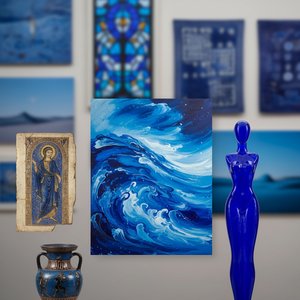
The Allure of Azure: Exploring the Symbolic & Aesthetic Depths of Blue in Art History
Explore the rich history of blue in art! Discover its symbolism, from ancient pigments to modern masterpieces by Kandinsky & Seurat. Uncover the psychological impact and cultural meanings behind this captivating hue.

Ephemeral Expressions: Exploring the Nuances of Ink on Paper Through History & Contemporary Art
Explore the captivating world of ink wash painting – from its ancient origins to contemporary masters. Discover techniques, symbolism & conservation insights with TopImpressionists.com.

أعمال كاتسوشيكا هوكوساي الـ 25 الأكثر روعة: تحف فنية تزين منزلك بجمال اليابان
اكتشف 25 تحفة فنية آسرة لكاتسوشيكا هوكوساي، رائد فن الأوكييو-إي الياباني. موجة كاناغاوا وجبل فوجي وأكثر! استلهم ديكور منزلك بألوان مائية يابانية خالدة. تسوق لوحات هوكوساي عالية الجودة على TopImpressionists.com.

Slate Blue Masterpieces: 10 Iconic Paintings & Timeless Home Decor Ideas
Immerse yourself in the captivating world of slate blue! Explore 10 iconic paintings by Monet, Van Gogh & Renoir. Discover their stories, techniques & find museum-quality art reproductions for your home at .