أتيليه — شحن مجاني لجميع أنحاء العالم — التوصيل خلال ٢–٦ أسابيع
      Cephas Thompson, 1775 – 1856

      أشهر 55 لوحات لـ Cephas Thompson مرتبة حسب الأهمية

      اللوحة الأكثر شهرة للفنان Cephas Thompson هي Mrs. Cephas Thompson (Olivia Leonard) (1810)، المعروضة في متحف المتروبوليتان للفنون، نيويورك. ويأتي The Frightened Girl (1810) وMaria De Wolf (Mrs. Robert Rogers) (1805) تالياً ضمن اللوحات الأكثر شهرة لدى القراء. تضم مجموعتنا 55 من أعمال Cephas Thompson: إليكم 55 من أشهرها، مع ذكر سنة إنتاجها، والمتحف الذي تحتضنها، وما يجعل كل لوحة منها مميزة.

      تُصنف الأعمال بناءً على درجة شعبيتنا، التي تجمع بين عمليات البحث والزيارات والطلبات لكل عمل فني. تم التحديث في أكتوبر 2026. يمكن طلب كل لوحة في هذه الصفحة كنسخة زيتية مرسومة يدوياً على قماش كتان، أو كطباعة فنية فاخرة بالمقاس الذي تختاره.

      بورتريه لـ Cephas Thompson
      Cephas Thompson · 1775 – 1856
      تاريخ الميلاد · تاريخ الوفاة
      1775 – 1856, Middleborough
      حركة
      Impressionism
      الأعمال الموجودة في كتالوجنا
      55
      الأكثر شهرة
      Mrs. Cephas Thompson (Olivia Leonard) (1810)
      أكبر عدد من الأعمال في
      المعرض الوطني الكندي

      أشهر 10 لوحات لـ Cephas Thompson: اللوحات التي يعرفها الجميع

      Mrs. Cephas Thompson (Olivia Leonard) (1810) للفنان Cephas Thompson
      1

      Mrs. Cephas Thompson (Olivia Leonard)

      1810 · Oil On Canvas · متحف المتروبوليتان للفنون, نيويورك

      The portrait titled Mrs. Cephas Thompson (Olivia Leonard) captures a quiet moment of presence. It was painted by Cephas Thompson, an American artist born in Middleborough, Massachusetts. The subject of this work is Olive Leonard, the wife of the painter. Their connection is etched into the very intent of the brushwork, turning a formal likeness into a private record of a shared life.

      نسخة زيتية مرسومة يدوياً من $178 26 × 39 cm بنفس حجم العمل الأصلي $444 80 × 122 cm اطلب بالحجم الأصلي →

      المزيد من لوحات Cephas Thompson، من 11 إلى 55

      أكثر ما رسمه Cephas Thompson

      المواضيع الأربعة الأكثر تكراراً في هذه اللوحات، مع تقديم أفضل الأمثلة لكل منها.

      حيث تُعرض لوحات Cephas Thompson

      المتاحف الـ 3 التي تضم أكبر عدد من اللوحات الموجودة في هذه الصفحة.

      المتحف المدينة أعمال Cephas Thompson لوحات من هذه القائمة
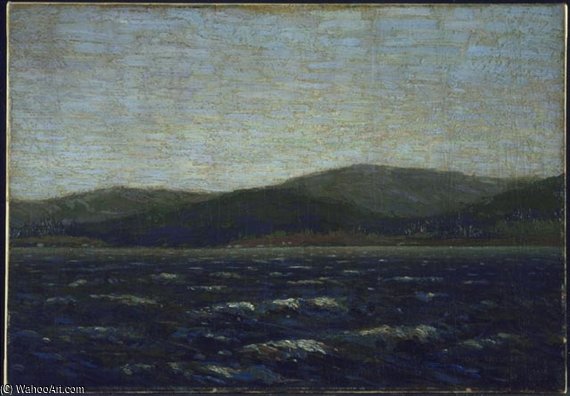
      المعرض الوطني الكندي, أوتاواالمعرض الوطني الكندي أوتاوا 5 Spring, French River, Lumber Dam, Split Rock, Georgian Bay
      متحف الفنون الجميلة, بوسطنمتحف الفنون الجميلة بوسطن 2 The Frightened Girl, Maria De Wolf (Mrs. Robert Rogers)
      متحف المتروبوليتان للفنون, نيويوركمتحف المتروبوليتان للفنون نيويورك 1 Mrs. Cephas Thompson (Olivia Leonard)

      أروع لوحات Cephas Thompson المفضلة، عاماً بعد عام

      تغطي اللوحات المؤرخة لـ Cephas Thompson في هذه الصفحة 6 سنوات فقط، من 1805 إلى 1810: تتبع مسيرتها عاماً بعد عام، في ضوئها الخاص.

      1. 1805
      2. 1810
        Mrs. Cephas Thompson (Olivia Leonard) (1810) للفنان Cephas Thompson
        لوحة 1 من أصل 55

        Mrs. Cephas Thompson (Olivia Leonard)

        العمر 35 · متحف المتروبوليتان للفنون

        The portrait titled Mrs. Cephas Thompson (Olivia Leonard) captures a quiet moment of presence. It was painted by Cephas Thompson, an American artist born in Middleborough, Massachusetts. The…

      3. 1810
        The Frightened Girl (1810) للفنان Cephas Thompson
        لوحة 2 من أصل 55

        The Frightened Girl

        العمر 35 · متحف الفنون الجميلة

      عن لوحات Cephas Thompson: إجابات على أسئلتكم

      ما هي أشهر لوحة للفنان Cephas Thompson؟اقرأ الإجابة

      Mrs. Cephas Thompson (Olivia Leonard) (1810)، متحف المتروبوليتان للفنون, نيويورك. يليهما The Frightened Girl (1810) وMaria De Wolf (Mrs. Robert Rogers) (1805).

      كم كان عمر Cephas Thompson عندما رُسمت Mrs. Cephas Thompson (Olivia Leonard)؟اقرأ الإجابة

      ولد Cephas Thompson في 1775 وكان عمره 35 عاماً: يعود تاريخ Mrs. Cephas Thompson (Olivia Leonard) إلى 1810.

      ما هي أشهر 10 لوحات للفنان Cephas Thompson؟اقرأ الإجابة

      Mrs. Cephas Thompson (Olivia Leonard), The Frightened Girl, Maria De Wolf (Mrs. Robert Rogers), Giant's Tomb, Georgian Bay, Nicholas Robinson -, Reverend William Bruce, Lake In Algonquin Park, Lake, Shore And Sky, Autumn, Algonquin Park و James Ingram. ترفق مع كل لوحة في التصنيف أعلاه سنة رسمها والمتحف الذي تنتمي إليه.

      كم عدد الأعمال التي رسمها Cephas Thompson في المجمل؟اقرأ الإجابة

      يوجد في كتالوجنا 55 من أعمال Cephas Thompson، وتتراوح تواريخها من 1805 إلى 1810.

      أين يمكنني مشاهدة أشهر لوحات Cephas Thompson؟اقرأ الإجابة

      توجد معظمها في المعرض الوطني الكندي (أوتاوا), متحف الفنون الجميلة (بوسطن) و متحف المتروبوليتان للفنون (نيويورك)؛ وتدرج القائمة أعلاه كل متحف ولوحاته.

      متى رسم Cephas Thompson هذه اللوحات الأكثر شهرة؟اقرأ الإجابة

      في 1810، التي قدمت 2 من أصل 55 من الأعمال في هذه الصفحة، كان هناك Mrs. Cephas Thompson (Olivia Leonard) من بينها.

      ما هي أشهر لوحات Cephas Thompson في بداياته وأواخر فتراته؟اقرأ الإجابة

      أقدم لوحة قماشية هنا هي Maria De Wolf (Mrs. Robert Rogers) (1805)؛ وأحدثها هي Mrs. Cephas Thompson (Olivia Leonard) (1810).

      ما هي أكثر المواضيع التي رسمها Cephas Thompson؟اقرأ الإجابة

      Lakes (5), Landscape (4) و Sky (4)، عبر 55 من الأعمال في هذه الصفحة.

      إلى أي حركة فنية تنتمي لوحة Cephas Thompson؟اقرأ الإجابة

      Impressionism، كما تظهر اللوحات في هذه الصفحة.

      أي من لوحات Cephas Thompson معروضة في المعرض الوطني الكندي؟اقرأ الإجابة

      يضم المعرض الوطني الكندي, أوتاوا عدد 5 من الأعمال المعروضة في هذه الصفحة، من بينها Spring, French River, Lumber Dam و Split Rock, Georgian Bay.

      هل يمكنني شراء نسخة مطبوعة من لوحة زيتية لـ Cephas Thompson؟اقرأ الإجابة

      نعم. يمكن طلب كل لوحة في هذه الصفحة من صفحتها الخاصة، سواء كنسخة زيتية مرسومة يدوياً، أو كمطبوعة فنية فاخرة، وذلك بالمقاس الذي تختارونه.

      Cephas Thompson: حياة في لوحات فنية

      The Luminescent Legacy of Thomas Clement Thompson

      In the grand tapestry of nineteenth-century art, few threads are as delicately woven as those left by Thomas Clement Thompson. A master of both the intimate and the expansive, Thompson’s career serves as a bridge between the meticulous precision of Georgian portraiture and the atmospheric, emotive depths of the Luminist movement. Born in Belfast in 1780, his life was shaped by the intellectual and artistic currents of an era defined by transition. His early training at the Dublin Society Schools, which began in 1796, provided him with a rigorous academic foundation, instilling a profound command over draughtsmanship and tonal manipulation that would remain the hallmark of his artistry throughout his long and distinguished life.

      Thompson first rose to prominence through the delicate medium of portrait miniatures. These small-scale works, characterized by their remarkable sensitivity, allowed him to capture the very essence of his subjects with a precision that enchanted the high society of Belfast and Dublin. There is an inherent intimacy in the miniature, a quiet dialogue between the artist and the sitter, which Thompson navigated with unparalleled grace. His ability to render nuanced expressions and the subtle textures of skin and fabric made him a sought-after chronicler of the era's most notable figures, including royalty such as George IV.

      A Transition Toward the Sublime

      As the nineteenth century progressed, Thompson underwent a profound artistic metamorphosis. Between 1803 and 1809, he made the deliberate and daring decision to pivot from the miniature format toward large-scale portraiture and landscape painting. This shift was not merely a change in scale, but a fundamental evolution in his aesthetic philosophy. Influenced by the monumental styles of Joshua Reynolds and Benjamin West, Thompson began to explore the concept of the sublime—the idea that art should evoke awe through the depiction of nature's grandeur and the play of light.

      This period saw him embracing the principles of Luminism, a style that prioritizes the effects of light and atmosphere. In his landscapes, such as the evocative Early Snow, Algonquin Park or the dynamic Thunder Cloud, one can witness his mastery of atmospheric perspective. He utilized soft, diffused light and muted color palettes to create immersive vistas where the boundaries between earth and sky seem to dissolve. Through these works, Thompson did not merely paint scenery; he captured the ephemeral, fleeting moments of weather and light that define the human experience of the natural world.

      Legacy and Historical Significance

      Thompson’s influence extended far beyond the borders of Ireland. By 1817, his burgeoning success led him to establish a new studio in London, where he became a regular fixture at the prestigious Royal Academy exhibitions. His presence in the London art scene solidified his reputation as an international figure of significant merit. His commitment to the institutionalization of art was equally profound; as a founding member of the Royal Hibernian Academy, he played a crucial role in shaping the artistic landscape of Ireland for generations to come.

      The later years of his life saw him settling in Cheltenham, where he continued to refine his craft until his passing in 1857. When reflecting on his body of work, several key achievements emerge:

      • Mastery of Scale: His seamless transition from the microscopic detail of miniatures to the sweeping vistas of landscape painting.
      • Luminist Innovation: His ability to use light as a primary subject, creating atmospheric depth and emotional resonance.
      • Institutional Impact: His foundational role in the Royal Hibernian Academy, fostering a structured environment for Irish artists.
      • Societal Connection: His skill in capturing the likenesses of the political and social elite, preserving the visual history of the Georgian and Victorian eras.

      Today, the works of Thomas Clement Thompson remain vital touchstones for students of art history. They stand as a testament to an artist who could move effortlessly between the quietest whisper of a portrait and the thunderous roar of a storm-swept sky, leaving behind a legacy of light, shadow, and enduring beauty.