أتيليه — شحن مجاني لجميع أنحاء العالم — التوصيل خلال ٢–٦ أسابيع

      1837 - 1891

      نظرة عامة

      • Works on this site: 21
      • Died: 1891
      • Copyright status: Public domain
      • Lifespan: 54 years
      • Museums on this site:
        • Russell-Cotes Art Gallery - Museum
        • متحف المتروبوليتان للفنون
        • Musée Victor Hugo
      • Top-ranked work: Quentino Sella, Italian scientist and politician
      • Top 3 works:
        • Quentino Sella, Italian scientist and politician
        • Raffaele Conforti, Italian politician
        • Mohamed Saïd Pasha, Viceroy of Egypt and Ethiopia
      • Also known as:
        • Emile Bayard
        • Émile-Antoine Bayard
        • Abel De Miray

      A Bridge Between Worlds: The Life and Art of Émile Bayard

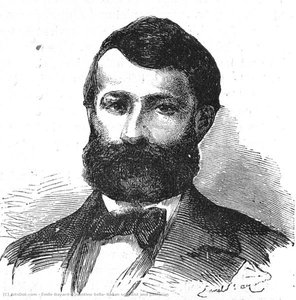
      Émile-Antoine Bayard, born in the tranquil French town of La Ferté-sous-Jouarre in 1837, emerged as a pivotal figure in 19th-century illustration. He wasn’t merely a recorder of his time but an active participant in shaping how stories were told and visualized—a bridge between the established traditions of academic art and the burgeoning world of modern visual storytelling. Bayard's journey began with formal training under Léon Cogniet, beginning in 1853, where he spent five years honing his skills. Even as a young student, a creative spark ignited within him; at just fifteen years old, he began publishing cartoons under the intriguing pseudonym *Abel de Miray*, hinting at the artistic ambition that would define his life. This early foray into publication wasn’t simply youthful experimentation but a declaration of intent—a desire to communicate and connect with an audience through imagery.

      From Diverse Techniques to Literary Visions

      The years between 1857 and 1864 were formative for Bayard, a period dedicated to exhaustive exploration across various artistic mediums. He immersed himself in charcoal drawings, paintings, watercolors, woodcuts, engravings, and lithographs—a deliberate attempt to master the diverse tools available to a visual artist. This foundational period wasn’t about finding one definitive style but rather building a versatile skillset that would later become his hallmark. It allowed him to approach each project with a nuanced understanding of how different techniques could best serve the narrative at hand. As photography began its ascent, challenging the role of documentary illustration, Bayard astutely recognized the shifting landscape and skillfully pivoted towards illustrating novels—a realm where artistic interpretation and imagination held immense power. He quickly became sought after for his ability to breathe life into literary worlds.

      Illustrating a Nation’s Imagination

      From 1864 onward, Bayard's career blossomed as an illustrator, initially documenting current events for magazines—including the tumultuous period of the Franco-Prussian War (1870–71). However, it was his work with literary classics that cemented his legacy. He lent his talents to iconic works such as Victor Hugo’s *Les Misérables*, Harriet Beecher Stowe’s *Uncle Tom's Cabin*, Alphonse Daudet’s *L’Immortel*, Daniel Defoe’s *Robinson Crusoe*, and, perhaps most notably, Jules Verne’s *From the Earth to the Moon*. His illustration of Cosette from *Les Misérables* is arguably his most recognizable achievement—an image so powerful that it was later adapted for the logo of the renowned Cameron Mackintosh musical adaptation. But beyond mere representation, Bayard's illustrations possessed a unique ability to capture the emotional core of these stories, resonating deeply with readers and shaping their perceptions of beloved characters and narratives.

      Pioneering Visions and Lasting Influence

      Bayard’s contribution extends far beyond simply illustrating popular novels; he was a true visionary who helped define new artistic frontiers. His artwork accompanying Jules Verne's *From the Earth to the Moon* is considered among the first examples of scientific space art, marking a departure from purely mystical depictions of spaceflight and embracing a more grounded, scientifically informed aesthetic. This pioneering approach laid the groundwork for future generations of science fiction artists, solidifying his place as a significant figure in both illustration history and the early development of science art. His influences were rooted in the academic style imparted by Léon Cogniet, but Bayard’s work also reflected the changing cultural landscape of 19th-century France—embracing new technologies like lithography and responding to the growing popularity of serialized novels. He understood that illustration wasn't merely about replicating reality; it was about enhancing it, interpreting it, and making it accessible to a wider audience. Émile Bayard passed away in Cairo in 1891, leaving behind a rich legacy of illustrations that continue to captivate audiences today—a testament to his skill, versatility, and enduring ability to bring literary worlds vividly to life through the power of visual storytelling.

      اختبار قصير ممتع

      لكل سؤال إجابة صحيحة واحدة فقط.

      سؤال 1:
      Émile Bayard was a student of which artist?
      سؤال 2:
      Bayard is well known for illustrating which literary masterpiece?
      سؤال 3:
      Besides novels, what other type of events did Bayard initially illustrate for magazines?
      سؤال 4:
      Bayard's illustrations for Jules Verne’s *From the Earth to the Moon* are considered pioneering in what artistic field?
      سؤال 5:
      Under what pseudonym did Bayard publish his first cartoons at the age of fifteen?

      أشهر اللوحات الفنية

      الأسئلة والأجوبة

      ما هي الأسماء المستعارة أو الأسماء الأخرى التي يُعرف بها Émile Bayard؟

      يُعرف Émile Bayard أيضاً بأسماء أخرى هي Emile Bayard, Émile-Antoine Bayard, Abel De Miray.

      كيف يمكنني العثور على أعمال Émile Bayard ضمن موضوع معين؟

      يمكن استكشاف أعمال Émile Bayard عبر الكلمات المفتاحية في صفحة حسب الكلمات المفتاحية الخاصة بالفنان، حيث تجمع كل كلمة مفتاحية الأعمال الفنية ذات الصلة.

      ما مدى شهرة الأعمال الفنية لـ Émile Bayard؟

      تستعرض صفحة إحصائيات الزيارات الخاصة بـ Émile Bayard إحصائيات مستخرجة من أعمال الفنان المدرجة على هذا الموقع.

      كيف يمكنني تتبع أعمال Émile Bayard حسب التسلسل الزمني؟

      يمكن مشاهدة أعمال Émile Bayard الفنية مرتبة زمنياً في صفحة التسلسل الزمني للأعمال الفنية.

      هل يمكنني زيارة متحف افتراضي لأعمال Émile Bayard؟

      يمكنكم مشاهدة أعمال Émile Bayard الفنية في معرض ثلاثي الأبعاد عبر صفحة متحف ثلاثي الأبعاد الخاصة بالفنان.

      كم عدد الأعمال الفنية المتاحة لـ Émile Bayard؟

      يمكنك تصفح 21 أعمال فنية من أعمال Émile Bayard في صفحة كافة الأعمال الفنية.

      ما هي الألوان التي استخدمها Émile Bayard بشكل أكثر تكراراً؟

      يمكن استكشاف أسلوب Émile Bayard في استخدام الألوان عبر الأعمال المدرجة في هذا الموقع من خلال صفحة بصمة الألوان الفنية الخاصة بالفنان.

      إلى أي حقبة تاريخية ينتمي Émile Bayard؟

      أبدع Émile Bayard خلال حقبة 19th Century، وهي الفترة التي تضع نشاط الفنان في سياقه التاريخي.

      أين ومتى وُلد Émile Bayard؟

      وُلد Émile Bayard في La Ferté-sous-Jouarre عام 1837.