أتيليه — شحن مجاني لجميع أنحاء العالم — التوصيل خلال ٢–٦ أسابيع
      إمبراطورية الأزتيك, 1300 – 1521

      أشهر 70 لوحات لـ إمبراطورية الأزتيك

      تُعد Mosaic of a Double-headed Serpent (1521) اللوحة التي اشتهر بها إمبراطورية الأزتيك؛ وهي محفوظة في المتحف البريطاني، لندن. Head from a Figure, Xochipilli Macuilxochitl (1521) و Figure (1521) يكملان ثلاثية اللوحات الأكثر شهرة. يحتوي دليلنا على 70 من أعمال إمبراطورية الأزتيك. إليكم 70 من أشهرها، مع ذكر سنة الإنتاج، والمتحف، والقصة وراء كل لوحة.

      تُصنف الأعمال بناءً على درجة شعبيتنا، التي تجمع بين عمليات البحث والزيارات والطلبات لكل عمل فني. تم التحديث في أكتوبر 2026. يمكن طلب كل لوحة في هذه الصفحة كنسخة زيتية مرسومة يدوياً على قماش كتان، أو كطباعة فنية فاخرة بالمقاس الذي تختاره.

      بورتريه لـ إمبراطورية الأزتيك
      إمبراطورية الأزتيك · 1300 – 1521
      تاريخ الميلاد · تاريخ الوفاة
      1300 – 1521
      الأعمال الموجودة في كتالوجنا
      70
      الأكثر شهرة
      Mosaic of a Double-headed Serpent (1521)
      أكبر عدد من الأعمال في
      متحف المتروبوليتان للفنون

      أكثر عشر لوحات محبوبية لـ إمبراطورية الأزتيك

      Mosaic of a Double-headed Serpent (1521) للفنان إمبراطورية الأزتيك
      1

      Mosaic of a Double-headed Serpent

      1521 · Mosaic · المتحف البريطاني, لندن

      To gaze upon this mosaic of a double-headed serpent is to step directly into the vibrant, myth-laden heart of the Aztec Empire. It is not merely an object of decoration; it is a captured echo of profound belief, a testament to a civilization whose artistry wove the sacred into the very fabric of daily existence. The serpentine form dominates the composition, its sinuous body rendered in breathtaking detail across countless…

      Head from a Figure, Xochipilli Macuilxochitl (1521) للفنان إمبراطورية الأزتيك
      2

      Head from a Figure, Xochipilli Macuilxochitl

      1521 · Sculpture · متحف المتروبوليتان للفنون, نيويورك

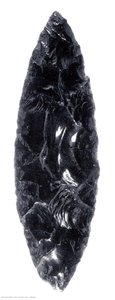
      The obsidian head before us—a dark, almost brooding presence—isn’t merely a sculpture; it's a portal into the vibrant and complex world of the Aztec Empire. Carved in the early 16th century, just decades before the arrival of the Spanish conquistadors, this intimate portrait of Xochipilli Macuilxochitl offers a rare and compelling glimpse into the beliefs, artistry, and ultimately, the fleeting beauty of a vanished civilization. The piece speaks not only…

      Figure (1521) للفنان إمبراطورية الأزتيك
      3

      Figure

      1521 · Stone · متحف المتروبوليتان للفنون, نيويورك

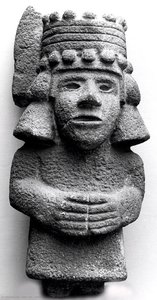
      Before you stands an echo from a civilization whose very name whispers tales of empire and profound spiritual depth: the magnificent "Figure" sculpture. Carved from enduring stone, this piece is not merely an object of antiquity; it is a frozen moment of sacred contemplation. The overall impression is one of solemn power, a tangible connection to the sophisticated worldview of the Aztec people who flourished in the heart of Mesoamerica.…

      Kneeling Male Figure (1521) للفنان إمبراطورية الأزتيك
      4

      Kneeling Male Figure

      1521 · Stone · متحف المتروبوليتان للفنون, نيويورك

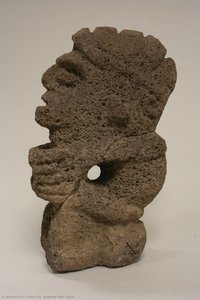
      To gaze upon this fragment is to reach across the vast chasm of five centuries, touching the solemn breath of an empire long dissolved into myth and archaeological wonder. This kneeling male figure, carved from a dark, porous stone—perhaps basalt itself—is more than mere sculpture; it is a captured moment of profound spiritual engagement. The very texture of the material speaks of time, bearing the patina of ritual smoke and…

      Serpent Labret with Articulated Tongue للفنان إمبراطورية الأزتيك
      5

      Serpent Labret with Articulated Tongue

      Acrylic On Canvas · متحف المتروبوليتان للفنون, نيويورك

      Serpent Labret with Articulated Tongue The Serpent Labret with Articulated Tongue stands as a testament to the unparalleled artistry of the Aztec Empire—a singular achievement in goldwork that embodies both exquisite craftsmanship and profound symbolic meaning. Discovered in 1937, this remarkable ornament now resides at the Metropolitan Museum of Art (New York City), where it continues to captivate visitors with its mesmerizing beauty and intricate detail. Its provenance is traced…

      Pendent in the Shape of a Warrior (1350) للفنان إمبراطورية الأزتيك
      6

      Pendent in the Shape of a Warrior

      1350 · Metalwork · متحف كليفلاند للفنون, كليفلاند

      To hold this piece in your mind is to encounter the quiet strength of the Post-classic period. This small, metallic figure, likely worn close to the body, captures a warrior in a moment of poised readiness. The figure is rendered with a striking sense of presence, characterized by a prominent nose, wide eyes, and a slightly protruding mouth that gives the face a distinct, human character. There is a certain…

      Figure (1521) للفنان إمبراطورية الأزتيك
      7

      Figure

      1521 · Stone · متحف المتروبوليتان للفنون, نيويورك

      This monochrome photograph captures an ancient Aztec sculpture titled Figure. The piece presents a stylized representation of a human figure, likely a deity or important individual within the Aztec culture. Set against a dark background that emphasizes its intricate details, the sculpture is positioned slightly off-center towards the right of the frame.

      Vulture Vessel (1521) للفنان إمبراطورية الأزتيك
      8

      Vulture Vessel

      1521 · Ceramic · متحف المتروبوليتان للفنون, نيويورك

      This ceramic vessel, produced around 1521 by Aztec artists, takes the shape of a stylized vulture. The object is constructed from earthenware with a robust, cylindrical body. Four curved legs support the structure, positioned to suggest a sense of movement or a bird prepared to perch. The surface is primarily covered in a reddish-brown hue, likely derived from iron oxide pigments. Black glaze defines specific areas, creating bands that outline…

      Standard Bearer (1521) للفنان إمبراطورية الأزتيك
      9

      Standard Bearer

      1521 · Stone · متحف المتروبوليتان للفنون, نيويورك

      The Aztec sculpture titled "Standard Bearer," a remarkable testament to the artistry and symbolic depth of the pre-Columbian civilization, stands as more than just a carved stone figure. It’s a window into a complex society—a warrior, a leader, a conduit between the earthly realm and the divine. Dating back to approximately 1450-1521 CE, this piece, originating from the region of Veracruz, offers a tangible connection to a world both familiar…

      Crested Figure (Macuilxochitl) (1521) للفنان إمبراطورية الأزتيك
      10

      Crested Figure (Macuilxochitl)

      Crested Figure (Macuilxochitl): Echoes of Aztec Cosmology The photograph presents a striking depiction of an Aztec sculpture titled “Crested Figure (Macuilxochitl),” originating from the 15th–early 16th century during the height of the Mexica Empire. This artwork embodies the artistic spirit of Mesoamerica, reflecting profound religious beliefs and political authority—a testament to the enduring legacy of a civilization that captivated imaginations for centuries. Overall Impression: The image captures a sculpture crafted…

      إمبراطورية الأزتيك: اللوحات من 11 إلى 70 في التصنيف

      Seated Male Deity (1521) للفنان إمبراطورية الأزتيك
      #12

      Seated Male Deity

      1521 · متحف المتروبوليتان للفنون

      In the quiet presence of the Seated Male Deity, one does not merely observe a sculpture; one encounters a profound fragment of a lost cosmos. Carved during the…

      Kneeling Female Figure (1521) للفنان إمبراطورية الأزتيك
      #13

      Kneeling Female Figure

      1521 · متحف المتروبوليتان للفنون

      In the quiet halls of art history, few objects command as much silent reverence as the Kneeling Female Figure. Carved from the dark, enduring strength of basalt, this…

      Miniature Bowl (1521) للفنان إمبراطورية الأزتيك
      #15

      Miniature Bowl

      1521 · متحف المتروبوليتان للفنون

      To gaze upon this miniature bowl is to hold a fragment of deep time in one's hands. It is not merely an object, but a tangible whisper from…

      Fragment of An Anthropomorphic Brazier (1300) للفنان إمبراطورية الأزتيك
      #16

      Fragment of An Anthropomorphic Brazier

      1300

      This ceramic fragment presents a vertical arrangement of human-like faces. The central feature is a large, sculpted head, upon which smaller faces are positioned in a stacked, layered…

      Ear Spool (1521) للفنان إمبراطورية الأزتيك
      #18

      Ear Spool

      1521 · متحف المتروبوليتان للفنون

      Before us lies a fragment of a vanished world, a tangible link to the ingenuity and ritualistic practices of the Aztec Empire. This meticulously crafted ear spool, fashioned…

      اطلبها مرسومة يدوياً →
      Seated Female Deity (1521) للفنان إمبراطورية الأزتيك
      #19

      Seated Female Deity

      1521 · متحف المتروبوليتان للفنون

      In the quiet shadows of history, certain objects possess the power to bridge the gap between the mortal realm and the eternal. The Seated Female Deity, a profound…

      Aztec Sun Stone (Calendar Stone) (1427) للفنان إمبراطورية الأزتيك
      #20

      Aztec Sun Stone (Calendar Stone)

      1427

      The Aztec Sun Stone (Calendar Stone) is a significant work attributed to the Aztec Empire. Carved by the Mexica at the end of the Mesoamerican Postclassic Period, this…

      Seated Male Deity (1521) للفنان إمبراطورية الأزتيك
      #31

      Seated Male Deity

      1521 · متحف المتروبوليتان للفنون

      Before us stands a testament to the profound artistry and spiritual depth of the Aztec Empire – a weathered stone sculpture known as the “Seated Male Deity,” or…

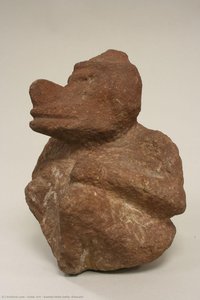
      Spider Monkey (1521) للفنان إمبراطورية الأزتيك
      #33

      Spider Monkey

      1521 · Rhode Island School of Design Museum of Art

      This exceptional hand-painted reproduction captures a pivotal moment in Aztec artistic expression – the creation of a remarkably detailed sculpture depicting a spider monkey, dating back to 1521.…

      Cihuateotl (1521) للفنان إمبراطورية الأزتيك
      #34

      Cihuateotl

      1521 · متحف المتروبوليتان للفنون

      The stone sculpture known as “Cihuateotl,” a formidable figure emerging from the heart of the Aztec Empire, offers more than just a visual representation; it’s a window into…

      اطلبها مرسومة يدوياً →
      Feathered Serpent Ornament (1521) للفنان إمبراطورية الأزتيك
      #36

      Feathered Serpent Ornament

      1521 · متحف المتروبوليتان للفنون

      In the quiet, hallowed halls of the Metropolitan Museum of Art, there exists a treasure that transcends the boundaries of time and geography. The Feathered Serpent Ornament is…

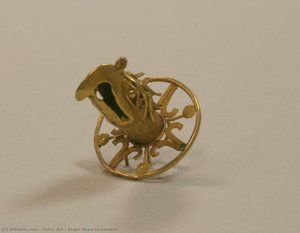
      Skull Pendant للفنان إمبراطورية الأزتيك
      #39

      Skull Pendant

      متحف المتروبوليتان للفنون

      Gazing upon this black and white photograph, one is immediately drawn to the stark simplicity and profound symbolism of the Aztec skull pendant. More than a mere decorative…

      اطلب هذه اللوحة →
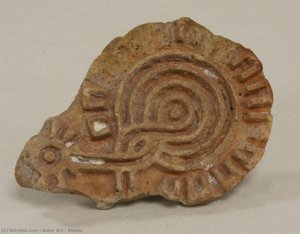
      Stamp (1521) للفنان إمبراطورية الأزتيك
      #40

      Stamp

      1521 · متحف المتروبوليتان للفنون

      Within the realm of ancient Mesoamerica lies a deceptively simple object – a terracotta stamp, often referred to as a “stamp” in modern parlance. Yet, this unassuming artifact…

      اطلب هذه اللوحة →
      Female Deity للفنان إمبراطورية الأزتيك
      #41

      Female Deity

      متحف المتروبوليتان للفنون

      The photograph before you offers an arresting window into the heart of Aztec spirituality – a sculpted representation of a female deity, rendered with a profound sense of…

      اطلبها مرسومة يدوياً →
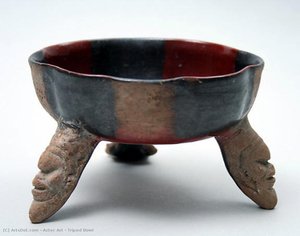
      Tripod Bowl للفنان إمبراطورية الأزتيك
      #42

      Tripod Bowl

      متحف المتروبوليتان للفنون

      To gaze upon this Tripod Bowl is to reach across the vast expanse of time, directly into the vibrant heart of the Aztec Empire. It is not merely…

      Maize Deity (Chicomecoatl) للفنان إمبراطورية الأزتيك
      #43

      Maize Deity (Chicomecoatl)

      متحف المتروبوليتان للفنون

      Carved from basalt, this sculpture represents Chicomecoatl, the Mexica goddess of maize. The figure is rendered in a frontal, upright posture with arms raised in a gesture of…

      Seated Female Deity للفنان إمبراطورية الأزتيك
      #44

      Seated Female Deity

      متحف المتروبوليتان للفنون

      Seated Female Deity: A Reflection of Aztec Spirituality The image presents a grayscale photograph of an Aztec sculpture depicting a seated female deity. The sculpture is rendered in…

      Kneeling Male Figure للفنان إمبراطورية الأزتيك
      #45

      Kneeling Male Figure

      متحف المتروبوليتان للفنون

      To gaze upon the Kneeling Male Figure is to reach across the vast chasm of five centuries, touching the solemn breath of an empire long dissolved into myth…

      Seated Male للفنان إمبراطورية الأزتيك
      #46

      Seated Male

      متحف المتروبوليتان للفنون

      is a stone sculpture created by the Aztec Empire. Originating from Mexico, Mesoamerica, the work belongs to the Mexica (Aztec) culture. It dates to the 15th–early 16th century.

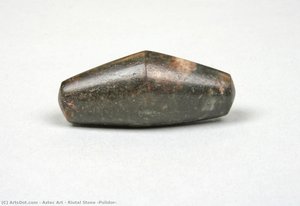
      Ritual Stone (pulidor) (1521) للفنان إمبراطورية الأزتيك
      #47

      Ritual Stone (pulidor)

      1521 · متحف المتروبوليتان للفنون

      Ritual Stone (Pulidor): Echoes of Aztec Majesty The image presents a captivating glimpse into the artistic heritage of the Aztec Empire—specifically, a meticulously crafted green stone artifact known…

      اطلب هذه اللوحة →
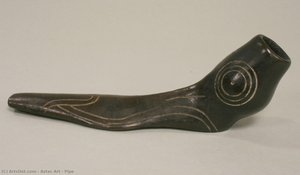
      Pipe (1521) للفنان إمبراطورية الأزتيك
      #50

      Pipe

      1521 · متحف المتروبوليتان للفنون
      Seated Male Deity للفنان إمبراطورية الأزتيك
      #51

      Seated Male Deity

      متحف المتروبوليتان للفنون

      The Aztec Empire, a civilization that flourished in Mesoamerica for centuries, left behind a legacy of breathtaking artistry and profound spiritual belief. Among its most compelling creations stands…

      اطلبها مرسومة يدوياً →
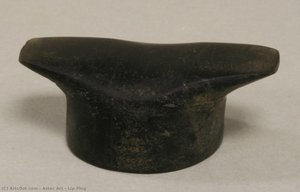
      Lip Plug للفنان إمبراطورية الأزتيك
      #52

      Lip Plug

      متحف المتروبوليتان للفنون

      To gaze upon this artifact is to reach across the vast expanse of time, touching the cool, dark permanence of an ancient civilization. This piece, an Aztec Lip…

      اطلبها مرسومة يدوياً →
      Uilacapitztli (Pottery Flute) للفنان إمبراطورية الأزتيك
      #54

      Uilacapitztli (Pottery Flute)

      متحف المتروبوليتان للفنون

      To gaze upon the Uilacapitztli is not merely to observe an artifact; it is to reach across the vast expanse of centuries and touch the very breath of…

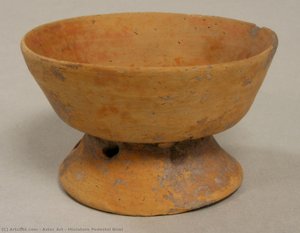
      Miniature Pedestal Bowl للفنان إمبراطورية الأزتيك
      #55

      Miniature Pedestal Bowl

      متحف المتروبوليتان للفنون

      To gaze upon this miniature pedestal bowl is to reach across the vast expanse of time, to hold in one's hands a tangible whisper from the heart of…

      Drum (Teponaztli) للفنان إمبراطورية الأزتيك
      #58

      Drum (Teponaztli)

      متحف المتروبوليتان للفنون

      To gaze upon this representation of an Aztec Teponaztli is not merely to observe an artifact; it is to listen for a silence that holds echoes. This magnificent…

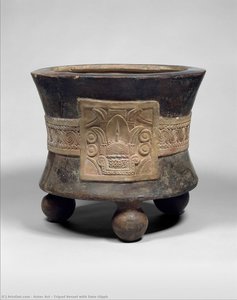
      Tripod Vessel with Date Glyph للفنان إمبراطورية الأزتيك
      #59

      Tripod Vessel with Date Glyph

      متحف المتروبوليتان للفنون

      The image before us presents more than just a ceramic object; it’s a tangible fragment of the Aztec Empire, a silent chronicle etched in clay and imbued with…

      Bowl للفنان إمبراطورية الأزتيك
      #60

      Bowl

      متحف المتروبوليتان للفنون

      Gazing upon this meticulously rendered reproduction of an Aztec bowl is akin to stepping back in time, directly into the heart of Tenochtitlan, the magnificent capital city of…

      اطلب هذه اللوحة →
      Maize Deity (Chicomecoatl) للفنان إمبراطورية الأزتيك
      #61

      Maize Deity (Chicomecoatl)

      متحف المتروبوليتان للفنون

      Standing before this weathered stone sculpture, one is immediately transported to the heart of ancient Mexico – a realm where the divine intertwined seamlessly with the rhythms of…

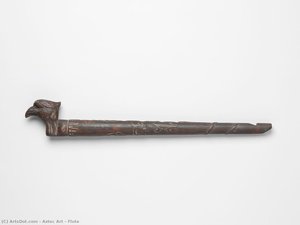
      Flute للفنان إمبراطورية الأزتيك
      #63

      Flute

      متحف المتروبوليتان للفنون

      Within the vast tapestry of Aztec artistry lies a deceptively simple instrument – the flute, often referred to as *uilacapitztli* (meaning “flute-head”). More than just a musical device,…

      اطلب هذه اللوحة →
      Miniature Pedestal Bowl للفنان إمبراطورية الأزتيك
      #64

      Miniature Pedestal Bowl

      متحف المتروبوليتان للفنون

      Gazing upon this exquisite miniature pedestal bowl offers more than just an appreciation of its delicate form; it’s a portal into the heart of the Aztec Empire, a…

      Ear Ornament للفنان إمبراطورية الأزتيك
      #65

      Ear Ornament

      متحف المتروبوليتان للفنون

      To hold an object from the heart of the Aztec Empire is to touch the very pulse of Mesoamerican history. This exquisite ear ornament, a masterwork of the…

      Bowl للفنان إمبراطورية الأزتيك
      #68

      Bowl

      متحف المتروبوليتان للفنون

      In the quiet presence of this ancient Aztec bowl, one can almost hear the rhythmic pulse of a civilization that once commanded the heart of Mesoamerica. This ceramic…

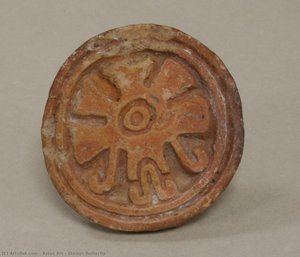
      Flat Stamp with Geometric Flower للفنان إمبراطورية الأزتيك
      #69

      Flat Stamp with Geometric Flower

      متحف المتروبوليتان للفنون

      This striking ceramic stamp, a relic of the Aztec Empire, isn’t merely an artifact; it's a portal to a civilization brimming with intricate symbolism and profound artistic skill.…

      لوحات إمبراطورية الأزتيك عبر العصور

      أكثر ما رسمه إمبراطورية الأزتيك

      المواضيع الأربعة الأكثر تكراراً في هذه اللوحات، مع تقديم أفضل الأمثلة لكل منها.

      حيث تُعرض لوحات إمبراطورية الأزتيك

      المتاحف الـ 5 التي تضم أكبر عدد من اللوحات الموجودة في هذه الصفحة.

      المتحف المدينة أعمال إمبراطورية الأزتيك لوحات من هذه القائمة
      متحف المتروبوليتان للفنون, نيويوركمتحف المتروبوليتان للفنون نيويورك 51 Head from a Figure, Xochipilli Macuilxochitl, Figure, Kneeling Male Figure
      المتحف البريطاني, لندنالمتحف البريطاني لندن 1 Mosaic of a Double-headed Serpent
      متحف كليفلاند للفنون, كليفلاندمتحف كليفلاند للفنون كليفلاند 1 Pendent in the Shape of a Warrior
      Rhode Island School of Design Museum of Art, بروفيدنسRhode Island School of Design Museum of Art بروفيدنس 1 Spider Monkey
      Dumbarton Oaks Research Library and Collection, واشنطن دي سيDumbarton Oaks Research Library and Collection واشنطن دي سي 1 Tlazolteotl (Birthing Figure)

      أشهر لوحات إمبراطورية الأزتيك القماشية، عبر العقود المتعاقبة

      1. 1350s
        Pendent in the Shape of a Warrior (1350) للفنان إمبراطورية الأزتيك
        الترتيب 6 من أصل 70

        Pendent in the Shape of a Warrior

        العمر 50 – 59 · متحف كليفلاند للفنون

        To hold this piece in your mind is to encounter the quiet strength of the Post-classic period. This small, metallic figure, likely worn close to the body, captures…

      2. 1420s
        Aztec Sun Stone (Calendar Stone) (1427) للفنان إمبراطورية الأزتيك
        الترتيب 20 من أصل 70

        Aztec Sun Stone (Calendar Stone)

        العمر 120 – 129

        The Aztec Sun Stone (Calendar Stone) is a significant work attributed to the Aztec Empire. Carved by the Mexica at the end of the Mesoamerican Postclassic Period, this…

      3. 1460s
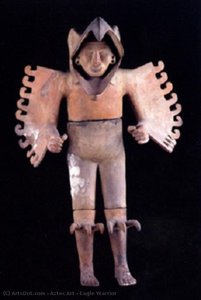
        Eagle Warrior (1469) للفنان إمبراطورية الأزتيك
        المركز 22 من أصل 70

        Eagle Warrior

        العمر 160 – 169
      4. 1480s
        Mictlantecuhtl (1480) للفنان إمبراطورية الأزتيك
        المركز 21 من أصل 70

        Mictlantecuhtl

        العمر 180 – 189
      5. 1500s
        Coyote (1500) للفنان إمبراطورية الأزتيك
        لوحة 23 من أصل 70

        Coyote

        العمر 200 – 209
      6. 1510s
        Standard-Bearer (1519) للفنان إمبراطورية الأزتيك
        لوحة 57 من أصل 70

        Standard-Bearer

        العمر 210 – 219

        This stark figure displays the minimalism and monumentality of Aztec stone sculpture. The rigid pose resembles the block of stone from which it was carved. In contrast, the…

      7. 1520s
        Mosaic of a Double-headed Serpent (1521) للفنان إمبراطورية الأزتيك
        الترتيب 1 من أصل 70

        Mosaic of a Double-headed Serpent

        العمر 220 – 221 · المتحف البريطاني

        To gaze upon this mosaic of a double-headed serpent is to step directly into the vibrant, myth-laden heart of the Aztec Empire. It is not merely an object…

      لوحات إمبراطورية الأزتيك، سؤالاً تلو الآخر

      ما هي اللوحة التي يشتهر بها إمبراطورية الأزتيك أكثر من غيرها؟اقرأ الإجابة

      Mosaic of a Double-headed Serpent (1521)، المتحف البريطاني, لندن. يليهما Head from a Figure, Xochipilli Macuilxochitl (1521) وFigure (1521).

      Mosaic of a Double-headed Serpent: كم كان عمر إمبراطورية الأزتيك عندما رُسمت هذه اللوحة؟اقرأ الإجابة

      ولد إمبراطورية الأزتيك في 1300 وكان عمره 221 عاماً: يعود تاريخ Mosaic of a Double-headed Serpent إلى 1521.

      ما هي أشهر عشر لوحات لـ إمبراطورية الأزتيك؟اقرأ الإجابة

      Mosaic of a Double-headed Serpent, Head from a Figure, Xochipilli Macuilxochitl, Figure, Kneeling Male Figure, Serpent Labret with Articulated Tongue, Pendent in the Shape of a Warrior, Figure, Vulture Vessel, Standard Bearer و Crested Figure (Macuilxochitl). ترفق مع كل لوحة في التصنيف أعلاه سنة رسمها والمتحف الذي تنتمي إليه.

      كم عدد اللوحات التي أبدعها إمبراطورية الأزتيك؟اقرأ الإجابة

      يوجد في كتالوجنا 70 من أعمال إمبراطورية الأزتيك، وتتراوح تواريخها من 1350 إلى 1521.

      أين تُعرض أشهر لوحات إمبراطورية الأزتيك اليوم؟اقرأ الإجابة

      توجد معظمها في متحف المتروبوليتان للفنون (نيويورك), المتحف البريطاني (لندن) و متحف كليفلاند للفنون (كليفلاند)؛ وتدرج القائمة أعلاه كل متحف ولوحاته.

      متى رسم إمبراطورية الأزتيك أشهر لوحاته؟اقرأ الإجابة

      في 1520s، التي قدمت 29 من أصل 70 من الأعمال في هذه الصفحة، كان هناك Mosaic of a Double-headed Serpent من بينها.

      أي من لوحات إمبراطورية الأزتيك الشهيرة كانت الأولى، وأيها كانت الأخيرة؟اقرأ الإجابة

      أقدم لوحة قماشية هنا هي Pendent in the Shape of a Warrior (1350)؛ وأحدثها هي Mosaic of a Double-headed Serpent (1521).

      ما هي أكثر المواضيع التي رسمها إمبراطورية الأزتيك؟اقرأ الإجابة

      Mesoamerica (21), Aztec (16) و Sculpture (14)، عبر 70 من الأعمال في هذه الصفحة.

      ما هي الوسيط الفني الأكثر ظهوراً في لوحات إمبراطورية الأزتيك؟اقرأ الإجابة

      Acrylic On Canvas، مستخدم في 16 من أصل 70 من الأعمال في هذه الصفحة.

      ما هي اللوحات التي يمتلكها متحف المتروبوليتان للفنون من أعمال إمبراطورية الأزتيك؟اقرأ الإجابة

      يضم متحف المتروبوليتان للفنون, نيويورك عدد 51 من الأعمال المعروضة في هذه الصفحة، من بينها Head from a Figure, Xochipilli Macuilxochitl, Figure و Kneeling Male Figure.

      أين يمكنني شراء نسخة من لوحة لـ إمبراطورية الأزتيك؟اقرأ الإجابة

      نعم. يمكن طلب كل لوحة في هذه الصفحة من صفحتها الخاصة، سواء كنسخة زيتية مرسومة يدوياً، أو كمطبوعة فنية فاخرة، وذلك بالمقاس الذي تختارونه.

      تعرف على الفنان: إمبراطورية الأزتيك

      أصداء الحجر: استكشاف فن وإرث إمبراطورية الأزتك

      يستحضر اسم "الأزتك" – المشتق من كلمة الناواتل ātl-ce-tlācati–tlān، والتي تعني "شعب الأشكال المتعددة" – صوراً لإمبراطورية شاسعة ومعقدة هيمنت على أمريكا الوسطى لقرون طويلة. ولم يكن الأزتك مجرد محاربين وغزاة، بل كانوا أفراداً فنانين بعمق، حيث نسجوا الجمال المعقد في كل جانب من جوانب حياتهم؛ من العمارة الصرحية إلى أعمال الريش الرقيقة، ومن الطقوس المقدسة إلى الأدوات اليومية. لم يكن فنهم مجرد زينة، بل كان لغة نابضة بالحياة، تنقل المعتقدات الدలకు، والقوة السياسية، والسرديات التاريخية، والتراتب الاجتماعي داخل مجتمع اتسم بالهيكلية الصارمة والابتكار المذهل في آن واحد.

      ومع بزوغ فجر القرن الرابع عشر في تينوتشتيتلان، قلب إمبراطورية الأزتك، كانت التقاليد الفنية للأزتك متجذرة بعمق في موروثات حضارات أمريكا الوسطى السابقة. فقد ساهمت حضارة الأولمك، برؤوسها الضخمة وأنظمتها التقويمية المتطورة، وحضارة تيوتيهواكان، المشهورة بأهراماتها العملاقة وتخطيطها العمراني، وحضارة التولتيك، أساتذة صياغة المعادن والنحت، جميعها في إثراء النسيج الفني الذي ورثه الأزتك. ومع ذلك، لم يكن الأزتك مجرد مقلدين؛ بل قاموا بدمج هذه التأثيرات مع حساسياتهم الجمالية الفريدة، مطورين أسلوباً متميزاً يتسم بالألوان الجريئة، والأنماط الهندسية المعقدة، والتمثيلات الرمزية.

      لوحة القوة: المواد والتقنيات

      تميز فن الأزتك بتنوع مذهل، حيث استخدم مجموعة مدهشة من المواد والتقنيات. وقد احتلت النقوش الحجرية مكانة بارزة، وتجسدت في المنحوتات الصرحية التي تصور الآلهة والحكام والمخلوقات الأسطورية. وتقف "حجر الشمس" الضخم (حجر التقويم)، الذي اكتشف عام 1946، شاهداً على براعتهم في هذا الوسيط؛ فهو عبارة عن نقش حجري معقد ومتعدد الطبقات يجمع بين المعلومات التقويمية والرمزية الكونية. كما عمل الحرفيون المهرة بالخشب، والطين، والريش – وخاصة ريش طائر الكيتزال النابض بالحياة – بالإضافة إلى اليشم، والفيروز، والأوبسيديان، والذهب، مما عكس الثراء والمكانة الاجتماعية في آن واحد.

      ولعل أعمال الريش كانت الجانب الأكثر إثارة للإعجاب بصرياً في فن الأزتك. فقد صُنعت تيجان الرأس، والعباءات، والدروع، وغيرها من القطع الزخرفية بدقة متناهية باستخدام آلاف الريش المرتب بعناية فائقة، وهي عملية تتطلب مهارة وصبرًا لا حدود لهما. ولم تكن هذه الأشياء جميلة فحسب، بل كانت رموزاً قوية للسلطة، والتفاني الديني، والرتب الاجتماعية. حتى الألوان نفسها كانت تحمل معانٍ محددة: فالأزرق يمثل السماوات، والأخضر يرمز إلى الخصوبة، والأحمر يشير إلى الحرب، بينما يمثل الأصفر الشمس.

      علاوة على ذلك، كان فنانو الأزتك أساتذة في فن الفسيفساء، حيث أبدعوا ألواحاً زخرفية مذهلة باستخدام قطع حجرية صغيرة مقصوصة بدقة. وقد زينت هذه الفسيفساء المعابد والقصور والمساكن الخاصة، مما أضاف طبقة من الغنى البصري إلى البيئة العمرانية. كما كانت فخارياتهم مثيرة للإعجاب بنفس القدر، حيث تميزت بتصاميم هندسية معقدة وتصوير للحيوانات والآلهة.

      لغة الرموز: الموضوعات والزخارف

      يزخر فن الأزتك بالرمزية، حيث تحمل كل صورة طبقات من المعاني التي تتطلب تفسيراً دقيقاً من قبل الكهنة والكتبة والحكام. فالإله المركزي "ويتزيلوبوتشتلي"، إله الحرب والشمس، كان يُصور غالباً في تيجان رأس مزخرفة بالريش والأحجار الكريمة. كما احتلت شخصية "كويتزالكواتل"، إله الثعبان ذو الريش المرتبط بالمعرفة والحكمة والخلق، مكانة مرموقة في مجمع آلهتهم وظهرت في العديد من التمثيلات الفنية.

      وكان نظام التقويم – وهو مزيج متطور للغاية من الدورات الشمسية والطقوسية – موضوعاً متكرراً آخر. حيث دمجت صور التقاويم، والرموز الهيروغليفية، والرموز الفلكية في المنحوتات والفسيفساء والمخطوطات (الكتب المصورة)، مما يعكس فهم الأزتك العميق للزمن والكون. كما رمزت تمثيلات الذرة، المحصول الأساسي في نظامهم الغذائي، إلى القوت والخصوبة. أما الصور الحيوانية – وخاصة النمور، والنسور، والثعابين، وطائر الطنان – فقد حملت دلالات رمزية تتعلق بالقوة والشجاعة والألوهية.

      إرث من الشظايا: الفن والأهمية التاريخية

      أدى الانهيار المفاجئ لإمبراطورية الأزتك على يد الغزاة الإسبان في عام 1521 إلى خسارة فادحة لثقافة أمريكا الوسطى. ومن المؤسف أن الكثير من تراثهم الفني دُمر خلال الغزو؛ حيث هُدمت المعابد، وتحطمت المنحوتات، وأُحرقت المخطوطات. ومع ذلك، ورغم هذه الخسائر، فإن شظايا من فن الأزتك لا تزال باقية حتى يومنا هذا، لتقدم رؤى لا تقدر بثمن حول هذه الحضارة الرائعة.

      وتشمل الأمثلة البارزة "حجر الشمس"، وهو منحوتة صرحية تستعرض معرفة الأزتك المتقدمة بعلم الفلك والرياضيات؛ وتيجان الرأس والعباءات المزينة بالريش والمحفوظة في المتاحف حول العالم؛ بالإضافة إلى المخطوطات الناجية، وهي كتب مكتوبة بخط اليد تحتوي على روايات تاريخية ومعتقدات دينية ومعلومات تقويمية. وتضم "مجموعة أندريس بلايستن" في المكسيك مجموعة هامة من فن أمريكا اللاتينية، بما في ذلك نماذج تسلط الضوء على التقاليد الفنية للأزتك.

      إن تأثير الإرث الفني لإمبراطورية الأزتك لا يزال مرئياً حتى اليوم، حيث يلهم الفنانين والمصممين المعاصرين على حد سواء. فتقنياتهم المبتكرة، وصورهم الرمزية، وارتباطهم العميق بالطبيعة، لا تزال تتردد أصداؤها لدى الجمهور في جميع أنحاء العالم. إن استكشاف فن الأزتك ليس مجرد تمرين في التقدير التاريخي؛ بل هو رحلة إلى قلب حضارة معقدة وساحرة – شهادة على الإبداع البشري، والبراعة، والعمق الروحي.

      لاستكشاف المزيد من الأعمال الفنية من إمبراطورية الأزتك وفنانين بارزين آخرين، تفضل بزيارة TopImpressionists.com.

      جميع أعمال 70 لـ إمبراطورية الأزتيك →