

Zobrazeno: · Včetně rámu:
 Náhled v interiéru
 Sdílet
 Sdílet
 Podrobnosti o díle
 Průvodce

 Stáhnout
 Podobné položky
 Rentgenové snímky
 Slideshow
 Otázky a odpovědi
 Statistiky


Kč 5872
Ručně malovaná olejová reprodukce
Rukou malované olejné plátno v libovolném rozměru i s rámem, vyrobené našimi umělci na zakázku. ( Přepnout na tisk Přepnout na digitální obraz)
Velikost
·Standardní velikost
na zakázku
CM
INCH
Vyberte si z našich přednastavených velikostí, které odpovídají původním proporcím díla.
Načítání velikostí...

šířka
výška
Zadejte šířku a výšku, které potřebujete pro váš rám nebo stěnu. Protože se jedná o ruční malbu, při výběru jiného formátu může umělec kolem obrazu domalovat o něco více, nebo jej mírně oříznout — rozhodnete si vy. Před zahájením malby vám zašleme digitální náhled ke schválení. Obraz zobrazený na této stránce neodpovídá skutečnému výsledku — pouze digitální náhled jej zobrazuje.
 Více informací
Dokončit
·
Bílé okraje Kč1

Rozostřené okraje Kč1

Prodloužené okraje Kč1

P118B Kč10

P118H Kč10

P118W Kč10

P438Z Kč10

P508JH Kč12

P508YH Kč12

P805H Kč10

P805Z Kč10

P919BZ Kč10

P919G Kč10

P919XJ Kč10

P959ZH Kč10

P968JZ Kč12

W106C Kč8

W218G Kč10

W218JH Kč8

W218Y Kč10

W307PJ Kč10

W316G Kč10

W316PJ Kč8

W316Y Kč10

W398PJ Kč8

W4111J Kč10

W500HY Kč15

W500JH Kč15

W692G Kč12

W849H Kč8

W940BG Kč15

W953PJ Kč8

H24-GOLD Kč30

H24-SILVER Kč30

H36-GOLD Kč45

H36-SILVER Kč45
Dodáváno v ochranné tubě, připraveno k vlastním rámování.
Doplňkové služby
volitelnéCo všechno doplňky zahrnují?
Příklady možných změn: Nahrazení obličeje fotografií zákazníka; Přidání mazlíčka (např. výměna kočky za psa); Skrytá zpráva v pozadí; Změna krajiny nebo prvků v pozadí.
Po přijetí objednávky vám tým TopImpressionists.com pošle e-mail s instrukcemi a poskytne náhled návrhu
Po přijetí objednávky vám tým TopImpressionists.com pošle e-mail s instrukcemi a poskytne náhled návrhu
Celosvětová doprava () za 3–4 týdny namísto standardních 5 týdnů. (10 listopad). Bez kompromisů v kvalitě.
Ochranný lak
Popisek díla
Detaily ryté bronzové plakety
This elegant plaque features the artist's name and the title of the artwork, finely engraved for a timeless presentation.
It is made from bronze with a refined, elegant finish. The text is precisely laser-engraved for a sharp and permanent result. Measuring 9x2 cm, the plaque is compact yet easy to read. It's built to be durable and scratch-resistant, offering a professional, museum-quality look. Mounting is simple thanks to the included adhesive backing.
Detaily průhledné akrylové desky
The plaque includes essential engraved details such as the artist's name, the title of the artwork, the date it was created, the type of media used-like oil on canvas or watercolor-a brief description of the piece, and a QR code that links to the complete artwork information.
It is crafted from clear acrylic, offering a sleek, modern appearance. The text is UV-engraved in black to ensure strong visual contrast. With a size of 10x15 cm, it ensures optimal readability. It comes equipped with two metal hooks for secure wall mounting. The plaque is designed to be weather-resistant, making it suitable for various environments, and it includes interactive features that work seamlessly with smartphone scanning.
Detaily černé akrylové destičky
This elegant plaque includes engraved information such as the artist's name, the title of the artwork, the date it was created, the type of media used (like oil on canvas or watercolor), a short description of the artwork, and a QR code for quick access to more information.
The plaque itself is made from refined black acrylic with a premium finish. The text is laser-engraved in white for high contrast and readability. Its size is 10x15 cm, designed to be easy to read. It comes with two metal hooks for professional mounting. The design is sleek and fits any interior style. It is also weather-resistant and durable, with built-in digital integration for mobile compatibility.
Skleněná varianta je dostupná pouze u rozměrů menších než 110 cm
 Skleněná varianta je dostupná pouze u rozměrů menších než 110 cm
- Zdarma celosvětová expresní doprava
- Vysoce kvalitní lněné plátno
- Kompletní pojištění přepravy
- Záruka vrácení celního poplatku
- Záruka věrného barevného souladu
- 100dení lhůta pro vrácení zboží (pouze při vadách výroby)
- 100% záruka vrácení peněz
- Sleva při více objednávkách


Popis sbírného předmětu
Objevte „La Moisson“ od Vincenta van Gogha! Živý postimpresionistický mistrovský výtvěr pšeničného pole v záři zlatého světla. Poznejte jeho symboliku a techniku impasto.
Biografie umělce
Postimpresionistický mistr za dílem Hvězdná noc. Objevte jeho zářivé barvy a emocionální tahy štětcem ještě dnes.
O malbě
Zlatá vize života a smrtelnosti: Van Goghovova *La Moisson* (Pšeničné pole za Saint Paul)
La Moisson, neboli *Pšeničné pole za Saint Paul*, je fascinující dílo Vincenta van Gogha, vytvořené během jeho pobytu v azylu Saint-Paul-de-Mausole v roce 1889. Tento obraz není pouhou představou venkovské Provence; je to hluboká meditace o životě, smrti a neúprosném cyklu přírody – a to vše vykreslené s Van Goghovou charakteristickou emocionální intenzitou a inovativní technikou.Motiv a kompozice: Scéna prosycená významem
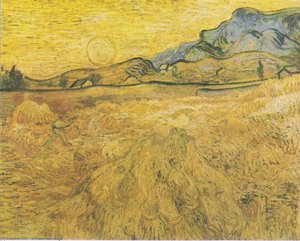
Dílo odhaluje rozlehlý pohled na pšeničné pole pod žhavým sluncem. Osamělý žnec pilně pracuje mezi zlatými stonky a tlačí vůz naplněný senem. Kompozice je pečlivě vyvážená, oko diváka vede od texturovaného popředí se seskupenými seny směrem k vzdálené vesnici, která se schovává v objetí vlnitých kopců. Van Gogh si tento výhled – viditelný z okna jeho azylu – záměrně vybral jako opakující se motiv, který prozkoumal v mnoha dalších obrazech a skicích. Právě tato konkrétní verze vyniká svou živoucí paletou barev a dynamickým způsobem vedení štětcem.Styl a technika: Síla postimpresionismu
Tento obraz je kvintesencí Van Goghovy postimpresionistické éry. Umělec se zde nezastavuje u pouhého *zobrazování* scény, ale snaží se předat svou hluboce prožívanou emocionální reakci na ni. Impasto – tedy silné nanášení barvy – je pro dopad díla klíčové, neboť vytváří taktilní povrch, který se zdá být v neustálém vibraci energie. Vířící, směrové tahy štětcem vnášejí do krajiny pohyb a život. Van Goghovo využití barvy je stejně ohromující; snažil se zachytit tu „ďáblu otázku žluté“, s cílem dosáhnout čistého sírového odstínu, který by vyjádřil intenzitu proužků provenské zvlaté záře.Historický kontext: Okno do bouře i tvůrčího klidu
Vytvořený během období intenzivních osobních zvratů nabízí *La Moisson* nahlédnutí do Van Goghovy mysli. Uzamčen mezi zdmi azylu našel útěchu a inspiraci v přírodním světě za svým oknem. Obraz byl zahájen krátce před vážným duševním zhroucením a následně návštěvně obnoven po týdnech zotavení. Tento kontext do díla vnáší další vrstvy významu a naznačuje propojení mezi umělcovými vnitřními boji a tématy, která na plátno přenesl.Symbolika: Žne to, co bylo zaseto
Samotný Van Gogh poskytl nádech k symbolice ukryté v *La Moisson*. Žnce vnímal jako ztělesnění smrti – „obraz smrti v tom smyslu, že lidé jsou jako obilí, které se pokosi“. Přesto zdůraznil, že nešlo o smutné zobrazení. Místo toho byl obraz „téměř usměvavý“, odehrávající se pod zářivým sluncem. Tato dualita – přijetí smrtelnosti v rámci krásy života – je jádrem síly tohoto malířského díla. Představuje protiklad k jeho dřívějšímu dílu *Sázeč* a zdůrazňuje cyklickou povahu existence.Emoční dopad a úvahy o interiérovém designu
*La Moisson* vyvolává širokou škálu emocí: od pocitu dřiny a klidu až po tiché rozjímání nad pomíjivostí života. Teplá barevná paleta a dynamická energie obrazu z něj činí ideální středobod pro obývací pokoj nebo pracovnu. Jeho texturovaný povrch a odvážné tahy štětcem dodávají jakémukoliv prostoru hloubku a vizuální zajímavost.- Jeho zlatavé tóny skvěle doplňují zemité barvy, přírodní dřevo a neutrální palety.
- Měřítko obrazu jej činí vhodným jak pro velké, tak pro menší místnosti.
- Vysoká kvalita reprodukce zachycuje podstatu Van Goghovy techniky impasto a přináší vašemu interiéru texturu i hloubku.
Otázky a odpovědi
Jaké emoce vyvolávají barvy díla „La moisson (Pšeničné pole za Saint-Paul)“ od Vincent Van Gogh?
„La moisson (Pšeničné pole za Saint-Paul)“ od Vincent Van Gogh kombinuje paletu Pastelové barvy s Reflektivní tónem.
K jakému využití se doporučuje „La moisson (Pšeničné pole za Saint-Paul)“ od Vincent Van Gogh?
Doporučené využití tisku díla „La moisson (Pšeničné pole za Saint-Paul)“ je Centrální bod.
Existuje k dílu „La moisson (Pšeničné pole za Saint-Paul)“ od Vincent Van Gogh informační list pro studenty?
Průvodce k dílu "La moisson (Pšeničné pole za Saint-Paul)" je stránka Průvodce pro studenty pro dané umělecké dílo – tiskatelný informační list, který zobrazuje dílo spolu s jeho popiskem, údaji o autorství a identifikační tabulkou (umělec, data, technika, původní rozměry, sbírka).
Rychlá fakta a umělecký kvíz
O umělci Vincent Van Gogh

Vincent Van Gogh
1853 - 1890, Nizozemsko
Biografie umělce
Život Vincenta Willema Van Gogha
Vincent Willem Van Gogh se narodil 30. března 1853 ve Zundert v Nizozemsku. Byl nejstarším ze šesti dětí narozených Theodorem a Annou Carbentus. Jeho příchod následoval po mrtvém bratrovi jménem Vincent, který se narodil přesně rok před ním. Rodina žila v Brabantském regionu, kde krajina a tiché rytmy venkovského života zanechaly nesmazatelnou stopu v jeho raných letech. Jeho bratr Theo se narodil 1. května 1857 a jejich pouto zůstalo neochvějnou konstantou v mnoha dopisech, které si během let vyměňovali.
Jeho život byl poznamenán neustálým hledáním místa, ke kterému by mohl patřit. Procházel různými životními etapami, od práce v uměleckých galeriích až po působení jako misionář, než se nakonec definitivně zasvětil plátnu. Tato cesta nebyla lehká. Čelil obdobím hluboké izolace a duševních bojů, které stínily jeho tvorbu. Nakonec prošel zářivým světlem jižní Francie i klidem Saint-Rémy, než jeho cesta skončila v Auvers-sur-Oise ve Francii. Zemřel 29. července 1890 ve věku 37 let po způsobeném si ráně střelnou zbraní v oblasti hrudníku.
Raná léta, rodina a formování
V tiché vesnici Zundert v Brabantském kraji se narodil Vincent Willem Van Gogh. Byl druhým synem Theodora van Gogha, protestantského kazatele, a Anny Carbentus. Jeho rodinný život byl rytmem vesnice a častými procházkami okolní krajinou, které hluboce ovlivnily jeho raná léta. Již v jedenácti letech byl poslán do internátní školy v Zevenbergen, kde však zažil těžké a nešťastné období. Ve třenácti letech se přestěhoval do Tilburgu za střední školou, kterou však nedokončil – opustil ji uprostřed svého druhého akademického roku z neznámých důvodů.
Jeho profesní cesta se začala díky známostem jeho strýce. V šestnácti letech nastoupil jako praktik ve větví společnosti Goupil & Cie v Haagu. Tato role mu umožnila neustálý kontakt s dílem jiných umělců. V roce 1873 se přestěhoval do londýnské pobočky Goupil & Cie, kde působil až do května 1875. Práce ho však brzy vtáhla hlouběji do samotného srdce obchodování s uměním, když se v květnu 1875 přesunul do pařížské pobočky téže firmy. V Paříži zůstal až do dubna 1876. Během těchto let si udržoval stále rozsálejší korespondenci se svým mladším bratrem Theo, který rovněž působil v rámci sítě Goupil & Cie.
Hledání smyslu
Než se jeho ruce dotkly štětců a těžkých olejových barev, následovalo dlouhé období neustálého pokusu najít své místo v širém světě. Vincent Van Gogh procházel různými životy a testoval nespočet rolí, aby zjistil, která z nich mu skutečně zapadne do rukou. Působil jako obchodník s uměním, pracoval v rámci tohoto oboru, a později se pokusil o dráhu učitele. Tyto roky byly poznamenány neklidným pohybem od jedné povolání k druhému, v neustálém hledání smyslu a směru, které však zůstávaly stále nedosažitelné.
V Anglii pracoval jako jazykůmavý učitel a laický kazatel. Toto období náboženského hledání ho v zimě roku 1879–80 zavedlo do belgické oblasti Borinage. Tam žil přímo mezi lidem jako evangelista a snažil se sloužit komunitě skrze svou víru. Během těchto let prožíval život plný osamělosti a boje, často čelil tíze vlastních přesvědčení i nesmírným nárokům okolního světa.
Teprve ve svých 27 letech se jeho pozornost konečně plně obrátila k malování. Toto rozhodnutí přišlo po letech hledání v jiných profesích, včetně jeho působení jako misionář. S pozdním nástupem se začal učit nástroje svého řemesla a postupně se vzdal rolí učitele a kazatele, aby mohl usadit ve své nové identitě – životě umělce.
Parížské období a umělecké probuzení
Rok 1886 a stěhování do Paříže zásadně změnily způsob, jakým Vincent Van Gogh vnímal světlo a barvu. Velké město ho vneslo přímo do srdce impresionistických a postimpresionistických proudů, čímž odvrátilo jeho pozornost od temných a těžkých tónů jeho raných let. Trávil čas hloubkovým studiem technik mistrů jako byli Monet, Renoir či Pissarro, a jeho paleta začala postupně světlat. Somberní, zemité barvy jeho nizozemské éry ustoupily novému způsobu vidění světa, který byl definován hrou světla a dynamikou tahů štětcem.
Vincent se pohyboval v kruzích avantgardy, kde se setkával s postavami jako Émile Bernard nebo Paul Gauguin. Tato setkání nebyla pouze společenská; byla součástí neustálé výměny myšlenek o tom, jak reprezentovat svět na ploché ploše plátna. Fascinovaly ho odvážné obrysy a ploché barevné plochy, které nacházel v japonských drzewopisech, jež sbíral společně se svým bratrem Theem. Toto období bylo obdobím rychlého technického vývoje, v němž jeho práce štětcem získala na volnosti a barvy se staly mnohem přímočárnějšími a intenzivnějšími.
- Skull with Burning Cigarette (1886)
- Le Moulin de la Galette (1886)
Kreativní exploze v Arles
Stěhovnictví do Arles v roce 1888 přineslo zásadní změnu v chápání světla. Po sluneční záři jihovýchodní Francie se zdálo, že barvy na paletě vzplanuly, což vedlo k období neuvěřitelné tvůrčí produktivity. Vincent Van Gogh nanášel barvy velmi štědře a využíval techniku impasto, která vytvářela bohatou, texturovanou plochu, díky níž plátno působilo téměř jako sochařské dílo. Byly to právě ty časy, kdy vznikaly jeho slavné slunečnice, pracoval na několika verzích květin ve váze i na studiích noční kavárny. Barvy se staly sytějšími a odtrhly se od temných, tlumených tónů jeho raného období.
V této době hledal prostor pro společné tvoření a pozval k sobě do Arles Paula Gauguina. Jeho snem bylo založit utopickou kolonii umělců, kde by malíři mohli žít a tvořit v jednotě. Tento období spolupráce však bylo provázeno napětím. Dramatický konflikt mezi těmito dvěma muži nakonec vyústil v tragické skutku, kdy si Vincent Van Gogh okrájel vlastní ucho. Tento událost znamenala zásadní zlom v jeho duševním stavu a vedla k období jeho hospitalizace.
- Sunflowers (1888)
- The Night Cafe (1888)
- Starry Night Over the Rhone (1888)
Pozdní léta v Saint-Rémy a Auvers
Po období stráveném v Arles se Vincent Van Gogh přesunul do sanatoria v Saint-Rémy. Během této éry se jeho pozornost zaměřila na okolní krajinu, v níž se snažil zachytit neustálý pohyb nebe i země v dílech jako je Starry Night. Jeho tahy štětcem v těchto dílech nesou rytmickou, vířivou energii, která odráží prostředí, jež pozoroval z okna své cele. I přes vnitřní nepokoje pokračoval v neúnavném tvoření a našel způsob, jak přenést napětí svého okolí přímo na plátno.
Následně se přestěhoval do Auvers-sur-Oise, kde žil pod péčí Dr. Paul Gachet. Toto období bylo charakterizováno neustálým úsilím zachytit světlo a nekonečné pole francouzského venkova. Přesto jeho vnitřní boj byl neustálý. 29. července 1890, ve věku 37 let, zemřel v Auvers-sur-Oise ve Francii v důsledku střelení do hrudníku, které si způsobil sám.
- Starry Night
- Wheatfield with Crows
- The Church at Auvers
- Old Man in Sorrow
Technika a umělecký styl
Barva na plátně často vystupuje v tlustých, těžkých hřebenech. Tato technika impasta znamená, že tahy štětcem nejsou pouze barevnými znameními, ale fyzickými vrstvami, které zachycují světlo. Olejové barvy nanášel s pocitem naléhavosti a neustálého pohybu, čímž vytvářel texturovaný povrch, v němž lze cítit neklid. Tyto stopy jsou často impulzivní a dramatické, sledují spíše pohyb tématu než přísné linie náčrtu. Jeho cílem nebyla fotografická věrnost světu. Místo toho využíval barvu a tvar k vyjádření subjektivní zkušenosti, kde přednostní postavou byla intenzita vnímaného citu před objektivní realitou scény.
S vývojem jeho metod se měnila i jeho paleta. Od tlumených, zemských tónů svých raných let se posunul k používání odvážných, sytých barev. To byl částečně motivováno jeho zájmem o japonské dřevořezné obrazy, jako jsou díla Hirošige. Právě z těchto tisků se naučil pracovat s plochými plochami barvy a charakteristickým kompenzovaným vykrájení obrazu. Přijal také používání výrazných obrysů a neobvyklých perspektiv. Tento vliv mu pomohl směřovat k nálezu stylu, ve kterém byla barva využívána k vyjádření vnitřních stavů, nikoliv pouze k popisu přirozeného světla krajiny.
- The Potato Eaters (1885)
- Sunflowers (1888)
- Starry Night (1889)
- Irises (1889)
Klíčová díla a mistrovské skvosty
V roce 1885 se Vincent Van Gogh ponořil do těžkých, temných tónů holandského venkova, čímž vytvořil dílo Zájezdní hostina (Pačatel) (The Potato Eaters). Barva je zde nanášena hustě, což zachytává hrubé textury hliněného nádobí i vyčerpané tváře lidí zgromaděných u stolu. Je to studie země a stínu, kde se světlo zdá bojovat s temnotou místnosti. Toto období odhaluje muže, který se pozorně dívá na drsnost manuální práce a využívá tlumenou paletu k odrazu životů pracující třídy.
S jeho přesunem na jih se však světlo změnilo. V roce 1888 se jeho pozornost obrátila k sérii Slunečnic, na kterých pracoval v několika verzích, aby vyzdobil jeden z pokojů v Arles. Tato plátna využívají náročnou techniku impasto, kdy je barva nanášena tak silně, že vytváří vlastní fyzický reliéf. Žluté odstíny jsou zářivé a přímé, nanášené s rytmickou energií, díky níž mají okvětní lístky působit, jako by se stále pohybovaly. Byl to čas intenzivního koloru, který se vzdaloval od tlumených hnědých tónů jeho raných let.
Do roku 1889 nabral jeho tah štětcem vířivou, neklidnou kvalitu. Hvězdná noc odráží tento pohyb prostřednictvím hlubokých modří a pulzujících žlutí, což vytváří oblohu, která působí, jako by byla živá a v neustálém pohybu. Později, v roce 1890, namaloval Kostel v Auvers, který zachytil architekturu vesnice pod širokým, otevřeným nebem. Jeho poslední díla často odrážela krajinu kolem něj, ať už šlo o obilná pole nebo tiché kouty vesnice, vždy však byla charakteristická tím samým viditelným, těžkým nanášením oleje.
- Zájezdní hostina (1885)
- Série Slunečnic (1888)
- Hvězdná noc (1889)
- Kostel v Auvers (1890)
Dědictví a nesmrtelný vliv
Hmotnost jeho vlivu se plně projevila až na počátku 20. století. Jeho revoluční přístup k barvě a formě pomohl vytyčit cestu expresionismu, čímž posunul umění od potřeby pouhého zrcadlení fyzického světa. Místo toho se středobod pozornosti přesunul k tomu vnitřnímu; plátno se stalo prostředkem k vyjádření toho, co je cítěno, nikoliv jen toho, co je viděno. Tento posun zásadně změnil způsob, jakým mnozí umělci přistupovali ke své tvorbě, kdy začali upřednostňovat subjektivní prožitek jednotlivce.
Velká část toho, co dnes o jeho díle víme, je díky neúnavné práci Johanny van Gogh-Bongerové. Po jeho smrti se zasadila o to, aby jeho obrazy byly viděny a pochopeny. Spravovala jeho pozůstalost a prosazovala jeho umění, čímž pomohla jeho pověsti vyrůst daleko za úzký okruh lidí, kteří ho znali za jeho života. Bez jejího nasazení by mohla šíře jeho tvorby zůstat skryta v soukromých sbírkách nebo zapomenuta v temnotách jeho osobních trápení.
V paměti lidí zůstává často vzpomínán jako tragická postava, muž, jehož život byl poznamenán duševní nemocí a chudobou. Tento vjem se stal součástí jeho historie a často přehlouší technickou disciplínu, kterou věnoval svým plátnům. Jeho příběh zůstává neoddělitelně spjat s napětím mezi jeho osobním utrpením a intenzivní, rytmickou energií, kterou zanechal ve svých olejových obrazech. Jeho přítomnost v dějinách umění je definována právě tímto průsečíkem těžkého osudu a neuvěřitelně plodné, transformativní tvorby.
Kde dnes spatřit jeho díla
Pokud si chcete na vlastní oči prohlédnout hmatatelné stopy jeho geniálního štětce, je třeba vyrazit do několika vybraných sbírek. Muzeum Kröller-Müller v Otterlo představuje největší soustředění jeho tvorby, kde je uchováváno 143 děl. Hned za ním následuje Van Gogh Museum v Amsterdamu se svou stopadesátkou děl. Právě tyto sbírky umožňují divákovi pozorovat fascinující transformaci jeho stylu – od temných, melancholických tónů raného období až po husté, pulzující impasto jeho pozdějšího života.
Další významné skupiny jeho obrazů jsou součástí prestižních světových muzeí. Pařížské Musée d'Orsay uchovává 22 jeho děl. Na druhém boku Atlantiku pak Metropolitan Museum of Art v New Yorku nabízí 15 jeho děl. Tato místa nabízejí různé pohledy na jeho umělecký vývoj, od raných, syrových ztvárnění vesnického života až po bouřlivé, vírující nebe jeho posledních let.
- The Potato Eaters (1885)
- Sunflowers (1888)
- Starry Night (1889)
- The Church at Auvers (1890)
- Wheatfield with Crows (1890)
Rychlé informace o umělci Vincent Van Gogh
- Artistic Movement Or Style: Post-Impressionismus
- Artists Or Movements Influenced By This Artist:
- Expressionismus
- Fauvism
- Artists Who Influenced This Artist:
- Rembrandt
- Millet
- Date Of Birth: 30. března 1853
- Date Of Death: 29. července 1890
- Full Name: Vincent Willem van Gogh
- Nationality: Nizozemec
- Notable Artworks:
- Sluncečnice
- Hvězdná noc
- Jídlo chudí
- Place Of Birth: Zundert, Nizozemsko
Podobná díla





Prozkoumejte umělecká díla uspořádaná podle témat, stylů a charakteristik.


Vincent Van Gogh
La moisson (Pšeničné pole za Saint-Paul)
() ·
Včetně rámu: · Ručně malováno olejem na plátně
Celkem