


 In echtem Maßstab anzeigen
 Versenden als Grußkarte
 Teilen
 Details anzeigen
 Leitfaden öffnen

 Herunterladen
 Ähnliche Objekte
 Röntgenaufnahme
 Diashow
 Besucherstatistiken
Seascape with Cliffs
 Impressionism
 20.0 x 28.0 cm
Discover 'Seascape with Cliffs' by Henry Young Alison – an evocative impressionist oil painting of a rugged coastline. Explore its textured impasto & dramatic composition.
Explore the evocative landscapes & portraits of Henry Young Alison (1889-1972), a Scottish painter known for his Highland scenes, family portraits & masterful use of light.
 Mehr anzeigen
Die auf dieser Seite dargestellten Kunstwerke sind urheberrechtlich geschützt, was bedeutet, dass wir keine identische Reproduktion rechtmäßig erstellen oder verkaufen dürfen. Dieser Schutz wird durch internationale Abkommen wie die Berner Übereinkunft und durch nationale Gesetze, einschließlich derer, die von den ... festgelegt wurden US-Urheberrecht – Titel 17.
Als respektvolle und rechtlich einwandfreie Alternative bieten wir individuelle, handgemalte Kunstwerke an, die vom Original inspiriert sind. Unsere geschickten und professionellen Künstler studieren sorgfältig den Stil, die Stimmung und das künstlerische Wesen des Originals, um ein neues, einzigartiges Werk zu schaffen, das dasselbe Gefühl hervorruft – während es zugleich eine eigenständige Originalschöpfung bleibt.
Diese Methode entspricht vollumfänglich den Urheberrechtsbestimmungen, da sie keine Kopie oder Vervielfältigung des geschützten Kunstwerks darstellt. Stattdessen handelt es sich um eine kreative Neuinterpretation – ein neues Gemälde, das vom Original inspiriert, aber nicht identisch mit ihm ist.
Handgefertigte Ölreproduktion
Handgemaltes Ölgemälde auf Leinwand in Ihrer Wunschgröße und mit Rahmen, auf Bestellung von unseren Künstlern angefertigt. ( Zum Druck wechseln Zum digitalen Bild wechseln)




































Standardformat
individuell anpassbar
CM
INCH
Wählen Sie aus unseren vordefinierten Formaten, die den ursprünglichen Proportionen des Kunstwerks entsprechen.
Loading sizes...

Breite
Höhe
Geben Sie die Breite und die Höhe an, die Sie für Ihren Rahmen oder Ihre Wand benötigen. Da dieses Werk handgemalt ist, kann der Künstler bei einer anderen Form etwas mehr um das Bild herum malen oder etwas abschneiden – Sie entscheiden. Wir senden Ihnen ein digitales Mockup zur Freigabe, bevor mit dem Malen begonnen wird. Das auf dieser Seite gezeigte Bild stellt nicht das tatsächliche Ergebnis dar – dies tut nur das Mockup.
Beispiele für Anpassungsmöglichkeiten: Gesicht durch Kundenfoto ersetzen; Haustier hinzufügen (z. B. Katze durch Hund ersetzen); eine versteckte Nachricht im Hintergrund einfügen; Hintergrundlandschaft oder -elemente ändern.
Nach der Bestellung wird das TopImpressionists.com-Team dem Kunden Anweisungen per E-Mail zusenden und eine Mockup-Vorschau bereitstellen.
Nach der Bestellung wird das TopImpressionists.com-Team dem Kunden Anweisungen per E-Mail zusenden und eine Mockup-Vorschau bereitstellen.
Weltweiter Versand () in nur 3 bis 4 Wochen statt der üblichen 5 Wochen. (24 Oktober). Keine Kompromisse bei der Qualität.

Kostenloser weltweiter Expressversand

Hochwertige Leinenleinwand

Vollständiger Versicherungsschutz beim Versand

Zollgebühren-Rückerstattungsgarantie

Garantie für exakte Farbtreue

100-tägiges Rückgaberecht (nur bei Mängeln)

100% Geld-zurück-Garantie

Angebot für Mengenrabatt
 Die Glasoption ist nur für Größen unter 110 cm verfügbar.

Seascape with Cliffs
Reproduktionsmedium
Format der Reproduktion
-


Gesamtpreis
€ 236
Ähnliche Kunstwerke


Biografie des Künstlers
A Highland Visionary: The Life and Legacy of Henry Young Alison
The story of Henry Young Alison is one of profound connection, where the rhythmic precision of music met the rugged, untamed spirit of the Scottish landscape. Born on September 21, 1889, in Dysart, Fife, Alison’s early years were shaped by a lineage of craftsmanship and artistry. While some accounts suggest a childhood steeped in musical tradition—reflecting his family's deep ties to instrumental performance—it was through the brush and palette that he truly found his voice. His journey from the coastal reaches of Fife to the prestigious halls of London’s art institutions would eventually lead him to become a pivotal figure in the Scottish art scene, serving as a director at the Glasgow School of Art and leaving an indelible mark on the way the Highlands were perceived by the world.
Alison’s formal education provided the technical foundation upon which his emotive style was built. Between 1908 and 1912, he immersed himself in the Slade School of Fine Art in London, a period that proved transformative. Here, he breathed in the atmosphere of Impressionism, drawing inspiration from the light-drenched techniques of masters like Claude Monet and Pierre Renoir. This fascination with the ephemeral nature of light was further refined during his time at the Royal College of Art from 1912 to 1914. Through rigorous study of draughtsmanship and tonal variation, Alison developed a method of layering thin glazes of oil paint onto toned canvases. This meticulous process allowed him to create luminous, shimmering surfaces that could capture the precise moment a sunbeam pierces through a heavy mist or the way shadows deepen in a mountain glen.
The Soul of the Highlands and the Mastery of Light
The true heart of Alison’s oeuvre lies in his devotion to the Scottish landscape. He possessed an uncanny, almost spiritual ability to translate the raw power of the Highlands onto canvas. His works are not merely topographical records but emotional landscapes; they pulse with a vibrant palette of deep greens, moody blues, and earthy browns that mirror the dramatic interplay of weather and terrain. Whether depicting the crashing energy of a Seascape with Breaking Waves or the quiet, frozen stillness of Winter at Muckbrig, his paintings evoke the very atmosphere of the land. He sought to capture not just the visual reality of Scotland, but its visceral feeling—the dampness of the air, the scent of peat, and the overwhelming scale of the mountains.
Beyond the vast landscapes, Alison’s artistry extended into the intimate realm of portraiture. His ability to convey the warmth of familial bonds and the dignity of his subjects provided a human counterpoint to his sweeping vistas. This duality—the ability to master both the monumental and the minute—is what defines his greatness. His technique allowed him to imbue skin tones with warmth and eyes with a reflective depth, much like the light he so carefully studied in nature. In his portraits, one finds the same sensitivity to texture and atmosphere that characterizes his landscapes, creating a cohesive artistic language that celebrates the beauty of both the natural world and the human spirit.
A Complex Legacy at the Glasgow School of Art
The later years of Alison’s life were marked by significant professional responsibility and a complex reputation within the academic art community. His tenure at the Glasgow School of Art was characterized by a formidable, often polarizing presence. Having joined the staff in 1928, he eventually stepped into the role of interim Director in 1945. While his leadership was marked by an uncompromising dedication to artistic standards, historical accounts suggest a man of intense and sometimes abrasive temperament. He was known for a brusque, exacting style that could be intimidating to students, yet there was no denying his profound commitment to the institution's excellence.
Despite the complexities of his personality, Alison’s contribution to the history of Scottish art remains undisputed. His life’s work stands as a bridge between the classical traditions of draughtsmanship and the emotive freedom of Impressionism. He leaves behind a legacy of paintings that serve as windows into a vanished era of the Highlands—a period of rugged beauty and quiet strength. Through his mastery of light, color, and texture, Henry Young Alison ensured that the fleeting moments of the Scottish landscape would be preserved in a state of eternal, luminous grace.

Henry Young Alison
1889 - 1972
Eckdaten zum Künstler
- Artistic Movement Or Style: Impressionism
- Artists Or Movements Influenced By This Artist: ['British Impressionism']
- Artists Who Influenced This Artist: ['Claude Monet']
- Date Of Birth: 1889
- Date Of Death: 1972
- Full Name: Henry Young Alison
- Nationality: British
- Notable Artworks: ['Seascape with Breaking Waves']
- Place Of Birth: Scottish Highlands
Verwandte Artikel

Beyond the Light: Capturing Raw Emotion and Subjective Vision in Post-Impressionist Landscapes
Explore the profound emotional depth of Post-Impressionist landscapes. Discover how masters like Van Gogh moved beyond light to capture raw human feeling through vibrant color and expressive texture in this expert art history retrospective.
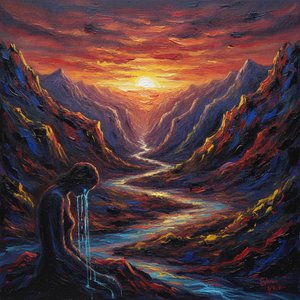
Capturing Emotion: A Journey Through the Soul of Expressionist Landscapes
Explore the profound emotional depth of Expressionist landscapes. Discover how Post-Impressionist masters moved beyond light to capture the soul through vibrant color and form. A curated journey for true art lovers seeking the beauty of expressive mastery.

Capturing the Soul: The Most Emotionally Moving Impressionist and Post-Impressionist Masterpieces
Discover the profound emotional depth of Impressionist and Post-Impressionist masterpieces. Explore how legends like Monet, Van Gogh, and Gauguin captured light and soul through evocative landscapes and vibrant brushwork for a timeless connection to art history.
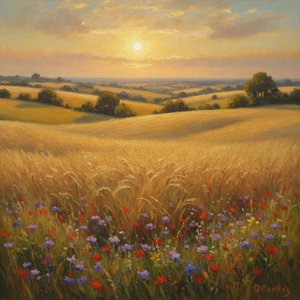
Golden Fields & Sun-Drenched Meadows: Capturing the Soul of Impressionist Landscapes
Immerse yourself in the luminous world of Impressionist landscapes. Discover how masters like Monet and Gauguin captured ephemeral light through plein air painting, and learn to bring the soul of sun-drenched meadows into your home with exquisite, hand-painted oil reproductions.

The Beauty of Impermanence: Capturing Decay through Impressionist Eyes
Explore the profound beauty of impermanence through Impressionist and Post-Impressionist eyes. Discover how masters like Monet and Van Gogh captured fleeting light and the poetic essence of nature's transitions in our deep dive into art history and emotional landscapes.