

Shown: · With its frame:
 Preview
 Send
Send Share
Share
 Details
 Guide
Guide

 Download
 Similars
 X-Ray
X-Ray Diaporama
 Q&A
Q&A Stats
Stats


$ 269
Hand Made Oil Reproduction
Hand-painted oil on canvas in your size and frame, made to order by our artists. ( Switch to Print Switch to Digital Image)
Size
·Standard
custom
CM
INCH
Pick from our preset sizes that match the artwork's original proportions.
Loading sizes...

width
height
Type the width and the height you need, to fit your frame or your wall. This is hand-painted, so for a size with a different shape the artist can paint a bit more around the picture, or cut a bit — you choose. We send you a digital mockup to approve before the painting starts. The picture shown on this page does not show the real result — only the mockup does.
 Read more
Finish
·
White $1

Blurside $1

Extended $1

P118B $10

P118H $10

P118W $10

P438Z $10

P508JH $12

P508YH $12

P805H $10

P805Z $10

P919BZ $10

P919G $10

P919XJ $10

P959ZH $10

P968JZ $12

W106C $8

W218G $10

W218JH $8

W218Y $10

W307PJ $10

W316G $10

W316PJ $8

W316Y $10

W398PJ $8

W4111J $10

W500HY $15

W500JH $15

W692G $12

W849H $8

W940BG $15

W953PJ $8

H24-GOLD $30

H24-SILVER $30

H36-GOLD $45

H36-SILVER $45
Shipped in a protective tube, ready for your own framer.
Above 105 cm the frame is shipped as a kit for a professional framer — read the details.
Extras
optionalWhat do the extras include?
Examples of what can be changed: Replace face with customer photo; Add pet (e.g., replace cat with dog); Include hidden message in background; Change background landscape or elements.
After order, TopImpressionists.com team will email client for instructions and provide a mockup preview
After order, TopImpressionists.com team will email client for instructions and provide a mockup preview
Worldwide Delivery () in 3/4 weeks instead of standard 5 weeks. (1 November). No compromise on quality.
Protective Varnish
Nameplate
Engraved Bronze Plaque Details
This elegant plaque features the artist's name and the title of the artwork, finely engraved for a timeless presentation.
It is made from bronze with a refined, elegant finish. The text is precisely laser-engraved for a sharp and permanent result. Measuring 9x2 cm, the plaque is compact yet easy to read. It's built to be durable and scratch-resistant, offering a professional, museum-quality look. Mounting is simple thanks to the included adhesive backing.
Transparent Acrylic Plaque Details
The plaque includes essential engraved details such as the artist's name, the title of the artwork, the date it was created, the type of media used-like oil on canvas or watercolor-a brief description of the piece, and a QR code that links to the complete artwork information.
It is crafted from clear acrylic, offering a sleek, modern appearance. The text is UV-engraved in black to ensure strong visual contrast. With a size of 10x15 cm, it ensures optimal readability. It comes equipped with two metal hooks for secure wall mounting. The plaque is designed to be weather-resistant, making it suitable for various environments, and it includes interactive features that work seamlessly with smartphone scanning.
Black Acrylic Plaque Details
This elegant plaque includes engraved information such as the artist's name, the title of the artwork, the date it was created, the type of media used (like oil on canvas or watercolor), a short description of the artwork, and a QR code for quick access to more information.
The plaque itself is made from refined black acrylic with a premium finish. The text is laser-engraved in white for high contrast and readability. Its size is 10x15 cm, designed to be easy to read. It comes with two metal hooks for professional mounting. The design is sleek and fits any interior style. It is also weather-resistant and durable, with built-in digital integration for mobile compatibility.
Glass option is only available in size under 110 CM
 Glass option is only available in size under 110 CM
- Free Worldwide Express Shipping
- High-Quality Linen Canvas
- Full Shipping Insurance
- Customs Tax Refund Guarantee
- True Color Matching Guarantee
- 100-Day Return Policy (Defects Only)
- 100% Money-Back Guarantee
- Bulk Discount Offer


Collectible Description
Experience the elegance of Rococo art! Giovanni Domenico Tiepolo's 'Minuet,' painted in 1756, captures a lively Venetian ballroom scene with vibrant colors and masterful composition.
Artist Biography
Discover Giovanni Domenico Tiepolo, Rococo master & son of Giovanni Battista! Explore his Venetian frescoes & mythological paintings showcasing elegance & artistry.
About the painting
A Symphony of Grace: The Rococo Splendor of Tiepolo’s Minuet
In the delicate dance of light and shadow, Giovanni Domenico Tiepolo’s 1756 masterpiece, "Minuet," invites the viewer into a world where the boundaries between the earthly and the divine dissolve. As a quintessential emblem of the Rococo movement, this work captures the very essence of eighteenth-century aristocratic elegance—a period defined by a thirst for frivolity, idealized beauty, and theatrical grandeur. To gaze upon this canvas is to step into the opulent social spheres of the Habsburg court, where every gesture is choreographed with refinement and every hue whispers of luxury. The painting does not merely depict a dance; it orchestrates an immersive experience, pulling the observer into a rhythmic celebration of life itself.
The composition is a masterclass in the Rococo aesthetic, characterized by its rejection of Baroque solemnity in favor of playful asymmetry and a luminous, pastel-driven palette. Tiepolo employs a breathtaking array of delicate creams, blush pinks, and shimmering golds that seem to glow from within, mirroring the sumptuous silks and intricate ornamentation found in the grandest European interiors. Through the expert use of trompe l'oeil techniques, the artist subtly blurs the lines between the painted surface and architectural reality, creating an illusionistic depth that makes the grand classical structures feel as though they are expanding into the viewer's own space. The light does not simply illuminate the figures; it dances across them, lending a palpable sense of atmosphere and movement to the entire scene.
Mythological Echoes and Symbolic Grandeur
Beyond its surface-level charm, "Minuet" is deeply interwoven with the mythological narratives that provided the intellectual backbone of the era. At the heart of this graceful ballet stands a statue of Diana, the goddess of hunting and chastity. This inclusion serves as a profound symbol of virtue and nobility, acting as a silent, watchful guardian over the festivities. The dancers and musicians, arranged in a rhythmic semi-circle, are positioned within an architectural setting reminiscent of ancient Roman temples, a deliberate choice by Tiepolo to ground the ephemeral joy of the dance in the eternal ideals of classical harmony and proportion. This juxtaposition suggests that even the most fleeting moments of human pleasure can be imbued with divine significance.
For the discerning collector or interior designer, "Minuet" offers more than just visual beauty; it provides a profound emotional resonance. The painting captures a sense of exuberant optimism and the effortless poise of a bygone era. Whether placed in a sun-drenched gallery or as a focal point in a sophisticated living space, a high-quality reproduction of this work brings with it an air of historical prestige and timeless sophistication. It is a piece that invites conversation, evoking the spirit of an age where art was a celebration of light, movement, and the enduring pursuit of grace.
Questions & Answers
What is the overall mood of "Minuet" by Giovanni Domenico Tiepolo?
"Minuet" by Giovanni Domenico Tiepolo is described as elegant in mood. This classification can help match the work to a setting.
Where in Giovanni Domenico Tiepolo's career does "Minuet" fall, given its date?
"Minuet", created in 1756, belongs to the Mature Period of Giovanni Domenico Tiepolo's career.
Which artist and which style stand behind "Minuet"?
"Minuet" was created by Giovanni Domenico Tiepolo in the Rococo Style style. Artist and movement identify the work's tradition.
Quick facts and art quiz
About Giovanni Domenico Tiepolo
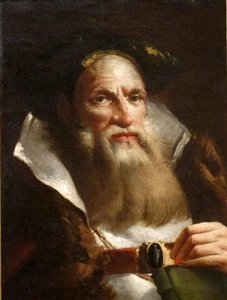
Giovanni Domenico Tiepolo
2007 - 1770, Italy
Artist Biography
Giovanni Domenico Tiepolo: A Master of Rococo Frescoes
Giovanni Domenico Tiepolo (August 30, 1727 – March 3, 1804) was a prominent Italian painter and printmaker from the Republic of Venice. He is recognized as a leading figure in the Rococo style, inheriting and expanding upon the legacy of his renowned father, Giovanni Battista Tiepolo. His career spanned several decades, leaving behind a rich body of work characterized by vibrant colors, dynamic compositions, and elegant depictions of mythological scenes, portraits, and landscapes.
Early Life and Training
Born into an artistic family, Giovanni Domenico’s early life was deeply intertwined with the world of art. His father, Giovanni Battista Tiepolo, a celebrated painter known for his monumental frescoes, served as his primary mentor. Giovanni Domenico received rigorous training under his father's guidance, learning the techniques and stylistic nuances that would shape his own artistic development. He also benefited from exposure to other notable artists of the time, including Sebastiano Ricci and Federico Bencovich, further broadening his artistic horizons. As a young man, he frequently assisted his father on large-scale projects, gaining invaluable practical experience in fresco painting.
Artistic Career and Style
Giovanni Domenico’s career flourished throughout the 18th century. He established himself as a skilled artist capable of producing both independent works and contributing to collaborative projects. While initially working closely with his father, he gradually developed his own distinct style, though retaining elements of the Rococo aesthetic prevalent in Venetian art at the time. His artistic output included frescoes, paintings on canvas, and etchings.
- Frescoes: Tiepolo was particularly renowned for his frescoes, decorating numerous locations throughout Italy with elaborate scenes. Notable examples include the frescoes at Ca' Dolfin on the Grand Canal in Venice and the ceiling of the Gesuati (Santa Maria del Rosario) church, also in Venice.
- Paintings: Beyond frescoes, he created a significant number of paintings on canvas, often depicting mythological subjects or portraits. Examples include "Perseus and Andromeda" (view here), “The Rape of Europa” (view here) and "Hunter with Deer" (view here).
- Etchings: Tiepolo also demonstrated his skill in etching, creating detailed and expressive prints such as "Die heiligen Augustinus, Ludwig von Frankreich, Johannes Evangelist und Magnus" (view here) and “Apotheosis of Hercules” (view here).
Historical Significance
Giovanni Domenico Tiepolo played a crucial role in the continuation and evolution of Venetian Rococo art. While overshadowed by his father’s fame during his lifetime, he is now recognized as a significant artist in his own right. His frescoes and paintings offer valuable insights into the artistic tastes and cultural values of 18th-century Venice and Italy. His ability to blend classical themes with contemporary sensibilities solidified his place within the Rococo movement, leaving behind a legacy of vibrant artistry that continues to captivate audiences today.
Quick facts about Giovanni Domenico Tiepolo
- Full Name: Giovanni Domenico Tiepolo
- Nationality: Italian
- Date Of Birth: 2007
- Date Of Death: 1770
- Place Of Birth: Venice, Italy
- Notable Artworks:
- Perseus and Andromeda
- The Rape of Europa
- Hunter with Deer
- Die heiligen Augustinus
- Apollo and Diana
- Apotheosis of Hercules
- Artistic Movement Or Style: Rococo
- Artists Who Influenced This Artist: ['Giovanni Battista Tiepolo']
Explore artworks organized by themes, styles, and characteristics.


Giovanni Domenico Tiepolo
Minuet
() ·
With its frame: · Hand-painted in oil on linen
Total