The Visionary Lens of Otto Stupakoff
Otto Stupakoff (1935 – 2016) stands as a cornerstone in the history of Brazilian visual culture, particularly within the realm of fashion photography. Born in Rio de Janeiro amidst the vibrant energy of Brazil’s artistic landscape, Stup andakoff's career spanned decades and cemented his reputation as one of the nation’s foremost stylists, capturing iconic moments and shaping perceptions of beauty and glamour. His work was never merely about documenting passing trends; it was a profound exploration of emotion, light, and human connection—elements that continue to resonate with contemporary audiences seeking authenticity within the polished veneer of high fashion.
Stupakoff's formative years were steeped in Brazilian artistic traditions, absorbing the stylistic nuances of Surrealism and Expressionism through his exposure to European avant-garde movements. This intellectual grounding would profoundly inform his photographic approach, prioritizing mood and atmosphere over sterile technical precision. His lens possessed an uncanny ability to convey emotion through stillness, a quality that elevated his subjects from mere models to symbols of timeless elegance. Beyond his professional triumphs, his personal life was marked by a deep connection to the world of beauty; married to Margareta Arvidsson, Miss Universe 1966, Stupakoff established a family life that nurtured creativity alongside personal fulfillment.
A Legacy of Glamour and Global Influence
The professional trajectory of Otto Stupakoff gained significant momentum through his prestigious collaborations with the world's most influential fashion publications, including Vogue and Harper’s Bazaar. These partnerships allowed him to hone a distinctive visual language characterized by soft lighting, subtle compositions, and a captivating realism. He skillfully captured the essence of Brazilian glamour, elevating figures such as Marisa Berenson, Bia Rocha, and Iêda Maria Vargas into icons of sophistication. His ability to blend the documentary style with a high-fashion aesthetic allowed him to document not just clothing, but the very spirit of an era.
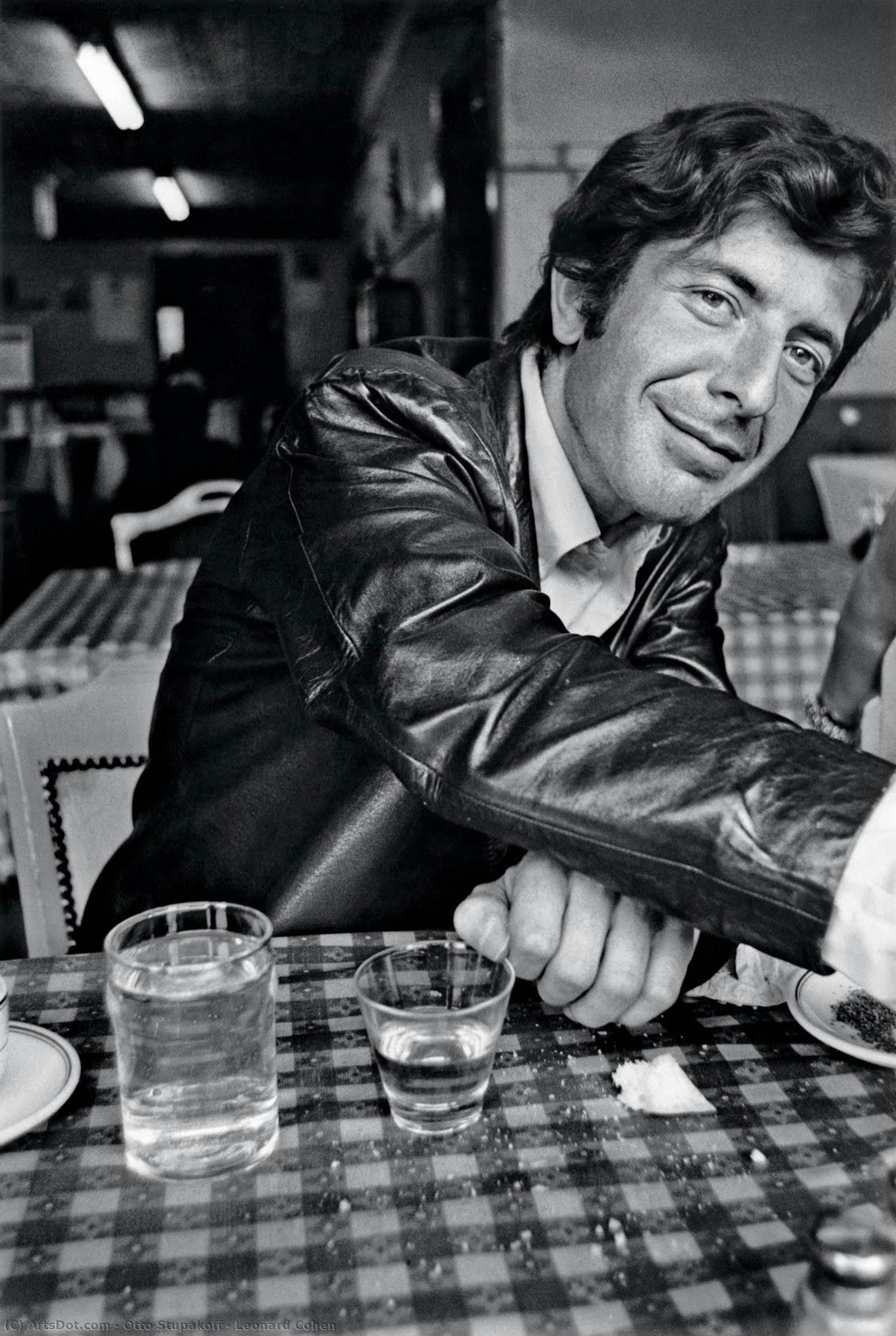
His portfolio serves as a breathtaking archive of 20th-century stardom and intimacy. Through his work, we encounter legendary figures in moments both staged and spontaneous:
- The Cinematic Presence: His striking studio portraits of actors like Omar Sharif utilized dramatic lighting to showcase the raw presence and magnetism of the star.
- Candid Intimacy: In works such as 'Betsy e Johnas', Stupakoff demonstrated a mastery of candid realism, capturing poignant, private moments that felt deeply human.
- The Essence of Freedom: His 1967 black and white photograph of Sharon Tate captures a carefree beach scene, blending the documentary style with the high-fashion aesthetic of Harper's Bazaar to create an enduring image of youthful vitality.
Historical Significance and Artistic Impact
Stupakoff’s contribution to photography extends far beyond the borders of Brazil. By documenting designers such as Clodovil Hernan and working alongside international models, he helped integrate Brazilian fashion into the global consciousness. His work bridged the gap between the commercial necessity of fashion photography and the expressive depth of fine art. He did not simply photograph a garment; he photographed the way light fell upon silk, the way a shadow defined a cheekbone, and the way a gaze could hold a viewer captive.
Today, the legacy of Otto Stupakoff remains a vital touchstone for photographers and historians alike. His ability to find the soul within the spectacle ensures that his images are not merely relics of the past, but living pieces of art that continue to inspire awe. He remains a pioneer who taught us that true glamour is found not in perfection, but in the evocative power of a single, perfectly captured moment.


 Preview
 Switch to hand made Painting
 Send
Send Share
Share
 Details

 Download
 Similars
 X-Ray
X-Ray Diaporama

 Read More






































 Glass option is only available in size under 110 CM



