Vista previa
 Compartir
 Compartir
 Ver detalles
 Guía
Guía

 Descargar
 Ver artículos similares
 Radiografía
 Presentación de diapositivas
 Estadísticas
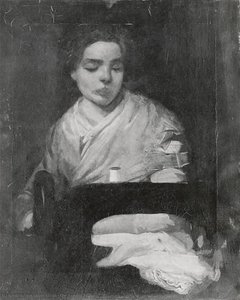
La Costurera
 Óleo sobre lienzo
- Arte de pared
- Early American Impressionism
 1901
1901- Siglo XIX
 48.0 x 41.0 cm
 Museo Metropolitano de Arte
Descubre 'La Costurera' de John Sloan, una obra maestra del Ashcan School que captura la vida cotidiana y la introspección en una grises evocadora. Un retrato íntimo de la vida americana.
 Leer más
¿Quién fue John Sloan? Descubre este pintor clave de la Escuela Ashcan y el Realismo Estadounidense. Admira sus escenas urbanas evocadoras y su compromiso con la representación de la vida cotidiana.
Giclée / Impresión de arte
Impresiones giclée o en lienzo de calidad de museo con producción rápida y opciones de acabado flexibles. ( Encargar reproducción pintada a mano Ver versión en imagen digital)




P118B €10

P118H €10

P118W €10

P438Z €10

P508JH €12

P508YH €12

P805H €10

P805Z €10

P919BZ €10

P919G €10

P919XJ €10

P959ZH €10

P968JZ €12

W106C €8

W218G €10

W218JH €8

W218Y €10

W307PJ €10

W316G €10

W316PJ €8

W316Y €10

W398PJ €8

W4111J €10

W500HY €15

W500JH €15

W692G €12

W849H €8

W940BG €15

W953PJ €8




Estándar
personalizado
CM
INCH
Elija entre nuestros tamaños predefinidos que respetan las proporciones originales de la obra.
Loading sizes...

ancho
altura
Introduzca el ancho y el alto que necesite para adaptarse a su marco o pared. Una impresión solo puede recortarse, nunca hacerse más grande que la imagen original, por lo que un tamaño con una forma distinta perderá parte de la obra. Le enviaremos una maqueta digital para su aprobación antes de realizar cualquier impresión. La imagen que se muestra en esta página no refleja el recorte real; solo la maqueta lo hace.
Envío a todo el mundo () en 2 semanas en lugar de las 4/5 semanas estándar. (24 octubre)

Envío exprés gratuito a todo el mundo

Lienzo de lino de alta calidad

Seguro de envío completo

Garantía de reembolso de impuestos aduaneros

Garantía de fidelidad cromática exacta

Política de devolución de 100 días (solo por defectos)

Garantía de devolución del 100% del dinero

Oferta por volumen
 La opción de vidrio solo está disponible en tamaños inferiores a 110 cm.

La Costurera
Giclée / Impresión de arte
Tamaño de la reproducción
-


Precio total
€ 61
La Mujer Cosedora: Un Reflejo de la Vida Cotidiana en el Amanecer del Siglo XX
“La Mujer Cosedora” (The Sewing Woman), pintada por John French Sloan en 1901, no es simplemente una representación de una escena doméstica; es un retrato sutil y conmovedor de la vida cotidiana en la Nueva York a principios del siglo XX. La obra, con sus tonos grises cuidadosamente equilibrados, nos invita a contemplar la quietud y la introspección de una mujer absorta en su tarea, un acto aparentemente simple que encierra una profunda carga emocional y social. Sloan, figura clave del Ashcan School, se distingue por su capacidad para capturar la realidad urbana con honestidad y sensibilidad, alejándose de los idealizados paisajes románticos de su época.
La composición, notablemente centrada en la figura femenina, nos obliga a una inmersión inmediata en su mundo. La elección de un encuadre ajustado, que elimina el contexto inmediato y dirige toda nuestra atención hacia ella, crea una sensación de intimidad y aislamiento. El uso deliberadamente informal de la disposición, como si fuera una observación casual, transmite una autenticidad que contrasta con las representaciones más formales y estilizadas de la época. Sloan no busca glorificar o idealizar; simplemente presenta a una mujer en su entorno, trabajando diligentemente.
La Técnica Impresionista: Texturas y Luces Difusas
El tratamiento técnico de “La Mujer Cosedora” es fundamental para comprender su impacto visual. La paleta monocromática, dominada por los grises en toda su gama tonal, no es un mero recurso estilístico; es una herramienta poderosa que intensifica la atmósfera melancólica y contemplativa de la obra. Sloan emplea capas finas de pintura grisácea, construyendo cuidadosamente el volumen y las sombras a través de esta técnica de “wash” o lavado. Esto crea una textura visible en la superficie del lienzo, un sutil relieve que añade profundidad y riqueza visual al cuadro.
La iluminación, suave y difusa, evoca la luz natural filtrada por las ventanas de una habitación doméstica. Las sombras son delicadas y modelan con precisión la figura de la mujer, resaltando sus rasgos y creando una sensación de tridimensionalidad. El artista evita los contrastes dramáticos, favoreciendo un ambiente de quietud y serenidad. La técnica impasto, aunque sutil, se aprecia en las pinceladas que definen la ropa y el rostro de la mujer, aportando una cualidad orgánica a la imagen.
Un Fragmento de Vida Laboral: Contexto Histórico y Simbolismo
“La Mujer Cosedora” nos transporta a un momento crucial en la historia de Estados Unidos. A principios del siglo XX, las mujeres desempeñaban un papel fundamental en el hogar y en la economía familiar, dedicando gran parte de su tiempo a tareas domésticas como la costura. Esta escena, capturada por Sloan a través de una ventana de su apartamento en Manhattan, refleja la realidad de muchas familias trabajadoras de la época, donde el trabajo era una necesidad y la vida cotidiana estaba marcada por la laboriosa rutina.
La imagen, inspirada en la observación directa del artista, se alinea con las preocupaciones sociales de Sloan, un artista comprometido con la representación de la vida obrera. Su interés en los temas sociales y su habilidad para retratar personajes comunes y corrientes lo convierten en una figura clave del realismo americano. La mujer cosedora no es solo una imagen; es un símbolo de la fuerza, la resiliencia y el trabajo duro de las mujeres estadounidenses.
Emociones Silenciosas: Interpretación y Conexión
Más allá de su valor documental, “La Mujer Cosedora” evoca una profunda sensación de soledad y contemplación. La postura de la mujer, absorta en su tarea, sugiere un estado de introspección y quizás incluso de cansancio. El silencio que rodea la escena es palpable, invitándonos a imaginar sus pensamientos y emociones. Sloan no nos ofrece respuestas fáciles; simplemente nos presenta una imagen que invita a la reflexión sobre la condición humana, la vida cotidiana y el significado del trabajo.
La obra, con su atmósfera melancólica y su enfoque en la vida ordinaria, sigue siendo relevante hoy en día. Nos recuerda la importancia de valorar las tareas cotidianas, la dignidad del trabajo y la complejidad de las vidas humanas. Una reproducción de alta calidad de “La Mujer Cosedora” no solo embellecerá un espacio interior; también nos conectará con una pieza clave de la historia del arte americano y nos invitará a contemplar el mundo que nos rodea con mayor atención y sensibilidad.
Preguntas y respuestas
¿Qué tono emocional acompaña al estilo Early American Impressionism de "La Costurera"?
Dentro del movimiento Early American Impressionism, "La Costurera" está plasmada con un tono Melancólico.
¿Qué tono predominante recorre "La Costurera" de John French Sloan?
"La Costurera" se inclina hacia un tono Espectro del verde al violeta.
¿Cómo se realizó "La Costurera" y cuáles son sus dimensiones?
La técnica de "La Costurera" de John French Sloan es Óleo sobre lienzo y sus dimensiones registradas son 48 x 41 cm.
Biografía del artista
Early Life and Artistic Awakening
John French Sloan, born August 2, 1871, in Lock Haven, Pennsylvania, emerged from humble beginnings that profoundly shaped his artistic vision. His childhood was marked by a familial need for support; his father’s struggles with mental health necessitated young John taking on responsibilities beyond his years. This early exposure to the realities of working-class life—a world often overlooked by the established art circles—would become a defining characteristic of his oeuvre. He moved with his family to Philadelphia, where he honed his skills initially not through formal academic training, but as an assistant cashier at Porter and Coates, a bookstore brimming with prints and illustrations. This environment proved formative; it allowed him to study masters like Dürer and Rembrandt, fostering a deep appreciation for draftsmanship and etching techniques. It was here, amidst the commerce of printed images, that Sloan began creating his own art, quietly developing a style rooted in observation and meticulous detail. His early work wasn’t born from privilege or leisure, but from necessity and a keen eye for the world around him—a foundation upon which he would build a remarkable career.The Ashcan School and Urban Realism
Sloan's trajectory shifted dramatically with his encounter with Robert Henri, a charismatic painter who championed artistic independence and a commitment to portraying everyday life. This connection led Sloan to the heart of what became known as the Ashcan School—a group of artists dedicated to depicting the gritty realities of turn-of-the-century New York City. Alongside William Glackens, George Luks, Everett Shinn, and others, Sloan rejected the idealized landscapes and portraits favored by many of their contemporaries, instead turning their attention to the bustling streets, crowded tenements, and vibrant social life of the city’s poorer neighborhoods. His work became a visual chronicle of this often-ignored world—capturing scenes from McSorley's Bar to women drying their hair on rooftops. Sloan wasn’t merely documenting; he was imbuing these scenes with a sense of empathy and dignity, elevating the lives of ordinary people onto the canvas. He possessed an uncanny ability to capture the *essence* of neighborhood life, the subtle gestures and fleeting moments that revealed the character of a place and its inhabitants. This commitment to realism wasn’t simply aesthetic; it was also informed by his socialist leanings, though he always maintained a distinction between his art and his political beliefs.Style and Influences
Sloan's artistic style is characterized by a distinctive blend of influences. While rooted in realism, his work wasn’t devoid of stylistic nuance. He employed dark, rich hues—often emphasizing the contrast between light and shadow—to create a sense of drama and atmosphere. His compositions were carefully constructed, often utilizing strong diagonals to draw the viewer's eye into the scene. The influence of etching is evident in his precise linework and attention to detail, even in his paintings. Beyond Henri, Sloan drew inspiration from European masters like Edgar Degas and Honoré Daumier, admiring their ability to capture movement and social commentary. However, he forged a uniquely American voice, one that resonated with the energy and dynamism of New York City. His work wasn’t about grand narratives or historical events; it was about the small moments, the everyday experiences that constituted the fabric of urban life. He found beauty in the mundane, transforming ordinary scenes into compelling works of art. Wake of the Ferry, for example, exemplifies his ability to imbue a seemingly simple scene with emotional depth and symbolic resonance.Legacy and Lasting Impact
John French Sloan’s legacy extends far beyond his contributions to the Ashcan School. He was a prolific artist who worked in various mediums—painting, etching, lithography, drawing—and consistently explored themes of urban life, social justice, and human connection. His commitment to portraying the realities of working-class America paved the way for future generations of artists who sought to challenge conventional artistic norms and engage with social issues. He was a dedicated teacher, sharing his knowledge and passion with countless students throughout his career. Even as artistic tastes evolved, Sloan remained true to his vision, continuing to paint scenes that reflected his deep connection to New York City and its people. His work continues to resonate today, offering a poignant glimpse into a bygone era and reminding us of the enduring power of art to illuminate the human condition. His paintings are not merely historical documents; they are timeless portraits of life, love, and loss. Sloan’s influence can be seen in the works of subsequent realist painters and continues to inspire artists who seek to find beauty and meaning in the everyday world.
John French Sloan
1871 - 1951 , Estados Unidos
Datos clave
- Artistic Movement Or Style: Ashcan School, Realism
- Artists Or Movements Influenced By This Artist: ['Future generations']
- Artists Who Influenced This Artist: ['Robert Henri']
- Date Of Birth: August 2, 1871
- Full Name: John French Sloan
- Nationality: American
- Notable Artworks:
- Wake of the Ferry
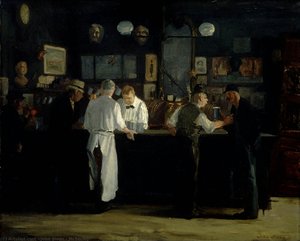
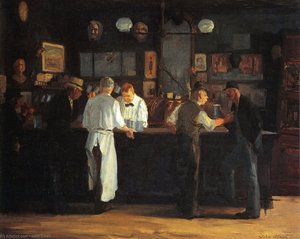
- McSorley’s Bar
- Place Of Birth: Lock Haven, USA
Artículos relacionados
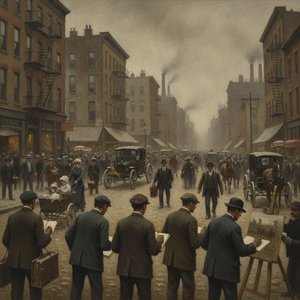
The Ashcan School: Capturing the Raw, Unfiltered Soul of Urban Life through American Realism
Discover the raw beauty of the Ashcan School. Explore how masters like Bellows and Henri captured the gritty, vibrant soul of early 20th-century New York through profound American Realism and evocative urban landscapes.

The Unvarnished Truth: A Cultural Journey Through the Soul of American Realism
Explore the profound beauty of American Realism. From the Ashcan School's urban grit to intimate portraits, discover how artists captured the authentic soul of a nation through unvarnished truth and masterful observation.
Explore obras de arte organizadas por temas, estilos y características.