


 Ver en contexto
 Enviar
 Compartir
 Detalles
 Guía
Guía

 Descargar
 Similares
 Radiografía
 Presentación de diapositivas
 Estadísticas
Antibes


Pierre-Auguste Renoir capturó la belleza del Mediterráneo en 'Antibes', una obra maestra impresionista que refleja luz y color con pinceladas suaves y equilibrio compositivo. Descubre este icono artístico.
 Ver más
Explore el vibrante mundo de Pierre-Auguste Renoir (1841-1919), un destacado pintor impresionista celebrado por sus luminosas retratos, escenas de la vida parisina y la belleza femenina. Descubre su legado y las contribuciones artísticas de su familia.
Giclée / Impresión de arte
Impresiones giclée o en lienzo de calidad de museo con producción rápida y opciones de acabado flexibles. ( Comprar pintura hecha a mano Cambiar a imagen digital)




P118B €10

P118H €10

P118W €10

P438Z €10

P508JH €12

P508YH €12

P805H €10

P805Z €10

P919BZ €10

P919G €10

P919XJ €10

P959ZH €10

P968JZ €12

W106C €8

W218G €10

W218JH €8

W218Y €10

W307PJ €10

W316G €10

W316PJ €8

W316Y €10

W398PJ €8

W4111J €10

W500HY €15

W500JH €15

W692G €12

W849H €8

W940BG €15

W953PJ €8




Tamaño estándar
a medida
CM
INCH
Elija entre nuestros tamaños predefinidos que respetan las proporciones originales de la obra.
Loading sizes...

ancho
altura
Introduzca el ancho y el alto que necesite para adaptarse a su marco o pared. Una impresión solo puede recortarse, nunca hacerse más grande que la imagen original, por lo que un tamaño con una forma distinta perderá parte de la obra. Le enviaremos una maqueta digital para su aprobación antes de realizar cualquier impresión. La imagen que se muestra en esta página no refleja el recorte real; solo la maqueta lo hace.
Envío a todo el mundo () en 2 semanas en lugar de las 4/5 semanas estándar. (25 octubre)

Envío exprés gratuito a todo el mundo

Lienzo de lino de alta calidad

Seguro de envío total

Garantía de reembolso de aranceles aduaneros

Garantía de fidelidad cromática exacta

Política de devolución de 100 días (solo por defectos)

Garantía de devolución del 100% del dinero

Descuento por cantidad
 La opción de vidrio solo está disponible en tamaños inferiores a 110 cm.

Antibes
Giclée / Impresión de arte
Dimensiones de la reproducción
-


Precio total final
€ 61
Una Sinfonía de Luz y Serenidad Mediterránea
En la era dorada de la Belle Époque, pocos artistas poseían la capacidad de traducir la danza efímera de la luz solar en pigmento permanente con tanta maestría como Pierre-Auguste Renoir. Su obra maestra de 1893, Antibes, sirve como una ventana impresionante al alma de la Riviera Francesa, capturando mucho más que una mera ubicación geográfica. Esta obra es una encarnación exquisita del Impresionismo, un movimiento que Renoir ayudó a definir al priorizar la experiencia sensorial de un momento por encima de las rígidas limitaciones del realismo fotográfico. Al contemplar este lienzo, uno no solo observa un paisaje; se le invita a sentir el calor del sol provenzal y a escuchar el suave susurro de los olivos meciéndose con una delicada brisa costera.
La pintura presenta una composición exuberante y estratificada que guía al espectador a través de un tranquilo paisaje onírico mediterráneo. En el primer plano, un escarpado afloramiento rocoso y un muro de piedra desgastado proporcionan una presencia táctil y sólida, con superficies texturadas por las características pinceladas fragmentadas de Renoir. Estas pinceladas no son simples marcas de pintura, sino capas deliberadas de verde, amarillo y ocre diseñadas para simular la forma en que la luz se filtra a través del denso follaje. Esta técnica crea un efecto brillante, donde la luz moteada del sol parece moverse sobre las piedras musgosas y las hojas verdes, dotando al paisaje inanimado de una vida vibrante y palpitante.
El Arte de la Técnica y la Atmósfera Impresionista
La destreza técnica de Renoir es más evidente en su manejo de la luz y la atmósfera. En lugar de utilizar contornos marcados, emplea bordes suaves y una paleta luminosa para fundir los elementos de la naturaleza en una experiencia emocional cohesiva. Las montañas distantes y el cuerpo de agua centelleante —quizás un lago sereno o una tranquila ensenada del mar— están representados con una cualidad brumosa y etérea que sugiere profundidad e infinita distancia. Esta perspectiva atmosférica crea una sensación de paz profunda, atrayendo la mirada hacia el horizonte donde el cielo se encuentra con la tierra en un suave abrazo bañado por el sol.
Más allá del paisaje en sí, la inclusión de figuras dispersas añade una conmovedora capa narrativa a la obra. Estas personas pequeñas y delicadamente representadas, aparentemente capturadas en un momento de ocio o en un tranquilo picnic, infunden la escena con un sentido de conexión humana y la alegría de la vida cotidiana. Renoir captura las texturas de su vestimenta y el suave resplandor de la piel con una ternura que refleja su profundo afecto por la belleza de la forma humana y los placeres sencillos de la existencia. Esta sutil presencia humana evita que el paisaje se sienta desolado, convirtiéndolo, en cambio, en un santuario acogedor para la contemplación y el descanso.
Una Adición Atemporal para un Interior Sofisticado
Para el coleccionista de arte exigente o el diseñador de interiores, una reproducción de alta calidad de Antibes ofrece más que un simple atractivo estético; proporciona un ancla emocional para cualquier estancia. El equilibrio armonioso de la pintura entre los cálidos tonos tierra y los frescos azules mediterráneos la convierte en una pieza central versátil, capaz de realzar diversos estilos decorativos, desde la elegancia clásica francesa hasta el chic costero moderno. Posee la rara capacidad de transformar un espacio, infundiéndole un sentido de grandeza histórica y una energía tranquila y luminosa.
Poseer una pieza que evoca el espíritu de Renoir es una inversión en atmósfera. Ya sea colocada en un salón inundado de sol o en un estudio tranquilo, esta obra de arte sirve como un recordatorio constante de la belleza que se encuentra en los momentos fugaces. Es una celebración de la luz, un tributo al paisaje francés y una invitación atemporal a demorarse en el calor de una perpetua y dorada tarde.
Preguntas y respuestas
¿De qué manera se relacionan los colores de "Antibes" de Pierre-Auguste Renoir con su carga emocional?
"Antibes" de Pierre-Auguste Renoir combina una paleta de Tonos neutros con un tono Tranquilo.
¿Dónde puedo comprar reproducciones pintadas a mano de "Antibes" de Pierre-Auguste Renoir?
Puede solicitar una reproducción pintada a mano de "Antibes" de Pierre-Auguste Renoir directamente en su página de Reproducción al óleo pintada a mano: una reproducción al óleo pintada a mano sobre lienzo de lino, realizada bajo pedido.
¿Los colores de "Antibes" son intensos o suaves?
"Antibes" de Pierre-Auguste Renoir presenta una intensidad de color Equilibrado.
Obras relacionadas


Biografía del artista
vida temprana y carrera
pierre-auguste renoir, un artista francés fundamental, nació el 25 de febrero de 1841 en Limoges, Francia. Jugó un papel crucial a la hora de dar forma al movimiento impresionista, conocido por su luz vibrante y sus colores saturados. La obra de Renoir celebraba la belleza, particularmente la sensualidad femenina, colocándolo en una línea de artistas que se extendía desde Rubens hasta Watteau.legado artístico
El legado de Renoir se extendió más allá de su lienzo, como patriarca de una familia donde el arte florecía en diversas formas. Sus hijos, pierre renoir (1885–1952), el cineasta jean renoir (1894–1979) y el artista ceramista claude renoir (1901–1969), cada uno hizo contribuciones significativas en sus campos. Su nieto, el cineasta claude renoir (1913–1993), avanzó aún más la herencia artística de la familia.obras notables y museos
* dance at bougival, una pintura notable de Renoir, muestra su dominio para capturar la esencia del arte impresionista. * El musée des collettes, ubicado en Cagnes-sur-Mer, Francia, es un destino imprescindible para los amantes del arte. Este museo, que fue la casa de Pierre-Auguste Renoir, sirve como testimonio de su vida y obra, alberga quince de sus pinturas. * El musée maurice denis, otra joya oculta en Francia, presenta una impresionante colección de pinturas postimpresionistas franceses de finales del siglo XIX y principios del siglo XX.explora el arte de Renoir con TopImpressionists
- Descubre el encanto del musée des collettes (Francia) y su arte impresionista en TopImpressionists: [https://TopImpressionists.com/@@/a@d3aupf](https://TopImpressionists.com/@@/a@d3aupf)
- Explora las maravillas del musée maurice denis (Francia) con TopImpressionists: /es/art/show/art-d3aue3-es/
- Visualiza las pinturas de Renoir, incluyendo dance at bougival, en TopImpressionists: [https://TopImpressionists.com/@/pierre-auguste renoir](https://TopImpressionists.com/@/pierre-auguste%20renoir)

Pierre-Auguste Renoir
1841 - 1919 , Francia
Datos clave
- Artistas Que Influyeron:
- Rubens
- Watteau
- Camille Pissarro
- Édouard Manet
- Fecha De Fallecimiento: 3 de diciembre de 1919
- Fecha De Nacimiento: 25 de febrero de 1841
- Lugar De Nacimiento: Limoges, Francia
- Movimiento Artístico: Impresionismo
- Nacionalidad: Francés
- Nombre Completo: Pierre-Auguste Renoir
- Obras Notables:
- Baile en Bougival
- Almuerzo de la fiesta de remo
- Los grandes bañistas
- Dos hermanas
- Jóvenes tocando el piano
Artículos relacionados

The Beauty of Impermanence: Capturing Decay through Impressionist Eyes
Explore the profound beauty of impermanence through Impressionist and Post-Impressionist eyes. Discover how masters like Monet and Van Gogh captured fleeting light and the poetic essence of nature's transitions in our deep dive into art history and emotional landscapes.

Beyond the Light: Capturing Raw Emotion and Subjective Vision in Post-Impressionist Landscapes
Explore the profound emotional depth of Post-Impressionist landscapes. Discover how masters like Van Gogh moved beyond light to capture raw human feeling through vibrant color and expressive texture in this expert art history retrospective.
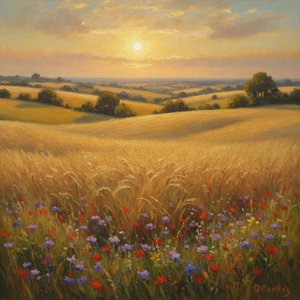
Golden Fields & Sun-Drenched Meadows: Capturing the Soul of Impressionist Landscapes
Immerse yourself in the luminous world of Impressionist landscapes. Discover how masters like Monet and Gauguin captured ephemeral light through plein air painting, and learn to bring the soul of sun-drenched meadows into your home with exquisite, hand-painted oil reproductions.

10 Obras Maestras del Impresionismo que Cambiaron el Arte para Siempre
Viaja a través de la luz y el color con las 10 obras maestras del impresionismo. Descubre la historia de Monet, Renoir y Manet en TopImpressionists.com, tu referente en reproducciones de alta calidad para decorar tu hogar con elegancia. ¡Explora la colección completa online!

Capturing the Soul: The Most Emotionally Moving Impressionist and Post-Impressionist Masterpieces
Discover the profound emotional depth of Impressionist and Post-Impressionist masterpieces. Explore how legends like Monet, Van Gogh, and Gauguin captured light and soul through evocative landscapes and vibrant brushwork for a timeless connection to art history.
Explore obras de arte organizadas por temas, estilos y características.


