


 Ver en contexto
 Enviar
 Compartir
 Detalles
 Guía
Guía

 Descargar
 Similares
 Radiografía
 Presentación de diapositivas
 Q&A
Q&A Estadísticas
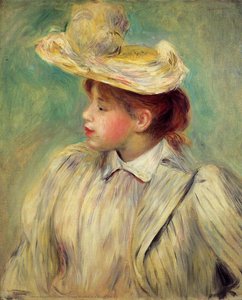
Lydia Sieligmann


Descubre la belleza etérea de 'Lydia Sieligmann' de Renoir, una obra maestra del impresionismo que captura la luz y el espíritu de una época dorada. Admira su delicadeza y serenidad.
 Ver más
Explore el vibrante mundo de Pierre-Auguste Renoir (1841-1919), un destacado pintor impresionista celebrado por sus luminosas retratos, escenas de la vida parisina y la belleza femenina. Descubre su legado y las contribuciones artísticas de su familia.
Giclée / Impresión de arte
Impresiones giclée o en lienzo de calidad de museo con producción rápida y opciones de acabado flexibles. ( Comprar pintura hecha a mano Cambiar a imagen digital)




P118B €10

P118H €10

P118W €10

P438Z €10

P508JH €12

P508YH €12

P805H €10

P805Z €10

P919BZ €10

P919G €10

P919XJ €10

P959ZH €10

P968JZ €12

W106C €8

W218G €10

W218JH €8

W218Y €10

W307PJ €10

W316G €10

W316PJ €8

W316Y €10

W398PJ €8

W4111J €10

W500HY €15

W500JH €15

W692G €12

W849H €8

W940BG €15

W953PJ €8




Tamaño estándar
a medida
CM
INCH
Elija entre nuestros tamaños predefinidos que respetan las proporciones originales de la obra.
Loading sizes...

ancho
altura
Introduzca el ancho y el alto que necesite para adaptarse a su marco o pared. Una impresión solo puede recortarse, nunca hacerse más grande que la imagen original, por lo que un tamaño con una forma distinta perderá parte de la obra. Le enviaremos una maqueta digital para su aprobación antes de realizar cualquier impresión. La imagen que se muestra en esta página no refleja el recorte real; solo la maqueta lo hace.
Envío a todo el mundo () en 2 semanas en lugar de las 4/5 semanas estándar. (31 octubre)

Envío exprés gratuito a todo el mundo

Lienzo de lino de alta calidad

Seguro de envío total

Garantía de reembolso de aranceles aduaneros

Garantía de fidelidad cromática exacta

Política de devolución de 100 días (solo por defectos)

Garantía de devolución del 100% del dinero

Descuento por cantidad
 La opción de vidrio solo está disponible en tamaños inferiores a 110 cm.

Lydia Sieligmann
Giclée / Impresión de arte
Dimensiones de la reproducción
-


Precio total final
€ 61
Un Glimpse into a Golden Age: Pierre-Auguste Renoir’s *Lydia Sieligmann*
Pierre-Auguste Renoir's 1917 portrait of *Lydia Sieligmann* transcends the simple depiction of a young woman; it embodies the enduring allure of Impressionism and stands as a testament to Renoir’s unparalleled mastery in capturing fleeting beauty. Currently residing within the walls of The Allen Memorial Art Museum in Oberlin, Ohio, this oil on canvas invites viewers into a world bathed in soft light, delicate color palettes, and an atmosphere of quiet contemplation—a sanctuary of serenity amidst the bustle of Parisian life. More than just a likeness, it’s a distillation of Renoir's artistic philosophy: to seize the ephemeral moment, the dance of light upon skin, the whisper of fabric, and the very essence of mood.
The painting’s foundation lies in Renoir’s unwavering commitment to the principles of Impressionism. Rejecting the rigid constraints of academic realism, he prioritized the subjective experience of perception—the way light and color interact to create an impression rather than a precise representation. *Lydia Sieligmann* exemplifies this approach through its loose, visible brushstrokes – a signature characteristic of the movement. These aren’t carefully blended lines designed for photographic accuracy; instead, they are vibrant, individual marks that coalesce to evoke a shimmering atmosphere. The canvas doesn't strive for sharp edges or photographic detail; it aims for *impression*—the feeling of sunlight warming skin, the subtle texture of silk, and the overall sense of peacefulness. The dominant hues – warm reds and yellows – contribute to an intimate and inviting scene, reminiscent of Renoir’s beloved depictions of Parisian cafes and gardens.
Portrait of an Era: Lydia Sieligmann
Lydia Sieligmann herself is a captivating subject, radiating a quiet confidence that immediately engages the viewer. Her direct gaze suggests both awareness and vulnerability, inviting us into her world. Adorned with a flower-laden straw hat – a symbol of summer leisure and feminine grace – and possessing flowing, unrestrained hair, she embodies the youthful vibrancy characteristic of the early 20th century. The background subtly hints at a garden setting, further enhancing the painting’s sense of natural beauty and tranquility. The composition is deliberately focused on Lydia, drawing our attention to her presence and creating an intimate connection. Renoir skillfully uses space to emphasize her importance within the scene, making her a focal point of immediate interest.
Historical Context & Renoir's Late Style
Painted in 1917, *Lydia Sieligmann* represents a pivotal moment in Renoir’s artistic journey. While he continued to refine his Impressionistic techniques – experimenting with color and light—there’s a noticeable shift towards a more lyrical and expressive style during this period. The painting reflects the changing social landscape of post-war Europe, capturing a sense of optimism and renewal. It's important to note that Renoir was increasingly interested in portraying women as independent and self-assured figures, challenging traditional representations of female subjects. The soft lighting and delicate colors contribute to an overall feeling of nostalgia—a longing for a bygone era of elegance and beauty. The painting’s mood is one of gentle melancholy, tempered by the promise of springtime.
Symbolism & Emotional Resonance
Beyond its technical brilliance, *Lydia Sieligmann* is rich in subtle symbolism. The flower-laden hat speaks to a sense of leisure and summer days, while the pink dress evokes femininity and grace. The direct gaze of Lydia suggests self-possession and intelligence. More profoundly, the painting captures a fleeting moment of beauty—a reminder of the ephemeral nature of life itself. Renoir’s masterful use of light and color creates an emotional resonance that transcends mere representation, inviting viewers to contemplate themes of youth, beauty, and the passage of time. It's a work that lingers in the memory long after viewing, prompting reflection on the enduring power of art to capture the essence of human experience.
Preguntas y respuestas
¿De dónde provienen los visitantes de "Lydia Sieligmann" de Pierre-Auguste Renoir?
La página Estadísticas de "Lydia Sieligmann" de Pierre-Auguste Renoir presenta las estadísticas de visitas públicas: visitas mensuales de esta obra, una comparación con las obras más vistas del artista y el origen de sus visitantes.
¿Qué tan luminosa es "Lydia Sieligmann" en su conjunto?
En cuanto a la luminosidad percibida, "Lydia Sieligmann" de Pierre-Auguste Renoir es brillante.
¿En qué espacio se recomienda colocar "Lydia Sieligmann" de Pierre-Auguste Renoir?
Se recomienda "Lydia Sieligmann" de Pierre-Auguste Renoir para un Salón principal. Esta sugerencia se basa en el tema, los colores y la atmósfera de la obra.
Obras relacionadas




Biografía del artista
vida temprana y carrera
pierre-auguste renoir, un artista francés fundamental, nació el 25 de febrero de 1841 en Limoges, Francia. Jugó un papel crucial a la hora de dar forma al movimiento impresionista, conocido por su luz vibrante y sus colores saturados. La obra de Renoir celebraba la belleza, particularmente la sensualidad femenina, colocándolo en una línea de artistas que se extendía desde Rubens hasta Watteau.legado artístico
El legado de Renoir se extendió más allá de su lienzo, como patriarca de una familia donde el arte florecía en diversas formas. Sus hijos, pierre renoir (1885–1952), el cineasta jean renoir (1894–1979) y el artista ceramista claude renoir (1901–1969), cada uno hizo contribuciones significativas en sus campos. Su nieto, el cineasta claude renoir (1913–1993), avanzó aún más la herencia artística de la familia.obras notables y museos
* dance at bougival, una pintura notable de Renoir, muestra su dominio para capturar la esencia del arte impresionista. * El musée des collettes, ubicado en Cagnes-sur-Mer, Francia, es un destino imprescindible para los amantes del arte. Este museo, que fue la casa de Pierre-Auguste Renoir, sirve como testimonio de su vida y obra, alberga quince de sus pinturas. * El musée maurice denis, otra joya oculta en Francia, presenta una impresionante colección de pinturas postimpresionistas franceses de finales del siglo XIX y principios del siglo XX.explora el arte de Renoir con TopImpressionists
- Descubre el encanto del musée des collettes (Francia) y su arte impresionista en TopImpressionists: [https://TopImpressionists.com/@@/a@d3aupf](https://TopImpressionists.com/@@/a@d3aupf)
- Explora las maravillas del musée maurice denis (Francia) con TopImpressionists: /es/art/show/art-d3aue3-es/
- Visualiza las pinturas de Renoir, incluyendo dance at bougival, en TopImpressionists: [https://TopImpressionists.com/@/pierre-auguste renoir](https://TopImpressionists.com/@/pierre-auguste%20renoir)

Pierre-Auguste Renoir
1841 - 1919 , Francia
Datos clave
- Artistas Que Influyeron:
- Rubens
- Watteau
- Camille Pissarro
- Édouard Manet
- Fecha De Fallecimiento: 3 de diciembre de 1919
- Fecha De Nacimiento: 25 de febrero de 1841
- Lugar De Nacimiento: Limoges, Francia
- Movimiento Artístico: Impresionismo
- Nacionalidad: Francés
- Nombre Completo: Pierre-Auguste Renoir
- Obras Notables:
- Baile en Bougival
- Almuerzo de la fiesta de remo
- Los grandes bañistas
- Dos hermanas
- Jóvenes tocando el piano
Artículos relacionados

Capturing Light and Life: The Soul of Impressionistic Realism and the Mastery of Color
Discover the luminous beauty of Impressionistic Realism. Explore how masters like Monet and Renoir captured light and emotion through color, and learn how to bring these timeless, hand-painted oil masterpieces into your home with museum-quality reproductions.

Luminous Gold: Capturing Sunlight and Radiance in Impressionist Masterpieces
Discover the ethereal beauty of Impressionism. Explore how masters like Monet and Van Gogh captured sunlight through luminous gold tones and rich impasto textures. Elevate your home with museum-quality, hand-painted reproductions curated for the discerning art lover.

Dining Room Elegance: Transforming Your Space with Impressionist Masterpieces
Elevate your dining room with the luminous beauty of Impressionist masterpieces. Discover how hand-painted Claude Monet and Renoir reproductions can transform your space into a sanctuary of light, color, and timeless elegance for your home.

Capturing the Soul: The Ethereal Magic and Timeless Technique of Impressionist Portraiture
Discover the ethereal beauty of Impressionist portraiture. Explore how masters like Monet and Renoir captured light and soul through brushwork, and learn how to bring this timeless magic into your home with exquisite, hand-painted oil reproductions from TopImpressionists.com.

Capturing the Drama: How Impressionist Light and Shadow Transform Your Living Space
Discover how the luminous light and dramatic shadows of Impressionist masterpieces can transform your home. Explore expert insights on using Renoir, Monet, and Cézanne to create a serene, culturally rich sanctuary through museum-quality, hand-painted oil reproductions.
Explore obras de arte organizadas por temas, estilos y características.


