

 Esikatselu
 Jaa teos
 Jaa
Jaa
 Tiedot
 Opas
Opas

 Lataa kuva
 Samanlaisia kohteita
 Röntgenkuvaus
 Diaesitys
 Kysymykset ja vastaukset
 Tilastot
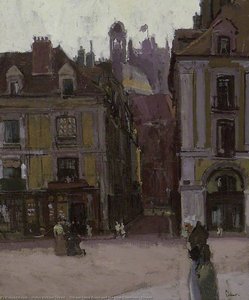
The Bar Parlour

- 104.0 x 158.0 cm


Explore 'The Bar Parlour' by Walter Richard Sickert – an evocative Impressionist painting capturing London nightlife and featuring three figures in a dimly lit bar setting.
 Lue lisää
Walter Sickert (1860-1942) oli brittiläinen taidemaalari, joka loi tyyliltään modernin ja kuului Camden Town -ryhmään. Hänen maalauksensa kuvaavat Lontoon elämää ja ihmisiä rohkeasti.
Giclée- ja taideprintit
Museolaatuisia giclée- tai kankaitaulun tulosteita nopealla tuotannolla ja joustavilla viimeistelyvaihtoehdoilla. ( Osta käsinmaalattu taideteos Siirry digitaaliseen kuvaan)




P118B €10

P118H €10

P118W €10

P438Z €10

P508JH €12

P508YH €12

P805H €10

P805Z €10

P919BZ €10

P919G €10

P919XJ €10

P959ZH €10

P968JZ €12

W106C €8

W218G €10

W218JH €8

W218Y €10

W307PJ €10

W316G €10

W316PJ €8

W316Y €10

W398PJ €8

W4111J €10

W500HY €15

W500JH €15

W692G €12

W849H €8

W940BG €15

W953PJ €8




Vakiokoko
räätälöity
CM
INCH
Valitse valmiista mitoistamme sellaiset, jotka vastaavat teoksen alkuperäisiä mittasuhteita.
Loading sizes...

leveys
korkeus
Syötä tarvitsemasi leveys ja korkeus, jotta tuloste sopii kehyksiisi tai seinällesi. Tulostetta voidaan vain leikata, sitä ei voida koskaan suurentaa alkuperäistä kuvaa suuremmaksi, joten eri muotoinen koko aiheuttaa osan kuvasta katoamisen. Lähetämme sinulle digitaalisen mallikuvan hyväksyttäväksi ennen kuin aloitamme tulostuksen. Tällä sivulla näkyvä kuva ei näytä lopullista rajausta — vain mallikuva näyttää sen.
Maailmanlaajuinen toimitus () 2 viikossa tavallisen 4–5 viikon sijaan. (5 marraskuu)

Ilmainen pikatoimitus ympäri maailman

Korkealaatuinen pellavakangas

Kattava kuljetusvakuutus

Tulliveron palautustakuu

Takuu täydellisestä värien vastaavuudesta

100 päivän palautusoikeus (vain valmistusvirheet)

100% rahat takaisin -takuu

Määräalennus tarjolla
 Lasivaihtoehto on saatavilla vain alle 110 cm kokoisille teoksille

The Bar Parlour
Giclée- ja taideprintit
Replikaatin koko
-


Kokonaishinta
€ 63
A Glimpse into London's Twilight: The Soul of Sickert's Bar Parlour
In the quiet, amber-hued corners of early twentieth-century London, Walter Richard Sickert found his most profound muses. The Bar Parlorp, painted in 1922, serves as a masterful window into a world that exists in the soft periphery of the bustling metropolis. This evocative piece captures a fleeting moment of repose within a dimly lit establishment, where the boundaries between public life and private intimacy begin to blur. Through his distinctive lens, Sickert does not merely document a scene; he invites the viewer to sit at the table, to feel the weight of the afternoon shadows, and to become a silent participant in this intimate tableau of everyday existence.
The composition is anchored by three figures who inhabit the space with a natural, unforced grace. Two women are seated at a table, their presence suggesting a shared confidence or perhaps a momentary respite from the world outside, while a man leans against the counter behind them, his posture embodying the weary yet watchful character of the urban dweller. There is a profound sense of theatricality in this arrangement—a nod to Sickert’s own early ambitions on the London stage. Every element, from the scattered bottles on the counter to the humble loaf of bread resting on the table, contributes to a narrative of domesticity found within the public sphere, creating a scene that feels both deeply personal and universally recognizable.
The Mastery of Impressionistic Light and Texture
Technically, The Bar Parlour is a triumph of late Impressionist sensibility. Sickert eschews the sharp, clinical lines of realism in favor of loose, expressive brushstrokes that prioritize atmosphere over anatomical precision. This technique allows the light to perform its own magic; rather than being a harsh, direct force, the illumination is soft and diffused, as if filtering through a haze of tobacco smoke and dust motes. The color palette is a sophisticated study in earth tones—deep ochres, warm umbers, and muted shadows—which coalesce to create an inviting, nostalgic warmth that wraps around the viewer like a heavy velvet curtain.
For the discerning collector or interior designer, this painting offers more than mere decoration; it provides a focal point of profound emotional depth. The texture of the paint itself adds a tactile dimension to the work, suggesting the weathered surfaces of the bar and the soft fabrics of the figures' attire. When rendered as a high-quality reproduction, the interplay of light and shadow retains its ability to transform a room, lending an air of sophisticated melancholy and timeless elegance to any curated space. It is a piece that does not demand attention through loudness, but rather commands it through a quiet, irresistible magnetism.
A Legacy of Shadows and Human Connection
To understand the emotional resonance of this work, one must consider Sickert’s unique position as an artist caught between German heritage and British urbanity. His fascination with the "marginalized" and the "unseen" is palpable here. There is no grand historical drama unfolding in The Bar Parlour; instead, the drama lies in the subtle psychological tension between the characters and the heavy, comforting stillness of their environment. It is a celebration of the mundane, elevated to the level of high art through sheer observational genius.
Owning or displaying a reproduction of this masterpiece allows one to bring a piece of London's historical soul into the modern home. It serves as a reminder of the beauty found in the quiet intervals of life—the moments of stillness amidst the chaos of progress. For those seeking to infuse their interiors with a sense of history, warmth, and intellectual depth, Sickert’s vision offers an unparalleled source of inspiration, bridging the gap between the fleeting present and the enduring past.
Kysymykset ja vastaukset
Voiko Fitzwilliamin museo-museon kokoelmiin kuuluvaa teosta Walter Richard Sickert:n "The Bar Parlour" jäljentää laillisesti?
Walter Richard Sickert:n "The Bar Parlour", joka on Fitzwilliamin museo kokoelmissa, on vapaasti käytettävissä – tekijänoikeussuoja on päättynyt. Tämä tila määrittää, voidaanko kuvasta tehdä jäljennöksiä.
Mitä Walter Richard Sickert:n "The Bar Parlour" esittää ja millainen on sen tunnelma?
Walter Richard Sickert:n "The Bar Parlour" esittää aiheita london life, bar parlour scene, interior painting, early 20th century, figure composition, earth tones palette, domestic setting Elegant tunnelmassa. Aihe ja ilmapiiri kuvaavat teosta yhdessä.
Onko Walter Richard Sickert:n "The Bar Parlour" vapaasti käytettävissä oleva teos?
Tekijänoikeustiedot teokselle Walter Richard Sickert:n "The Bar Parlour": teos on vapaasti käytettävissä – tekijänoikeussuoja on päättynyt. Tämä määrittää, voidaanko kuvasta tehdä vapaasti jäljennöksiä.
Samankaltaisia teoksia




Taiteilijan elämäkerta
Walter Richard Sickert: Varjot ja Valot Taiteilijan Elämässä
Walter Richard Sickert, syntynyt Münchenissä vuonna 1860, oli taiteilija, joka elämänsä aikana kulki useiden maailmojen välillä – saksalaisella juurella, brittiläisellä adoptoitumisella ja taiteilijana jatkuvasti liikkeessä perinteisen maalaustekniikan ja modernismin nousun välillä. Hänen varhaisensa elämänsä oli täynnä muutosta; perheen muutto Englantiin vuonna 1868, poliittisten muutosten seurauksena Euroopassa, sisällytti häneen poikkeavuuden tunteen, joka saattoi syöttää hänen koko elämäänsä ulkopuolisten ja marginalisoitujen ihmisten jatkuvaa kiinnostusta. Vaikka hän oli periytynyt taiteilijoiden linjaan – isänsä, Oswald Sickert, oli tanskalainen maalaaja – nuori Walter alkoi alun perin haaveilla näyttämötaiteesta, ja hän astui lyhyesti näyttelijän rooliin Sir Henry Irvingin teatteriryhmässä. Tämä varhainen kokemus esityksestä, illuusion ja hahmon taiteesta muokkasi hänen taiteellista näkemystään syvällisesti, antamalla hänen maalauksilleen teatraalisuutta ja psykologista syvyyttä, jotka erottivat hänet aikalaistensa joukosta. Kuitenkin visuaalisen ilmaisun lumo oli voimakkaampi, mikä johti hänen hakemaan opiskelupaikkaa Slade Schoolissä vuonna 1881 ja myöhemmin omaksi opettajakseen James Abbott McNeill Whistlerin. Tämä ohjaus oli muokkasiva syvästi, kannustaen Sickertia käyttämään *alla prima* -tekniikkaa, maalaamaan suoraan luonnosta, ja kehittämään hienostuneen esteettisen aistimuksen, joka tukisi hänen varhaista töitään. Whistlerin vaikutus ei ollut pelkästään tekninen; se edisti taiteellista itsenäisyyttä ja valmiutta haastaa perinteisiä normeja.Lontoon Alalife ja Modernin Elämän Alluring
Sickertin taiteellinen kompassi kääntyi nopeasti Lontoun vilkkaaseen, usein karheaan todellisuuteen. Hän oli lumottu kaupungin musiikkisalien tunnelmasta – tiloista, jotka olivat täynnä energiaa, esitystä ja monipuolista yhteiskuntaluokkaa. Hänen maalauksensa tästä ajanjaksosta, kuten Katie Lawrence at Gatti's, ovat huomattavia heidän epärät kuvauksensa näistä ympäristöistä ja asukkaistaan. Ne eivät olleet pelkästään kuvauksia; ne olivat tutkimuksia modernin kaupunkielämän dynamiikasta, vangiten hetkiä ja tunteita, joita koettiin niiden seinien sisällä. Hän pyrki maalaamaan elämää sellaisena kuin se oli elämää, ei idealisoituna, mikä edusti rohkeaa poikkeamaa viktoriaanisten taiteellisten konventioiden suhteen. Tämä sitoutuminen realismia kohtaan herätti kritiikin; arvostelijat katsoivat hänen aiheitaan "rumiksi" ja "epäkunnioittaviksi", haastaen aistimukset, jotka suosivat idealisoituja esityksiä. Sickertin valmius kuvata tavallisia ihmisiä, erityisesti naispuolisia esiintyviä taiteilijoita rehellisesti ja ilman romanttisuutta oli provosoiva teko, joka enteili sosiaalisen realismin nousua 20-luvulla. Hänen aikaansa Dieppessä, Ranskassa, vuosina 1894–1905, sekä hänen vierailunsa Venetsiassa edesauttoivat hänen lähestymistapansa valon, värin ja kompositiota koskevissa asioissa, kun taas hänen myöhempi matkansa takaisin Lontooseen vuonna 1905 oli ratkaiseva modernismin kehityksessä. Hän ei maalaa vain mitä näki; hän tulkitsi sitä ainutlaatuisella henkilökohtaisella näkökulmalla, tuoden jopa arkipäiväisiin maisemiin mysteerin ja psykologisen jännityksen tunteen.Vaikuttajien ja Camden Town -ryhmän Synty
20-luvun alussa Sickert nousi keskeiseksi hahmoksi brittiläisessä modernissa taiteessa. Hän liittyi New English Art Clubiin vuonna 1888, asettuen yhteen sopusoinnussa olevien taiteilijoiden joukkoon, jotka omaksuivat impressionistisia periaatteita. Myöhemmin hän toimi avainhenkilönä Camden Town -ryhmän perustamisessa vuonna 1911 – ryhmässä, joka koostui taiteilijoista, jotka pyrkivät esittämään modernin elämän epärät tavat ja innovatiiviset tyylit. Sickertin vaikutus tähän ryhmään oli merkittävä, kannustaen heitä luopumaan perinteisistä akateemisista rajoitteista ja tutkimaan uusia ilmaisutapoja. Hän edisti epromantisoitua kaupunkimaiseman kuvaa, keskittyen arkipäiväisiin tilanteisiin ja tavallisiin ihmisiin. Hänen maalauksensa tästä ajanjaksosta usein sisälsivät häiritseviä aiheita, kuten hänen *Camden Town Murder* -sarjansa, jotka heijastavat kasvavaa kiinnostusta rikollisuutta ja psykologista jännitystä kohtaan. Tämä valmius kohdata vaikeita teemoja vahvisti hänen mainettaan provosoivana ja haastavana taiteilijana. Hän ei ollut vain kiinnostunut kuvaamaan asioiden pintaa; hän halusi sukeltaa ihmisen mielen syvemmille osiin, tutkien teemoja kuten eristyneisyyttä, ahdistusta ja moraalisia epävarmuuksia.Perintö ja Kestävä Mysteeri
Walter Richard Sickertin perintö ulottuu paljon hänen tuotantonsa yli. Hän oli katalysaattori taiteen muutokselle Britanniassa, avustamassa seuraavien sukupolvien taiteilijoita omaksumaan modernismin ja tutkimaan uusia ilmaisutapoja. Hänen vaikutuksensa näkyy monissa taiteilijoissa, jotka seurassivat häntä, erityisesti Camden Town -ryhmän ja muiden modernistiryhmien jäsenissä. Sickertin intohimoinen luonteensa, hänen sitoutumisensa realismia kohtaan ja hänen valmiutensa haastaa yhteiskunnalliset normit ovat edelleen inspiroivia taiteilijoille tänäkin päivänä. Vaikka kiistoja hänen elämänsä ympärillä – mukaan lukien spekulaatiot hänen mahdollisesta osallistumisestaan Jack the Ripperin murhiin – on lisännyt tarinaan mysteeriä, ne eivät heikennä hänen taiteellisia saavutuksiaan. Nämä teoriat, vaikka ne ovatkin pääosin hylättyjä tutkijoiden toimesta, puhuvat hänen teoksensa häiritsevästä luonteesta ja sen keskittymisestä väkivaltaan ja kaupunkielämään. Hänen maalauksensa ovat edelleen voimakkaita todisteita muuttuvasta maailmasta, tarjoten näkyjä ihmisten elämistä ja kokemuksista, joita perinteinen taiteen historia ei ole koskaan huomioinut. *Hän oli taiteilija, joka uskalsi katsoa pintaa syvälle, kohdata modernin elämän epämiellyttävät totuudet ja vangita ne kankaalle.*Avainkohdat & Vaikuttajat
- Syntynyt: 31. toukokuuta 1860, München, Saksa
- Kuollut: 22. tammikuuta 1942, Bathampton, Englanti
- Avainvaikutukset: James Abbott McNeill Whistler, Edgar Degas
- Liitetty ryhmät: New English Art Club, Camden Town Group

Walter Richard Sickert
1860 - 1942 , Saksa
Pähkinänkuoressa
- Artistic Movement Or Style: Post-impressionismi
- Artists Or Movements Influenced By This Artist: ['Camden Town Group']
- Artists Who Influenced This Artist:
- Whistler
- Degas
- Date Of Birth: 31.5.1860
- Date Of Death: 22.1.1942
- Full Name: Walter Richard Sickert
- Nationality: Brittiläinen
- Notable Artworks:
- Katie Lawrence
- Sinn Féiners
- L'Hotel Royal
- Place Of Birth: München, Saksa
Aiheeseen liittyvät artikkelit

Walter Sickert: A Shadowy Realism & the Modern British Canvas
Explore the life & work of Walter Sickert, a pivotal British painter bridging Impressionism to Modernism. Discover his evocative scenes of London life, controversial legacy, and lasting influence on 20th-century art.

Top 10 Impressionismin Mestarityötä – Taidetta Kotiisi TopImpressionistsilta
Uppoudu impressionismin maailmaan! Tutustu 10 ikoniseen mestariteokseen Monet'sta Renoiriin. Taidetta kotiisi – löydä upeat taideprintit ja öljyvärimaalaukset TopImpressionistsilta. Explore the full collection online!

Richard Hayley Lever: A Study in British Impressionism & Coastal Light
Explore the captivating world of Richard Hayley Lever (1876-1958), a master of Impressionism renowned for his vibrant coastal scenes. Discover his life, style & legacy with TopImpressionists.

Valon ja värien vuosisata: Impressionismi vs. postimpressionismi vaativan keräilijän silmin
Syväluotaus impressionismin ja postimpressionismin maailmaan kokeneiden taidehistorioitsijoiden johdolla. Opas vaativille keräilijöille arvonmäärityksestä sijoituspotentiaaliin.

Lontoon National Galleryn 25 mestariteosta: Taidetta kotiisi TopImpressionistsilta
Tutustu Lontoon National Galleryn 25 kuuluisimpaan mestariteokseen! Uppoudu Renessanssin, impressionismin ja barokin maailmaan. Löydä Van Goghin, Rembrandtin ja Monetin tarinat sekä inspiroivia sisustusideoita TopImpressionistsilta. Tutustu kokoelma verkossa!